Italian Wonderpot Magic All Year Round

Download the free printable PDF
There is something undeniably satisfying about the ritual of cooking a meal in a single vessel, where all the flavours meld together into a cohesive, delicious whole. The concept of the "Italian Wonderpot" is less about a specific recipe and more about a philosophy of efficient, flavour-forward cooking that suits any season. Whether you are braving a winter storm or enjoying a summer evening, this approach simplifies your kitchen routine while delivering restaurant-quality results.
Winter Comfort: The Thirty-Minute Minestrone
When the temperature drops, the desire for something warm and hearty is immediate. A classic minestrone fits this bill perfectly, offering a robust combination of beans, small pasta shapes, and diced vegetables that simmers together in under thirty minutes. This dish is a masterclass in speed and flavour, proving that comfort food does not require hours of standing over a stove. The key to a quick minestrone is preparation; chopping your carrots, celery, and onions into small, uniform pieces ensures they cook through rapidly without becoming mushy. You can use canned cannellini or borlotti beans to save time, but rinse them well to remove excess sodium and starch, which helps the broth maintain its clarity and texture.
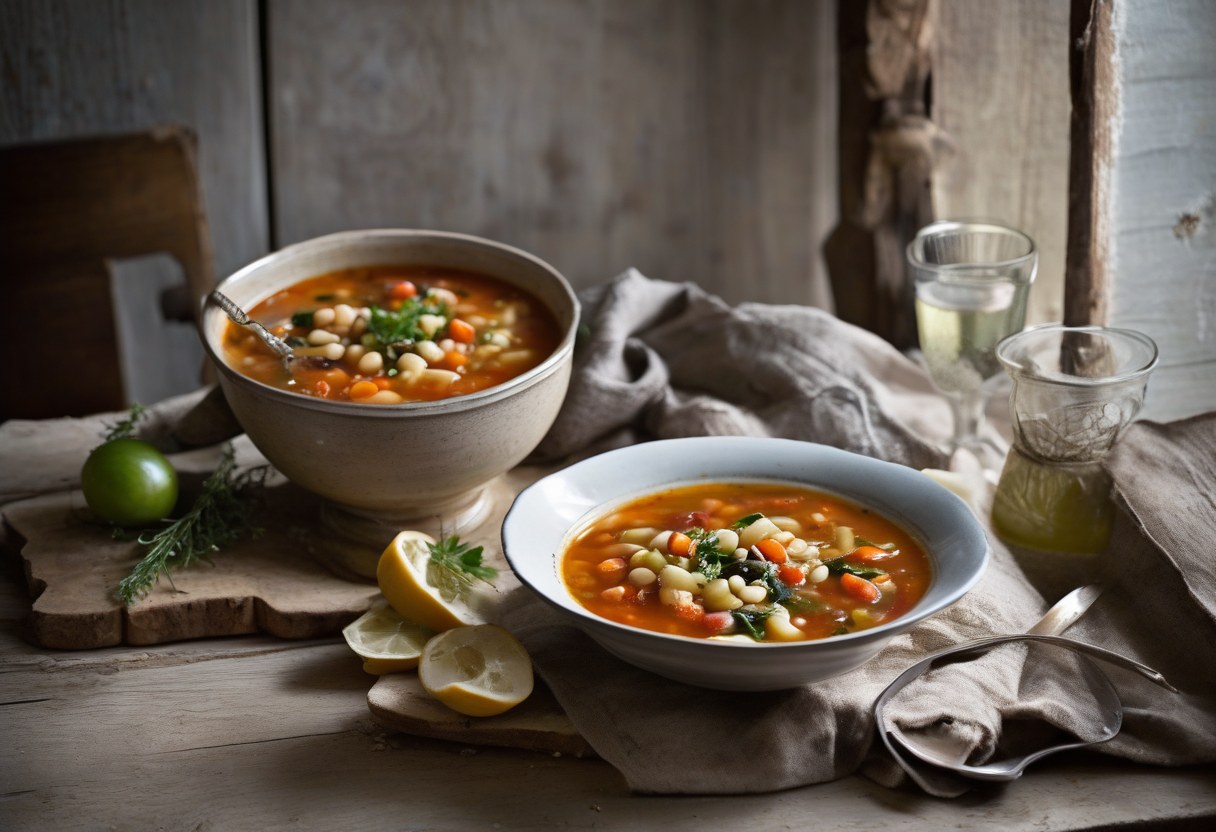
To elevate the dish, start by sautéing the aromatics in a generous splash of olive oil until they are translucent and sweet. Add a can of crushed tomatoes, a stock cube or jar of stock, and your chosen pasta. Let it bubble vigorously for the time specified on the pasta packet, usually around eight to ten minutes. The result is a bowl that feels substantial and warming, perfect for a Tuesday evening when you need sustenance without the effort. The acidity of the tomatoes balances the earthiness of the beans, creating a flavour profile that is both rustic and refined. Serve with a drizzle of extra virgin olive oil and a sprinkle of parmesan for a finish that feels indulgent yet simple.
Spring Freshness: Pesto and Zucchini
As the weather warms, the palate shifts towards lighter, brighter flavours. Spring is the ideal time to experiment with zucchini, bell peppers, and cherry tomatoes, which are at their peak flavour and often more affordable. Instead of heavy cream sauces, lean into the natural sweetness of these vegetables by pairing them with a vibrant basil pesto. This combination highlights the freshness of the ingredients, offering a meal that feels celebratory without being overly complex. The visual appeal of this dish is unmatched, with the green of the basil, the red of the tomatoes, and the yellow of the peppers creating a plate that is as pleasing to the eye as it is to the tongue.
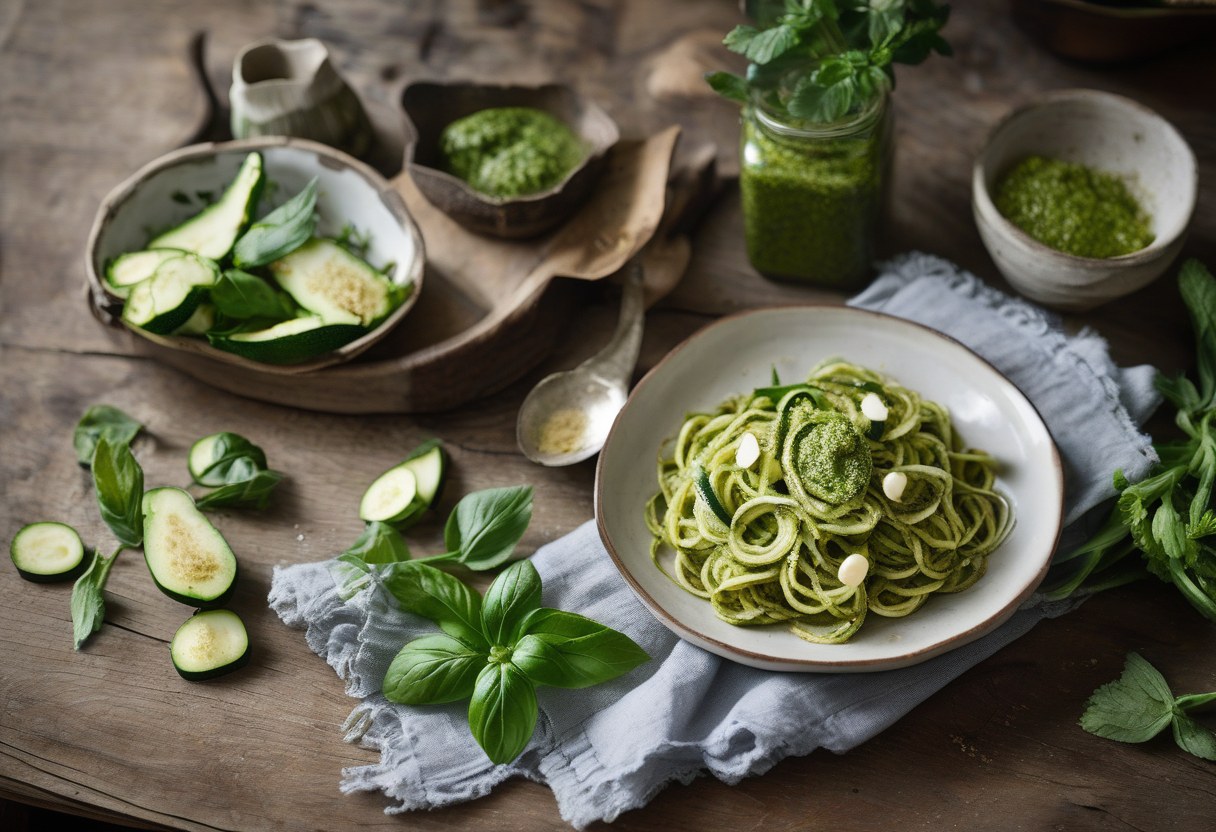
To prepare this, toss the vegetables in a large pan with a little olive oil and cook them until they just begin to soften but still retain some bite. You want them to remain crisp-tender, not limp. Cook your pasta separately, reserving a cup of the starchy cooking water. This water is the secret ingredient that helps the pesto emulsify and cling to the noodles. Combine the hot pasta with the pesto and a splash of the reserved water, then fold in the cooked vegetables. The heat of the pasta gently warms the pesto without cooking it, preserving the bright, herbal notes of the basil. It is a dish that can be prepared in less than fifteen minutes, making it an excellent option for busy weeknights when you want something fresh and quick.
Summer Simplicity: Pasta Primavera
Summer cooking should be as effortless as the weather outside. Pasta Primavera is the epitome of this philosophy, relying on a simple combination of spaghetti, sautéed seasonal vegetables, and good olive oil. The beauty of this dish lies in its minimalism; there is no need for elaborate sauces or complex techniques. Instead, the focus is on the quality of the ingredients and the balance of flavours. Asparagus, peas, and mushrooms are excellent additions, but you can use whatever is available in your fridge. This flexibility makes it a staple for summer entertaining, where you can adjust the contents based on what is freshest or most in season.
The cooking process is straightforward: boil the pasta, sauté the vegetables in a separate pan with garlic and olive oil, and then combine everything with a handful of grated pecorino or parmesan. The key is to ensure the vegetables are not overcooked; they should be al dente to contrast with the softness of the pasta. A squeeze of lemon juice at the end adds a necessary brightness that cuts through the richness of the cheese and oil. This dish is not only quick but also forgiving, allowing for a wide variety of ingredient swaps without losing its essential character. It is a reliable go-to for any evening when you want a meal that feels special but requires minimal effort.
Autumn Richness: The Slow-Simmered Stew
Autumn calls for deeper, richer flavours that can stand up to the cooler air. A slow-simmered beef or vegetable stew is the perfect embodiment of this seasonal shift. Root vegetables like parsnips, carrots, and potatoes break down slowly, releasing their starches to thicken the broth and create a sauce that clings to the meat. This is not a dish for the impatient; it requires time, but the reward is a meal of profound depth and complexity. The long, gentle heat breaks down the connective tissues in the meat, resulting in a texture that is tender and succulent, while the vegetables absorb the flavours of the stock and herbs.
Begin by browning the meat in batches to develop a deep crust, which is the foundation of the stew’s flavour. Deglaze the pan with red wine, scraping up the browned bits, and then add the stock, herbs, and vegetables. Let it simmer on the lowest possible heat for several hours. This method allows the flavours to meld and intensify, creating a dish that is far superior to anything that could be achieved quickly. The result is a hearty, comforting meal that is perfect for sharing with friends and family. It is a dish that rewards patience and attention, offering a taste of the season in every spoonful.
The One-Pot Lasagna Solution
Lasagna is often associated with a lengthy cooking process, involving multiple pans and a significant amount of washing up. However, the one-pot lasagna has revolutionized this classic dish, allowing you to create a layered masterpiece in a single skillet or deep pan. This method is a crowd-pleaser, offering the familiar taste of ground meat, rich cheese, and tomato sauce without the hassle. It is an excellent option for entertaining, as it can be prepared in advance and baked just before serving. The layers meld together during the baking process, creating a cohesive dish that is easy to portion and serve.
To make this, start by browning the ground meat in the pan, then adding the tomato sauce and liquid. Lay sheets of lasagna pasta directly on top of the sauce, allowing them to absorb the liquid as they cook. Add layers of cheese and meat, repeating the process until the pan is full. The final step is to bake the dish in the oven until the top is golden and bubbling. This technique ensures that the pasta is cooked through and the cheese is melted and slightly crisp on top. It is a practical solution for busy families, offering a satisfying meal that feels indulgent but is surprisingly manageable. The ability to cook everything in one vessel makes cleanup a breeze, which is a significant advantage after a large meal.
Creamy Chicken Alfredo
For those evenings when you crave something luxurious and comforting, a creamy chicken Alfredo is the ideal choice. This dish is a testament to the power of simple ingredients: tender chicken breasts, fettuccine, and a rich white sauce made from cream, butter, and parmesan. The sauce should be silky and smooth, coating every strand of pasta and piece of chicken. It is a dish that feels special, perfect for a date night or a treat for yourself. The richness of the sauce is balanced by the mildness of the chicken and the wheatiness of the pasta, creating a harmonious blend of textures and tastes.
To prepare this, cook the chicken breasts until they are just done, then slice them thinly. Cook the fettuccine until al dente, reserving some of the starchy water. In a separate pan, melt butter, add heavy cream, and simmer until it reduces slightly. Stir in grated parmesan and a splash of the pasta water to achieve the perfect consistency. Toss the pasta and chicken in the sauce, ensuring everything is coated evenly. The result is a dish that is both indulgent and satisfying, offering a taste of comfort that is hard to resist. It is a reliable favourite that never fails to please, regardless of the occasion.
Batch Cooking and Storage
One of the greatest advantages of the Italian Wonderpot approach is its suitability for batch cooking. Dishes like chili, stews, and minestrone can be prepared in large quantities and stored for later use. This is ideal for busy households, allowing you to spend a few hours on a weekend cooking enough for several meals. The convenience of having a hot meal ready to reheat cannot be overstated, especially when time is short. Batch cooking also helps with meal planning, ensuring that you always have a reliable option on the table. It reduces the stress of daily cooking and allows for better management of ingredients and time.
When batch cooking, it is important to cool the food quickly before storing it in the refrigerator or freezer. This helps to preserve the quality and safety of the meal. Dishes with high liquid content, like stews and soups, freeze particularly well, maintaining their texture and flavour upon reheating. For pasta dishes, it is best to store the pasta separately from the sauce if possible, as it can become mushy when frozen and reheated. However, one-pot dishes that are designed to be reheated as a whole often hold up well. This approach allows for a level of culinary freedom that is both practical and enjoyable, making it easier to maintain a consistent cooking routine without sacrificing quality.
FAQ
How do I store leftover Italian Wonderpot dishes?
Most Italian Wonderpot dishes store well in airtight containers in the refrigerator for up to three to four days. For longer storage, transfer the cooled food to freezer-safe containers or heavy-duty freezer bags. Label each container with the date and the contents to keep track of what you have. For dishes with pasta, it is often better to store the sauce and pasta separately to prevent the pasta from becoming soggy. When ready to eat, simply reheat the components together, adding a splash of water or stock if the sauce has thickened too much.
Can you reheat this dish multiple times without compromising taste?
While it is generally safe to reheat cooked food multiple times, the texture and flavour may degrade with each cycle. For best results, only reheat the portion you intend to eat. If you must reheat multiple times, ensure the food reaches a high temperature each time to kill any bacteria. Dishes with high liquid content, like stews, tend to hold up better than those with delicate vegetables or pasta. It is best to plan your portions so that you can eat the food within two or three days of cooking to ensure the best quality.
What kind of containers work best for storing one-pot meals in the freezer?
Freezer-safe glass containers are an excellent choice for storing one-pot meals, as they do not retain odours and are easy to clean. Alternatively, heavy-duty plastic freezer bags are space-efficient and can be laid flat to freeze quickly, taking up less room in the freezer. Ensure that the containers are airtight to prevent freezer burn, which can affect the taste and texture of the food. Labeling is crucial, as it helps you identify the contents and the date of freezing, ensuring that you use the food within a reasonable timeframe.
Are there any good substitutions if a recipe calls for specific ingredients?
Italian cooking is flexible, and many ingredients can be substituted without significantly affecting the outcome. For example, if a recipe calls for parmesan, you can use pecorino or a hard grating cheese of your choice. If you do not have fresh basil, dried basil can be used, but in a smaller quantity, as it is more concentrated. Similarly, if a specific vegetable is out of season, choose another that is available and has a similar cooking time. The key is to balance the flavours and textures, ensuring that the dish remains cohesive and delicious.


