Salsa Ingredients: Roast & Revel

Download the free printable PDF
Roasting is one of the most effective techniques for transforming raw vegetables into deep, complex flavors that define a great salsa. By applying dry heat to ingredients like tomatoes, peppers, and onions, you concentrate their natural sugars and create a smoky depth that is difficult to achieve through simple chopping. This process not only enhances taste but also simplifies your kitchen workflow, allowing you to prepare large batches that last through the week.
Whether you are looking to speed up weeknight dinners or prepare for a large gathering, having roasted components ready to go makes a significant difference. The following guide outlines seven distinct approaches to roasting salsa ingredients, focusing on practicality, storage, and flavor impact. Each method is designed to be accessible, ensuring that even busy home cooks can achieve restaurant-quality results with minimal effort and maximum reward.
1. Roasted Tomato Salsa
The foundation of many classic salsas is the roasted tomato. When tomatoes are exposed to high heat, their skin blisters and separates easily from the flesh, while the interior softens into a sweet, tangy pulp. This method is ideal for busy weeknights because the initial roasting step can be completed in under thirty minutes, after which the ingredients can be blended and seasoned to taste. The result is a sauce that is far more cohesive and flavorful than its raw counterpart, offering a rich base for chips, tacos, or grilled proteins.
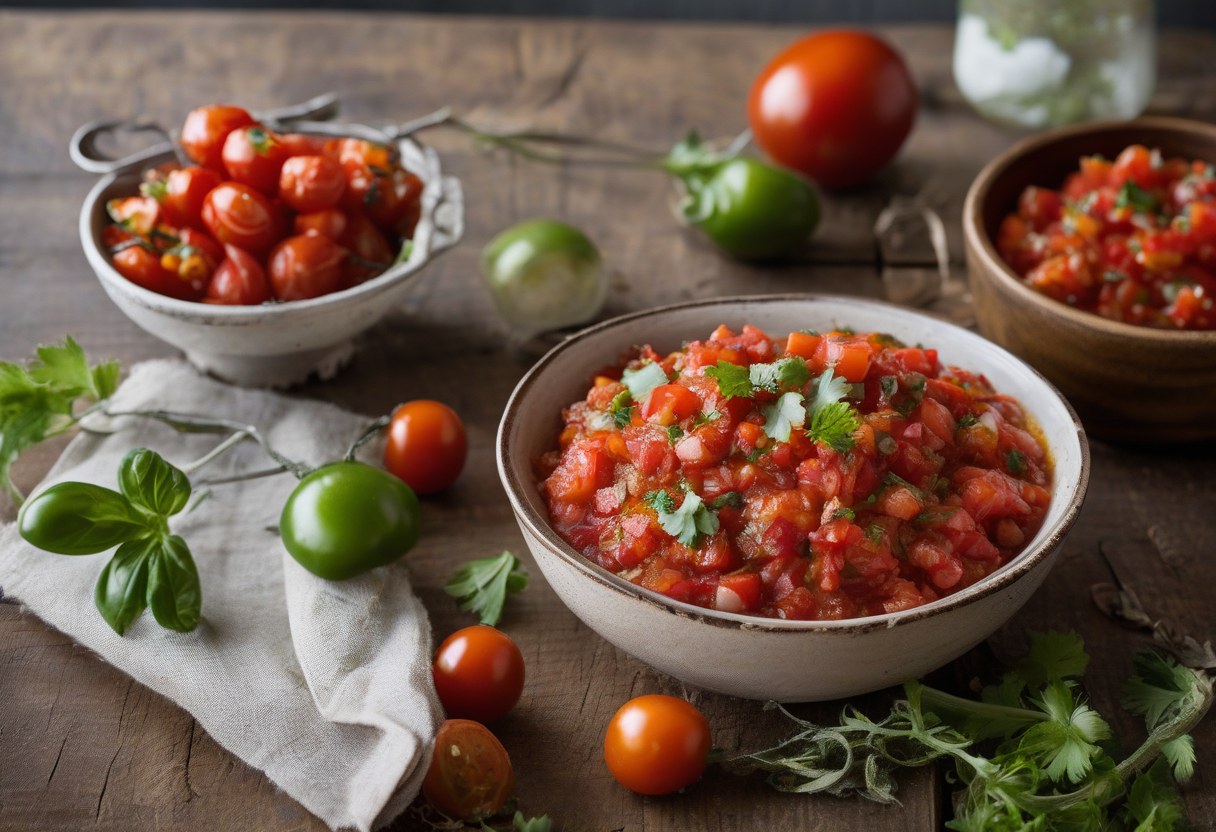
To execute this, preheat your oven to a high temperature, around 220°C (430°F). Place whole Roma tomatoes on a baking sheet and roast them until the skins are charred and the flesh is collapsed, which typically takes 20 to 25 minutes. Once removed, allow the tomatoes to cool slightly in a covered bowl to steam, which loosens the skins further. Peel the skins away and discard the stems, then transfer the flesh to a blender. Add a small amount of the roasting juices, a squeeze of fresh lime, and a pinch of salt to balance the acidity. This quick prep time and easy storage make it a versatile staple that can be kept in the fridge for several days, ready to be served cold or warmed up.
2. Spicy Pepper Mix Roast
For those who prefer a kick, roasting a mix of bell peppers and jalapeños provides a balanced heat level alongside significant flavor depth. Bell peppers contribute sweetness and color, while jalapeños add the necessary spiciness. This combination is particularly suitable for batch cooking, as the low cost of these ingredients allows you to prepare large quantities without breaking the bank. The roasting process mellows the raw bite of the peppers, integrating their flavors into a unified, smoky profile that complements a wide range of dishes.
Begin by halving bell peppers and leaving jalapeños whole to control the heat intensity. Arrange them cut-side down on a baking sheet and roast until the skins are blackened and the flesh is tender, approximately 15 minutes. The key to a successful batch is the subsequent steaming step. Place the roasted peppers in a bowl, cover tightly with plastic wrap, and let them sit for ten minutes. This traps the steam, making the skins slip off effortlessly. Once peeled, chop the peppers to your desired consistency. This high-yield approach ensures you have a ready-made spicy component that can be added to any salsa base or used as a standalone condiment for eggs or meats.
3. Caramelized Onion Base Salsa
Onions are often overlooked in salsa recipes, but when roasted to the point of caramelization, they provide a rich, sweet foundation that elevates any blend. This method requires a longer prep time compared to quick-roast vegetables, but the payoff is a depth of flavor that adds richness and complexity. Caramelized onions work exceptionally well as a base for other salsas or as a standalone dip when combined with herbs and spices. The slow cooking process breaks down the onion’s structure, creating a jammy texture that is pleasing to the palate and easy to spoon onto crackers or chips.
To achieve the best results, slice onions into wedges and toss them with a small amount of oil and salt. Spread them in a single layer on a baking sheet and roast at a moderate temperature, around 180°C (350°F), for 45 to 60 minutes. Stir occasionally to ensure even browning, but avoid over-stirring to allow the sugars to caramelize properly. The onions are ready when they are golden brown and soft. Once cooled, these can be stored in a jar and used as a base for multiple meals throughout the week. Their long shelf life in the refrigerator makes them a practical investment for anyone who enjoys cooking with layered flavors. The ease of storage means you can grab a spoonful whenever you need to enhance a simple dish.
4. Herb-Roasted Cucumber Relish
Cucumber might seem an unusual choice for a roasted salsa, but when paired with warm herbs like thyme and oregano, it creates a refreshing contrast that is both cool and aromatic. This relish is a quick-prep option that benefits greatly from storage in airtight containers, maintaining its crispness and flavor profile over several days. The cost-effectiveness of cucumbers and common herbs makes this a budget-friendly option for those who want variety without spending much. The roasting process slightly softens the cucumber, allowing the herbs to infuse their oils into the flesh, resulting in a relish that is far more flavorful than a standard raw cucumber salad.
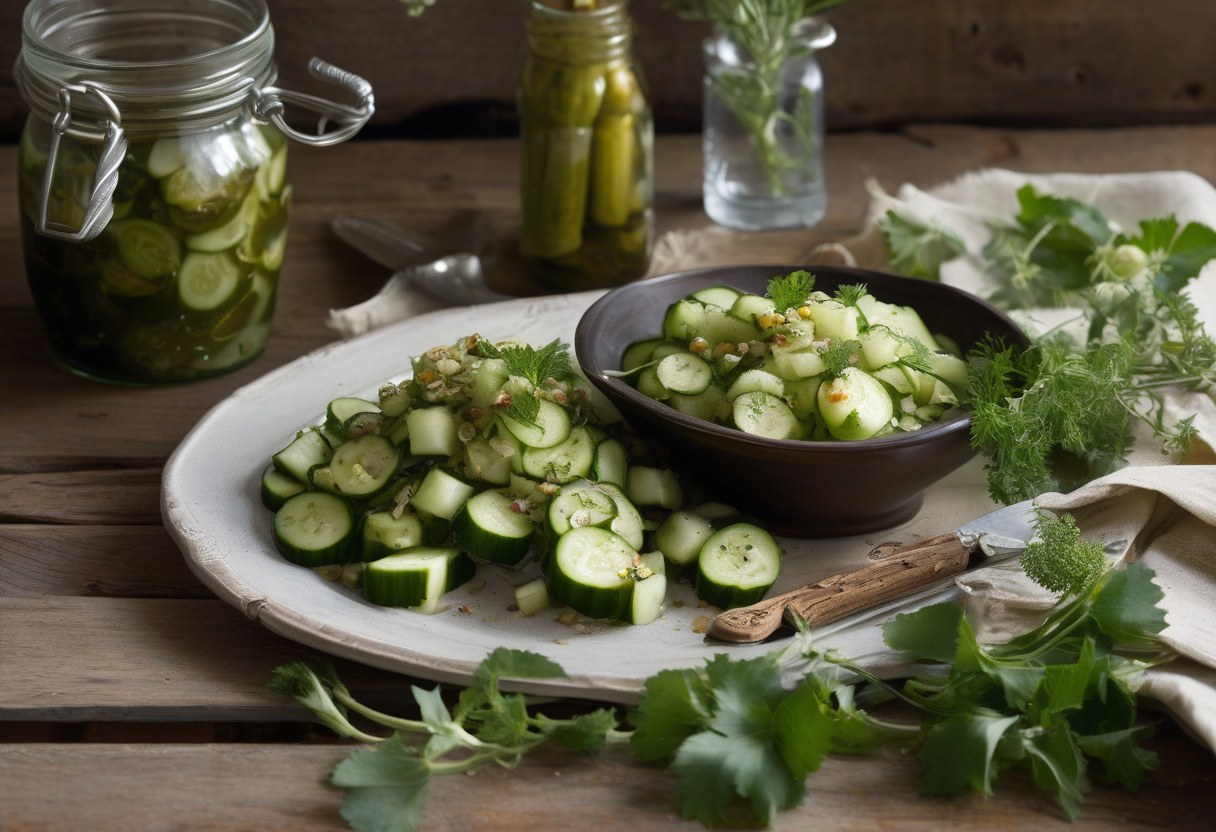
Cut cucumbers into thick slices and arrange them on a baking sheet with a light coating of oil and chopped herbs. Roast at a high temperature for just 10 to 15 minutes, just enough to wilt the cucumbers and release their moisture without turning them into mush. The goal is to retain some texture while softening the exterior. Once cooled, combine with a vinegar-based dressing and let it sit in the fridge for at least an hour to allow the flavors to meld. This relish is perfect for serving alongside grilled meats or as a side for sandwiches. Its quick preparation time and excellent storage qualities make it a convenient addition to any meal plan, offering a bright, herbaceous note that cuts through richer foods.
5. Roasted Corn & Poblano Salsa Verde
A vibrant green salsa made from roasted corn and poblano peppers is a staple for summer meals, offering a bright, zesty flavor that pairs well with a variety of dishes. This combination is ideal for large batches, as both ingredients freeze well, allowing you to stock your freezer for future use. The roasting of poblanos adds a smoky, mild heat that complements the sweetness of the corn, creating a balanced and versatile salsa. This recipe is particularly suited for those who enjoy outdoor cooking, as the smoky notes of the roasted peppers enhance the flavor of grilled foods.
Char the poblano peppers over an open flame or in a very hot oven until the skins are blackened, then steam them to peel. Roast corn on the cob or in kernels until the edges are slightly charred. Combine the roasted peppers, corn, garlic, and cilantro in a blender, adding a splash of lime juice to brighten the mixture. Blend until smooth or leave it chunky for texture. This salsa verde is not only delicious but also highly practical for batch cooking. It can be frozen in portion-sized containers, making it easy to grab and thaw for quick meals throughout the winter months. The versatility of this green salsa means it can be used as a dip, a sauce, or a topping, adding a pop of color and flavor to any plate.
6. Mushroom & Garlic Roast Dip
Mushrooms and garlic are a classic pairing that, when roasted together, produce a rich, umami-packed dip that is perfect for snacking or spreading. This option is quick to cook and easy to store, making it a convenient choice for those who want a savory snack without spending hours in the kitchen. The ingredients are affordable and widely available, ensuring that you can prepare this dip without a significant financial outlay. The roasting process concentrates the flavors of the mushrooms, creating a dense, meaty texture that is satisfying and versatile.
Slice mushrooms and garlic cloves, toss them with oil, salt, and pepper, and spread them on a baking sheet. Roast at a high temperature for 15 to 20 minutes, stirring halfway through to ensure even cooking. Once the mushrooms are browned and the garlic is soft, transfer them to a food processor and blend with a small amount of cream cheese or yogurt for a creamy texture. This dip can be stored in the refrigerator for up to four days and reheated gently in a microwave when ready to serve. Its quick cooking time and ease of storage make it an ideal option for last-minute gatherings or busy evenings. The rich flavor of the roasted mushrooms provides a hearty alternative to traditional cheese dips, offering a unique twist that is both comforting and flavorful.
7. Fruit Salsa with Roasted Mango & Pineapple
For a sweet and exotic twist on classic salsa, try roasting mangoes and pineapples. This fruit salsa is easy to prepare and stores well in the fridge, making it a perfect option for parties or snacks. The roasting process caramelizes the natural sugars in the fruit, enhancing their sweetness and adding a subtle smokiness that contrasts beautifully with the acidity of lime and the heat of chili peppers. This salsa is a crowd-pleaser that offers a refreshing change from traditional vegetable-based salsas, appealing to those who enjoy sweeter flavors.
Cut mangoes and pineapples into chunks and roast them at a moderate temperature for 15 minutes, just until they are slightly softened and the edges are caramelized. Combine the roasted fruit with diced red onion, jalapeño, and cilantro, and season with lime juice and a pinch of salt. The result is a vibrant, colorful salsa that is perfect for serving with grilled fish or as a standalone snack. Its ease of preparation and excellent storage qualities make it a practical choice for entertaining. The sweet and tangy flavor profile of this salsa adds a fun and unexpected element to any meal, ensuring that it remains a favorite among guests and family alike.
FAQ
How long can I store my roasted salsa ingredients?
Most roasted components can be stored in airtight containers in the refrigerator for up to 5 days. This timeframe allows you to prepare ingredients in advance without worrying about spoilage, ensuring that your flavors remain fresh and vibrant when you are ready to use them.
Can I freeze the roasted salsas for later use?
Yes, most roasted salsa components can be frozen and used within 3 months. Freezing is an excellent way to preserve the flavor and texture of your salsas, allowing you to enjoy them throughout the year. Simply thaw them in the refrigerator overnight before use to maintain the best consistency.
What are some good container options for storing my roasted salsa ingredients?
Glass jars or airtight plastic containers work well for storing roasted salsas. It is advisable to avoid aluminum foil, as it may react with the acidic components of the salsa, potentially affecting the flavor. Glass is particularly preferred as it does not retain odors or stains, making it easier to clean and reuse.
How do I reheat the roasted salsa components without losing flavor?
To reheat roasted salsa components without losing their flavor, gently warm them in a microwave-safe dish on medium power. Stir occasionally to ensure even heating and to maintain the desired texture. Avoid high heat, which can cause the ingredients to separate or become too soft, compromising the overall quality of the salsa.


