3 Quick Fixes for Busy Weeknights

Download the free printable PDF
Autumn brings shorter days and a natural desire for comfort food, but it often clashes with the reality of busy schedules. The pressure to prepare elaborate dinners can feel overwhelming when you are already tired from work. This guide offers three practical, low-effort strategies that bridge the gap between total chaos and a well-planned week without requiring hours of labor.
We focus on batch cooking shortcuts, set-and-forget appliances, and smart assembly methods that respect your time. These approaches prioritize flavor, convenience, and minimal cleanup over complex nutritional goals. Whether you need a quick breakfast or a hearty dinner, these methods ensure you always have something tasty and ready to go.
Strategy One: Batch Cooking Breakfast Bars
The first thing I do when I am short on time is rely on grab-and-go breakfast bars. These are not just for mornings; they serve as excellent mid-day snacks or a quick treat after a long day. The beauty of these bars lies in their simplicity. You are essentially making a large batch of granola, but instead of spreading it out to cool, you press it into a tin to create dense, crunchy bars. This method saves significant time because you do not have to manage individual portions during the cooking process.
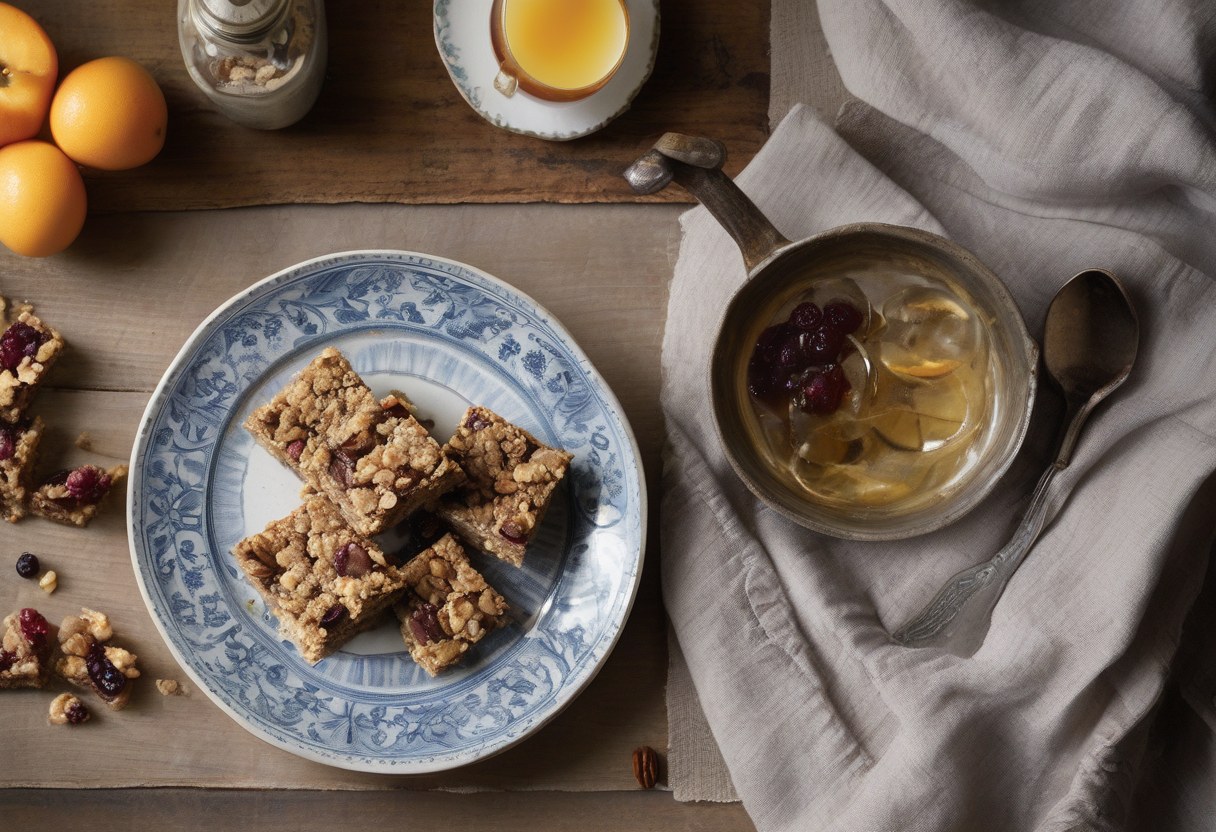
The flavor profile here is sweet and satisfying, driven by oats, nuts, and a binder like honey or maple syrup. You can customize the mix by adding dried fruit, seeds, or chocolate chips depending on what you have in the cupboard. The cost is remarkably low, as oats and nuts are pantry staples that do not spoil quickly. From a time perspective, the active prep time is roughly twenty minutes. You mix the ingredients, press them into a lined baking tray, and bake. Once cooled, you slice them into bars. This one task can provide you with five to seven breakfasts for the week, completely eliminating the morning rush.
Storage is straightforward. These bars keep well in an airtight container at room temperature for about a week. If you want to extend their shelf life, you can wrap individual bars in foil and store them in the freezer. They thaw quickly at room temperature, making them perfect for tossing into a bag before you leave the house. The texture remains crunchy even after freezing and thawing, so there is no loss in quality. This strategy works best when you know you will be busy for the next few days and need a reliable, no-cook option for the morning.
Strategy Two: Instant Pot Chicken Fajitas
The second strategy involves using the Instant Pot to create a versatile protein base that can be repurposed for multiple meals. Instant Pot chicken fajitas are a game-changer for busy cooks because the appliance does the heavy lifting. You only need to spend about fifteen minutes prepping the ingredients. Slice chicken breasts into strips, chop bell peppers and onions, and toss them in the pot with a simple seasoning blend of cumin, chili powder, and garlic. Set the timer for twenty to twenty-five minutes on high pressure.
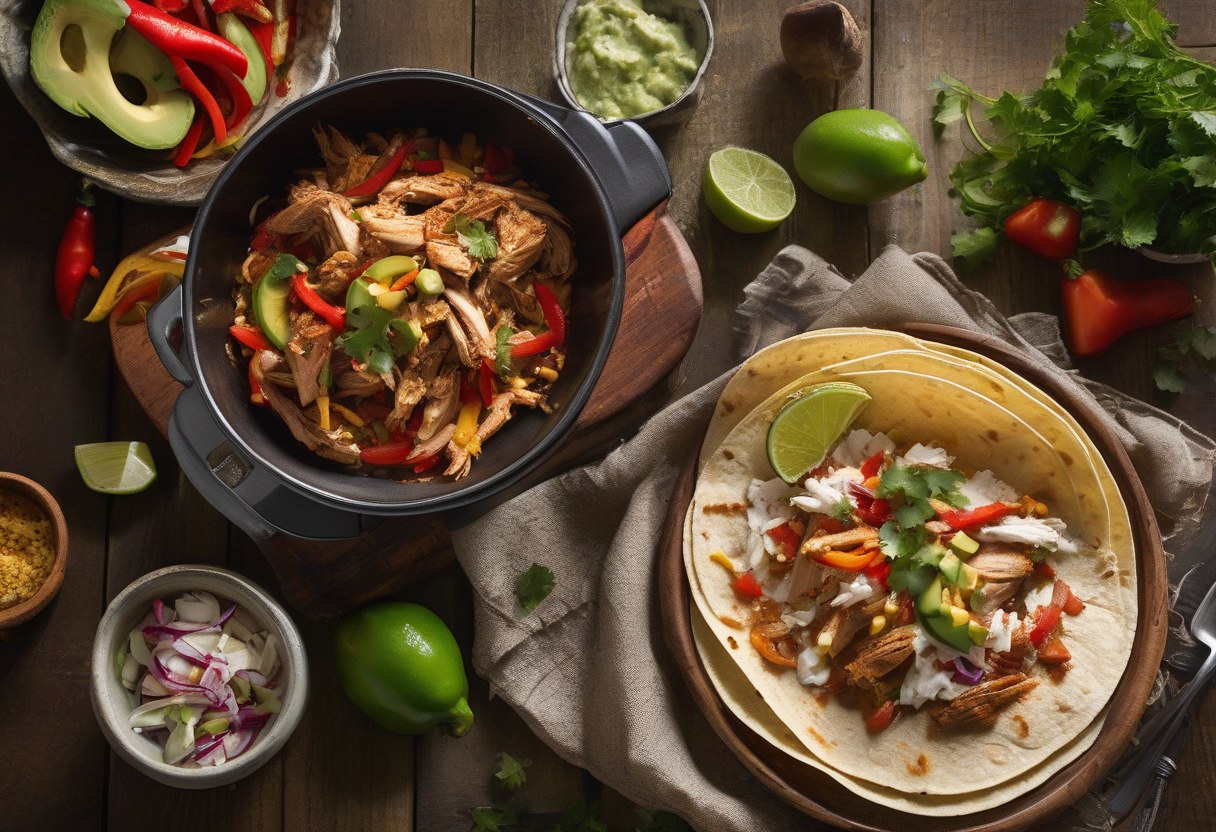
While the pot is working, you can attend to other tasks. When it is done, the chicken is tender and infused with flavor, and the peppers have softened just enough to be pleasant to eat but still retain some texture. This dish has a distinct Tex-Mex kick that is flavorful and comforting. The cost is moderate, as chicken is generally affordable, and the vegetables are seasonal. You can use this batch in several ways. Serve it over rice for a classic fajita plate, wrap it in tortillas for lunch, or mix it into a salad for dinner. The versatility means you are not stuck with the same meal every day, even though you only cooked once.
Storage is excellent for this dish. The chicken and peppers keep well in the refrigerator for up to four days. If you cook a larger batch, you can freeze the leftovers in portioned containers for up to three months. Reheating is quick; you can warm it up in the microwave or, for better texture, finish it off in a skillet with a little oil to get a slight char. This method is ideal for those who want the convenience of meal prep but dislike the monotony of eating the exact same thing for five days in a row. It offers variety through different serving suggestions while maintaining the convenience of a single cooking session.
Strategy Three: Slow Cooker Beef Stew
The third and final strategy is the slow cooker beef stew, which is the epitome of set-and-forget cooking. This is perfect for days when you have absolutely no time to cook. The process involves combining beef chunks, root vegetables like carrots and potatoes, and a rich broth with spices in the morning before you leave for work. You set the slow cooker to low, and by the time you get home, dinner is ready. The active time is minimal, perhaps ten minutes to chop the vegetables and place the meat in the pot. The result is a hearty, rich, and comforting meal that tastes like it has been simmering for hours, which it has been.
The flavor profile is deep and savory, with the meat becoming incredibly tender and the vegetables softening into the broth. This dish is affordable, as it often uses tougher cuts of beef that become delicious through slow cooking. It is also highly scalable. You can make a large batch in a six-quart slow cooker and have enough for several days. The stew freezes excellently, retaining its texture and flavor for up to two months. This makes it an excellent candidate for future meal planning. You can freeze individual portions in freezer-safe bags or containers, ready to be reheated on a future busy evening.
Reheating a slow cooker stew is straightforward. You can reheat it in the slow cooker itself by setting it to warm, or you can reheat individual portions in the microwave or on the stovetop. The sauce thickens slightly as it cools and reheats, which is often desirable as it coats the meat and vegetables well. This strategy is particularly good for autumn and winter when you want something warming and substantial. It requires very little thought or effort on the day you eat it, making it a reliable backup plan for when life gets in the way of your cooking schedule. The key is to assemble it early in the day, so you are not rushing in the evening.
Additional Quick Fixes: Sheet Pan and Microwave Options
While the three main strategies above cover breakfast, lunch, and dinner, there are two other quick methods worth mentioning for specific situations. The first is sheet pan roasted vegetables and chickpeas. This is a ten-minute active prep task where you toss seasonal vegetables and canned chickpeas with oil and spices on a baking sheet. You then leave it in the oven for twenty to twenty-five minutes. The result is a savory, crispy side dish that can be paired with any protein. It is hands-off, meaning you can do other things while it cooks. The cost is low to moderate depending on the vegetables you choose. This is a great option for a quick weeknight dinner if you have a protein already cooked or can buy a pre-cooked chicken breast.
The second option is microwave rice bowls with add-ins. This is the fastest method available, taking about five minutes per serving. You use pre-cooked rice from a microwave pouch or a batch you have prepared, and top it with canned beans, cheese, and any fresh vegetables you have. It is versatile and customizable, allowing you to change the toppings based on what you have in the fridge. The cost is low, and the prep time is negligible. This is ideal for single servings or when you have very little time and do not want to deal with a full meal. It is not as complex as the other options, but it is effective for getting a hot meal on the table quickly.
DIY Frozen Meal Kits and Pre-Bagged Salads
For those who prefer to have components ready but not fully cooked meals, DIY frozen meal kits are a good middle ground. You can portion out raw ingredients for a specific recipe, such as stir-fry or curry, into freezer bags. You add the dry spices and sauces, and when you are ready to cook, you just add fresh produce like herbs or quick-cooking vegetables. This reduces your prep time on the day of cooking to just a few minutes of adding fresh items. The cost is moderate to high depending on the components, but it saves time by having the chopping and measuring done in advance. These kits keep in the freezer for weeks, providing a ready-to-go solution for busy evenings.
Another option is pre-bagged salad kits combined with a protein source. You can buy pre-washed salad mixes or make your own by bagging greens and vegetables. To turn this into a meal, you add a protein source like grilled chicken, tofu, or hard-boiled eggs. This is a minimal assembly task that results in a fresh and customizable meal. The cost is moderate to high, and the prep time is minimal. However, storage is limited; these are best eaten fresh or refrigerated for a short period. This method is good for those who prefer fresh ingredients and do not want to deal with reheating leftovers. It is a quick way to get a balanced plate on the table without the effort of chopping and cooking from scratch.
FAQ
How do I store my meal prep containers?
For refrigerated items like the Instant Pot chicken or slow cooker stew, use airtight glass or plastic containers. Label them with the date and contents to keep track of freshness. For frozen items, use freezer-safe bags or containers that are designed to withstand low temperatures. Ensure that liquids are not packed to the very top, as they expand when frozen. Glass containers are generally preferred for reheating as they do not retain odors or flavors, but plastic is lighter and less likely to break if dropped.
Can you reheat meals in the microwave, or is it better with a different method?
Reheating in the microwave is the fastest method and works well for most dishes like stews, rice bowls, and chicken fajitas. However, for dishes where texture is important, such as roasted vegetables or stir-fries, using a skillet or oven can help maintain crispness. For slow cooker stew, reheating in the slow cooker is convenient if you are eating at home. The microwave is the most practical for busy individuals who need to eat quickly, but be aware that it can sometimes make certain foods soggy.
What are some good container options that work well for both storage and reheating?
Glass containers with locking lids are a popular choice because they can go from the freezer to the oven or microwave without issue. They are durable and do not stain or retain smells. Plastic containers are lighter and less expensive, but they are not always oven-safe. For frozen meal kits, heavy-duty zip-lock bags are cost-effective and take up less space in the freezer. Choose containers that fit your portion sizes to avoid waste and ensure even reheating.
Are there any easy substitutions if I run out of an ingredient while meal prepping?
Yes, most recipes are flexible. For the chicken fajitas, you can use any bell pepper variety or substitute onions with shallots. For the beef stew, you can use any root vegetable that is in season, such as parsnips or turnips, instead of carrots and potatoes. For the breakfast bars, you can swap nuts for seeds if you have allergies or preferences. The key is to maintain the balance of flavors and textures. If you run out of a specific spice, you can often use a similar one or adjust the seasoning to taste. Flexibility is part of the charm of these quick-prep strategies.


