4 Chickpea Curry Salads for Quick & Tasty Meals

Download the free printable PDF
Curry-flavoured chickpeas are a versatile staple that transforms simple ingredients into satisfying meals in minutes. Whether you prefer a classic spicy blend or a creamy coconut variation, these dishes offer incredible depth of flavour without requiring hours in the kitchen. This roundup highlights four distinct approaches to preparing chickpea curries, focusing on speed, taste, and practical storage for busy households.
Classic Chickpea Curry Salad
This traditional preparation relies on a robust blend of spices and crisp vegetables to create a dish that comes together quickly, making it ideal for weeknight dinners when time is short. The key to this version is the balance between the earthy notes of cumin and coriander and the freshness of raw vegetables, which provides a textural contrast that keeps the salad interesting. It is a no-fuss meal that tastes best when the spices have had a moment to meld, but it is ready to eat the moment it is mixed.
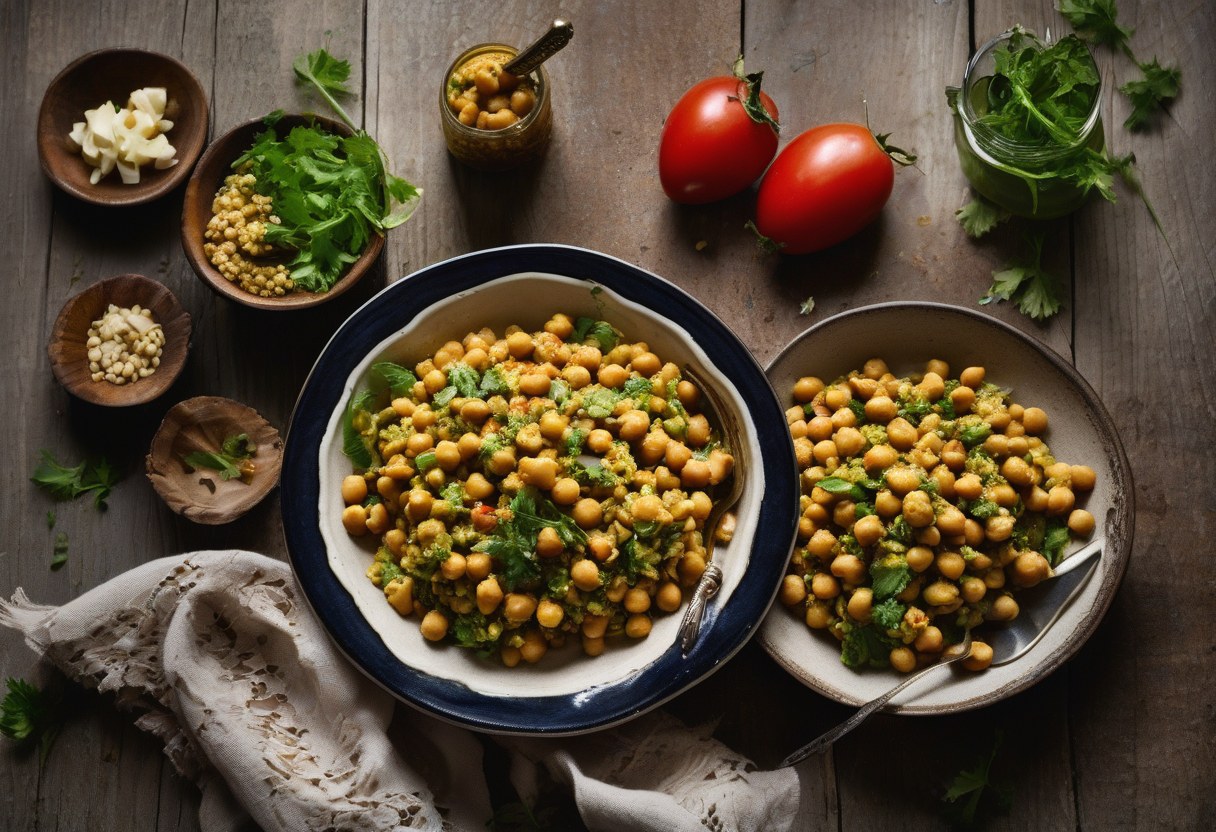
To prepare this, start by heating a tablespoon of oil in a large pan and adding a teaspoon of curry powder, a pinch of turmeric, and a small amount of garam masala. Stir for thirty seconds until the spices become aromatic, then add a can of drained chickpeas and a cup of chopped mixed vegetables such as bell peppers, onions, and green beans. Toss everything together for five to seven minutes, ensuring the chickpeas are evenly coated in the spice mix. Season with salt and pepper to taste, and finish with a squeeze of fresh lemon juice to brighten the flavours. This dish can be served warm as a main course or cooled down for a lunchbox option.
The beauty of this classic style lies in its adaptability. You can swap the vegetables based on what you have in the fridge, using carrots, sweetcorn, or spinach without altering the fundamental flavour profile. It is a cost-effective meal that stretches well, providing several servings from a single can of chickpeas. For those who prefer a bit more heat, adding a diced fresh chili during the sautéing stage adds a pleasant kick without overwhelming the palate.
Creamy Coconut Chickpea Stew
For those who enjoy a richer, more substantial meal, a coconut-based stew offers a luxurious texture that coats the chickpeas and vegetables in a silky sauce. This variation is particularly well-suited for larger family meals, as it can be prepared in a single large pot and served alongside rice or flatbreads. The coconut milk adds a natural sweetness that balances the spiciness of the curry paste, creating a harmonious blend that is comforting and satisfying. It is ready in under an hour, making it a practical choice for evenings when you want something hearty without the long simmering times of traditional stews.
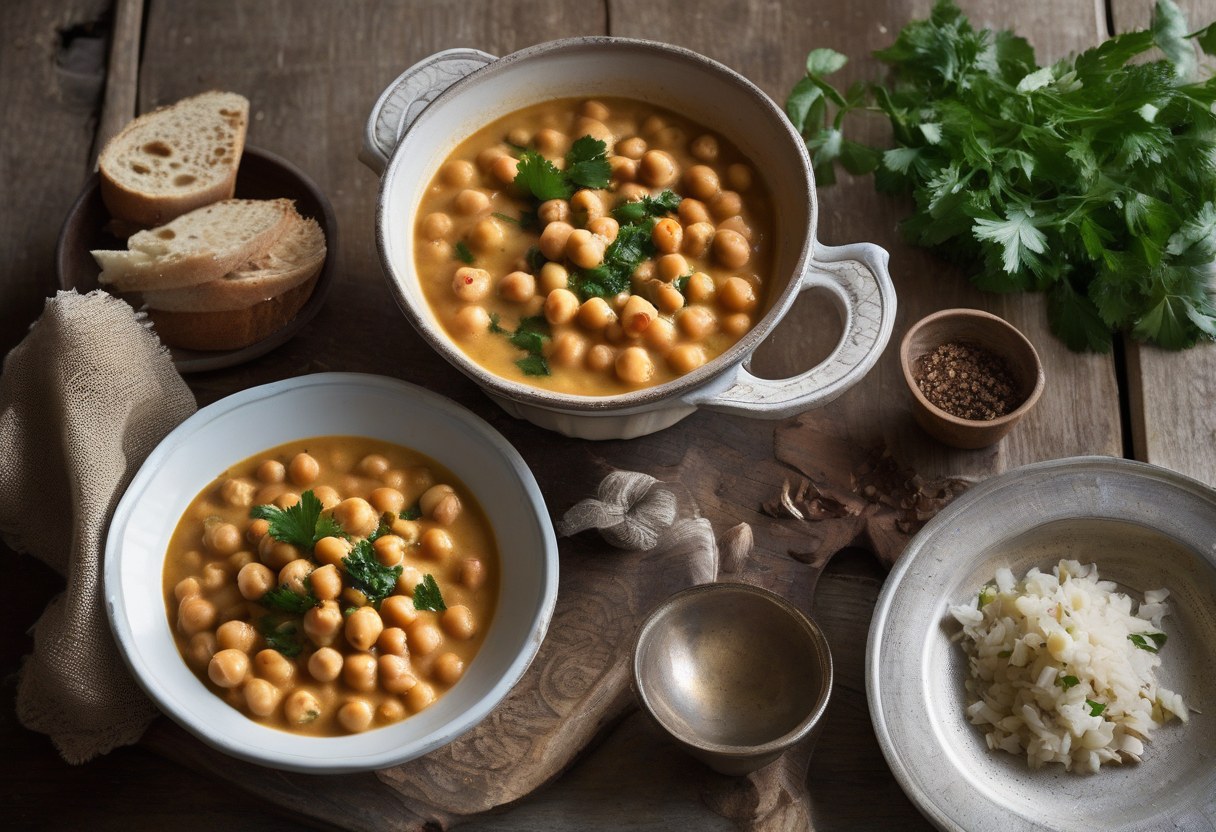
Begin by frying a tablespoon of curry paste with a small amount of garlic and ginger until fragrant. Pour in a tin of coconut milk and a can of chickpeas, along with a cup of diced potatoes and carrots. Simmer gently for twenty to twenty-five minutes, allowing the vegetables to soften and the sauce to thicken slightly. The consistency should be thick enough to coat a spoon but still fluid enough to be served as a stew. If the sauce becomes too thick, a splash of water or extra coconut milk can adjust the texture to your preference. This dish holds up well when reheated, often tasting better the next day as the flavours continue to develop.
Serving this stew is straightforward; a bed of steamed rice or a side of naan bread complements the richness of the coconut sauce. The cost of this meal is low, relying on pantry staples and affordable vegetables, making it an economical option for feeding a group. The creamy texture provides a different eating experience compared to drier salads, offering a more substantial feel that is perfect for colder evenings. You can garnish with fresh coriander and a drizzle of lime juice just before serving to add a fresh finish to the rich base.
Spicy Tomato Chickpea Salad
This vibrant salad features a spicy kick from ripe tomatoes and chili peppers, appealing to those who enjoy bold flavours without extensive preparation. The acidity of the tomatoes cuts through the richness of the chickpeas, creating a bright and zesty dish that feels light yet flavourful. It is an excellent option for warmer weather or when you want a meal that feels refreshing but still carries the warmth of curry spices. The preparation time is minimal, as most of the work involves chopping rather than cooking, making it a quick solution for busy days.
To make this salad, combine drained chickpeas with a generous amount of chopped tomatoes, diced red onion, and finely chopped chili peppers. Add a tablespoon of curry powder, a splash of olive oil, and a squeeze of lemon juice. Toss everything together and let it sit for ten minutes to allow the flavours to combine. The key here is the quality of the tomatoes; ripe, juicy varieties will provide the best liquid and flavour. If you prefer a milder dish, reduce the amount of chili or use a sweet variety instead of a hot one. This salad can be made in advance and stored in the fridge, making it a great option for meal prep.
The visual appeal of this dish is undeniable, with the reds and greens creating a colourful plate that is as pleasing to the eye as it is to the palate. It pairs well with a simple side of bread or can be served on its own as a complete meal. The spice level can be adjusted to suit individual preferences, making it a versatile dish for households with varying taste preferences. The tomato base adds moisture, so there is no need for additional dressing, keeping the ingredient list short and simple.
Quick Pickled Veggie Topped Chickpeas
Adding quick-pickled vegetables to your chickpea curry introduces a crunchy, tangy element that contrasts beautifully with the soft texture of the legumes. This method is ideal for those who like to prepare components in advance, as the pickled vegetables can be made days ahead and stored in the fridge. The acidity of the pickles lifts the flavour of the curry, adding a complexity that elevates a simple dish to something special. It is a clever way to add variety to your meal rotation without increasing the daily cooking time significantly.
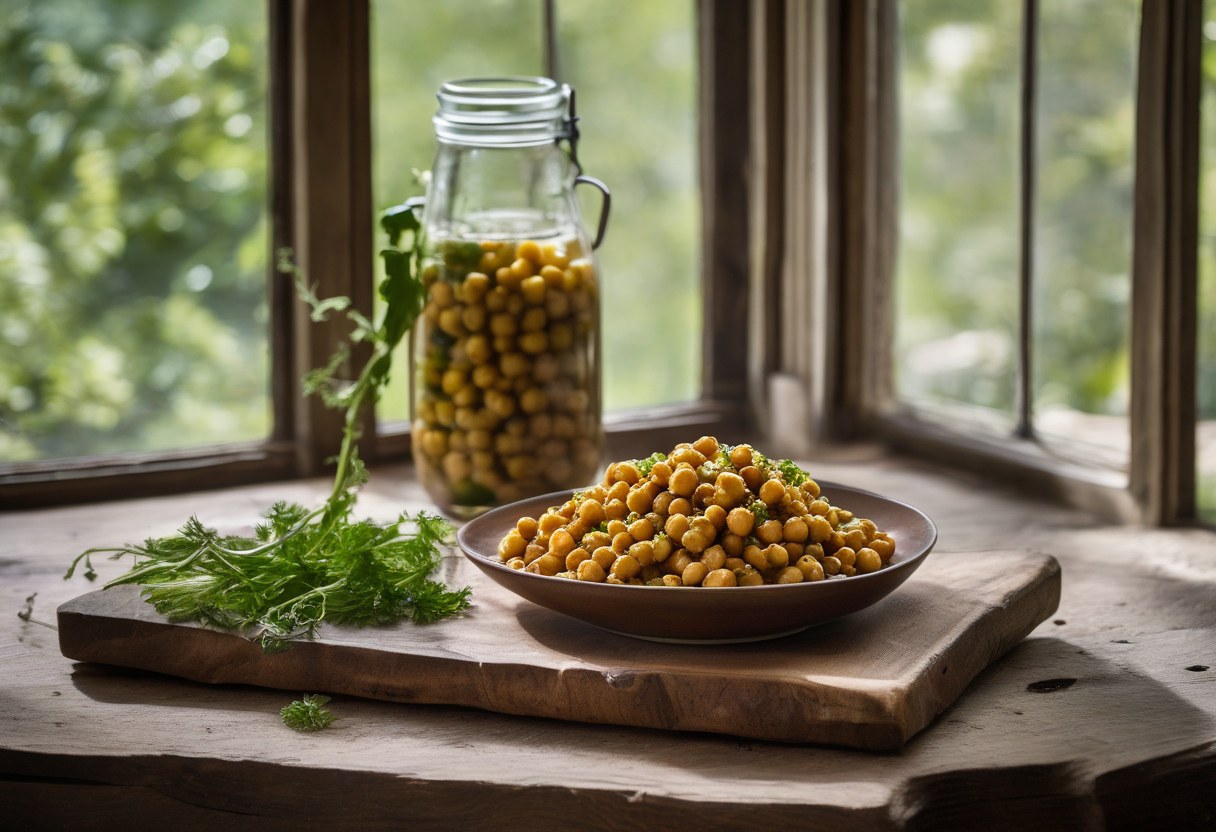
Start by preparing the pickled vegetables by slicing thin strips of cucumber, carrot, and radish. Place them in a bowl and cover with a mixture of vinegar, sugar, and salt, allowing them to sit for at least an hour. Meanwhile, prepare a simple chickpea curry by sautéing chickpeas with curry spices and a small amount of stock. When serving, spoon the warm curry onto a plate and top with a generous handful of the drained pickled vegetables. The contrast between the hot, spiced chickpeas and the cold, crunchy pickles creates a dynamic eating experience. This dish is particularly good for lunch, as the tanginess helps cut through any heaviness from the curry base.
The pickled component can be stored in a sealed container in the fridge for up to a week, making it a convenient staple for busy weeks. You can experiment with different vegetables for the pickle, such as red cabbage or green beans, to vary the texture and colour. This approach allows for easy batch cooking, as you can prepare a large batch of pickles and a large batch of curry, combining them as needed. The result is a meal that feels fresh and vibrant, with a level of complexity that surprises those who expect a simple curry dish.
Herb-Filled Chickpea Curry Bowl
A fresh, herby twist on the classic chickpea curry, this bowl is loaded with flavour from a variety of herbs that add brightness and aroma. This variation is perfect for those who want a meal that feels light and fresh, yet still delivers the warmth of curry spices. The herbs, such as coriander, mint, and parsley, are added at the end of the cooking process to preserve their vibrant colour and fresh taste. It is an instant mood booster on the plate, with its vibrant green hues and fragrant aroma making it a visually appealing choice for any meal.
To prepare this bowl, cook the chickpeas with your preferred curry spices and a small amount of stock until they are heated through. In a separate bowl, combine a large handful of chopped fresh herbs with a squeeze of lemon juice and a drizzle of olive oil. Serve the warm chickpeas over a bed of greens or rice, and top with the herb mixture. The freshness of the herbs contrasts with the cooked chickpeas, creating a layered flavour profile. This dish is best served immediately to enjoy the full impact of the fresh herbs, as their flavour can diminish if left to sit for too long.
The cost of this meal is low, as fresh herbs are inexpensive and can be grown at home. The preparation time is short, making it a practical option for busy evenings. The herb mixture can be prepared in advance and stored in the fridge, ready to be added to the warm chickpeas just before serving. This dish is a great way to use up any leftover herbs that are about to wilt, turning them into a flavourful component of the meal. The result is a dish that is both visually striking and deliciously aromatic.
Easy Baked Chickpea Curry Mix
Baking your curry mix in the oven is a hands-off method that speeds up cooking and enhances the flavours through caramelisation. This approach is ideal for busy parents looking for a meal that requires minimal attention once it is in the oven. The dry heat of the oven concentrates the flavours, creating a deeper, more intense taste profile compared to stovetop cooking. It is a convenient option for those who want to prepare a meal while attending to other tasks, as the oven does the heavy lifting.
Preheat your oven to 200 degrees Celsius. In a large baking dish, combine drained chickpeas, chopped vegetables, curry spices, and a small amount of stock or water. Stir well to ensure everything is coated, then cover with foil and bake for twenty minutes. Remove the foil and bake for a further ten minutes to allow the top to brown slightly. The result is a dry, spiced mix that can be served over rice or eaten on its own. This method is particularly good for larger quantities, as it is easier to manage in an oven than on a stovetop. The dish holds up well when reheated, making it a good option for meal prep.
The cost of this meal is similar to other variations, relying on affordable ingredients. The preparation time is short, with most of the time spent in the oven. This dish is a great option for those who prefer a drier curry, as the baking process reduces the liquid content. The flavours are concentrated, resulting in a more intense taste experience. It is a practical and delicious way to enjoy chickpea curry without the need for constant stirring or attention.
FAQ
How do I store leftover Chickpea Curry Salad?
Leftovers should be stored in an airtight container in the refrigerator. It is best to store the dressing or sauce separately if possible, as the chickpeas can absorb the liquid and become soggy over time. The salad can be kept for up to three days, and it is recommended to add any fresh herbs or crunchy vegetables just before serving to maintain their texture.
Can I reheat Chickpea Curry without losing flavor?
Yes, chickpea curry reheats well. It is best to reheat it gently on the stovetop or in the microwave, adding a splash of water or stock if it has thickened during storage. Avoid overheating, as this can cause the chickpeas to split and the flavours to become dull. Reheating slowly helps to preserve the texture and taste of the dish.
What are the best containers for storing batched chickpea salads?
Airtight glass containers are ideal for storing batched chickpea salads, as they do not retain odours and are easy to clean. They also help to keep the salad fresh for longer. If you are storing the dressing separately, small jars are a convenient option. Ensure that the containers are completely sealed to prevent any contamination or drying out.
What can I substitute for onions in my chickpea curry?
If you do not have onions, you can substitute them with leeks, shallots, or even a small amount of garlic. These alternatives provide a similar depth of flavour and texture. You can also use a spoonful of onion powder or granulated garlic to add the flavour without the bulk. Adjust the quantity to taste, as the intensity of these substitutes may vary.


