5 Meal Prep Strategies That Work for Busy Schedules

Download the free printable PDF
Meal preparation is often misunderstood as a time-consuming chore, but when approached with the right strategies, it becomes a powerful tool for saving time and money. This seasonal roundup focuses on five distinct methods that simplify your week, ensuring you always have a delicious, ready-to-eat option waiting in the fridge or freezer. Whether you prefer batch cooking large quantities or assembling components on the fly, these techniques cater to various lifestyles and schedules.
Spicy Chicken Quesadillas
Spicy chicken quesadillas are a cornerstone of efficient meal prep because they are incredibly easy to assemble and cut into portions for quick lunches or dinners. The key to this strategy is preparing the filling separately, which allows you to store the components and only assemble the final dish when you are ready to eat. This method prevents the tortillas from becoming soggy and ensures that the cheese melts perfectly every time you heat them up.
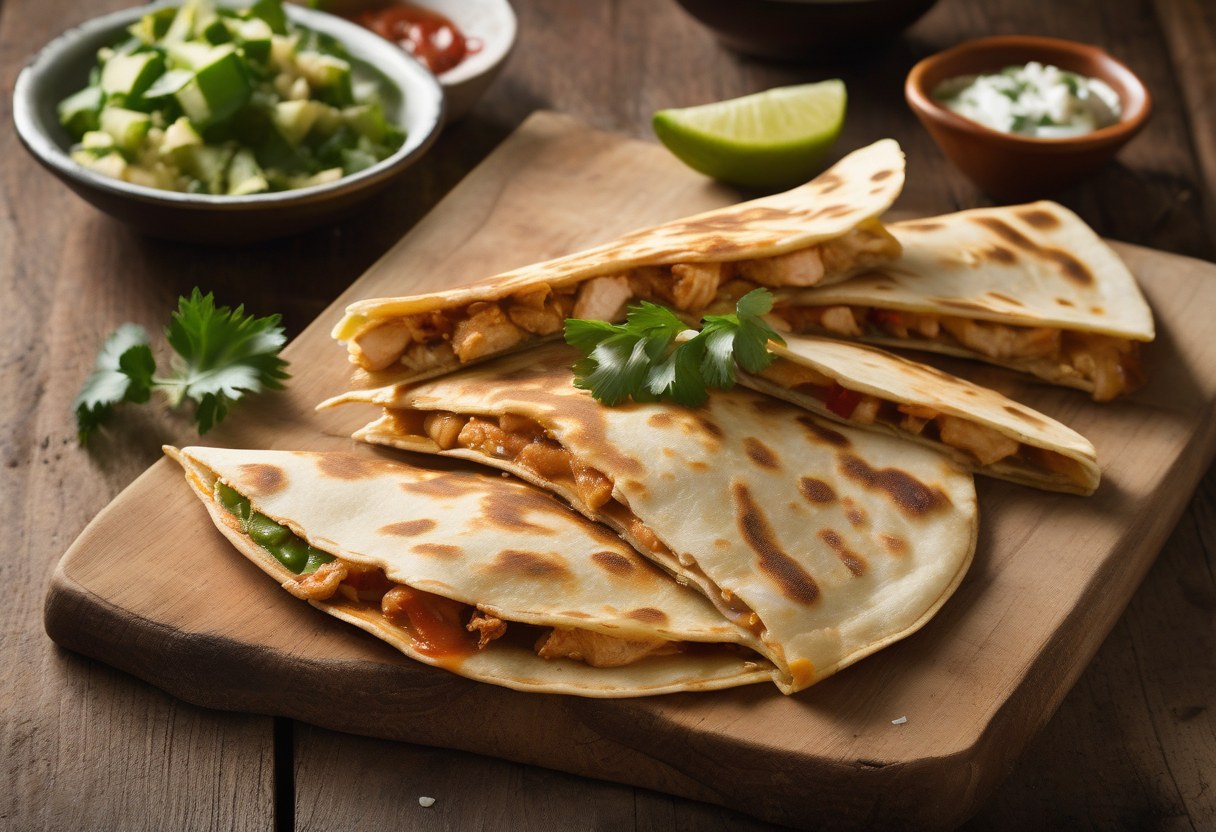
For the filling, cook down chicken breast with a blend of cumin, paprika, and chili powder to create a robust base. Once cooked, mix the chicken with melted cheese and any other desired toppings like peppers or onions. This mixture can be stored in a container in the refrigerator for up to three days. When it is time to eat, simply spoon the mixture into a tortilla, fold it over, and toast it in a dry pan or microwave until the cheese is molten. Each serving provides roughly 450 calories and 30g of protein, making it a substantial meal without requiring complex cooking techniques on the day of consumption.
The appeal of this strategy lies in its speed and affordability. Chicken is a versatile protein that is widely available and cost-effective, especially when bought in bulk. The spices used are pantry staples that do not require frequent shopping trips. By prepping the filling in advance, you eliminate the most time-consuming part of the cooking process. This allows you to have a hot, flavorful meal ready in under five minutes, which is ideal for busy mornings or rushed weeknights when cooking from scratch is not feasible.
Veggie-Stuffed Sweet Potatoes
Veggie-stuffed sweet potatoes offer a versatile approach to meal prep that relies on individual servings rather than large, mixed batches. This method is particularly effective because each potato can be prepared, baked, and stored independently, allowing you to grab and go without needing to reheat a large pot. The skin of the sweet potato acts as a natural container, which simplifies storage and transport, making it an excellent option for packed lunches or quick dinners.
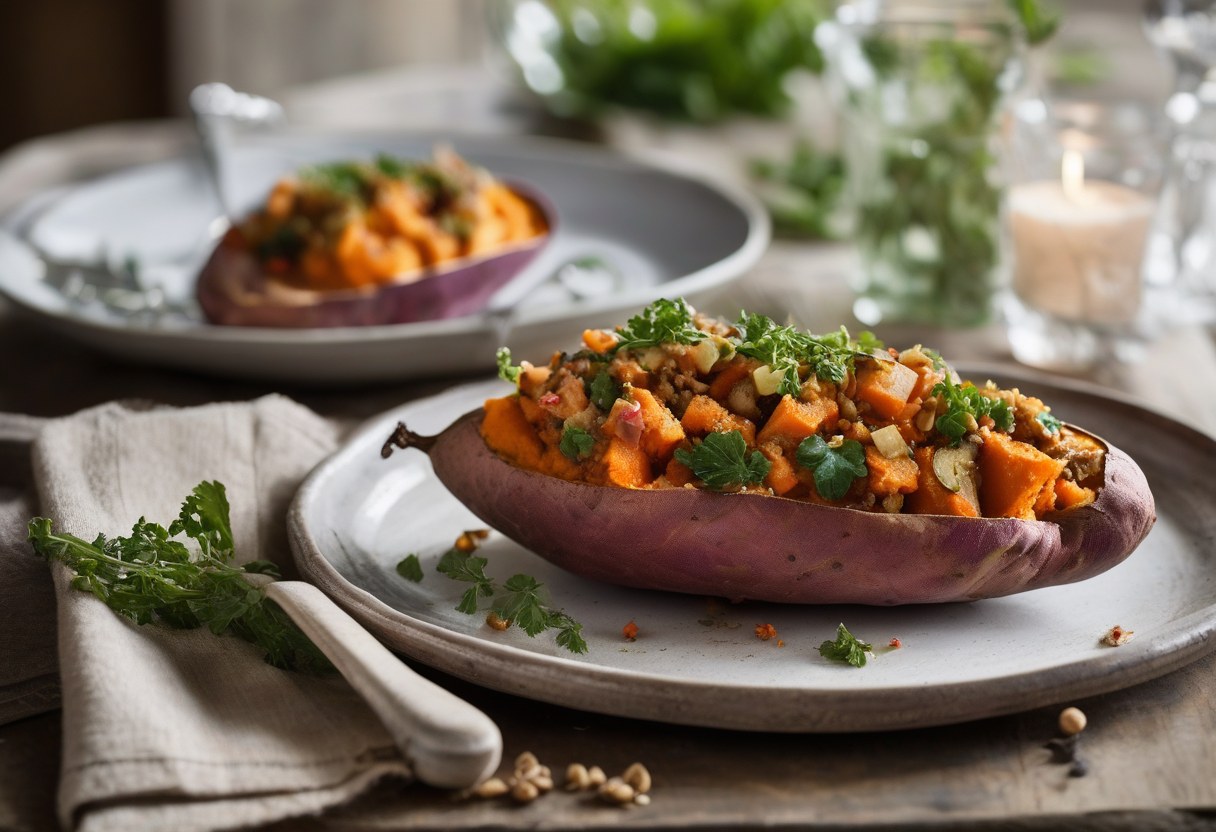
To execute this strategy, bake sweet potatoes until they are tender, then scoop out a small portion of the flesh to make room for your fillings. You can stuff them with a variety of vegetables, such as roasted broccoli, spinach, or bell peppers, along with a generous amount of cheese. Once stuffed, let them cool completely before storing them in the refrigerator or freezer. They store remarkably well for several days in the fridge or up to three months in the freezer. When ready to eat, simply microwave them for two to three minutes until heated through.
This approach is favored for its flexibility and ease of storage. Unlike soups or stews, which can become watery when reheated, stuffed sweet potatoes maintain their texture and structure. The vegetables inside can be pre-roasted in bulk, saving time on the day of preparation. This method allows for customization, as you can vary the fillings based on what is available in your fridge, reducing waste and keeping meals interesting throughout the week. The individual nature of the servings also makes portion control straightforward and convenient.
Slow Cooker Beef Stew
Slow cooker beef stew is a hearty option that exemplifies the "set and forget" philosophy of meal prep. This strategy involves prepping all ingredients the night before or early in the morning, placing them in the slow cooker, and letting the appliance do the work while you attend to other tasks. The result is a tender, flavorful stew that requires minimal active cooking time, making it ideal for those with limited time during the day but who still want a substantial home-cooked meal.
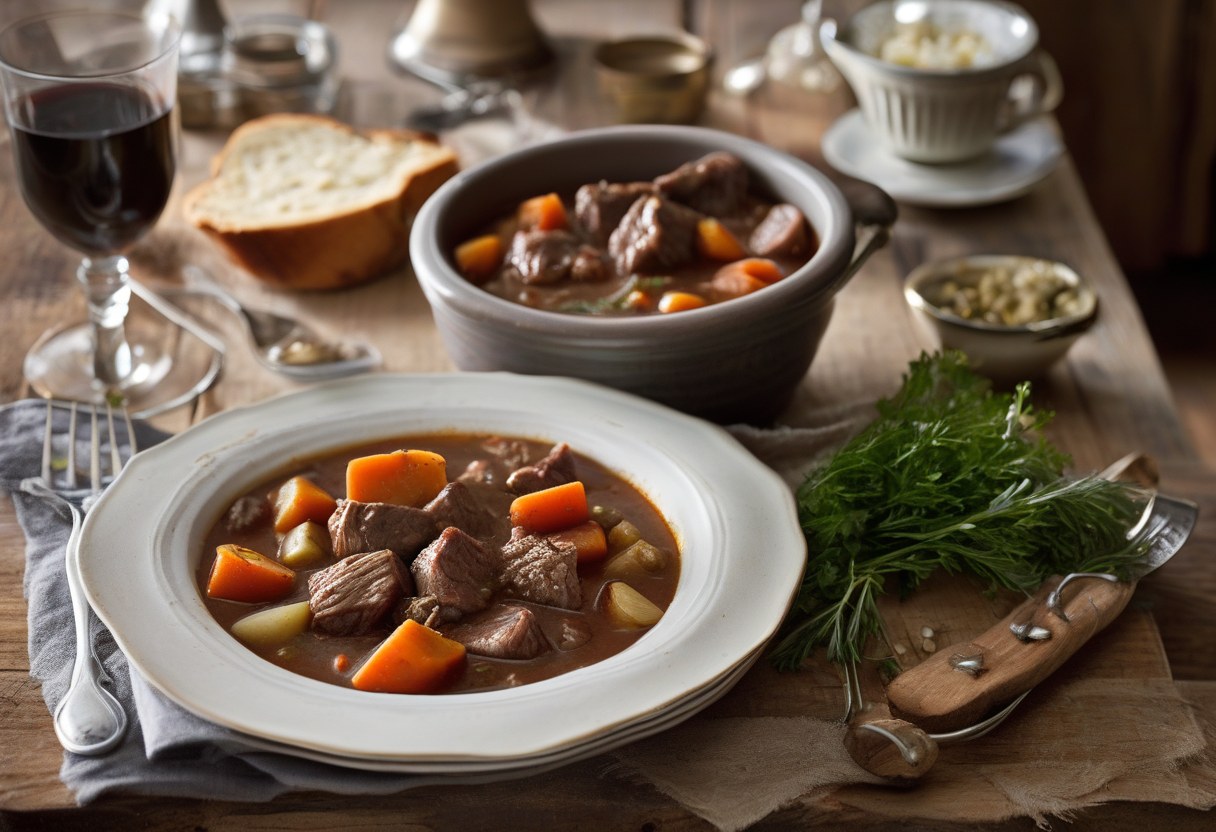
The economic aspect of this strategy is significant, as economical cuts of meat, such as chuck roast, work exceptionally well in slow cooking. These cuts are cheaper than premium steaks but become incredibly tender and flavorful when cooked low and slow for several hours. By prepping the stew in advance, you can maximize your time efficiency. You can chop the vegetables and brown the meat the day before, then simply combine everything in the slow cooker in the morning. This ensures that the meal is ready by the time you return home, without you having to be present in the kitchen during the cooking process.
Reheating and storing beef stew is also straightforward, as it holds its flavor and texture well over several days. You can store the entire pot in the refrigerator and reheat individual portions as needed, or divide it into containers for freezing. This is particularly useful for busy households, as it provides a consistent, reliable meal option that does not require daily decision-making. The rich, savory flavors of the stew develop over time, meaning the meal often tastes even better on the second day, adding to its appeal as a prep strategy.
Caprese Pasta Salad
Caprese pasta salad is a no-cook option that is perfect for batch preparation, especially during warmer months when the idea of standing over a hot stove is unappealing. This dish involves mixing cooked pasta with fresh tomatoes, mozzarella, and basil, creating a vibrant and flavorful meal that can be made in advance and stored in the refrigerator. The simplicity of the ingredients means that there is very little prep time required, and the dish can be assembled in less than fifteen minutes.
One of the main advantages of this strategy is that it stays fresh for several days without the need for cooking. The pasta absorbs the flavors of the dressing and vegetables over time, which enhances the overall taste. This makes it an excellent option for lunchboxes or quick weeknight dinners. You can prepare a large batch on the weekend and divide it into individual containers, ensuring that you have a ready-to-eat meal for the entire week. The lack of cooking also means that there is no cleanup of pots and pans, which is a significant time-saver.
This strategy is also highly customizable, as you can add other ingredients like olives, peppers, or herbs to suit your taste. The flexibility allows you to use up any leftover vegetables or cheeses you may have, reducing waste. The dish is light and refreshing, making it a popular choice for those who prefer lighter meals without sacrificing flavor. Its ability to be made in advance and stored easily makes it a reliable staple for anyone looking to simplify their meal planning.
Taco Tuesday Batches
Taco Tuesday batches involve pre-making taco fillings, such as seasoned meat or beans, and assembling tacos as needed throughout the week. This strategy is versatile and allows for a high degree of customization, as family members can choose their own toppings and assemble their own meals. This approach is particularly popular in households with diverse tastes, as it caters to individual preferences while still providing a cohesive meal theme.
The efficiency of this method lies in the bulk preparation of the filling. You can cook a large batch of seasoned ground beef, turkey, or beans in one go, which saves time and energy. This filling can be stored in the refrigerator or freezer and used for multiple meals throughout the week. On the day you wish to eat tacos, you simply heat up a portion of the filling and assemble the tacos with your choice of tortillas, cheese, and fresh toppings. This reduces the daily cooking time to a minimum, as the most time-consuming part is already done.
This strategy also promotes flexibility and reduces food waste, as you can use up any leftover vegetables or proteins by incorporating them into the tacos. The variety of toppings available allows for endless combinations, keeping the meals interesting and preventing boredom. Whether you prefer classic toppings like lettuce and cheese or more adventurous options like pickled jalapeños and avocado, the batch-cooked filling provides a solid foundation. This makes it an excellent option for those who want to maintain a sense of control over their meals while still benefiting from the convenience of meal prep.
FAQ
How long can I store the prepared meals?
Most of these meals can be stored in the refrigerator for three to four days. If you are using the freezer, most of these dishes, including the stew and stuffed sweet potatoes, can be stored for up to three months without a significant loss in quality. Always label your containers with the date to keep track of freshness.
What's the best way to reheat these dishes?
For items like stew and stuffed sweet potatoes, the microwave is the most efficient method, usually requiring two to three minutes on high. For quesadillas, a dry pan on the stovetop is recommended to maintain crispiness. Pasta salad and tacos are best served at room temperature or slightly warmed, depending on personal preference.
Which containers work best for batch cooking and storage?
Glass containers are ideal for most of these meals, as they are durable, easy to clean, and do not retain odors. For individual portions, such as stuffed sweet potatoes or soup in mugs, microwave-safe individual containers are convenient. Ensure that all containers are airtight to maintain freshness and prevent leakage.
Can I substitute ingredients based on what I have at home?
Yes, all of these strategies are highly adaptable. You can swap proteins, vegetables, and cheeses based on what is available in your fridge. The key is to maintain the balance of flavors and textures, but the specific ingredients can be adjusted to suit your pantry contents and preferences.


