6 Season Rice Recipes in a Snap

Download the free printable PDF
Rice is the ultimate kitchen companion, versatile enough to anchor a meal in any season. This guide walks you through six distinct rice preparations, each tailored to the produce and flavors available at different times of the year. Whether you are looking for a quick lunch solution or a make-ahead dinner, these methods prioritize speed, flavor depth, and storage efficiency.
Spring Vegetable Pilaf
This dish captures the essence of early spring by combining fluffy white rice with vibrant, tender vegetables. The key to a successful pilaf is the initial sautéing of aromatics, which builds a deep flavor base before the liquid is added. You will want to use a mix of asparagus tips, peas, and spring onions, chopping them into uniform pieces to ensure even cooking. Start by heating a splash of oil in a heavy-bottomed pan, then add diced shallots and garlic, stirring until they turn translucent and fragrant. This initial step is crucial for layering taste, as the caramelized sugars in the shallots provide a savory backbone that plain boiled rice simply cannot achieve.
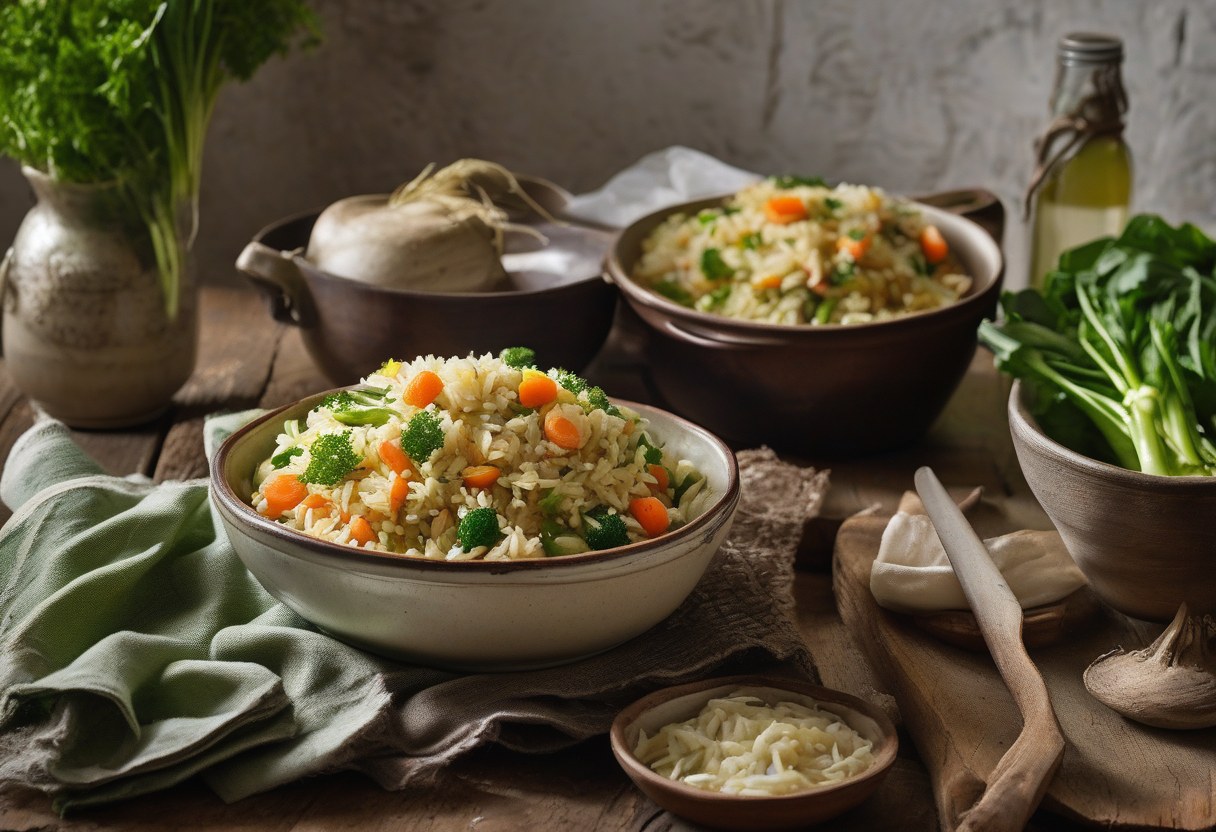
Once the aromatics are ready, add your chopped vegetables and toast them for a couple of minutes to soften slightly without losing their color. Rinse your rice thoroughly to remove excess starch, which prevents the dish from becoming sticky. Add the rice to the pan, stirring to coat each grain in the flavored oil and vegetable juices. Pour in stock or water, using a ratio of one part rice to two parts liquid, and bring to a boil. Reduce the heat to the lowest setting, cover the pan tightly, and let it simmer undisturbed for about fifteen minutes. After the time is up, remove from heat and let it rest for five more minutes before fluffing with a fork. This dish stores exceptionally well in the fridge for up to three days, making it a reliable option for meal planning. The flavors actually intensify as the rice sits, so a leftover portion is often tastier than the first serving.
Summer Fruit Rice Pudding
Transitioning from savory to sweet, this no-bake pudding offers a refreshing contrast to the heat of summer. It relies on the natural sweetness of seasonal fruits like berries, peaches, or melons, which are added to a base of cooked rice and creamy dairy. The texture is soft and comforting, yet light enough for a warm evening. Begin by cooking a portion of short-grain rice in milk rather than water, stirring occasionally to prevent sticking. This process takes longer than standard rice cooking, requiring about twenty minutes on a low heat to achieve a porridge-like consistency. The slow simmer allows the starches to release fully, creating a thick, spoonable base that holds its shape well when chilled.
Once the rice is soft, remove it from the heat and let it cool slightly. Stir in a generous amount of vanilla extract and a sweetener of your choice, such as honey or maple syrup. At this stage, you can fold in your chopped fruits. The residual heat from the rice will slightly macerate the fruits, releasing their juices into the pudding. Spoon the mixture into individual serving bowls or a large storage container. Cover tightly and refrigerate for at least two hours to allow the flavors to meld and the pudding to set. This dessert is perfect for batch preparation; you can make a large batch on a Sunday and portion it out for the week. It serves best cold, maintaining its creamy texture without becoming watery, and cleans up easily since it can be served in individual jars.
Autumn Savory Risotto
Autumn calls for deeper, earthier flavors, and this savory risotto delivers with bold aromatics and robust textures. Unlike the quick pilaf, risotto requires attention but rewards you with a creamy, luxurious texture that holds up well when reheated. The secret to a good risotto is the gradual addition of hot stock, which allows the starches in the rice to release slowly, creating that signature creaminess. Use arborio or carnaroli rice for this dish, as their high starch content is essential. Start by browning mushrooms and caramelizing onions in a wide pan, using a good amount of butter and oil to create a robust flavor foundation. The aroma in the kitchen during this stage is intense, signaling that the base flavor is developing correctly.
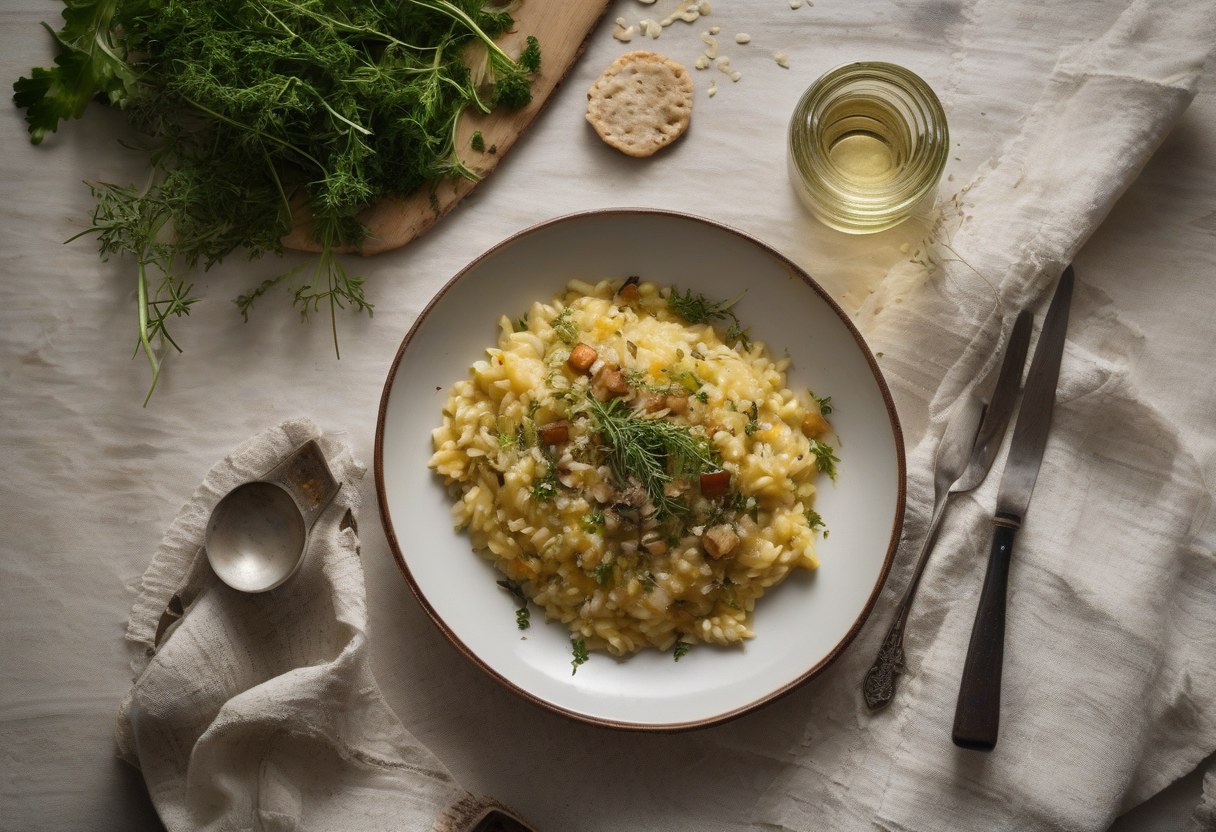
Add the rice to the pan and stir for a minute to coat the grains in fat, a process known as toasting. This step is crucial for ensuring the rice remains separate and does not turn into mush. Begin adding hot vegetable or mushroom stock, one ladle at a time, stirring constantly. Wait until each addition is almost fully absorbed before adding the next. This process takes about eighteen to twenty minutes. In the final minute, stir in a knob of cold butter and a handful of grated cheese for richness. This dish is ideal for making ahead; if you find it too thick when reheating, simply add a splash of warm stock or water to loosen it. It can be stored in the fridge for two days or frozen for up to a month, retaining its flavor profile remarkably well. The cleanup is minimal, as the entire dish is cooked in a single pan.
Winter Warm Rice Bowl
As the weather turns colder, a warm, hearty bowl becomes a necessity. This concept focuses on layering steamed rice with robust winter vegetables and proteins, creating a meal that is both satisfying and easy to assemble. The beauty of this bowl lies in its modularity; you can prepare components separately and combine them just before serving. Start by cooking a large batch of your preferred rice, such as jasmine or basmati, and store it in the fridge. Simultaneously, roast root vegetables like parsnips, carrots, and celeriac with a drizzle of oil and a sprinkle of thyme. These vegetables hold their shape well when reheated, avoiding the sogginess that can affect leafy greens. This modular approach means you can mix and match flavors without cooking multiple complex dishes.
For the protein component, consider braised short ribs, roasted chicken, or lentils, which all pair well with the earthy tones of winter produce. To assemble, place a scoop of rice at the bottom of a bowl, top with the roasted vegetables and protein, and finish with a drizzle of a warm sauce, such as a mushroom gravy or a spicy chili oil. This method is excellent for freezing in individual portions. Place the components in separate compartments of a meal-prep container or in individual freezer bags. When ready to eat, simply microwave the components separately or combine them in a bowl and heat through. This ensures that each element retains its optimal texture, preventing the rice from becoming cold and the vegetables from turning mushy. It is a low-effort solution for busy weeknights, requiring only a few minutes of assembly time.
Spring Herb Rice Salad
This salad is a cost-effective and vibrant option for outdoor gatherings or picnics. It utilizes fresh herbs that are abundant in spring, such as dill, parsley, and chives, which add a bright, zesty note to the neutral base of rice. The key to a good rice salad is cooling the rice quickly after cooking to stop the cooking process and prevent clumping. Cook the rice in a large pot, then spread it out on a baking sheet and place it in the freezer for ten minutes. This rapid cooling helps the grains stay separate and fluffy. Once cooled, transfer the rice to a large mixing bowl. The visual appeal of this dish is high, with the green herbs contrasting beautifully against the white grains, making it a crowd-pleaser for any event.
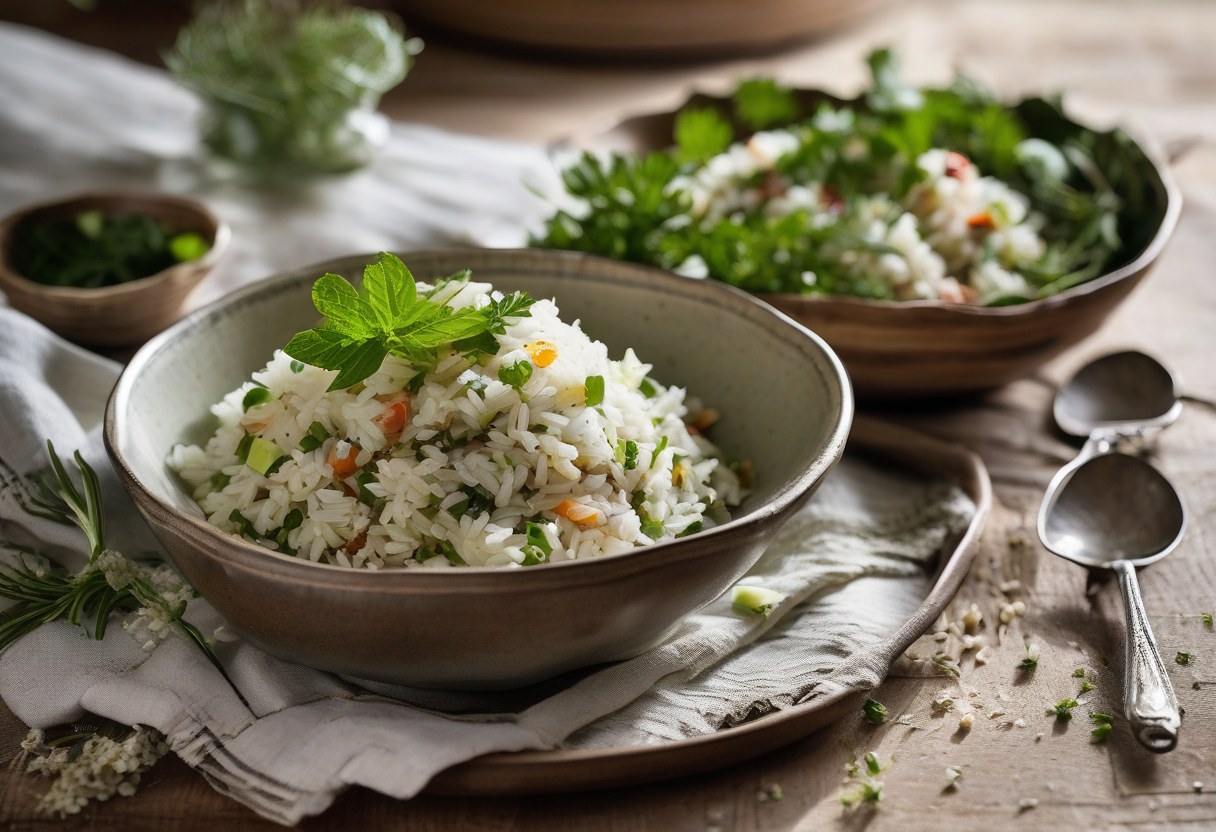
Chop a variety of crunchy vegetables, such as cucumber, radishes, and spring onions, and add them to the rice. This adds a necessary textural contrast to the soft grains. Add a generous amount of chopped fresh herbs, which will wilt slightly but retain their flavor. Dress the salad with a simple vinaigrette made from olive oil, vinegar, and a pinch of salt. Toss everything together gently to combine. This salad can be prepared up to a day in advance, but it is best if the dressing is added just before serving to maintain the crunch of the vegetables. It stores well in the fridge and travels well, making it a practical choice for events where refrigeration might be limited for a few hours. Cleanup is straightforward, as the mixing bowl can be washed immediately after tossing, leaving you with minimal dishwashing duties.
Summer Coconut Rice
For a tropical twist that can be prepared in advance, coconut rice offers a fragrant and creamy side dish. The use of coconut milk instead of water or stock gives the rice a distinct flavor and a slightly softer texture. This dish is particularly good for batch cooking, as it keeps well in the fridge and can be reheated without losing its character. Start by heating a can of coconut milk with a little water in a saucepan. Add a pinch of salt and a bay leaf for extra depth. Bring the liquid to a simmer, then add your rice, which should be rinsed well to remove excess starch. The scent of coconut fills the kitchen quickly, signaling that the flavor infusion is underway.
Stir the rice to ensure it is submerged in the liquid, then reduce the heat to low and cover the pan. Cook for about fifteen minutes, or until the liquid is absorbed and the rice is tender. Remove from heat and let it sit for five minutes before fluffing with a fork. This rice can be stored in the fridge for up to four days. When reheating, add a small splash of water or coconut milk to the pan and steam it gently, as the rice may dry out slightly in the fridge. It pairs well with curries, grilled fish, or stir-fries, adding a creamy element that complements spicy or savory main courses. The cost-effectiveness of using canned coconut milk makes this a budget-friendly option for family meals, offering restaurant-quality flavor for a fraction of the price.
FAQ
How should I store leftover rice from this recipe?
Leftover rice should be cooled rapidly after cooking to prevent bacterial growth. Spread it out on a baking sheet and place it in the fridge or freezer for ten minutes before transferring it to a sealed container. It can be stored in the fridge for up to three to four days. If you plan to store it longer, freeze it in portion-sized bags or containers. Label the containers with the date to keep track of freshness. When storing mixed dishes like rice salads or pilafs, ensure the ingredients are cooled completely before sealing to avoid condensation, which can make the rice soggy and affect the texture.
What’s the best way to reheat my batched rice dishes?
The best way to reheat rice is by steaming it. Place the rice in a microwave-safe bowl, add a splash of water, and cover with a damp paper towel or a lid. Microwave on high for one to two minutes, stirring halfway through to ensure even heating. For larger batches, a saucepan on the stovetop is more effective. Add a small amount of water or stock to the pan, bring to a simmer, and stir until the rice is hot throughout. Avoid reheating rice in the oven, as it can dry out quickly. If you are reheating a dish like risotto, add a little more liquid to restore the creamy texture and prevent it from becoming gluey.
Can I use different types of containers for storing these rice recipes?
Yes, you can use various containers, but glass and BPA-free plastic are recommended. Glass containers are durable and do not retain odors, making them ideal for storing rice with strong flavors like coconut or curry. They are also microwave-safe, which is convenient for reheating. Plastic containers are lighter and less likely to break, which is useful for freezing. Ensure that all containers have tight-fitting lids to prevent the rice from drying out or absorbing other flavors from the fridge. Silicone bags are also a good option for freezing individual portions, as they take up less space and can be laid flat to save room.
Are there any good substitutes if a particular ingredient isn’t available seasonally or locally?
Yes, flexibility is key in cooking. If fresh spring vegetables are out of season, you can use frozen peas, asparagus, or corn, which retain their flavor and texture well. For herbs, dried versions can be used, but use one-third of the amount specified for fresh herbs. For coconut rice, if coconut milk is unavailable, you can use a combination of milk and a little cornstarch to mimic the creaminess, though the flavor will be less distinct. For risotto, if arborio rice is not available, use any short-grain white rice, but expect a slightly less creamy result. Always taste and adjust seasoning as you go to compensate for any flavor differences in substitute ingredients.


