6 Season Soup: The Ultimate Year-Round Roundup

Download the free printable PDF
There is something inherently comforting about a bowl of hot soup, yet the concept of seasonal eating often confuses home cooks who wonder which dishes fit which months. This roundup simplifies the process by offering six distinct soup recipes that span the calendar, ensuring you always have a warm or chilled option ready regardless of the weather outside. From the crisp chill of autumn to the blazing heat of summer, these six selections provide variety without the stress of constant menu planning.
Each recipe in this collection is chosen for its practicality, flavor profile, and storage capabilities. Whether you are looking to batch-cook for the week ahead or need a quick, no-fuss meal on a busy Tuesday, these soups deliver consistent results. The following sections detail the preparation and storage tips for each dish, helping you build a reliable rotation that keeps your kitchen stocked and your meals exciting.
Creamy Butternut Squash Soup
Butternut squash is a staple of the autumn harvest, offering a naturally sweet and nutty flavor that requires minimal seasoning to shine. This creamy version is perfect for large batches, as the texture holds up exceptionally well when reheated days later. The richness comes from the squash itself, blended with a splash of cream or heavy cream to achieve a velvety consistency that feels indulgent without being heavy.
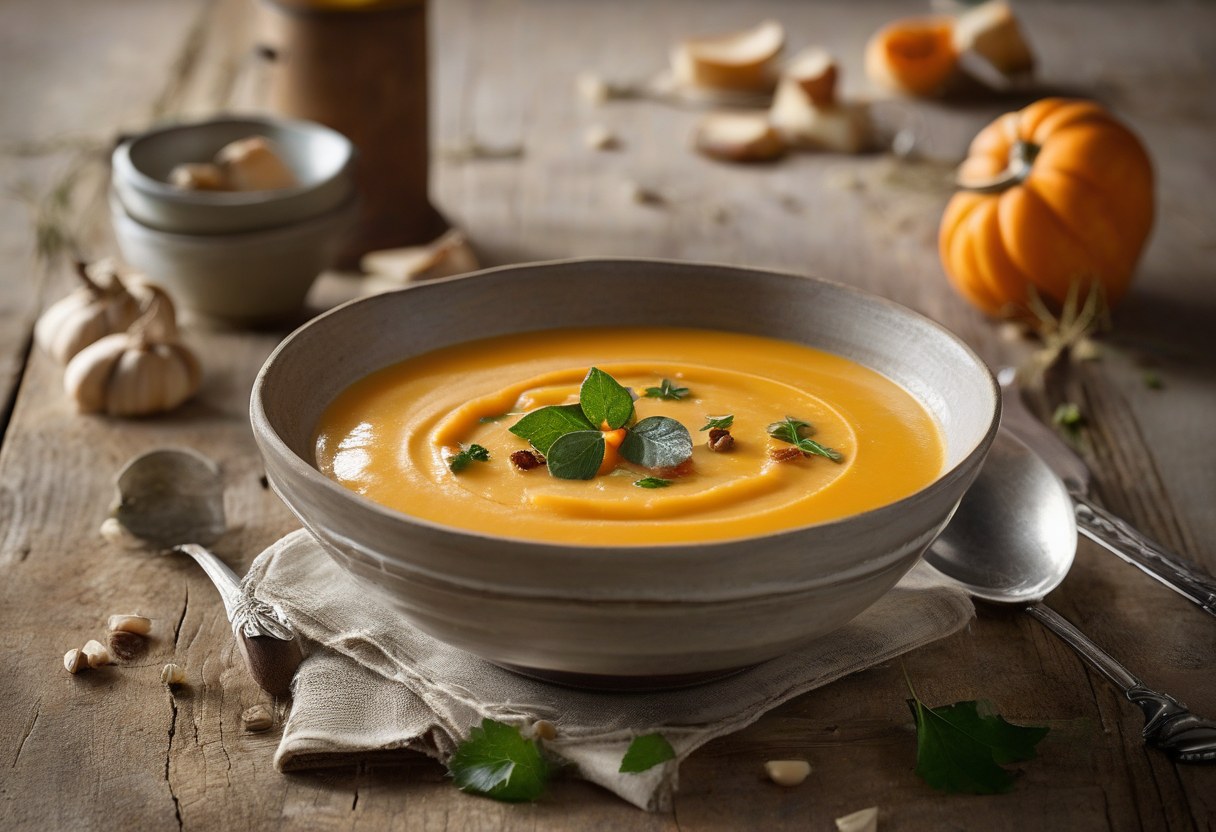
To prepare this soup, start by roasting the halved squash with a little olive oil, salt, and pepper until the flesh is tender and caramelized at the edges. This roasting step is crucial for developing depth of flavor that boiling cannot replicate. Once soft, scoop the flesh into a pot with onion, garlic, and stock, then simmer for ten minutes before blending until completely smooth. The result is a vibrant orange soup that looks as appealing as it tastes, making it a crowd-pleaser for dinner parties or quiet family nights.
Storage for butternut squash soup is straightforward; it freezes beautifully without separating or becoming grainy. When ready to serve, reheat gently on the stovetop, adding a splash of stock or water if the texture has thickened too much during the freezing process. Garnish with a drizzle of olive oil and some toasted seeds for a textural contrast that elevates the simple ingredients into something special.
Classic Minestrone
Minestrone is the ultimate winter soup, characterized by its hearty mix of beans, pasta, and a medley of vegetables. It is a dish that thrives on leftovers, as the flavors deepen and meld together after sitting in the fridge for a day or two. The versatility of this recipe means you can use whatever vegetables are in season or nearing their use-by date, making it an excellent tool for reducing kitchen waste while creating a substantial meal.
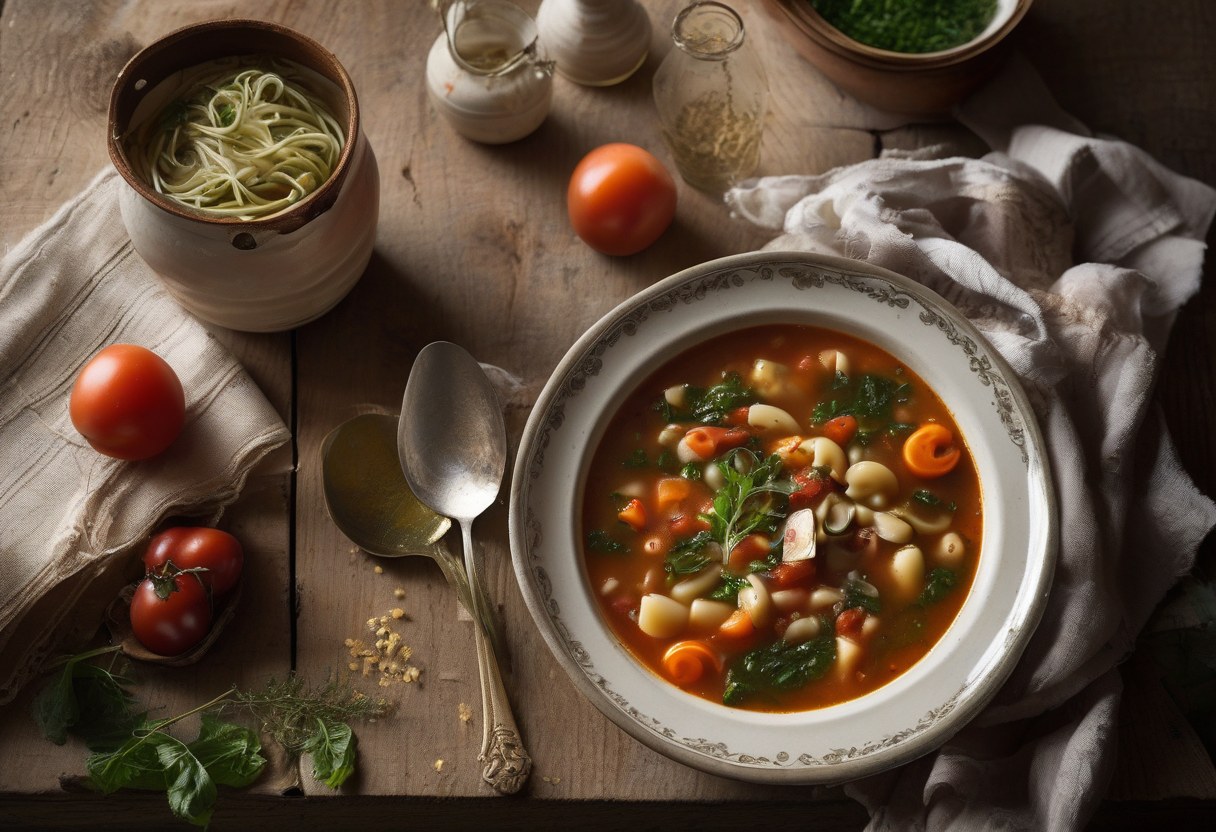
The base of a good minestrone relies on a soffritto of diced onion, carrot, and celery, which forms the aromatic foundation for the dish. Add canned tomatoes, white beans, and small pasta shapes like ditalini or elbow macaroni, which hold their shape well in soups. Cook until the vegetables are tender and the pasta is al dente, then adjust the seasoning with fresh herbs like rosemary or thyme. The balance of acidity from the tomatoes and the earthiness of the beans creates a complex flavor profile that is both satisfying and easy to eat.
When storing minestrone, it is best to add the pasta separately if you plan to freeze it for more than a few days, as the starch can continue to absorb liquid and become mushy. However, if you are consuming the soup within a few days, including the pasta in the batch makes for a complete, one-pot meal. Reheat on the stovetop with a little extra stock to loosen the consistency, and top with a grating of hard cheese for a final touch of richness.
Chilled Gazpacho
As the temperature rises, the desire for hot soups fades, and chilled gazpacho becomes the go-to lunch or starter. This Spanish classic is incredibly budget-friendly, relying on tomatoes, cucumbers, peppers, and garlic that are at their peak during the summer months. The preparation time is minimal, as no cooking is required, making it an ideal dish for hot days when the last thing you want to do is stand over a hot stove.
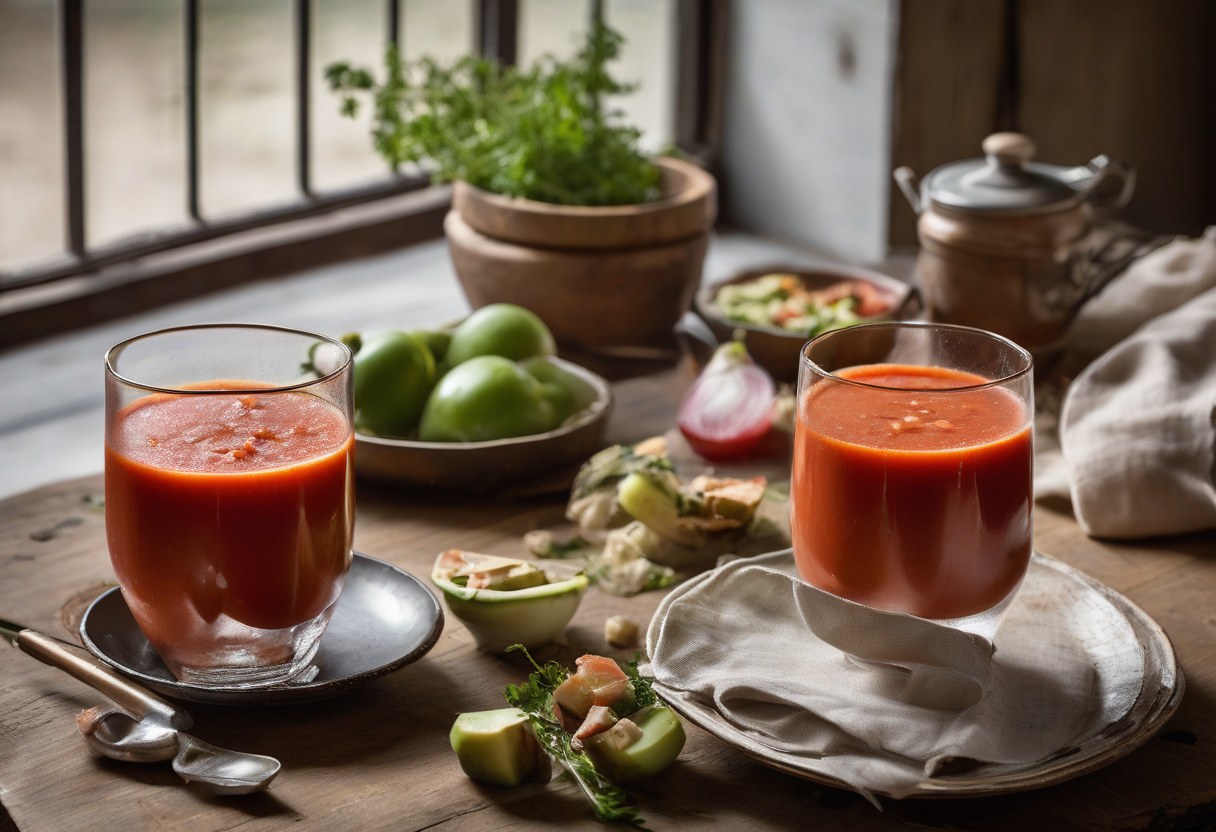
To make gazpacho, simply chop all the vegetables and blend them with olive oil, sherry vinegar, and a splash of water until smooth. The key to a good gazpacho is the balance of acidity and oil, so taste as you go and adjust the vinegar or oil to your preference. Serve it immediately for the freshest taste, or chill it in the refrigerator for an hour to allow the flavors to meld. Garnish with diced cucumber and tomato for a colorful presentation that looks professional with very little effort.
Gazpacho does not store well for long periods, as the texture can break down and the flavors can become too acidic over time. It is best made fresh or kept in the fridge for no more than 24 hours. If you have leftovers, they can be used as a dressing for salads or a base for a seafood cocktail. The simplicity of this dish lies in its ingredients, so ensure your tomatoes are ripe and sweet to avoid a bland or overly sour result.
Tomato Basil Soup
Tomato basil soup is a timeless favorite that requires very few ingredients and a short cooking time, making it perfect for busy weeknights. The combination of sweet tomatoes and aromatic basil is universally appealing, and the soup can be made in under thirty minutes from start to finish. It is a dish that relies on quality ingredients rather than complex techniques, so using fresh, ripe tomatoes and a good bunch of basil makes a significant difference in the final flavor.
Begin by sautéing garlic in olive oil, then adding chopped tomatoes and a splash of white wine to deglaze the pan. Let the mixture simmer for ten minutes to concentrate the flavors, then add stock and bring to a boil. Blend the soup until smooth, then stir in fresh basil leaves just before serving to preserve their bright, peppery aroma. The simplicity of this recipe means it is hard to mess up, and it pairs well with grilled cheese sandwiches or crusty bread for a complete meal.
This soup freezes well, but the basil is best added fresh after reheating to maintain its vibrant color and flavor. Store the plain tomato base in the freezer and add a handful of fresh basil when you reheat it on the stovetop. The result is a bright, tangy soup that feels like a hug in a bowl, perfect for transitioning seasons when the weather is unpredictable.
Chicken Noodle Soup
Chicken noodle soup is the quintessential comfort food, offering a hearty and savory broth that is easy to prepare and even easier to store. It is ideal for freezing in individual portions, making it a go-to option for quick lunches or dinners when you are short on time. The broth can be made from scratch using chicken bones and vegetables, or a store-bought stock can be used for a faster version that still delivers great flavor.
To make this soup, poach a whole chicken or use bone-in thighs in a pot of water with onion, carrot, and celery. Once the meat is cooked, remove it, shred it, and return it to the pot with the broth. Add egg noodles and cook until tender, then season with salt, pepper, and a bay leaf for depth. The resulting broth is clear and flavorful, with tender pieces of chicken and vegetables that provide substance without being heavy.
Freezing chicken noodle soup is one of the easiest tasks in the kitchen, as the ingredients hold up well to the freezing and thawing process. Portion the soup into individual containers, leaving some headspace for expansion, and label them with the date. When ready to eat, simply microwave the portion or reheat on the stovetop. The convenience of having this soup ready in the freezer makes it an invaluable addition to any home cook’s rotation, especially during busy periods.
Spicy Thai Coconut Curry Soup
For those who prefer a zesty and aromatic profile, a Thai-style coconut curry soup offers a vibrant alternative to traditional Western soups. This dish is great for year-round consumption, as the heat of the chili and the richness of the coconut can warm you up in winter or provide a refreshing kick in summer. It is easily customizable, allowing you to adjust the level of spice and the type of vegetables used to suit your preferences.
Start by frying curry paste with garlic and ginger in a little oil to release the aromatics. Add coconut milk and a stock of your choice, then simmer to combine the flavors. Add your choice of vegetables, such as spinach, bell peppers, or sweet potato, and cook until tender. Finish with a squeeze of lime juice and fresh coriander to brighten the dish. The balance of sweet, sour, salty, and spicy creates a complex flavor profile that is addictive and satisfying.
This soup stores well in the fridge for up to three days, with the flavors improving as they meld. It can also be frozen, though the coconut milk may separate slightly upon reheating, so stir well to re-emulsify. The versatility of this recipe means you can use whatever proteins and vegetables you have on hand, making it a flexible option for meal planning. The bright, bold flavors make it a standout choice for anyone looking to add variety to their soup rotation.
FAQ
How long will these soups keep?
Most soups can be stored in the refrigerator for 3-5 days and up to 2 months frozen. It is important to cool the soup down quickly before refrigerating or freezing to ensure it stays safe to eat. Labeling containers with the date helps you keep track of freshness and prevents waste.
What’s the best way to reheat soup without losing flavor?
Reheat on low heat or microwave using a covered dish, stirring occasionally to avoid scorching. High heat can cause the ingredients to stick to the bottom of the pot or bowl, leading to a burnt taste. Gentle, even heating preserves the texture and flavor of the ingredients, ensuring the soup tastes as good as when it was first made.
Can I use different types of containers for freezing soups?
Glass jars and silicone bags work well; ensure they’re freezer-safe and leave headspace for expansion. Glass jars are great for portion control, but you must leave at least an inch of space at the top to prevent the glass from cracking as the liquid expands. Silicone bags are flexible and save space, making them ideal for larger batches that you can flatten in the freezer.
What are some good substitutions if I don’t have an ingredient on hand?
Swap out vegetables like carrots or celery with zucchini or bell peppers, adjust seasonings accordingly. Most soups are flexible enough to accommodate substitutions, but keep in mind that different vegetables have different cooking times and moisture contents. If swapping a watery vegetable like zucchini for a denser one like potato, you may need to adjust the cooking time to ensure everything is tender.


