7 Easy Meal Prep Recipes for Busy Weeknights

Download the free printable PDF
Meal prepping is the ultimate hack for anyone juggling a busy schedule, turning chaotic weeknights into moments of culinary enjoyment rather than stress. By dedicating a few hours on the weekend to cooking in bulk, you can ensure that delicious, home-cooked meals are always within reach, saving both time and money. This guide walks you through seven practical recipes designed for convenience, flavour, and ease of storage.
Slow-Cooker Beef Stew
One of the most reliable staples for any meal prep rotation is the slow-cooker beef stew. This hearty dish requires minimal active effort, as it cooks all day while you are away at work or running errands. The long, slow cooking process breaks down tough cuts of beef, resulting in meat that is incredibly tender and falls apart with a fork. By the time you return home, the kitchen is filled with the rich aroma of braised beef, carrots, and potatoes, ready to be portioned out immediately.
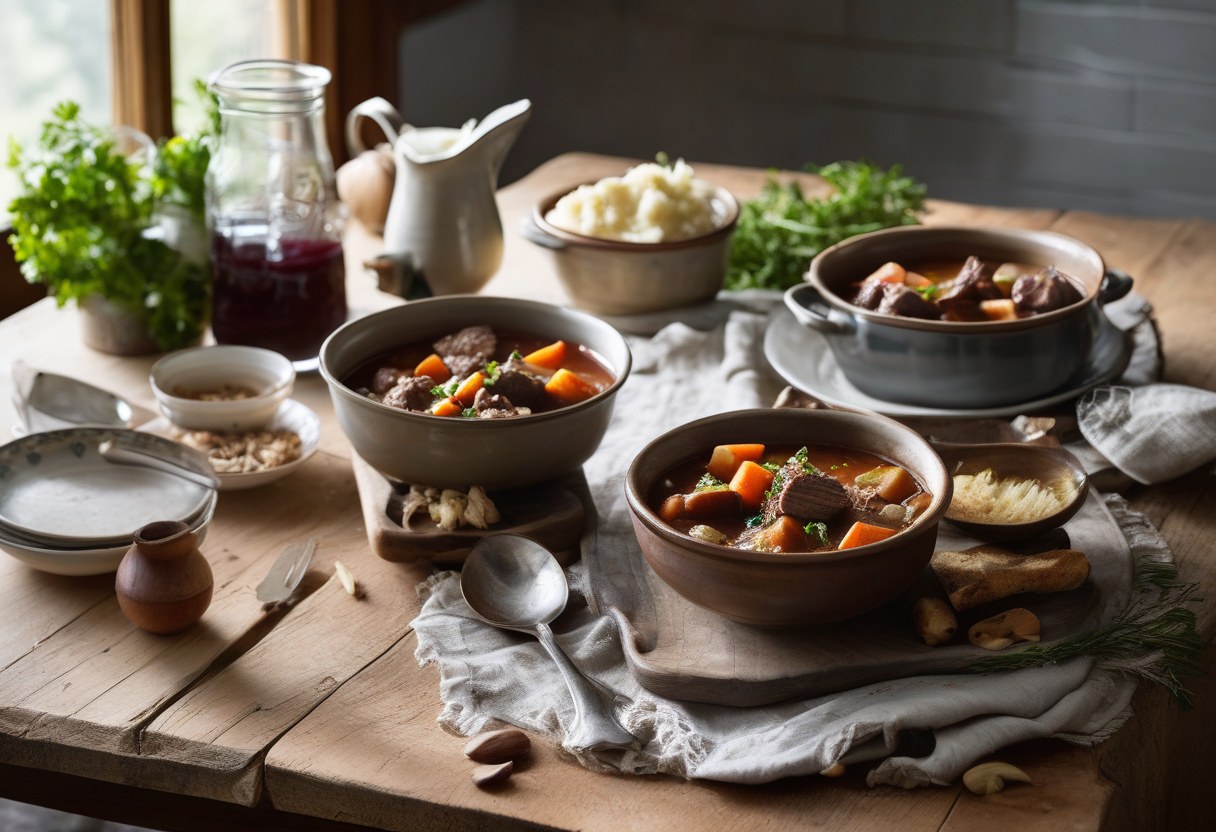
To begin, brown the beef chunks in a heavy-bottomed pan to develop a deep, savoury crust, which is crucial for flavour. Transfer the meat to your slow cooker along with chopped onions, celery, and carrots. Add beef stock, a splash of red wine, and a bay leaf, then set the device to low for eight to ten hours. The beauty of this method is that it requires almost no attention, making it perfect for days when you have zero time to cook. Once done, the stew can be served immediately or divided into individual containers for freezing.
Freezing this stew is exceptionally easy because the liquid content helps preserve the texture during the thawing process. You can store the stew in flat, freezer-safe bags to save space, or use rigid containers for easier portion control. When you are ready to eat, simply place a frozen portion in the microwave and let it defrost on a low setting before heating through. The flavour actually deepens after a day or two in the fridge, making it a superior choice for mid-week consumption.
Chicken and Quinoa Bowls
Chicken and quinoa bowls offer a versatile base that can be mixed and matched with various toppings to keep meals interesting throughout the week. These bowls are quick to assemble and reheat, providing a satisfying texture contrast between the tender chicken and the fluffy grains. A standard serving provides roughly 480 calories and 36g of protein, which makes portion planning straightforward for those tracking their intake. The key to success here is cooking the quinoa and chicken in large batches on Sunday, then storing them separately to prevent sogginess.
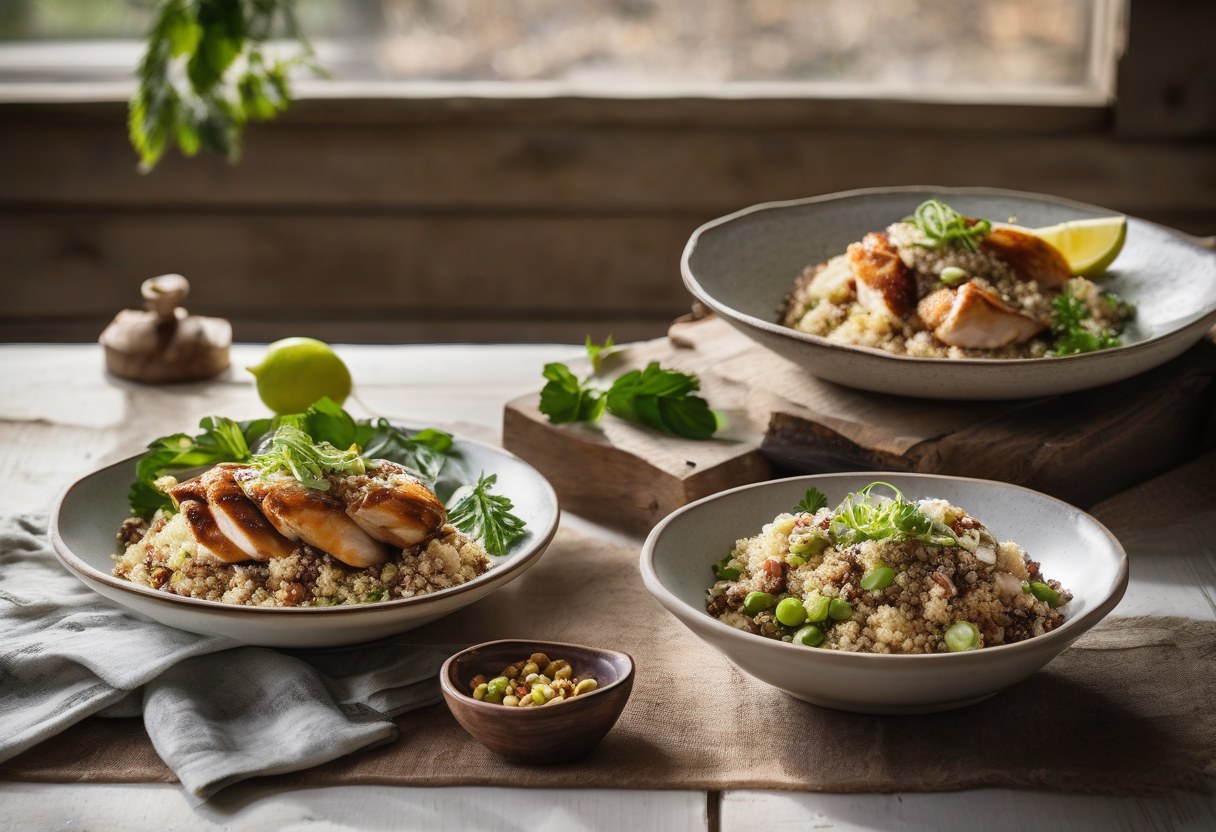
Start by cooking the quinoa according to package instructions, ensuring it is fluffier by letting it steam for five minutes after cooking. Simultaneously, season chicken breasts with paprika, cumin, and garlic powder, then pan-fry them until golden brown and cooked through. Slice the chicken into strips and store it in a separate container from the quinoa. You can also prep a simple dressing on the side, such as a lemon-herb vinaigrette, which adds freshness without making the grains wet. This separation technique is vital for maintaining the quality of the meal over several days.
When it is time to eat, combine the desired amount of quinoa and chicken in a bowl and add fresh vegetables like cherry tomatoes, cucumber, or shredded lettuce. These fresh elements should be added only at the point of serving to ensure they remain crisp and vibrant. Reheating the chicken and quinoa in the microwave for two minutes is sufficient, and the quick assembly time means you can have a complete meal on the table in under five minutes. This method eliminates decision fatigue and ensures you always have a ready-to-go option.
Vegetarian Lasagna Roll-Ups
Vegetarian lasagna roll-ups are a budget-friendly alternative to traditional layered pasta dishes, offering a fun and interactive way to enjoy comfort food. These rolls freeze exceptionally well, lasting up to a month in the freezer without losing their structural integrity or flavour. They are ideal for mid-week meals when time is tight, as they require only a short baking time to bring them to a perfect temperature. The cost-effectiveness comes from using standard pasta sheets and affordable vegetable fillings, making this a smart choice for family dining.
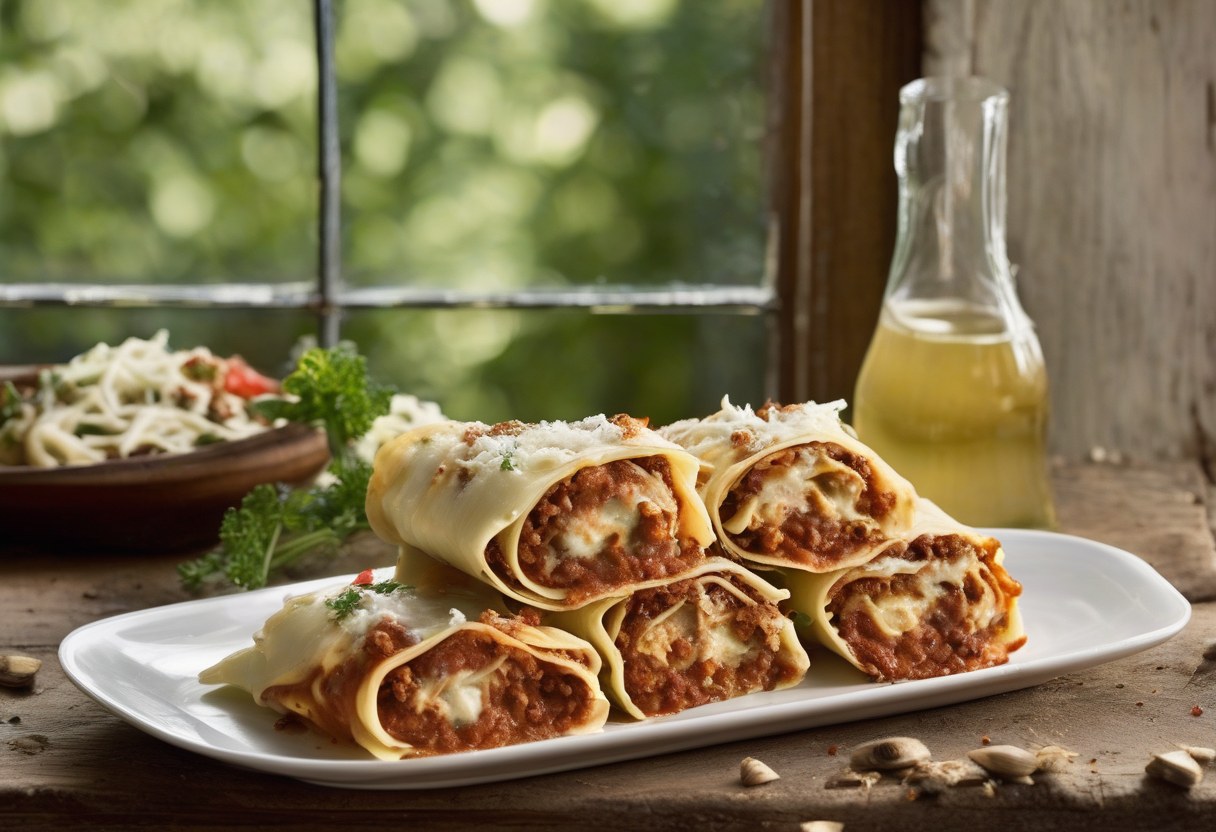
To prepare these, cook lasagna sheets until al dente, then lay them flat on a clean surface. Spread a layer of ricotta cheese mixed with spinach and mushrooms onto each sheet, then roll them up tightly and place them seam-down in a baking dish. Top with a generous amount of tomato sauce and mozzarella cheese. Baking at 180°C for 25 minutes ensures the cheese melts and the edges become slightly crispy. Once cooled, these rolls can be sliced and stored in airtight containers.
Reheating frozen roll-ups is straightforward; simply place them in a preheated oven for 20 to 25 minutes, or use a microwave for a quicker option. The sauce thickens slightly during the freezing and reheating process, which actually enhances the richness of the dish. This recipe is a winner for those who want a substantial, pasta-based meal without the hassle of layering a full lasagna. It is a reliable backup plan that never disappoints, especially when unexpected guests arrive.
Pasta Salad Jars
Pasta salad jars are a clever storage solution that allows you to make large batches and enjoy them all week long without the risk of the pasta becoming mushy. By layering ingredients in mason jars, you keep the dressing separate from the pasta until the moment of eating. This method works well with various protein options, including grilled chicken, canned tuna, or chickpeas, offering flexibility for different dietary preferences. The visual appeal of the layered ingredients makes these meals feel special, even though they are incredibly simple to prepare.
Start by cooking pasta and letting it cool completely to prevent condensation in the jar. Place the cooked pasta at the bottom of the jar, followed by your chosen protein and any hard vegetables like carrots or bell peppers. Add a layer of softer vegetables like cherry tomatoes or corn next. Finally, pour the dressing into a separate small jar or add it on top if you plan to eat the meal within two days. This layering technique ensures that the pasta remains firm and distinct, preserving the texture that makes pasta salad enjoyable.
When you are ready to eat, simply shake the jar vigorously to mix the dressing with the pasta and vegetables. This method is perfect for lunchboxes or quick dinners, as no heating is required. You can customise the flavours by varying the dressing, such as using a balsamic vinaigrette for a tangy kick or a creamy garlic dressing for richness. The versatility of this dish means you can use up leftover vegetables from the fridge, reducing waste and saving money on grocery shopping.
Stovetop Burritos
Stovetop burritos offer a quick assembly line that allows family members to customise their own meals, making them a favourite for households with diverse tastes. This approach reduces the stress of cooking a single dish that pleases everyone, as each person can choose their preferred fillings and toppings. The ingredients are simple and inexpensive, including tortillas, rice, beans, and various toppings like salsa, cheese, and sour cream. This method is fast and flexible, requiring only a few minutes of active cooking time.
Prepare the base ingredients in bulk: cook rice and beans, and warm up any pre-cooked meats or vegetables. Set out a variety of toppings on the table, allowing each person to assemble their own burrito. Wrapping the burritos tightly in foil or parchment paper helps them hold their shape and keeps the fillings warm. This interactive element makes mealtime engaging for children, who often enjoy the process of building their own food. It is a practical solution for busy evenings when you need a meal that is both fast and satisfying.
The flexibility of this meal extends to storage as well, as leftover components can be refrigerated and reheated separately. If you prefer to have everything ready to go, you can assemble the burritos and wrap them tightly, then store them in the fridge for up to three days. Reheating in the microwave for one to two minutes restores the warmth and softness of the tortilla. This method ensures that even on the busiest days, you can enjoy a homemade meal without spending hours in the kitchen.
Sheet Pan Fajitas
Sheet pan fajitas are the epitome of minimal-effort cooking, requiring almost no chopping and even less cleanup. By tossing everything onto a single baking sheet, you create a meal that is fast, flavourful, and incredibly convenient. This method is ideal for those who want to avoid the mess of multiple pots and pans, as the high heat of the oven caramelises the vegetables and sears the meat simultaneously. The result is a dish packed with flavour, with the juices from the vegetables and meat combining to create a rich, savoury base.
Preheat your oven to 200°C and line a large baking sheet with parchment paper for easy cleanup. Toss sliced peppers, onions, and your choice of protein (chicken, beef, or mushrooms) in a bowl with olive oil, cumin, chili powder, and garlic. Spread the mixture evenly on the baking sheet, ensuring the pieces are not too crowded. Bake for 20 to 25 minutes, flipping halfway through, until the vegetables are tender and the meat is cooked through. Serve with warm tortillas and your favourite toppings like guacamole, salsa, and lime wedges.
This dish is perfect for batch cooking, as the components can be stored separately and reassembled later. The cooked vegetables and meat can be refrigerated for up to four days and reheated in the microwave or oven. When reheating, add a splash of water to the pan to prevent the vegetables from drying out. The simplicity of this recipe makes it a go-to option for weeknight dinners, offering a restaurant-quality flavour with a fraction of the effort. It is a reliable way to enjoy a meal that feels special without the time commitment.
Crockpot Chili
Crockpot chili is the ultimate large-batch meal, perfect for feeding a family or freezing for future consumption. This dish is robust and flavourful, with the long cooking time allowing the spices to meld together into a complex, deep taste. It reheats well over several days, making it an ideal choice for those who want to cook once and eat for a week. The cost-effectiveness of using canned beans and ground meat makes this a budget-friendly option that does not compromise on flavour. It is a comforting, hearty meal that is perfect for cooler evenings.
Start by browning ground meat in a pan to remove excess fat, then transfer it to the slow cooker. Add canned beans, diced tomatoes, onion, garlic, and a blend of chili spices, including cumin, oregano, and chili powder. Stir to combine and set the slow cooker to low for six to eight hours. The chili thickens as it cooks, becoming rich and velvety. You can add a can of corn at the end for extra texture and sweetness. This dish is forgiving, as it can handle a wide range of ingredient variations based on what you have in your pantry.
Freezing chili is one of the easiest tasks in meal prepping, as it holds up extremely well in the freezer. Divide the cooled chili into individual portions or large batches, depending on your needs. When ready to eat, thaw the chili in the fridge overnight or reheat it directly from frozen in the slow cooker on low for a few hours. The flavour improves after a day or two, making it a superior choice for mid-week meals. This recipe is a staple for many households, offering a reliable, tasty, and convenient solution for busy lives.
FAQ
How long can I keep leftovers from my meal prep in the fridge/freezer?
Most cooked meals can be kept in the fridge for three to four days if stored in airtight containers. For longer storage, the freezer is ideal, with most dishes lasting up to three months without significant loss of quality. Labeling containers with the date of preparation helps you keep track of freshness and ensures you use older items first.
What’s the best way to reheat meals without losing flavor?
For casseroles and stews, reheating in the oven or on the stovetop helps maintain texture better than the microwave. If using a microwave, add a splash of water or broth to the container and cover it to create steam, which prevents the food from drying out. Reheating in smaller portions also helps ensure even heating and better flavor retention.
Which types of containers are best for storing prepped meals?
Glass containers are a popular choice because they do not retain odors or stains and are microwave-safe. However, they are heavier and can break if dropped. Plastic containers are lightweight and shatterproof, making them good for lunchboxes, but ensure they are BPA-free. Mason jars are excellent for layered salads and pasta, as they allow for easy mixing and storage.
Can you suggest some easy substitutions for common ingredients when making these recipes?
If you are out of a specific ingredient, look for similar alternatives. For example, if you do not have beef stock, chicken or vegetable stock can be used in stews. In fajitas, you can swap chicken for tofu or extra vegetables for a meatless option. Flexibility in ingredients is key to successful meal prepping, allowing you to use what you have on hand.


