7 Easy Meal Prep Staples for Busy Families

Download the free printable PDF
Meal preparation is often misunderstood as a time-consuming chore, but when approached with the right strategies, it becomes a time-saving tool that simplifies the daily routine. The goal is not to cook for an entire week in one sitting, but rather to create versatile components that can be mixed, matched, and reheated with minimal effort. This approach reduces decision fatigue and ensures that a hot, satisfying meal is always within reach, even on the busiest evenings.
By focusing on staples that freeze well and reheat without losing their texture, you can build a repertoire of dishes that suit various tastes and schedules. From slow-cooked proteins to no-cook breakfast options, these seven ideas provide a balanced mix of flavors and convenience. The following guide details practical methods for each dish, emphasizing cost-effectiveness, storage longevity, and ease of assembly.
1. Slow Cooker Chicken Fajitas
This dish is the cornerstone of any busy family’s meal prep rotation because it requires minimal active time. You simply combine chicken breasts, sliced peppers, onions, and a packet of seasoning in the slow cooker before leaving for work or school. The long, slow cooking process breaks down the meat fibers, resulting in a tender texture that holds up exceptionally well when stored and reheated. This method allows you to set the appliance in the morning and have dinner ready by the time you return home, eliminating the hassle of last-minute cooking.
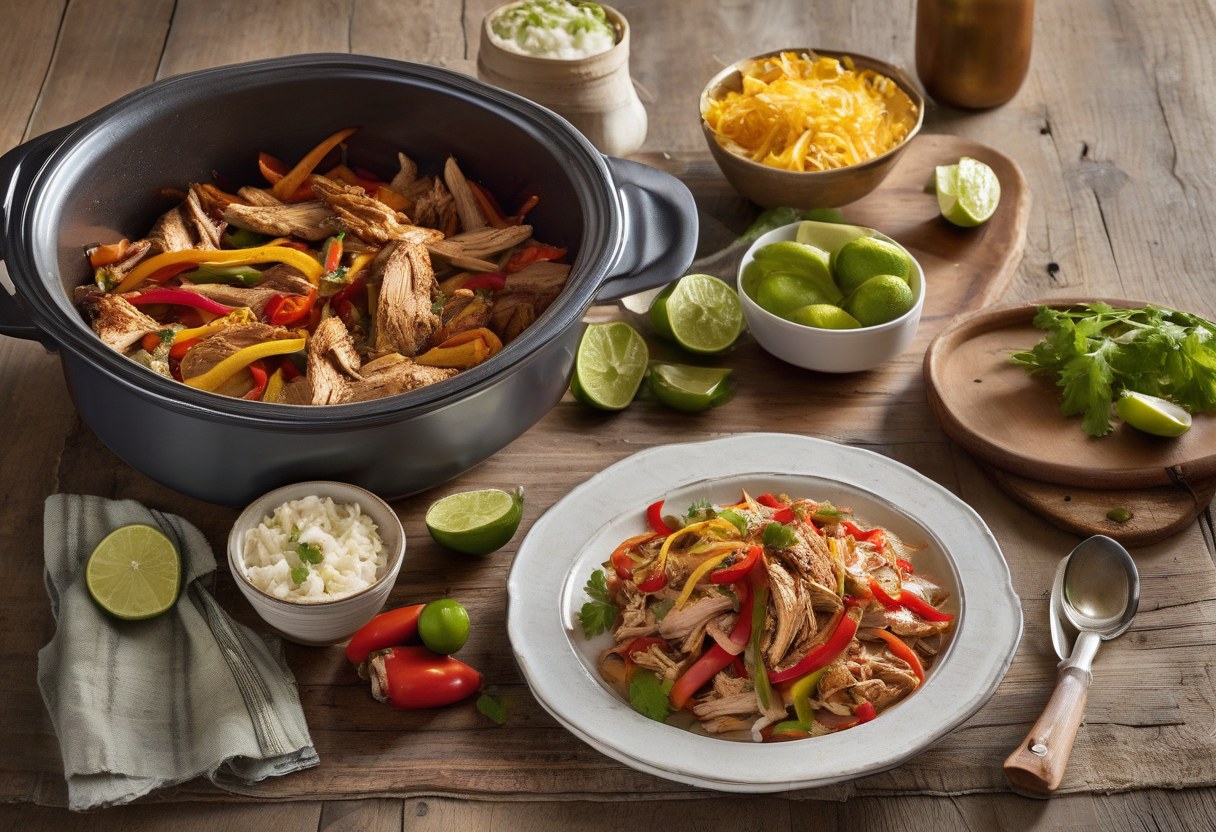
For maximum convenience, prepare the toppings separately in small containers. Sliced avocados, fresh cilantro, lime wedges, and shredded cheese should be kept apart until the moment of serving to maintain their freshness and texture. When you are ready to eat, simply heat the chicken mixture in a skillet or microwave, add your preferred toppings, and wrap everything in warm tortillas. This assembly-line approach takes less than five minutes per person, making it ideal for evenings when time is short. The flavors deepen as the ingredients sit together, meaning the second and third days of storage often taste even better than the first.
Storage is straightforward; the cooked chicken and vegetable mixture can be kept in the refrigerator for up to four days. If you are prepping for a longer period, the mixture freezes well in individual portions. Label each container with the date to keep track of freshness. This dish is particularly forgiving, as the robust spices mask any slight changes in texture that might occur during freezing and thawing, ensuring a consistent quality of flavor every time.
2. Egg Muffins
Egg muffins are a clever way to batch-cook breakfast or snacks in large quantities without the mess of traditional frying. Using a standard muffin tin, you can prepare three dozen portions in a single session. The ingredients are simple and inexpensive: eggs, milk, cheese, and diced vegetables or meats. This high yield makes it a cost-effective option, as the per-serving cost is significantly lower than buying pre-made breakfast items from a shop. The uniform shape ensures even cooking, resulting in a firm yet moist texture that travels well.
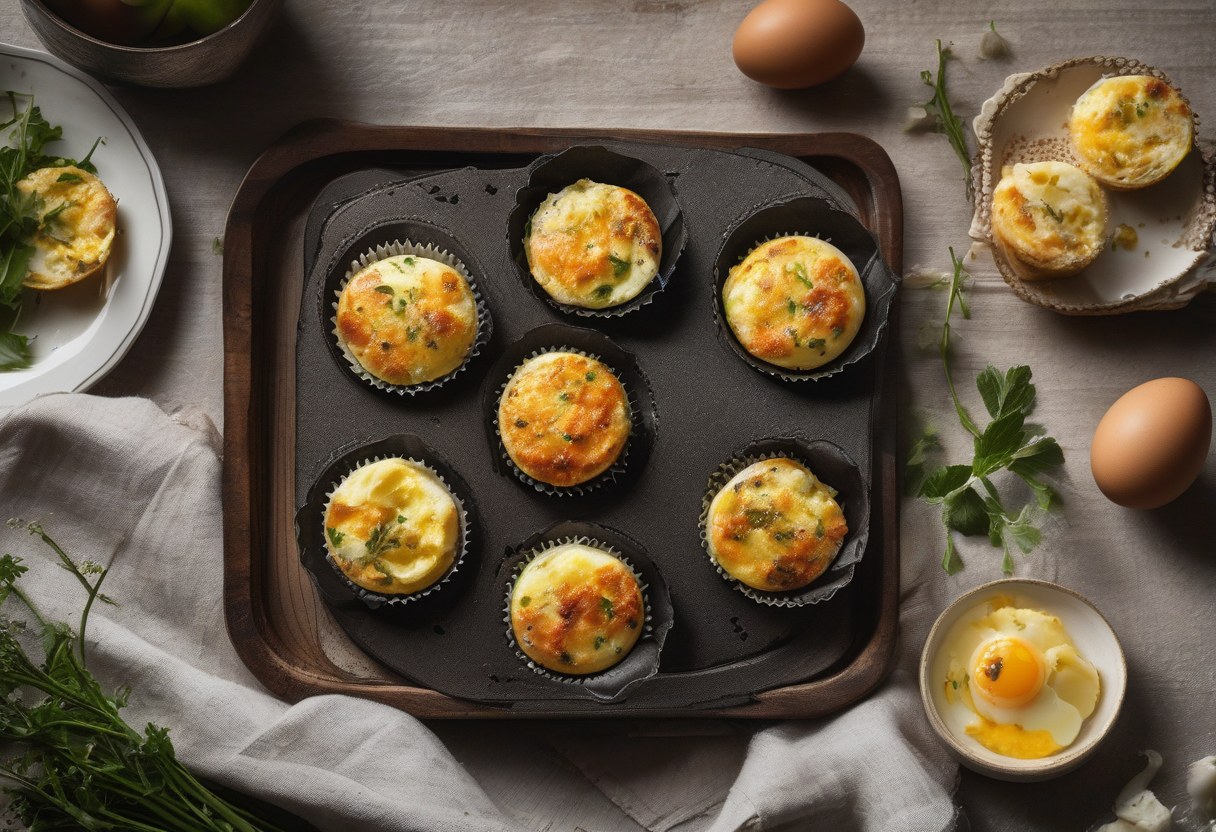
Customization is key to keeping this dish interesting for different family members. You can create different batches with varying toppings, such as spinach and feta for one tin, and ham and cheddar for another. This variety prevents monotony and allows individuals to choose what they prefer without needing separate cooking sessions. The eggs set firmly in the tin, making them easy to pop out and stack in containers. They can be stored in the refrigerator for up to a week, making them a reliable option for quick grabs in the morning or as a snack during the afternoon.
Reheating is quick and efficient; a single egg muffin takes about one minute in the microwave to reach a safe serving temperature. If you prefer a crispier texture, a quick pan-fry in a little oil works well, though this takes a few extra minutes. These portions are small and self-contained, making them easy to pack into school lunchboxes or carry to work without spilling. The simplicity of the ingredients means you can adapt the recipe to accommodate different tastes without changing the fundamental technique, ensuring everyone at the table has an option they enjoy.
3. Vegetarian Lasagna Rolls
Lasagna rolls offer a fun and manageable alternative to traditional layered lasagna, which can be heavy and difficult to portion. By rolling the pasta sheets around a filling of ricotta, spinach, and tomato sauce, you create individual servings that are easy to handle and store. This format is particularly good for freezing, as the layers remain distinct and do not become a mushy mass when thawed. The nutty flavor of the pasta combined with the richness of the cheese creates a satisfying mouthfeel that holds up well through the freezing and reheating process.
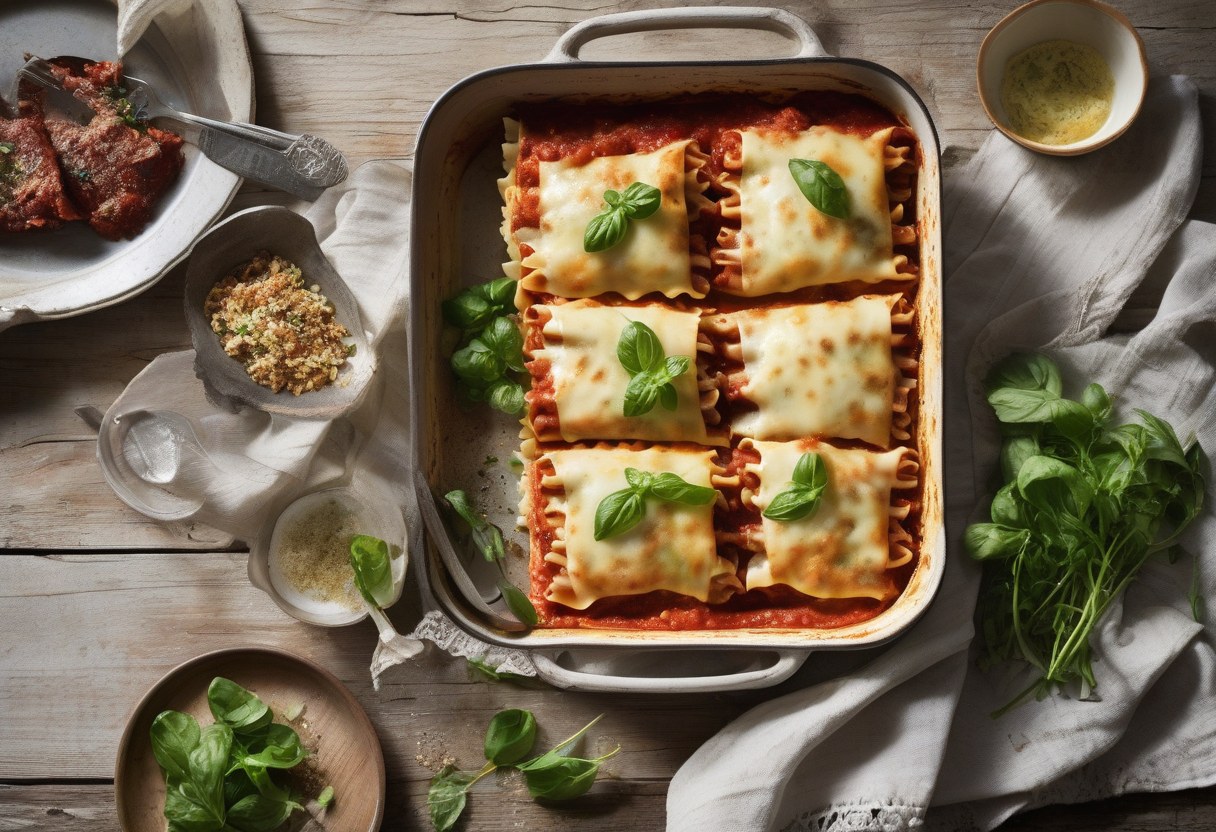
To assemble these, lay out a sheet of pasta and spread a thin layer of sauce, followed by the cheese and vegetable mixture. Roll tightly and place seam-side down in a baking dish. Bake them until golden and bubbly, then allow them to cool completely before wrapping individually in foil or plastic wrap. This individual wrapping is crucial for maintaining the shape and texture when you reheat them later. You can bake as many as you need, and the extra rolls can be frozen for up to three months, providing a ready-made dinner solution for future busy nights.
When ready to eat, you can reheat the rolls directly from the freezer in a preheated oven. Place them on a baking sheet and heat at a moderate temperature for about 20 to 25 minutes, or until the center is hot. This method ensures that the pasta softens and the cheese melts evenly, restoring the dish to a state similar to fresh. The individual portion size makes it easy to manage leftovers and reduces food waste, as you can defrost only what you plan to consume that evening.
4. Baked Salmon Patties
Salmon is a versatile protein that bakes beautifully into patties, offering a convenient way to enjoy high-quality fish without the risk of it falling apart on a grill. Using a 5-pound block of salmon, you can create approximately 20 patties, which is a significant quantity for a family. The cost per serving is reasonable when bought in bulk, and the preparation time is minimal. Simply mix the salmon with breadcrumbs, herbs, and a binding agent, then form into uniform shapes. Baking them on a lined tray ensures they hold their shape and cook evenly.
These patties are excellent for freezing, as the firm texture of the baked fish withstands the freezing process well. Store them in a single layer on a baking sheet before transferring to freezer bags to prevent them from sticking together. This method allows you to grab a few patties at a time without having to thaw the entire batch. When you are ready to cook, you can bake them directly from frozen, adding a few extra minutes to the cooking time. This flexibility makes them a reliable staple for weeknights when you have forgotten to thaw dinner in the refrigerator.
Flavor-wise, the patties can be seasoned in various ways to suit different tastes. A lemon-garlic seasoning works well for a bright, fresh flavor, while a spicy paprika blend adds a kick. They serve well alongside roasted vegetables or over a bed of rice. The portion control is precise, as each patty is a defined amount of food, which helps in planning meals and avoiding waste. The consistency of the product means you can rely on it as a go-to option without worrying about unpredictable results from fresh fish that may vary in quality from market to market.
5. Spicy Beef Stir Fry
A spicy beef stir fry is a quick weeknight meal that relies on the speed of the wok or a large skillet. The key to a good stir fry is having all ingredients prepared in advance. Slice the beef against the grain for tenderness, and cut vegetables into uniform sizes so they cook at the same rate. This preparation step, done in a batch, reduces the active cooking time to under ten minutes. The high heat sears the meat and vegetables, locking in flavor and creating a caramelized texture that is difficult to replicate with slow-cooked methods.
This dish packs well for lunches, as the flavors intensify as the sauce absorbs into the rice or noodles. Use a sturdy container that can handle the heat of the microwave, and separate the sauce slightly if possible to keep the vegetables crisp. However, for dinner, you can serve it over cooked rice or noodles that have been prepped in bulk. The spiciness can be adjusted to suit the household, with milder options for children and spicier versions for adults. The variety of vegetables used, such as bell peppers, broccoli, and snap peas, adds color and texture to the meal.
Storing the stir fry is best done in the refrigerator for up to three days. The sauce may thicken as it cools, so a splash of water or broth can be added when reheating to loosen it up. This dish is forgiving, and the flavors meld together over time, often making the leftovers taste better than the fresh-cooked version. It is a practical choice for those who want a quick, flavorful meal without spending hours in the kitchen. The simplicity of the ingredients makes it easy to substitute based on what is in the fridge, reducing waste and ensuring you always have a meal ready.
6. Overnight Oats
Overnight oats are a no-cook option that requires zero active time in the morning. The process involves combining oats, milk, and a sweetener in a jar or container the night before. The oats absorb the liquid over several hours, resulting in a creamy, porridge-like consistency that is ready to eat straight from the fridge. This method is ideal for busy mornings when there is no time to boil water or heat a pan. The convenience of grabbing a container and walking out the door is unmatched, making it a favorite for those with early starts.
Customization is a major advantage of this dish. You can prepare eight individual cups with different flavors, such as chocolate, berry, or cinnamon. This variety ensures that no one is forced to eat something they dislike. Toppings like nuts, seeds, and fresh fruit can be added at the time of eating to maintain their texture. The base mixture can be made in bulk, with toppings stored separately in small containers. This separation prevents the toppings from becoming soggy and allows for a fresh, crunchy finish to the meal.
Storage is simple, as the mixture keeps well in the refrigerator for up to three days. The oats continue to soften over time, so if you prefer a firmer texture, consume them within the first 24 hours. This dish is portable and mess-free, making it suitable for travel or work lunches. The ability to adjust the sweetness and thickness to personal preference makes it a flexible option for a household with diverse tastes. It is a low-effort solution that provides a consistent breakfast without the need for cooking equipment or supervision.
7. Vegetable and Bean Soup
Soup is the ultimate batch-cooking dish, as it stretches far and can be served in small portions throughout the week. A large pot of vegetable and bean soup can yield two gallons, providing enough for multiple meals. The ingredients are inexpensive and often seasonal, making it a cost-effective way to feed a family. The cooking process is slow and steady, allowing the flavors to meld and deepen. This dish is forgiving, as you can add whatever vegetables are available, reducing the need for specific shopping lists.
The texture of the soup is hearty, with beans providing substance and vegetables adding variety. It can be served as a main course or a side, depending on the portion size. This versatility makes it a flexible option for different meal types. The soup freezes exceptionally well, maintaining its flavor and texture for up to six months. Portion it into individual containers or large freezer bags, labeling them with the date and contents. This ensures you always have a warm meal ready, even in the middle of a busy week.
Reheating soup is quick and easy, as it can be done on the stovetop or in the microwave. If the soup has thickened upon freezing, a small amount of water or broth can be added to adjust the consistency. The flavors often improve after freezing, as the ingredients have had time to fully integrate. This dish is a practical choice for those who want a simple, satisfying meal without the complexity of multiple components. It is a reliable staple that can be adapted to suit different tastes, ensuring a consistent supply of hot food.
FAQ
How long does meal prep take initially compared to daily cooking?
Initially, meal prep may take 2 to 3 hours on a dedicated day, but this time is saved over the week. Daily cooking often involves 30 to 45 minutes of active time per meal, plus planning and shopping. By batching, you reduce the daily time to 5 to 10 minutes of reheating, resulting in a net time saving of several hours per week. The initial investment pays off in less kitchen cleanup and more free time during the week.
What are the best containers for storing meals, both short-term and frozen?
For short-term storage in the refrigerator, glass containers with tight-fitting lids are ideal as they do not retain odors. For freezing, heavy-duty freezer bags or BPA-free plastic containers are best, as they are lightweight and stackable. Ensure containers are airtight to prevent freezer burn and maintain flavor. Labeling each container with the date and contents is crucial for organization.
Can you suggest easy substitutions for common ingredients like chicken or rice?
Chicken can be substituted with turkey, pork, or tofu for similar textures. Rice can be replaced with quinoa, couscous, or lentils for variety. Vegetables can be swapped based on seasonality, such as using zucchini instead of squash. These substitutions allow for flexibility and can accommodate different tastes without changing the fundamental recipe structure.
What is the best way to reheat different types of meals without losing quality?
For meats and casseroles, the oven or a skillet is best to restore texture. For soups and stews, the stovetop is ideal for even heating. For grains and vegetables, the microwave is quick and effective. Avoid overheating, as this can dry out the food. Reheat only the portion you plan to eat to maintain the quality of the remaining stored meals.


