7 Finished Roasted Vegetables: Quick & Crunchy Guide

Download the free printable PDF
Roasting is one of the most versatile techniques in the kitchen, transforming humble ingredients into dishes with deep, complex flavors and satisfying textures. This guide walks you through seven distinct roasted vegetable preparations, each designed for speed, storage efficiency, and bold taste. Whether you are meal prepping for the week or looking for a quick side dish, these recipes offer practical solutions for busy schedules.
Garlic Parm Broccoli
This classic combination delivers a crispy, savory bite that comes together in under twenty minutes. The key to this dish is high heat and minimal crowding on the tray, ensuring the florets caramelize rather than steam. It is an ideal option for busy weeknights when you need a dish that requires little prep but delivers maximum impact on the plate.
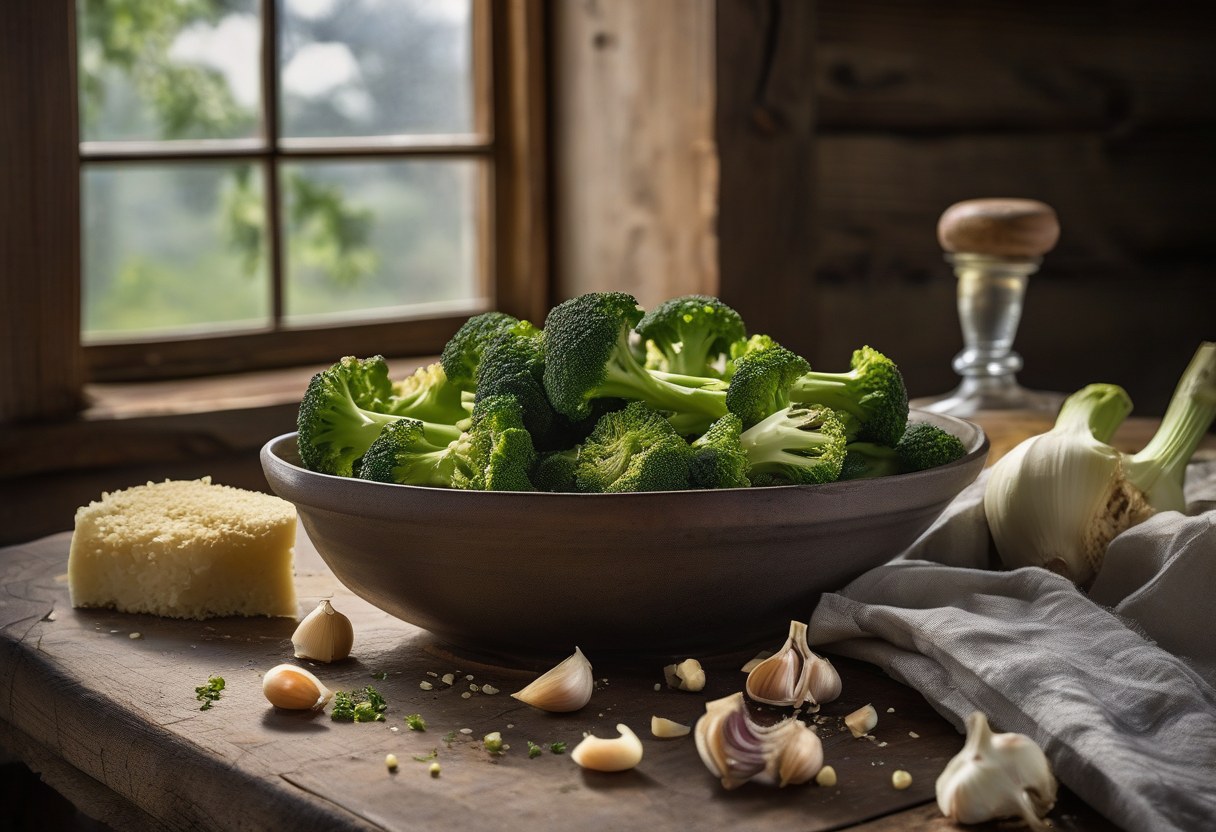
To begin, preheat your oven to 220°C (425°F). Toss raw broccoli florets with a generous amount of olive oil, salt, and pepper. Spread them out on a baking sheet lined with parchment paper, making sure they are in a single layer. Roast for fifteen to twenty minutes, shaking the pan halfway through, until the edges are dark and crisp. The goal is to achieve a char on the tips while keeping the stems tender.
Once out of the oven, the magic happens with the finishing touches. Melt a tablespoon of butter in a small saucepan and add minced garlic, cooking for just thirty seconds until fragrant. Pour this garlic butter over the hot broccoli, then immediately sprinkle with grated parmesan cheese. The residual heat will melt the cheese into a creamy coating that clings to every floret. This dish is best served immediately, but it holds up well if stored in an airtight container for up to two days.
Cumin-Spiced Carrots & Potatoes
Root vegetables are the backbone of long-term meal prep because they withstand storage better than most other produce. By infusing them with warm cumin, you create a flavor profile that remains robust even after being chilled and reheated multiple times. This dish is particularly useful for batch cooking, as the spices deepen in flavor as the vegetables sit in the fridge.
Start by peeling and cutting carrots and potatoes into uniform chunks, roughly two centimeters in size. Uniformity is crucial here; uneven pieces lead to inconsistent cooking, resulting in some pieces being soggy while others are burnt. Toss the cut vegetables with olive oil, ground cumin, smoked paprika, salt, and pepper. The cumin should be the dominant aroma, providing an earthy warmth that complements the starchiness of the potatoes and the sweetness of the carrots.
Roast at 200°C (400°F) for thirty to forty minutes, turning once halfway through. The potatoes should develop a golden crust, while the carrots become tender but still hold their shape. This dish is excellent for storing in glass containers, as it retains its texture better in glass than in plastic. When you are ready to eat, simply microwave a portion for two minutes or reheat in a dry pan on the stove to restore some crispness. It pairs well with any protein or can stand alone as a hearty side.
Smoky Sweet Potato Wedges
Sweet potatoes offer a natural sweetness that contrasts beautifully with smoked paprika. These wedges are a favorite for snacking because they reheat exceptionally well from the freezer without becoming mushy. The thick cut ensures that the center remains soft and moist, while the exterior achieves a desirable crunch. This makes them a reliable option for those who want a quick, tasty snack without the hassle of frying.
Cut sweet potatoes into wedges about two centimeters thick. Toss them with olive oil, smoked paprika, a pinch of chili powder, and a drizzle of honey. The honey helps the spices adhere to the surface and promotes browning. Spread the wedges on a baking tray, ensuring they are not touching. Roast at 220°C (425°F) for twenty-five to thirty minutes, flipping them once. The honey will caramelize, creating a sticky, glossy coating that is difficult to resist.
For storage, let the wedges cool completely before transferring them to a freezer-safe bag. They can be frozen for up to three months. To reheat, place them directly from the freezer into a preheated oven at 200°C (400°F) for ten to fifteen minutes. This method revives the crunch effectively. If you prefer a quicker option, a microwave works for softening, but the texture will be less crisp. These wedges are also great for adding to salads or tacos later in the week.
Citrusy Roasted Bell Peppers & Onions
Bell peppers and onions are affordable and versatile, making them perfect for meal prep. Adding orange zest and thyme introduces a bright, citrusy note that cuts through the sweetness of the roasted peppers. This combination is excellent for storage because the acid in the zest helps preserve the vibrant color and fresh taste of the vegetables over several days. It is a dish that looks as appealing as it tastes, adding a pop of color to any meal.
Chop bell peppers into rings or large chunks and slice onions into wedges. Toss them with olive oil, salt, pepper, fresh thyme, and the zest of one orange. The zest should be grated finely to ensure even distribution. Spread the vegetables on a baking sheet and roast at 200°C (400°F) for twenty-five minutes, stirring occasionally. The peppers will blister and char, while the onions become translucent and sweet. The aroma in the kitchen will be intense and inviting.
These roasted vegetables store beautifully in airtight containers in the refrigerator for up to four days. They can be used as a topping for sandwiches, mixed into pasta, or served as a side. The flavor actually improves after a day or two as the spices meld with the vegetables. If you find the dish too sweet, a squeeze of fresh lemon juice before serving can balance the flavors. This is a cost-effective way to use up seasonal produce while adding variety to your weekly menu.
Balsamic Glazed Brussels Sprouts
Brussels sprouts often have a reputation for being bland or bitter, but a balsamic glaze transforms them into a rich, savory dish. This preparation is simple and requires minimal ingredients, making it accessible for families who want a side dish that packs a lot of flavor without complexity. The glaze creates a sticky, syrupy coating that adheres to the sprouts, ensuring every bite is flavorful. It is a crowd-pleaser that works well for both casual dinners and slightly more formal occasions.
Halve the Brussels sprouts and toss them with olive oil, salt, and pepper. Arrange them cut-side down on a baking sheet. Roast at 200°C (400°F) for twenty minutes, until they are tender and browned. In the last five minutes, drizzle a high-quality balsamic glaze over the sprouts. The heat will slightly melt the glaze, allowing it to penetrate the sprouts. If you do not have a pre-made glaze, you can reduce balsamic vinegar on the stovetop until it thickens to a syrupy consistency.
This dish is best served warm, but it can be stored in the refrigerator for up to three days. Reheat gently in a pan with a splash of water to prevent drying out. The balsamic flavor is strong, so you may not need additional seasoning when reheating. It pairs well with heavier proteins or can be served with a simple grain salad. The visual appeal of the dark glaze against the green sprouts makes it an attractive addition to any table.
Herb-Crusted Cauliflower Steaks
Cauliflower steaks are a visually striking dish that can serve as a main course or a substantial side. By roasting thick slices with fresh herbs and lemon zest, you create a dish that is both elegant and easy to prepare. The thickness of the steaks ensures they hold together during cooking and reheating, making them ideal for meal prep. This dish offers a meatless option that is satisfying and flavorful, without requiring complex techniques.
Trim the core of a cauliflower head and slice it into steaks about one centimeter thick. Brush each steak with olive oil and season with salt, pepper, chopped rosemary, thyme, and lemon zest. Arrange the steaks on a baking sheet, cut-side up. Roast at 200°C (400°F) for twenty-five to thirty minutes, flipping halfway through. The steaks should be tender in the center and browned on the edges. The herbs will crisp up, adding a fragrant crust to the surface.
These steaks store well in the refrigerator for up to two days. To reheat, place them in a pan with a little butter or oil over medium heat, covering the pan to steam them slightly. This method helps retain moisture. They can also be served cold as part of a salad or grain bowl. The lemon zest adds a brightness that prevents the dish from feeling heavy. This is a great way to use a whole cauliflower, reducing waste and providing a substantial portion of food.
Spicy Roasted Chickpeas & Asparagus
This combination offers a mix of textures and flavors, with crunchy chickpeas and tender asparagus. Tossed in chili flakes, it provides a spicy kick that makes it a memorable dish. Chickpeas are an affordable ingredient that adds bulk and substance to the dish, making it a cost-effective option for those looking to add variety to their meals. The asparagus adds a fresh, green note that balances the heat of the chili. This dish is quick to prepare and can be made in advance.
Drain and dry canned chickpeas thoroughly, as excess moisture prevents crisping. Toss them with olive oil, chili flakes, cumin, and salt. Add trimmed asparagus spears and toss again. Spread the mixture on a baking sheet in a single layer. Roast at 200°C (400°F) for twenty to twenty-five minutes, shaking the pan occasionally. The chickpeas will become crispy, while the asparagus will turn tender and slightly charred. The chili flakes will release their heat, creating a spicy aroma.
For best results, eat this dish fresh, as the chickpeas lose their crunch over time. However, they can be stored in an airtight container for up to two days. Reheat in the oven or a dry pan to restore some crispiness. If the chickpeas become too soft, they can be crushed and used as a topping for soups or salads. This dish is a great way to use up asparagus before it wilts. It is a simple, flavorful option that requires minimal effort but delivers a lot of taste.
FAQ
How can I store these roasted vegetables to keep them fresh?
To maintain freshness, allow the roasted vegetables to cool completely before storing them. Use airtight containers to prevent air exposure, which can lead to spoilage and texture degradation. Glass containers are often preferred for long-term storage as they do not retain odors or colors. Most roasted vegetables will keep well in the refrigerator for three to four days. If you plan to store them longer, freezing is a viable option, though texture may change slightly upon reheating.
What's the best way to reheat leftover roasted vegetables?
The best method depends on the desired texture. For crispier results, reheat in a preheated oven or a dry skillet on the stovetop. This method helps restore the caramelized surfaces. For quicker reheating, a microwave is effective, but add a splash of water or cover the container with a damp paper towel to prevent the vegetables from drying out. Avoid reheating at high power for too long, as this can make the vegetables tough and rubbery. Reheat only the portion you plan to consume to avoid repeated heating cycles.
Which containers are best suited for freezing and storing roasted veggies?
Glass jars with tight-fitting lids are excellent for refrigerator storage as they are easy to clean and do not absorb flavors. For freezing, use heavy-duty freezer bags or rigid plastic containers designed for low temperatures. Squeeze out as much air as possible from bags to prevent freezer burn. Label the containers with the date and contents to keep track of freshness. Flat storage in bags can also help with space efficiency in the freezer.
Can you suggest some ingredient substitutions for these recipes?
Yes, many ingredients can be swapped based on availability or preference. For example, if you do not have parmesan, you can use another hard cheese like pecorino or a vegan alternative. Cumin can be replaced with coriander or smoked paprika for a different spice profile. If you do not have fresh herbs, dried versions can be used, but use half the amount as they are more concentrated. Sweet potatoes can be substituted with regular potatoes, though the flavor will be less sweet. Experiment with different spices and glazes to suit your taste.
Photo credits: unknown (CC)


