7 Quick Curry Veggie Bowls for Easy Weeknight Dinners

Download the free printable PDF
Curry roasted vegetable bowls offer a versatile, flavour-packed way to enjoy dinner without spending hours in the kitchen. By combining aromatic spices with hearty vegetables and grains, you can create meals that are as satisfying on a chilly evening as they are refreshing when served cold.
The Classic Curry Roasted Vegetable Bowl
This foundational recipe serves as the perfect starting point for your curry bowl journey. It relies on simple, accessible ingredients like carrots, bell peppers, onions, and chickpeas, which are tossed in coconut oil and a generous amount of curry powder before hitting the oven. The high heat caramelises the natural sugars in the vegetables, creating a depth of flavour that is both sweet and savoury. This method ensures that every bite is coated in spice, making it an incredibly tasty option that requires minimal effort.
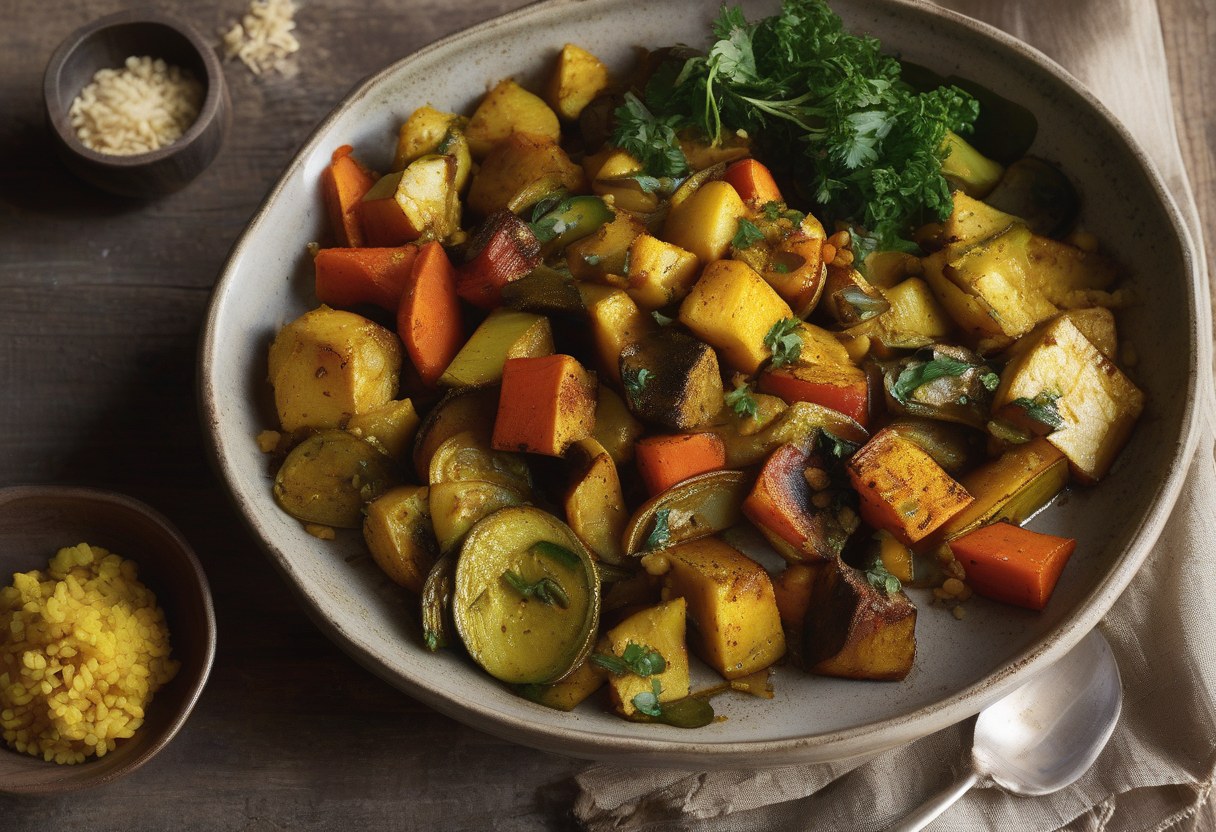
The beauty of this bowl lies in its speed and affordability. You can have everything prepped and in the oven within fifteen minutes, leaving you with plenty of time to relax or handle other household tasks while dinner cooks. The combination of earthy chickpeas and sweet root vegetables provides a satisfying texture contrast that holds up well when stored for later meals. It is a reliable staple that never fails to deliver consistent results.
Once roasted, these components can be served over a bed of fluffy basmati rice or quinoa, depending on your preference. The warm spices from the curry powder infuse into the starches, elevating the entire dish. This bowl is particularly effective for batch cooking, as the flavours often meld and improve after sitting in the fridge overnight, making it an excellent choice for meal prepping.
Curried Cauliflower Rice Bowls
For those looking to reduce their carbohydrate intake without sacrificing taste, curried cauliflower rice bowls are an excellent alternative. This dish features finely riced cauliflower that is roasted until tender and lightly browned, then mixed with vibrant green peas and a rich curry sauce. The addition of toasted cashews provides a necessary crunch that contrasts beautifully with the soft texture of the cauliflower. It is a quick-to-make option that stores exceptionally well in the refrigerator.
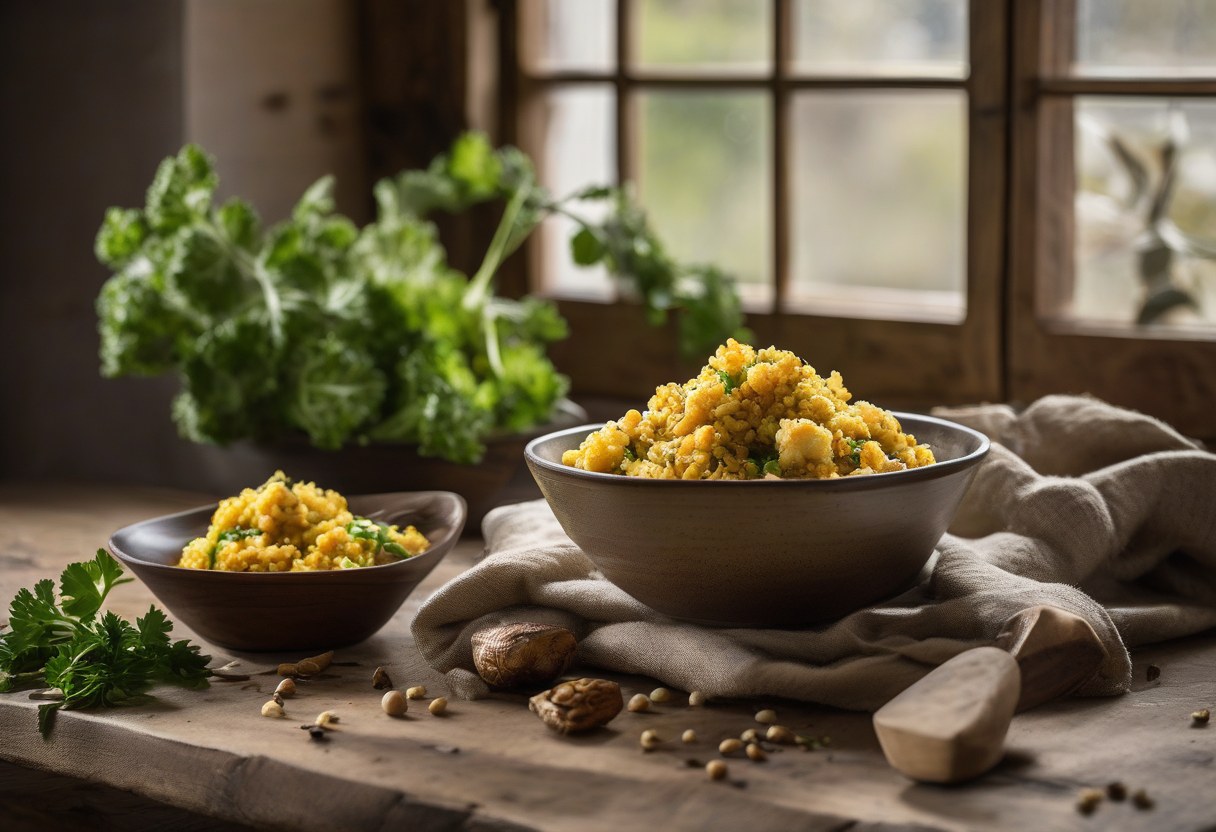
The preparation process is straightforward, involving minimal chopping and simple cooking techniques. You can prepare the cauliflower rice ahead of time and store it separately from the sauce to maintain its texture until you are ready to serve. When reheating, simply warm the cauliflower mixture and stir in the curry sauce just before eating to ensure the flavours remain bright and distinct. This method prevents the dish from becoming soggy, preserving the individual character of each ingredient.
This bowl is particularly useful for busy weeknights when you want a light yet flavourful meal. The aromatic spices used in the curry sauce penetrate the cauliflower rice, ensuring that no bite tastes bland. It is a cost-effective solution that allows you to utilise leftover vegetables and create a complete dish without needing expensive or hard-to-find ingredients.
Spicy Lentil and Vegetable Medley
This hearty medley combines red lentils with potatoes, tomatoes, spinach, and a blend of warming spices to create a robust and filling dish. The red lentils break down during cooking, thickening the sauce naturally and providing a creamy consistency that coats the vegetables. Potatoes add substance and bulk, while the fresh spinach wilts into the mixture, adding colour and texture. This combination results in roughly 480 calories and 18g of protein per serving, making it an ideal choice for those who prefer substantial, comforting meals.
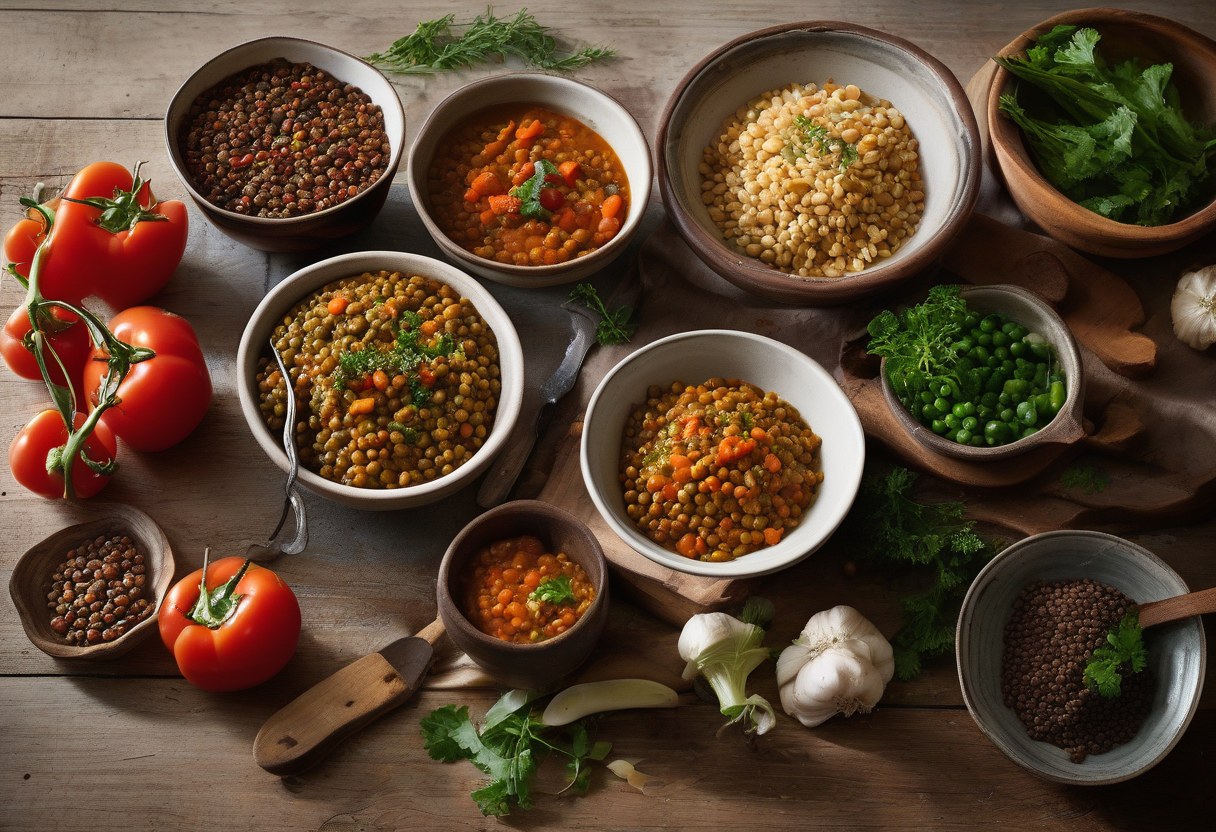
The cooking process involves simmering the ingredients until everything is tender and the flavours have merged into a cohesive whole. The tomatoes provide acidity that balances the richness of the lentils, while the spices add layers of heat and aroma. This medley stores exceptionally well, making it perfect for preparing multiple meals at once. The texture improves as it sits, allowing the spices to fully infuse into the lentils and vegetables.
Serving this medley over a simple grain or on its own makes for a versatile dinner option. It can be eaten hot from the pot or cooled down for a different textural experience. The robust nature of the dish means it does not lose its appeal upon reheating, maintaining its structural integrity and flavour profile throughout the week.
Egg-Free Chickpea Curry Bowl
This egg-free option features roasted chickpeas served with a creamy tomato-based curry sauce. The chickpeas are seasoned with salt, pepper, and curry powder before roasting, which gives them a crispy exterior while keeping the interior soft. The tomato sauce is simmered with coconut milk to create a rich, velvety texture that complements the nutty flavour of the chickpeas. This dish is entirely dairy-free and egg-free, making it suitable for various dietary preferences.
Batch cooking this bowl is effortless, as both the chickpeas and the sauce can be prepared in large quantities and stored separately. When ready to eat, simply reheat the components and serve over quinoa or rice. The separation of wet and dry ingredients ensures that the chickpeas remain crispier for longer, preventing them from becoming mushy during storage. This method maximises convenience without compromising on quality.
The tomato-based sauce provides a tangy counterpoint to the earthiness of the chickpeas, creating a balanced flavour profile that is both comforting and exciting. It is an affordable meal that utilises pantry staples, reducing waste and saving money. The versatility of this bowl allows for easy customisation with additional vegetables or herbs depending on what you have available.
Vegetarian Biryani-Inspired Vegetable Bowl
Inspired by the classic Indian dish, this vegetarian biryani bowl layers basmati rice with roasted vegetables such as zucchini, cauliflower, and bell peppers. The inclusion of peas and coconut milk adds sweetness and creaminess, respectively, creating a rich and aromatic experience. The spices used are typical of biryani, including cumin, coriander, and cardamom, which lend an authentic and complex flavour to the dish. This bowl is designed to be prepped ahead and reheated, making it perfect for busy weeknights.
The layering technique ensures that each spoonful contains a mix of rice, vegetables, and sauce, providing a harmonious blend of textures and tastes. The coconut milk seeps into the rice during storage, enhancing its flavour and moisture content. This method of preparation allows the spices to meld together over time, resulting in a deeper and more integrated taste profile when reheated.
This dish is visually appealing and offers a restaurant-quality experience at home. The vibrant colours of the vegetables contrast beautifully with the white rice, making it an inviting option for family dinners or meal prep. It is a cost-effective way to enjoy exotic flavours without the need for extensive cooking skills or rare ingredients.
Vegan Curry Noodle Stir-Fry
This quick stir-fry features udon noodles tossed with sautéed vegetables like bok choy, carrots, and bell peppers in a mild curry sauce. The high heat of the stir-fry method preserves the crunchiness of the vegetables while coating them evenly in the aromatic sauce. Udon noodles provide a chewy texture that holds up well against the softness of the cooked vegetables. This dish is easy on the budget and reheats exceptionally well, making it a reliable option for lunch or dinner.
The preparation time is minimal, allowing you to have a complete meal ready in under twenty minutes after work. The mild curry sauce ensures that the natural flavours of the vegetables shine through, while still providing a warm and comforting taste. This dish is versatile and can be adjusted with different proteins or vegetables depending on your preference.
Serving this stir-fry hot from the wok ensures the best texture, but it also holds up well in the fridge for leftovers. The noodles absorb the sauce over time, becoming even more flavourful upon reheating. It is a simple yet satisfying meal that requires few ingredients and offers maximum convenience.
Indian-Inspired Chickpea Salad Bowls
Perfect for warmer weather, these chilled chickpea salad bowls require no cooking. They combine chickpeas with fresh cucumber, tomato, red onion, and a tangy tamarind dressing. The acidity of the tamarind cuts through the earthiness of the chickpeas, creating a refreshing and zesty flavour profile. This dish is ideal for summer days when you want something light and easy to prepare.
The freshness of the vegetables is highlighted by the simple preparation method, which involves chopping and tossing rather than cooking. The salad keeps well in the fridge, allowing the flavours to develop over time. It is a convenient option for picnics, potlucks, or quick lunches that do not require heating.
This bowl is versatile and can be served as a side dish or a main course depending on the portion size. The combination of textures, from the crunchy cucumber to the soft chickpeas, provides a satisfying eating experience. It is an affordable and easy-to-make option that utilises seasonal produce for maximum flavour.
FAQ
How long will these bowls keep fresh?
Most of these curry bowls will keep fresh in the refrigerator for up to four days if stored in airtight containers. Ensure that the food has cooled completely before sealing the container to prevent condensation, which can affect texture.
Can I reheat leftovers without losing flavor?
Yes, reheating these bowls is straightforward. For dishes with sauces, such as the lentil medley or chickpea curry, gentle reheating on the stove or in the microwave works best. Adding a splash of water or broth can help restore moisture if the sauce has thickened during storage.
What are some good container types to use for storing?
Glass containers with tight-fitting lids are ideal for storing curry bowls as they do not retain odours and are easy to clean. They also allow you to see the contents clearly, making it easier to identify what needs to be eaten first.
Are there any ingredient substitutions you recommend?
You can easily substitute vegetables based on seasonal availability or personal preference. For example, sweet potatoes can replace carrots in the roasted vegetable bowl, and brown rice can be used instead of basmati in the biryani-inspired dish. These swaps maintain the overall flavour profile while allowing for variety.


