7 Split Pea Soup Recipes for Flavor & Convenience

Download the free printable PDF
Split pea soup is a kitchen staple that delivers deep, savory satisfaction with minimal effort. Whether you are looking to stretch your budget or simply crave a warm bowl on a chilly evening, this versatile dish adapts beautifully to different pantries and tastes. Here we explore seven distinct approaches to making split pea soup, ranging from classic ham-hock versions to quick instant pot meals.
1. Hearty Ham Hock Split Pea
This is the quintessential version of split pea soup found in many traditional kitchens. The combination of dried green split peas and a smoky ham hock creates a broth that is rich, salty, and deeply flavorful without needing excessive seasoning. It is a budget-friendly meal that relies on inexpensive ingredients to produce a result that feels indulgent and comforting.
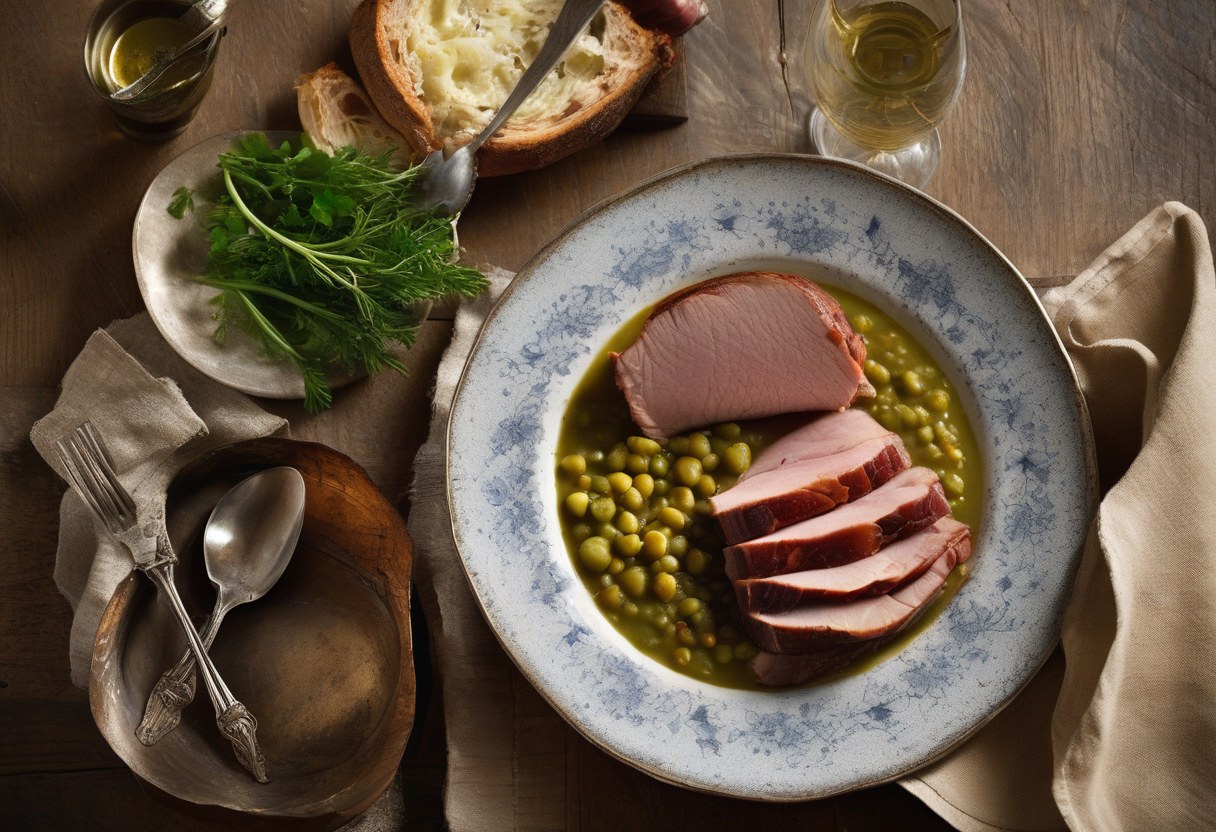
The key to success here lies in the slow simmering process. You begin by rinsing the split peas thoroughly to remove any dust or debris. Place them in a large stockpot along with the ham hock, chopped onions, carrots, and celery. Cover everything with water or broth and bring it to a boil before reducing the heat to a gentle simmer. This method allows the collagen in the ham hock to break down slowly, thickening the soup naturally while infusing every pea with smoky goodness.
As the peas cook, they will soften and begin to disintegrate, which is exactly what you want for that characteristic creamy texture. You can leave some chunks of vegetables intact for contrast or blend a portion of the soup if you prefer a smoother consistency. Once the ham hock is tender enough to fall apart easily with a fork, remove it from the pot. Shred the meat off the bone and return it to the soup, discarding the skin and bone. Adjust the salt carefully, as the ham provides significant seasoning.
2. Smoky Sausage Split Pea
If you enjoy robust flavors but want to avoid the long cooking time associated with a whole ham hock, this version is an excellent alternative. Using smoked sausage adds immediate depth and a punch of spice that elevates the humble split pea. It is a great option for those who prefer a heartier, more intense flavor profile without spending hours tending to a slow-cooking bone.
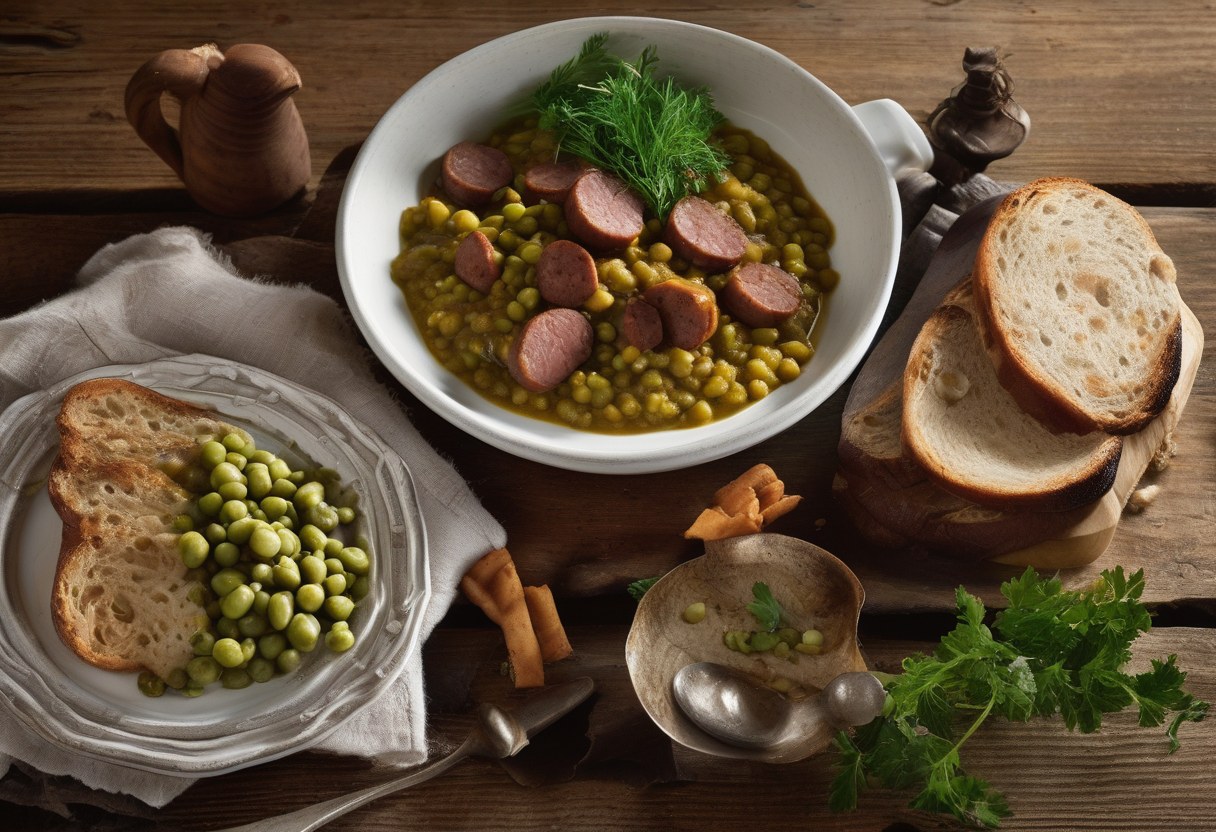
To prepare this dish, start by browning slices or chunks of smoked sausage in a large pot with a little oil. This step renders some fat and creates fond at the bottom of the pan, which adds complexity to the final broth. Remove the sausage and set it aside. In the same pot, sauté diced onions, garlic, carrots, and celery until they are softened and fragrant. Deglaze the pan with a splash of water or broth to lift those flavorful browned bits.
Add your rinsed split peas and enough liquid to cover them by about two inches. Return the browned sausage to the pot and bring the mixture to a boil, then reduce to a simmer. Unlike the ham hock version, this soup comes together much faster because the sausage is already cooked and does not need hours to tenderize. Simmer until the peas are soft and creamy, stirring occasionally to prevent sticking. The result is a thick, smoky stew-like soup that pairs wonderfully with crusty bread.
3. Vegetarian Herb-Vegetable Split Pea
This iteration proves that split pea soup does not require meat to be satisfying. By focusing on fresh herbs and a variety of vegetables, you can create a bowl that is full of texture and bright, earthy flavors. It is ideal for vegetarians and vegans who want a hearty meal that feels substantial rather than light or lacking.
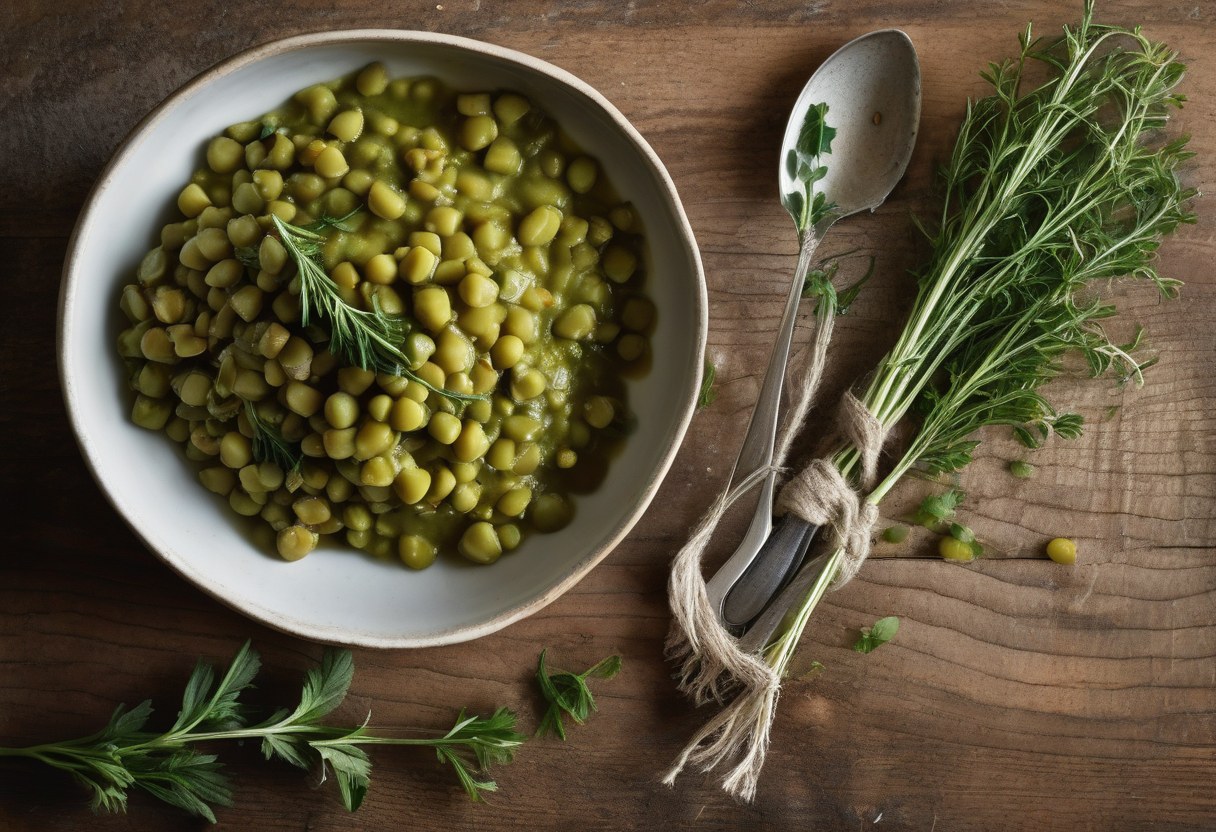
The foundation of this soup is a rich vegetable broth. Use a high-quality stock to ensure the base has enough body to stand up to the peas. Sauté a mirepoix of onions, leeks, carrots, and parsnips until golden. Leeks add a mild sweetness that complements the earthiness of the split peas perfectly. Add minced garlic and fresh thyme sprigs before pouring in the broth and rinsed peas.
As the soup simmers, the herbs release their oils into the liquid, creating a fragrant aroma that fills the kitchen. Fresh parsley added at the very end provides a vibrant color contrast and a fresh finish that cuts through the heaviness of the starch. You can also add diced potatoes or turnips for extra bulk and texture. This version relies on the natural sweetness of root vegetables and the umami of mushrooms, if included, to create depth without any animal products.
4. Creamy Coconut Milk Split Pea
For a unique twist that breaks away from traditional European styles, try incorporating coconut milk into your split pea soup. This ingredient adds a luxurious creaminess and a subtle sweetness that balances the savory notes of the peas and aromatics. It is an easy way to introduce a different flavor profile while maintaining the comforting nature of the dish.
Start by sautéing onions, ginger, and garlic in oil until soft. Ginger adds a warm spiciness that pairs surprisingly well with split peas. Add your rinsed peas and vegetable broth, then bring to a simmer. Cook until the peas are completely tender and beginning to break down. At this stage, stir in a can of full-fat coconut milk. The fat content helps to round out the flavors and gives the soup a silky mouthfeel.
This version stores exceptionally well in the fridge or freezer. The coconut oil may solidify when cold, but it melts back into the soup upon reheating, restoring its creamy texture. You can garnish with fresh cilantro or a squeeze of lime juice to brighten the dish before serving. It is a comforting yet exotic option that surprises guests while remaining simple to execute in your own kitchen.
5. Quick-Batch Instant Pot Split Pea
Time is often the biggest barrier to home cooking, but this recipe solves that problem by using pressure cooking technology. An Instant Pot or similar multi-cooker can reduce the cooking time of dried split peas from hours to minutes. This method is perfect for busy families who need a hot, delicious meal on the table without the wait.
Use the sauté function on your appliance to brown any aromatics or meats you are using. Add the rinsed split peas, broth, and seasonings. Seal the lid and set the pressure cook time to approximately 20-30 minutes, depending on how soft you like the peas. A natural release for ten minutes followed by a quick release helps prevent splattering while saving time.
The result is a soup that retains its fresh flavor profile despite the rapid cooking process. Pressure cooking ensures even heat distribution, which means all the peas cook at the same rate. You can adjust the consistency after opening the lid by simmering on the sauté setting if you prefer a thicker soup. This efficiency makes it easy to whip up a batch on weeknights when dinner plans are last-minute.
6. Freezer-Friendly Batch Cooked Split Pea
Split pea soup is one of the best candidates for batch cooking because its flavor improves with time and it freezes beautifully. This approach is designed for meal prepping, allowing you to cook a large quantity once and enjoy convenient meals throughout the week or month. It eliminates daily cooking effort while ensuring you always have a ready-made option.
When cooking in bulk, use a large stockpot or slow cooker to accommodate the volume. Ensure you have enough liquid, as split peas absorb water significantly during storage and freezing. Cook the soup completely according to your chosen recipe, allowing it to cool down slightly before transferring to containers. Do not pack the containers too tightly, as the soup will expand when frozen.
Label each container with the date and contents for easy organization. Portion-controlled containers make reheating simple; you can thaw individual servings in the fridge overnight or reheat directly from frozen on the stove. The texture holds up remarkably well after freezing, often becoming even creamier as the peas continue to break down slightly during the freeze-thaw cycle.
7. Substitution Savvy Split Pea Soup
Flexibility is one of the greatest strengths of split pea soup. You can swap ingredients based on what you have in your pantry or dietary preferences without compromising the final taste. This section offers practical tips for modifying the classic recipe to suit your immediate needs, ensuring you never waste food or feel stuck by a rigid list.
If you do not have ham hock, smoked turkey legs are an excellent substitute that provide similar smoky notes with less fat. For a non-smoked option, you can use bacon ends or even a piece of seasoned pancetta. If you prefer to avoid pork altogether, beef broth and seared beef tips can add a rich, savory depth. Alternatively, vegetable stock works well for vegetarian versions, especially when boosted with miso paste or soy sauce for umami.
You can also vary the vegetables based on seasonal availability. Kale or spinach can be stirred in at the end for added greens, while sweet potatoes offer a natural sweetness that complements the savory broth. These substitutions allow you to customize each batch to your liking, making split pea soup a versatile canvas for culinary experimentation.
FAQ
How long does split pea soup keep in the fridge?
Stored in an airtight container, split pea soup will last for about four to five days in the refrigerator. The high moisture content and lack of dairy (in most recipes) help it preserve well. Always ensure the soup has cooled completely before sealing the container to maintain freshness.
What’s the best way to reheat split pea soup?
The best method is to reheat it slowly on the stovetop over medium-low heat, stirring occasionally to prevent sticking. You may need to add a splash of water or broth if the soup has thickened too much during storage. Microwave reheating is also effective; simply stir halfway through the heating time to ensure even warmth.
Can I use mason jars to store batch-cooked split pea soup?
Yes, mason jars are excellent for storing split pea soup. They seal tightly to prevent leaks and are durable enough for freezer storage. Just leave about an inch of headspace at the top to allow for expansion if you plan to freeze them. This makes them easy to stack in your freezer or fridge.
Are there good substitutes for ham hock or smoked sausage in split pea soup?
Absolutely. Smoked turkey legs, bacon, pancetta, or even a smoked tofu block can provide the necessary smoky flavor profile. For vegetarian options, liquid smoke combined with vegetable broth and mushrooms can mimic that deep savory taste effectively.


