Broccoli Shells and Cheese V: The Ultimate Guide

Download the free printable PDF
There is something undeniably satisfying about a hot, cheesy pasta dish that comes together in under thirty minutes. This guide focuses on the classic combination of broccoli and shells, exploring various methods to elevate this simple meal from a quick weeknight fix to a crowd-pleasing dinner. Whether you prefer the baked richness of an oven-baked casserole or the speed of a stovetop mix, these variations offer flexibility without compromising on taste.
Classic Cheesy Broccoli Shells
The foundation of this dish is simplicity. You need large shell pasta, fresh broccoli florets, a block of sharp cheddar or mozzarella, and a splash of heavy cream or milk. The key to a rich texture is not just the cheese, but the liquid base that binds everything together. Start by boiling the pasta until it is al dente, reserving a cup of the starchy cooking water before draining. This starchy water is crucial for emulsifying the sauce, preventing it from becoming grainy or separating.
In a large skillet, sauté the broccoli florets in a little butter or oil until they are tender but still have a slight bite. This step ensures the broccoli does not become mushy when combined with the hot pasta. Once the broccoli is ready, add the drained shells back to the pan. Pour in the reserved pasta water, along with the cheese and any seasonings you prefer, such as garlic powder, black pepper, or a pinch of nutmeg. Stir vigorously over low heat, allowing the cheese to melt and coat every shell. The result is a cohesive, creamy mixture that clings to the pasta without being overly wet.
This version is ideal for busy evenings because it requires minimal prep time. The ingredients are likely already in your pantry, making it a cost-effective meal that stretches far. You can adjust the creaminess by adding more or less pasta water, giving you control over the final consistency. It is a reliable staple that tastes homemade and comforting, perfect for serving alongside a simple green salad or crusty bread.
Cheese Lover's Upgrade
If you want to take the flavor profile to the next level without significantly increasing the cost or complexity, consider a multi-cheese blend. Instead of relying solely on cheddar, incorporate a mix of sharp cheddar, creamy mozzarella, and a crumble of feta or parmesan. The sharpness of the cheddar cuts through the richness, while the mozzarella provides the necessary stretch and melt. The feta adds a tangy contrast that prevents the dish from becoming one-dimensional. This combination creates a complex taste experience that feels indulgent but remains accessible.
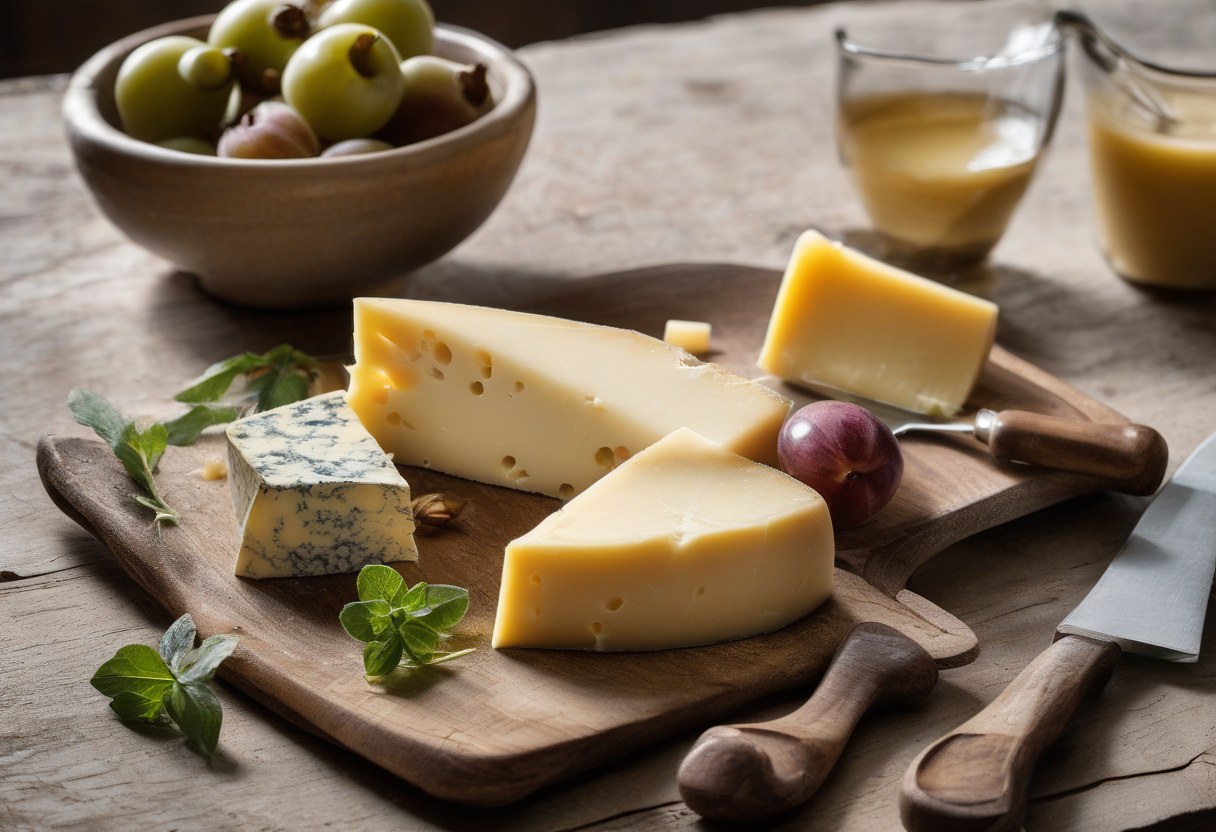
To further enhance the depth of flavor, introduce spices that complement the dairy and broccoli. A teaspoon of smoked paprika adds a subtle smokiness that pairs well with the earthiness of the broccoli. A pinch of cayenne pepper can provide a gentle warmth that wakes up the palate. These additions do not require extra prep time; they are simply stirred in during the sauce-making stage. The goal is to layer flavors so that each bite offers something new, keeping the dish interesting even for those who eat it frequently.
Speedy Spinach Version
For days when you are short on time or lack fresh broccoli, spinach is an excellent substitute. Baby spinach leaves wilt quickly and require no chopping, which cuts down on prep time considerably. You can add the spinach directly to the skillet in the last minute of cooking, allowing it to wilt into the sauce. The result is a vibrant green color and a milder flavor that lets the cheese shine. This version is often preferred by those who find the distinct taste of broccoli too strong for their liking.
Batch Cooking Bliss
One of the greatest advantages of this dish is its suitability for batch cooking. You can prepare a large quantity on a weekend and freeze portions for the week ahead. To do this, cook the pasta and broccoli separately, then combine them with the sauce in a large baking dish. Allow the mixture to cool completely before portioning it out. This cooling step is vital to prevent condensation from forming inside the storage containers, which can lead to soggy pasta upon reheating. Portioning the dish into individual servings makes it easy to grab and go during the week.
Baked vs. Stovetop
The method of preparation significantly impacts the final texture and flavor of the dish. The stovetop method is faster and results in a creamy, saucy consistency. It is ideal for weeknight dinners when time is limited. The sauce coats the pasta evenly, and the heat is distributed quickly. This method requires less equipment and cleanup, as you only need a pot for the pasta and a skillet for the sauce. It is the most efficient way to prepare the dish for immediate consumption.
Cheese-Free Option
For those avoiding dairy, there are excellent vegan alternatives that mimic the taste and texture of traditional cheese. Nutritional yeast is a key ingredient, providing a cheesy, umami flavor. It can be mixed with cashew cream or coconut cream to create a rich, creamy sauce. This combination offers a similar mouthfeel to dairy-based cheese, making it a convincing substitute. The flavor is slightly nuttier, but it blends well with the broccoli and pasta. This option is perfect for anyone following a plant-based diet.
Leftovers Made Easy
Leftover shells can be transformed into a new and exciting meal. One popular method is to turn them into a casserole. Spread the leftover pasta in a baking dish and top it with a tomato-based sauce, additional vegetables, and a layer of breadcrumbs. Bake until the top is crisp and the sauce is bubbling. This method adds a new dimension to the dish, providing a contrast in texture and flavor. It is a great way to use up leftovers while creating a completely different meal.
FAQ
How long can I store these in the fridge/freezer?
In the fridge, the dish lasts for up to four days. In the freezer, it can be stored for up to three months. Ensure it is cooled completely before storing to maintain quality.
What’s the best way to reheat Broccoli Shells without losing texture or flavor?
Reheat in the oven at 180°C for fifteen minutes or in the microwave for two to three minutes, stirring halfway through. Adding a splash of water or milk before reheating helps restore creaminess.
Can I use different types of pasta containers for storing? If so, which ones work best?
Airtight glass or plastic containers are best. Glass is preferred as it does not retain odors or stains. Ensure the container is sealed tightly to prevent freezer burn.
Are there any easy ingredient substitutions if I run out of something at home?
If you run out of broccoli, use spinach or cauliflower. If you lack heavy cream, use milk or a mix of flour and water for a roux-based sauce. These substitutions work well without altering the final taste significantly.


