Bun Cha Sauce Bowl: Quick & Tasty Guide

Download the free printable PDF
Transform your weeknight dinner routine with the vibrant flavors of a Bun Cha sauce bowl. This Vietnamese-inspired dish combines tender proteins, crisp pickled vegetables, and fragrant rice noodles in a quick, satisfying meal that balances sweet, sour, and savory notes perfectly.
Classic Bun Cha Sauce
The heart of any successful Bun Cha bowl lies in its dipping sauce, known as nuoc cham. This liquid gold is not merely a condiment; it is the binding element that ties the disparate components of the dish together into a cohesive flavor profile. Unlike thick, heavy sauces found in other cuisines, this dressing is light, translucent, and intensely aromatic. It provides an immediate burst of acidity that cuts through the richness of grilled meats and fried elements, ensuring every bite remains bright and refreshing rather than heavy or cloying.
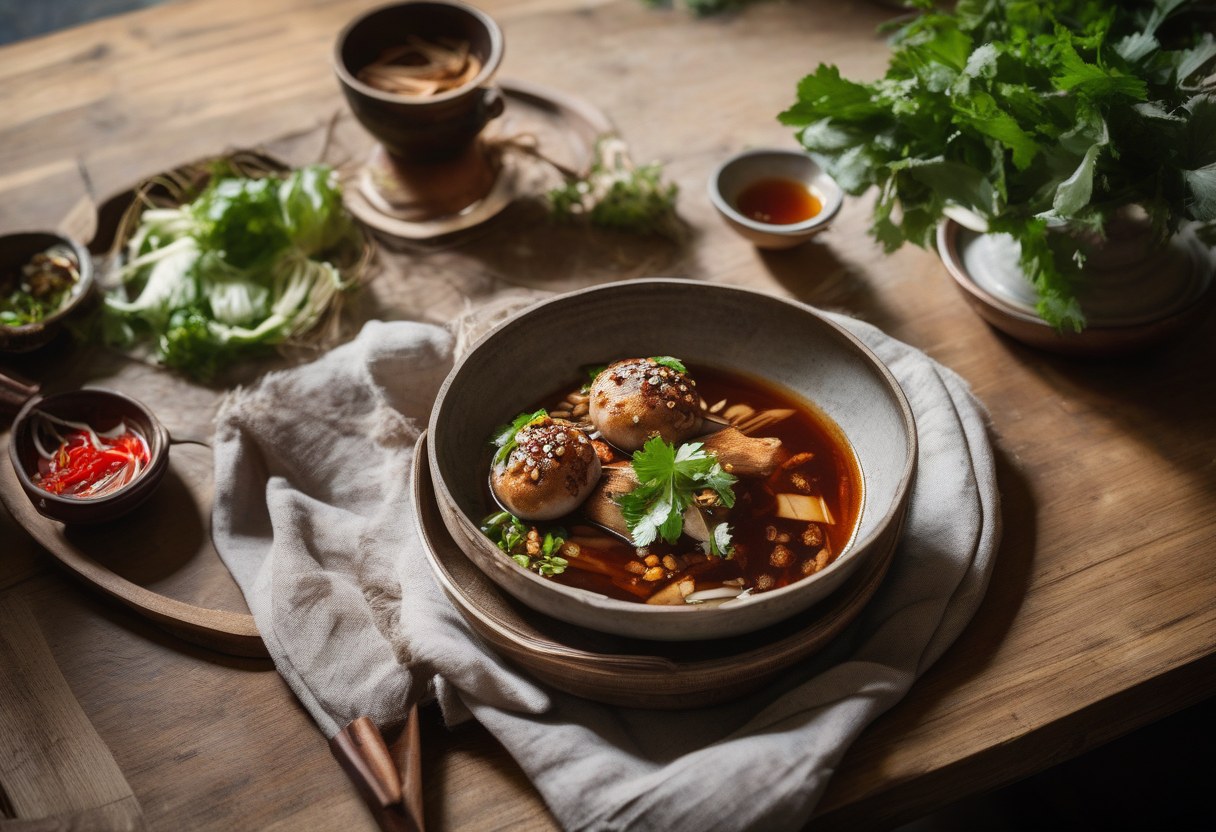
Creating the perfect balance requires precision with your ratios. Start by dissolving rock sugar in warm water until completely clear, which provides a clean sweetness without altering the sauce’s clarity. Next, add fish sauce, the salty umami backbone of Vietnamese cooking, followed by freshly squeezed lime juice for sharp acidity. A splash of rice vinegar can add depth if you prefer a milder tartness than fresh limes offer. Finally, infuse the mixture with minced garlic and sliced bird’s eye chilies for heat. Letting the sauce sit for at least thirty minutes allows the flavors to marry, resulting in a complex liquid that enhances rather than overwhelms the main ingredients.
This sauce is incredibly versatile and can be prepared in bulk. Because it contains no dairy or perishable proteins, it maintains its integrity well when stored in an airtight jar. You can adjust the heat level by varying the amount of chili, or sweeten it further if your preference leans towards a sweeter palate. The key is tasting as you go; the ideal nuoc cham should hit all five taste sensations—sweet, sour, salty, bitter (from the lime peel oils), and spicy—in perfect harmony.
Batched Chicken Thighs
While traditional Bun Cha features pork, using chicken thighs offers a leaner alternative that absorbs marinades beautifully. For this guide, we focus on batch-cooking these thighs to streamline your weekly meal prep. The dark meat of the thigh remains juicy and tender even after reheating, unlike breast meat which can dry out quickly. By marinating the chicken in a mixture of soy sauce, oyster sauce, brown sugar, and five-spice powder, you impart a deep, savory flavor that mimics the charred notes of traditional grilled pork.
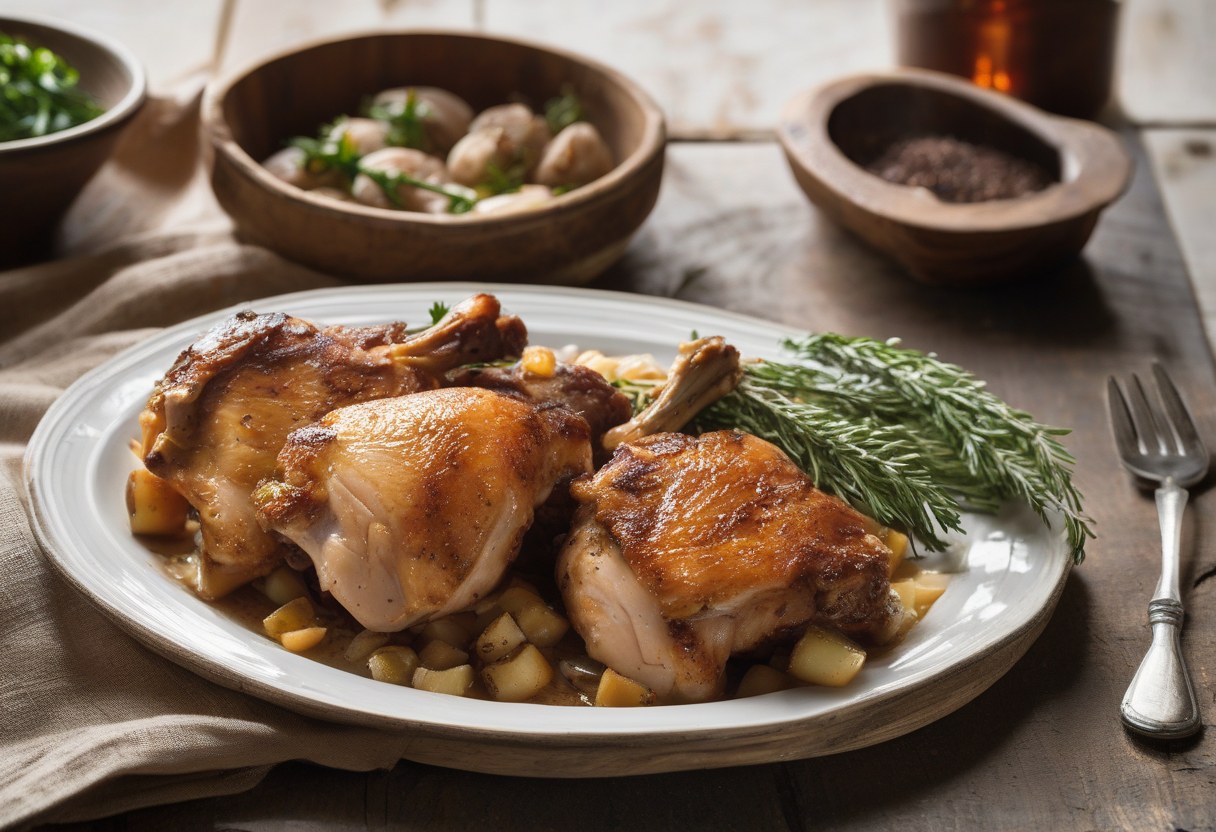
To execute this efficiently, cube the chicken thighs into bite-sized pieces before marinating. This increases the surface area, allowing the flavors to penetrate deeper and reducing the cooking time significantly. When ready to cook, sear the chicken in a hot skillet or wok with a small amount of oil until golden brown on all sides. The high heat creates a desirable crust that locks in juices, providing a textural contrast to the soft noodles. You can cook a large batch at once and portion it out into individual containers for the week ahead.
The beauty of this method lies in its speed. Once the chicken is cooked and cooled, it stores exceptionally well in the refrigerator. The marinade acts as a preservative of sorts, keeping the meat flavorful even after several days. When assembling your bowl, you can either serve the chicken cold for a salad-style texture or reheat it gently to restore warmth without compromising its tenderness. This approach ensures that dinner is ready in minutes, requiring only the assembly of pre-prepared components.
Quick-Cooking Rice Noodles
Rice vermicelli, or bun, is the staple carbohydrate in this dish, offering a delicate mouthfeel that contrasts nicely with crunchy vegetables and savory proteins. The challenge with rice noodles is their tendency to clump together or become mushy if overcooked. To avoid this common pitfall, the best method is not boiling, but soaking. Fill a large bowl with hot tap water—water that is hot enough to be uncomfortable to touch but not boiling—and submerge the dry noodles.
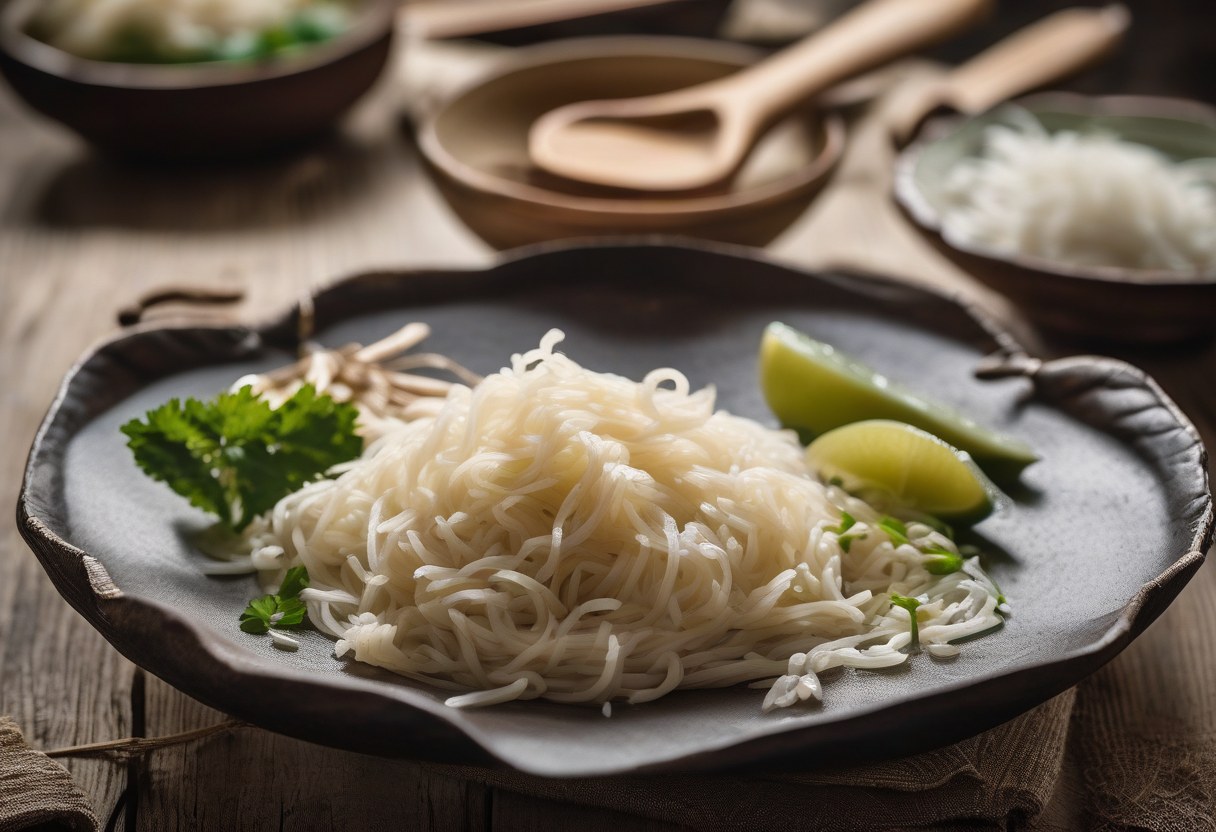
Allow the noodles to soak for approximately ten to fifteen minutes, depending on their thickness. They should become pliable and translucent but still retain a slight firmness, known as al dente. If you find them too hard after soaking, you can briefly blanch them in boiling water for thirty seconds, then immediately rinse under cold running water. This shock stops the cooking process and prevents further softening. Draining them thoroughly is crucial; excess moisture will dilute your sauce and make the bowl soggy.
Once drained, toss the noodles with a tiny amount of neutral oil to prevent sticking. This simple step ensures they remain separate and easy to portion out later. Rice noodles do not reheat as well as wheat pasta if microwaved directly, so storing them dry or slightly moistened is preferable. When you are ready to eat, you can warm the noodles briefly in hot water or simply serve them at room temperature, which is traditional for many Vietnamese noodle dishes.
Veggie Sides: Cucumber & Carrot Pickles
No Bun Cha bowl is complete without do chua, the quick-pickled vegetables that provide essential crunch and acidity. This side dish is incredibly simple to make and requires no canning equipment or long waiting periods. Thinly slice cucumbers and carrots into matchsticks using a mandoline or a sharp knife. The cucumber offers a refreshing, watery crispness, while the carrot adds a subtle sweetness and firmer texture. Together, they create a balanced vegetable component that cleanses the palate between bites of rich protein.
To pickle them quickly, place the sliced vegetables in a bowl and cover them with a mixture of warm water, rice vinegar, sugar, and salt. The ratio is typically equal parts vinegar and water, with enough sugar to balance the acidity. Let the vegetables sit for at least thirty minutes, though they can be left overnight for a deeper flavor infusion. The acid draws out excess moisture from the cucumbers, concentrating their flavor and ensuring they remain crunchy rather than limp.
These pickles are not only flavorful but also visually striking, adding bright orange and green hues to your bowl. They store well in the refrigerator for up to a week, maintaining their crispness thanks to the brine. You can adjust the sweetness or acidity to suit your taste, but the goal is always a sharp, tangy bite that contrasts with the savory elements of the meal. This component adds significant value to the dish with minimal effort and cost.
Egg Roll In A Bowl (Vegetarian Option)
For those seeking a vegetarian alternative, the "Egg Roll in a Bowl" concept fits seamlessly into the Bun Cha framework. This stir-fry base mimics the savory, umami-rich flavors of traditional egg roll fillings without the wrapper. Finely shred cabbage and mix it with minced carrots, bell peppers, and water chestnuts for texture. The key flavor agent here is hoisin sauce combined with soy sauce and sesame oil, which provides a deep, roasted sweetness that complements the rice noodles perfectly.
Cook the vegetables in a hot wok or large skillet until they are just tender-crisp. It is important not to overcook them, as you want to retain their vibrant color and crunch. Adding ground turkey or tofu can provide protein if desired, but even without meat, the combination of vegetables and savory sauces creates a satisfying meal. The water chestnuts add a pleasant pop of texture that mimics the crunch of fried egg rolls.
This vegetarian option is quick to prepare and reheats exceptionally well. Unlike leafy greens which can wilt excessively upon reheating, cabbage holds up remarkably well in the microwave or on the stovetop. You can prepare a large batch of this stir-fry and portion it out alongside your rice noodles and pickled vegetables. It offers a robust flavor profile that stands up to the strong taste of the nuoc cham sauce.
Storage Solutions for Leftovers
Proper storage is critical to maintaining the quality of your Bun Cha bowls, especially when meal prepping. The golden rule is to store components separately. Rice noodles should be kept in an airtight container with a damp paper towel on top to prevent them from drying out. Cooked chicken or vegetarian stir-fry should be stored in separate containers to avoid cross-contamination of flavors and textures. Pickled vegetables can remain in their brine, which acts as a natural preservative.
Avoid storing the nuoc cham sauce directly in the bowl if you plan to eat it over several days. The acid in the sauce will eventually break down the noodles and soften the pickled vegetables, leading to a soggy mess. Instead, keep the sauce in a small jar or bottle. When assembling your meal for the day, add the sauce just before eating. This preserves the distinct textures of each ingredient.
Label your containers with the date of preparation to track freshness. Most cooked components will last three to four days in the refrigerator. If you find yourself with more leftovers than you can consume within this timeframe, consider freezing the protein components. Rice noodles and pickled vegetables do not freeze well due to texture changes, so it is best to prepare fresh batches of these items weekly.
Reheating Techniques for Optimal Flavor
Reheating cooked meals often leads to a loss of texture and flavor, but with the right techniques, your Bun Cha bowl can taste nearly as good as freshly made. For chicken thighs or vegetarian stir-fry, the microwave is convenient but requires care. Heat in thirty-second intervals, stirring between each interval to ensure even heating. Avoid overheating, which can make chicken rubbery or vegetables mushy. Adding a splash of water before microwaving helps create steam, keeping the food moist.
If you have access to a stovetop, reheating in a skillet is superior. Warm the protein over medium heat with a tiny amount of oil or broth. This method restores the seared edges of the chicken and revitalizes the vegetables in the stir-fry option. For rice noodles, a quick dip in hot water for thirty seconds is usually sufficient to warm them through without making them soggy. Never boil reheated noodles.
The nuoc cham sauce should always be served at room temperature or slightly chilled. Warming the sauce can alter its flavor profile, often muting the bright acidity of the lime and vinegar. Assemble your bowl by placing the warm noodles and protein in a bowl, topping with fresh pickles, and drizzling the cool sauce over everything just before eating. This contrast in temperatures enhances the dining experience.
FAQ
How long does the sauce last in the fridge?
The nuoc cham sauce, made with fish sauce, lime juice, and sugar, can last up to two weeks in the refrigerator when stored in an airtight container. The high acidity and salt content act as natural preservatives. However, if you add fresh garlic or chilies, it is best to consume it within one week for optimal flavor and safety.
Can I freeze cooked chicken thighs and rice noodles separately?
Cooked chicken thighs freeze very well and can be stored for up to three months. Thaw them in the refrigerator overnight before reheating. Rice noodles, however, do not freeze well; they tend to become brittle or mushy upon thawing. It is recommended to prepare fresh rice noodles each week rather than freezing them.
What can I use instead of rice vermicelli if it’s unavailable?
If you cannot find rice vermicelli, thin wheat noodles like angel hair pasta or ramen noodles can serve as a substitute. While the flavor profile will differ slightly, the texture is similar enough to maintain the dish's integrity. Ensure you cook them al dente to prevent them from becoming too soft when mixed with the sauce.
Is there a substitute for fish sauce in this recipe?
For a vegetarian version, you can substitute fish sauce with soy sauce or tamari. To mimic the umami depth of fish sauce, add a small amount of mushroom powder or a dash of seaweed stock. The flavor will be less complex but still savory and suitable for balancing the sweet and sour elements of the nuoc cham.


