Butternut Squash Curry Pan: Quick & Tasty Recipes

Download the free printable PDF
Butternut squash is a versatile ingredient that transforms into rich, comforting curries with minimal effort. Whether you are looking for a quick weeknight dinner or a meal to batch-cook for the week, these seven variations offer something for every taste preference. Each recipe focuses on speed, flavor, and practical storage, ensuring your kitchen stays efficient and your meals remain delicious.
Classic Butternut Squash Curry
This creamy, comforting dish is perfect for busy weeknights, requiring only twenty minutes of prep time and serving four people generously. The base relies on a simple aromatics combination of onion, garlic, and ginger, which forms the backbone of the flavor profile. By roasting the squash pieces first, you develop a deeper, caramelized taste that blends seamlessly with the sauce, creating a depth of flavor that is hard to replicate with fresh ingredients alone.
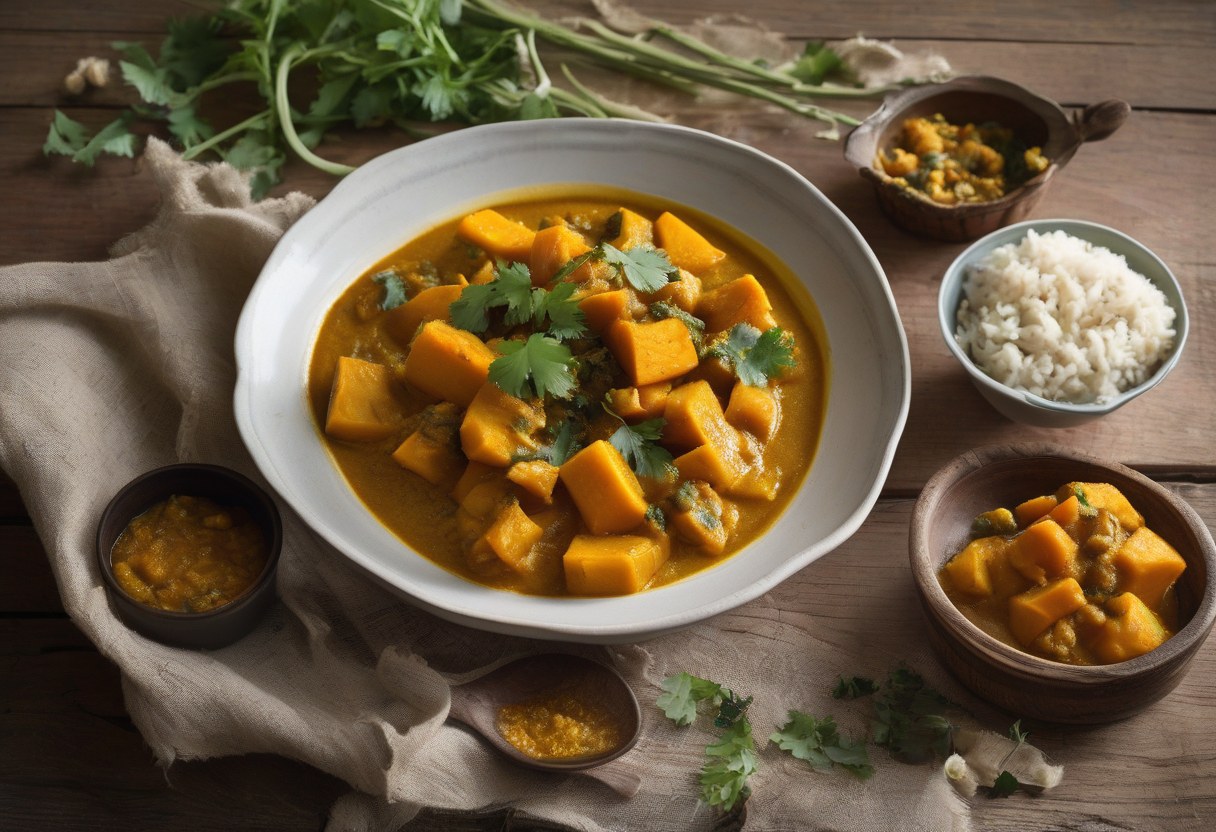
To execute this recipe, start by peeling and cubing the butternut squash, then sautéing the aromatics in a large pan with a splash of oil. Add the squash cubes and cook them until they begin to soften at the edges, about five minutes. Pour in vegetable stock and a tablespoon of curry powder, stirring well to coat the vegetables. Simmer the mixture for fifteen to twenty minutes, mashing some of the squash against the side of the pan to create a natural, creamy consistency without adding dairy. The result is a smooth, velvety curry that pairs well with rice or crusty bread, offering a satisfying texture that feels indulgent yet simple.
The key to this classic version is the balance of spices. Use a mild curry powder if you prefer a subtle background note, or add a pinch of cayenne for a gentle warmth. The dish holds up well if prepared in advance, as the flavors often deepen when left to rest for a few hours. It is a reliable staple that requires no complex techniques, making it ideal for cooks of all skill levels who want a satisfying result without spending hours in the kitchen. The cleanup is minimal, requiring only one pan and a few utensils, which is a major plus after a long day.
Spicy Thai-Inspired Curry
For those who enjoy heat, this Thai-inspired variation adds a kick using red curry paste and coconut milk. It remains budget-friendly, costing under five dollars per serving, making it an economical choice for family dinners. The intensity of the red curry paste provides a complex, layered flavor that is far more dynamic than standard yellow curry powders. This version is best served over jasmine rice, which absorbs the rich, spicy sauce beautifully, ensuring no flavor is wasted on the plate.

Begin by heating a tablespoon of red curry paste in a dry pan over medium heat. This step is crucial as it blooms the spices, releasing their aromatic oils and reducing the raw edge of the paste. Once fragrant, add a can of full-fat coconut milk and let it simmer for a minute to separate the oils. Add the cubed butternut squash and a handful of fresh spinach or kale, cooking until the squash is tender. The coconut milk creates a luxurious texture that coats the squash, while the heat from the paste provides a lingering warmth that builds gradually, adding complexity to every bite.
This recipe is highly adaptable, allowing you to adjust the spice level by varying the amount of curry paste used. If you prefer a milder version, use half the recommended amount and add a splash of extra coconut milk to balance the heat. The dish reheats exceptionally well, maintaining its creamy texture without separating, which is often a problem with dairy-based sauces. It is a quick option that delivers a restaurant-quality taste experience at home, proving that bold flavors do not require long cooking times or expensive ingredients. The convenience of using canned coconut milk means less chopping and less washing up.
Vegetarian Lentil & Squash Pan
This hearty meal combines lentils with butternut squash to create a robust, plant-based dish that freezes well and reheats easily in the microwave. The lentils add body and texture, ensuring the curry is substantial enough to stand alone as a main course. This version is ideal for meal prepping, as the combination of ingredients holds its structure and flavor even after being stored in the freezer for several weeks. It is a practical solution for busy households that need reliable, quick meals throughout the week without the hassle of daily cooking.
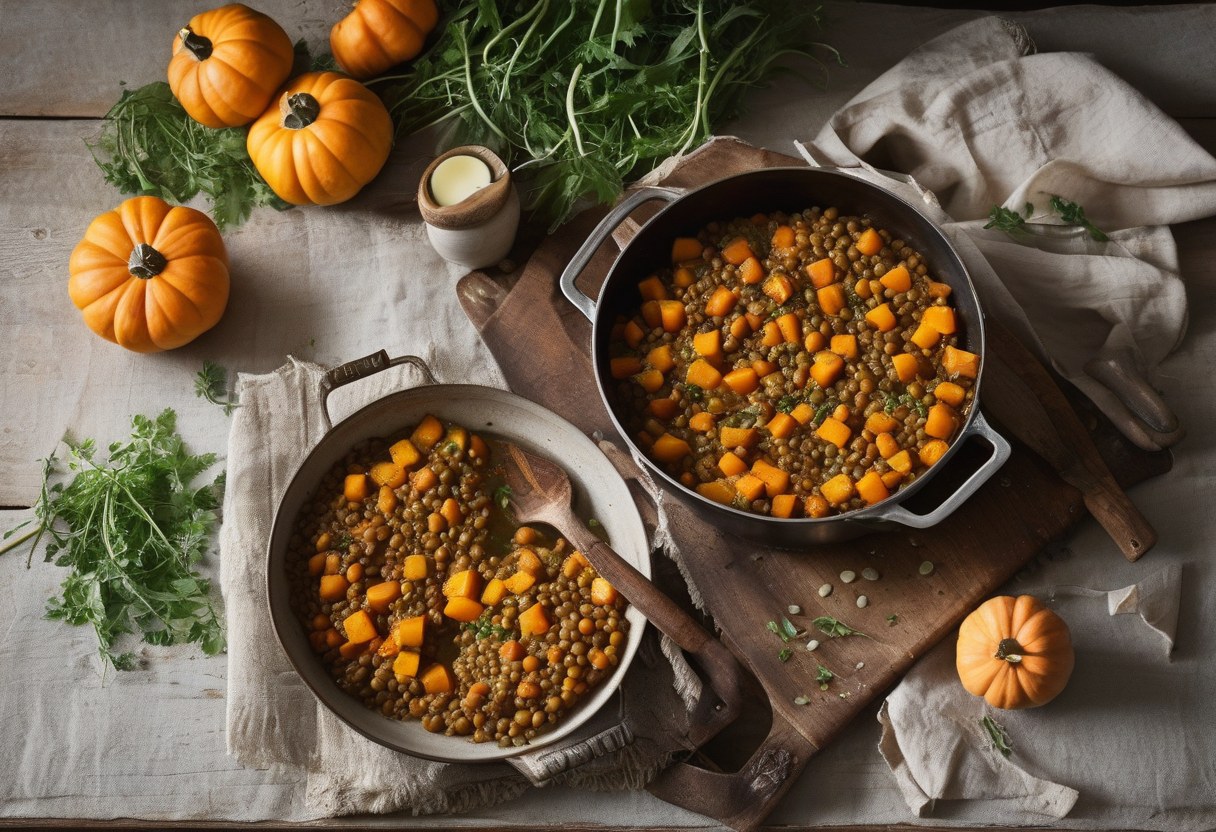
Start by browning the lentils with onion and garlic in a large pan. Add the butternut squash cubes and a can of chopped tomatoes, stirring to combine. Pour in enough water or stock to just cover the ingredients, then bring to a boil. Reduce the heat and simmer for twenty to twenty-five minutes, or until the lentils are cooked through and the squash is soft. Stir in a spoonful of curry powder and a pinch of cumin towards the end of cooking to infuse the dish with warm, earthy notes. The final product is a thick, stew-like curry that is perfect for spooning over rice or eating on its own, offering a rustic charm that feels homely and comforting.
One of the main advantages of this recipe is its storage quality. Unlike some curries that become watery upon reheating, this lentil-based version maintains its consistency well. You can prepare a large batch on Sunday and divide it into individual containers for the week. The flavors actually improve after a day or two, as the lentils absorb the spices and the squash softens further. It is a cost-effective option that stretches your budget while providing a satisfying meal that does not compromise on taste or texture. The simplicity of the ingredients means you are likely to have most of them in your pantry already.
Butternut Squash Cauliflower Rice Bowl
This lighter option uses cauliflower rice and mixed vegetables to create a vibrant, colorful bowl. With a prep time of under fifteen minutes, it is an excellent choice for quick lunches or light dinners. The cauliflower rice provides a neutral base that allows the curry sauce to shine, while the mixed vegetables add a variety of textures and colors. This version is particularly popular among those who prefer lighter meals without sacrificing the depth of flavor that a curry offers, making it a versatile addition to any rotation.
To prepare this dish, start by cooking the cauliflower rice in a dry pan until it is just tender. Meanwhile, prepare a quick curry sauce using a small amount of curry powder, garlic, and a splash of stock. Add the butternut squash and mixed vegetables to the sauce, cooking until they are just softened but still retain some bite. Spoon the sauce over the cauliflower rice in individual bowls, garnishing with fresh herbs like cilantro or parsley. The contrast between the soft squash and the crisp vegetables makes for a dynamic eating experience that is visually appealing and texturally interesting.
This recipe is highly customizable, allowing you to swap out the mixed vegetables for whatever you have on hand. Zucchini, bell peppers, and broccoli all work well in this context, adding different textures and flavors. The dish is best served immediately, as the cauliflower rice can become soggy if left to sit for too long. It is a quick, efficient meal that requires minimal cleanup, making it a favorite for busy weekdays when time is at a premium. The result is a light yet flavorful bowl that feels indulgent without being heavy, perfect for a relaxed evening at home.
One-Pot Chickpea & Vegetable Curry
Adding chickpeas to the curry provides extra texture and flavor without requiring much additional effort. This one-pot method simplifies the cooking process, reducing the amount of washing up and keeping the kitchen clean. The chickpeas hold up well in the fridge, keeping the dish fresh for up to four days. This makes it an excellent option for meal prepping, as the curry does not lose its quality over time. It is a practical, no-fuss recipe that delivers consistent results every time, saving you time and effort in the long run.
Begin by sautéing onions and garlic in a large pot with a little oil. Add the butternut squash and a can of drained chickpeas, stirring to combine. Pour in vegetable stock and a spoonful of curry powder, then bring the mixture to a boil. Reduce the heat and simmer for twenty minutes, allowing the flavors to meld together. The chickpeas absorb the spices and the stock, becoming tender and flavorful. The dish is ready to serve when the squash is soft and the sauce has thickened slightly. It is a simple, reliable recipe that requires no advanced cooking skills, making it accessible for beginners.
The addition of chickpeas also helps to thicken the curry, reducing the need for additional cream or coconut milk. This makes the dish more economical and easier to store, as it does not separate as easily when reheated. The curry can be served over rice, with naan bread, or as a standalone meal. It is a versatile option that can be adjusted to suit different taste preferences, whether you prefer a mild or spicy flavor profile. The one-pot method ensures that all the flavors are concentrated in a single dish, making for a rich and satisfying meal with very little cleanup afterward.
Cheesy Butternut Squash Gratin
This creamy, indulgent twist features gruyère cheese and breadcrumbs on top, creating a golden, crispy crust. It batches well and serves a crowd, making it an excellent choice for dinner parties or family gatherings. The combination of the soft, sweet squash and the salty, nutty cheese creates a flavor profile that is both comforting and sophisticated. This version is best served hot, straight from the oven, to ensure the cheese is melted and the breadcrumbs are crisp. It is a more substantial dish that works well as a main course or a side dish, adding a touch of elegance to your table.
To prepare this gratin, start by roasting the butternut squash until it is tender and caramelized. Spread the squash in a baking dish and top with a mixture of gruyère cheese and breadcrumbs. Bake in a preheated oven until the top is golden brown and the cheese is bubbling. The key to a successful gratin is to ensure the squash is not too wet, as this can prevent the top from crisping properly. Pat the squash dry before adding the cheese and breadcrumbs, and bake at a high temperature to achieve the desired texture. The result is a rich, comforting dish that is perfect for colder evenings when you want something warm and hearty.
This recipe is highly adaptable, allowing you to substitute different cheeses or toppings to suit your taste. Cheddar or mozzarella can be used instead of gruyère, offering a milder flavor. You can also add other vegetables, such as spinach or mushrooms, to increase the volume of the dish. The gratin reheats well in the oven, though the top may lose some of its crispness. It is a crowd-pleasing option that requires minimal effort but delivers a high-impact result. The combination of textures and flavors makes it a memorable meal that guests are sure to enjoy, and the single baking dish makes cleanup surprisingly easy.
Instant Pot Vegan Curry
This quick cooking method is ideal for busy evenings, with the entire process taking under thirty minutes, including prep time. The budget for this dish is approximately four dollars per serving, making it an affordable option for regular consumption. The Instant Pot allows the squash to cook quickly while retaining its texture, resulting in a tender yet distinct vegetable. This version is completely vegan, relying on plant-based ingredients to create a rich and flavorful curry. It is a convenient option that saves time and effort without compromising on taste, perfect for those with packed schedules.
Start by using the sauté function of the Instant Pot to cook the aromatics, such as onion, garlic, and ginger. Add the butternut squash and a can of coconut milk, stirring to combine. Secure the lid and set the pressure cook function for five to seven minutes, depending on the size of the squash pieces. Once the cooking cycle is complete, release the pressure and stir in a spoonful of curry powder and a splash of soy sauce for depth. The result is a creamy, flavorful curry that is ready to serve immediately. The speed of this method makes it perfect for weeknights when time is short, allowing you to sit down and eat quickly.
The Instant Pot method also ensures that the curry is consistent in texture, as the pressure cooking process softens the squash evenly. This avoids the common issue of some pieces being undercooked while others are overcooked. The dish can be stored in the fridge for up to three days, reheating quickly in the microwave or on the stovetop. It is a practical, efficient recipe that delivers a high-quality result with minimal effort. The vegan nature of the dish makes it suitable for a wide range of dietary preferences, ensuring that everyone can enjoy a delicious meal together without any fuss.
FAQ
How do I store leftover Butternut Squash Curry?
Allow the curry to cool completely before transferring it to airtight containers. Store the containers in the refrigerator for up to four days. For longer storage, you can freeze the curry for up to three months. Ensure that the containers are labeled with the date to keep track of freshness. The curry will keep its flavor and texture well when stored properly, making it a reliable option for meal prepping and reducing food waste.
What’s the best way to reheat this curry pan dish?
The best way to reheat butternut squash curry is on the stovetop over low heat, stirring occasionally to prevent sticking. Alternatively, you can reheat it in the microwave in short intervals, stirring between each interval to ensure even heating. Avoid reheating the curry multiple times, as this can affect the texture and flavor. Reheat only the portion you plan to eat to maintain the best quality and ensure the dish tastes as fresh as possible.
Which containers work well for freezing and reheating batches of butternut squash curry?
Freezer-safe glass containers or heavy-duty plastic bags are ideal for freezing curry. Glass containers are easy to clean and do not retain odors, while plastic bags save space in the freezer. When reheating, use microwave-safe containers that are labeled as such. Avoid using containers that are not designed for high heat, as this can cause them to crack or melt. Proper storage containers ensure that your curry remains fresh and safe to eat, extending the life of your ingredients.
Can I substitute ingredients like chicken stock or coconut milk with something else?
Yes, you can substitute chicken stock with vegetable stock for a vegan option. Coconut milk can be replaced with cashew cream or a blend of plant-based milk and cornstarch for a similar creamy texture. If you are avoiding dairy, use a non-dairy cheese alternative for the gratin version. These substitutions allow you to adapt the recipes to your dietary preferences without significantly altering the flavor or texture of the dish, giving you flexibility in your cooking.


