Curry Chickpea Salad Pita Perfection

Download the free printable PDF
As the days begin to shift and the weather turns unpredictable, a warm, spiced meal becomes an instant comfort. The curry chickpea salad pita stands out as a versatile dish that bridges the gap between a quick lunch and a satisfying dinner. It is the kind of meal that relies on pantry staples, requiring minimal fresh produce yet delivering maximum flavor through the power of spices.
This roundup explores seven distinct ways to enjoy this concept, from classic preparations to creative twists like soups and wraps. Whether you are looking for a speedy weeknight solution or a batch-cooking project for the week ahead, these variations offer practical advice on storage, reheating, and flavor pairing. The goal is to provide a comprehensive guide that makes this dish a regular feature in your kitchen routine without the usual fuss.
Classic Curry Chickpea Pita
The foundation of this dish is simplicity. A classic curry chickpea pita involves mashing canned chickpeas with a generous amount of curry powder, a splash of lemon juice, and a handful of fresh herbs. This mixture is then wrapped in a warm pita pocket, often accompanied by diced tomatoes and a drizzle of yogurt. The contrast between the warm, spiced legumes and the cool, crisp vegetables creates a textural balance that is highly satisfying.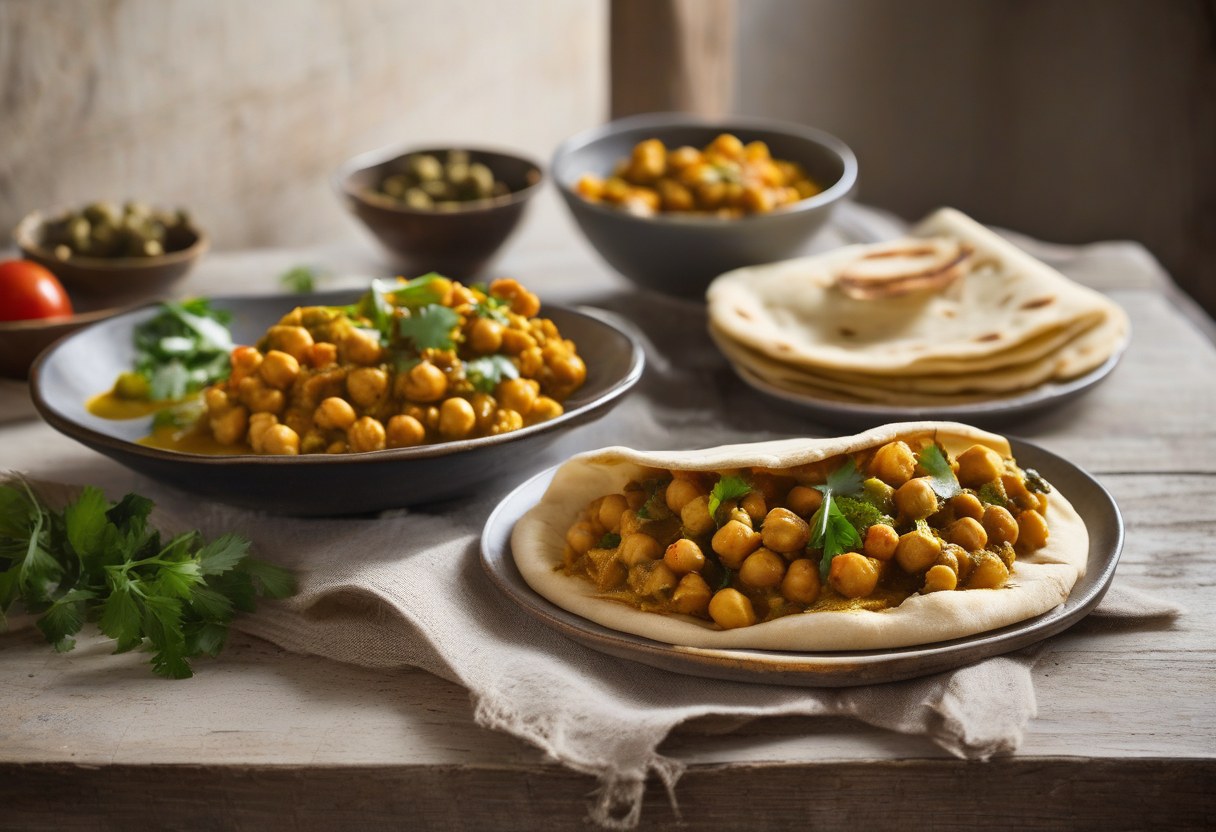
Spicy Mango Chutney Dip
Elevating the curry flavors does not require complex cooking techniques. A spicy mango chutney dip serves as an excellent accompaniment, adding a sweet and tangy dimension that cuts through the earthiness of the curry spices. This dip is particularly effective when the pita is served as a snack or a light lunch, providing a burst of flavor that keeps the palate engaged.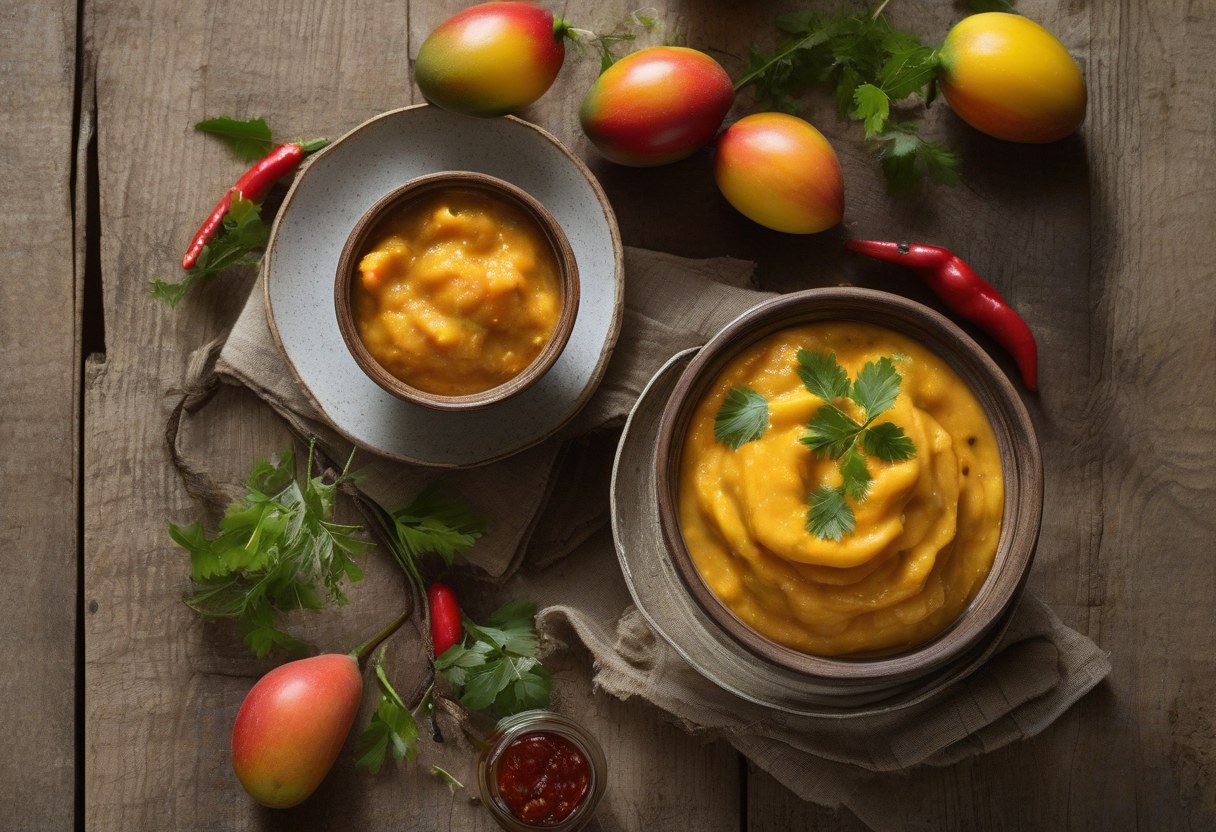
Quick Pickled Cucumber Relish
Brightening up a heavy, spiced dish is essential for maintaining flavor interest. A quick pickled cucumber relish provides a sharp, acidic contrast that prevents the meal from feeling too dense. This relish is made by slicing cucumbers thinly and soaking them in a vinegar and sugar brine for just an hour. The result is a crunchy, tangy side that cleanses the palate between bites.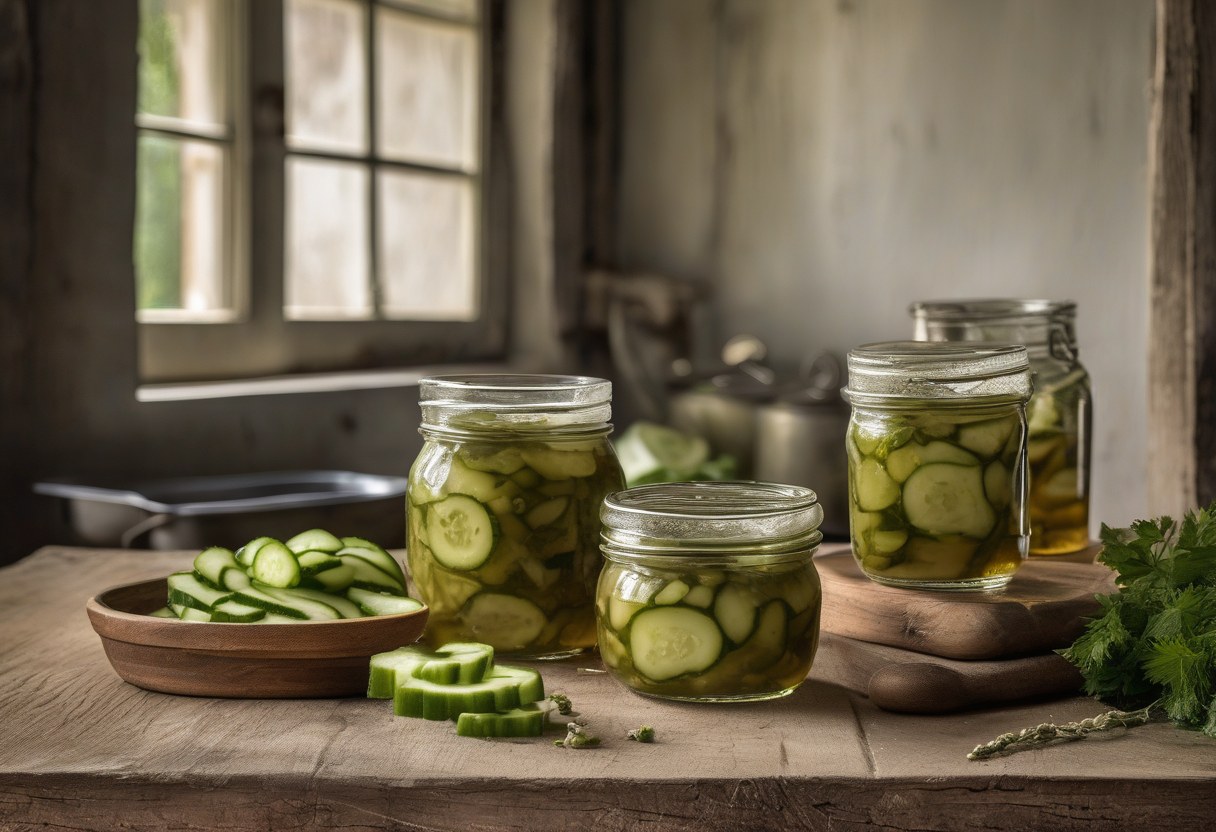
Vegetarian Bulgur Pilaf
For a more substantial meal, pairing the pita with a bulgur pilaf adds texture and substance. Bulgur wheat is a quick-cooking grain that absorbs flavors well, making it an ideal companion for curry spices. This side dish can be prepared in advance and frozen, making it a convenient option for busy schedules. The nutty flavor of the bulgur complements the earthiness of the chickpeas. The preparation of the pilaf involves toasting the bulgur in a pan with onions and garlic before adding water and spices. This step enhances the flavor of the grain, giving it a deeper, more complex taste. You can add vegetables such as carrots or peas to the pilaf for added variety. This dish is easy to scale up, allowing you to cook a large batch for multiple meals. The versatility of bulgur pilaf means it can be served hot or cold. It works well as a base for a salad or as a warm side for a main course. Its ability to hold up well to reheating makes it a practical choice for meal prep. The combination of grains and spices creates a satisfying mouthfeel that rounds out the meal.Homemade Pita Bread
While store-bought pitas are convenient, homemade versions offer a superior texture and flavor. Making pita bread from scratch does not require special equipment or ingredients. A simple mixture of flour, yeast, water, and oil is all that is needed. The key is to allow the dough to rise properly, which creates the pocket that holds the filling. The process of baking the pitas at a high temperature is crucial for achieving the signature puff. This high heat causes the steam inside the dough to expand, creating the pocket. The resulting bread is soft, fluffy, and slightly chewy. This texture is difficult to replicate with store-bought options, which can often be dry or tough. Baking pitas at home is a rewarding experience that can be done in under an hour. You can make a large batch and freeze the unbaked dough, which can be baked fresh as needed. This method ensures that you always have fresh bread available without the need for daily baking. The aroma of fresh-baked pita filling the kitchen is an added bonus that enhances the cooking experience.Curried Chickpea Soup Bowl
For colder days, transforming the salad into a soup offers a comforting alternative. A curried chickpea soup is made by simmering chickpeas in a broth with curry spices and vegetables. This version is ideal for reheating, as the flavors meld together over time. It is a perfect option for work lunches, as it can be packed in a thermos and reheated on demand. The soup can be thickened with a small amount of potato or lentils to create a creamy texture. This addition helps to bind the ingredients and create a cohesive bowl. The heat of the curry spices provides a warming effect that is pleasant in cooler weather. This dish is a testament to the versatility of the curry chickpea combination. Packaging the soup for lunch is straightforward. It can be stored in a sealed container and reheated in the microwave. The flavors are often better the next day, as the spices have had time to infuse into the broth. This makes it an excellent choice for meal prep, allowing you to save time during the week.Chickpea Salad Wraps
For those who prefer a handheld meal, chickpea salad wraps are a convenient option. These wraps are easy to assemble and are perfect for children's lunchboxes. The flexibility of the wrap format allows for a variety of fillings, including lettuce, cheese, and pickled vegetables. This dish is a great way to involve children in meal preparation, as they can help assemble their own wraps. The wraps can be made with tortillas or pita bread, depending on preference. The filling can be adjusted to suit individual tastes, making it a customizable option. This dish is ideal for picnics and outdoor events, as it does not require utensils to eat. The portability of the wrap makes it a practical choice for busy days. The ease of assembly means that these wraps can be prepared in minutes. They are a quick and satisfying option for a midday snack or a light dinner. The combination of flavors and textures makes them a crowd-pleaser. This format is a testament to the adaptability of the curry chickpea concept.FAQ
How long does the curry chickpea salad pita keep in the fridge?
The curry chickpea filling can be stored in an airtight container in the refrigerator for up to three days. The pita bread itself is best consumed within two days to maintain its texture. If you are preparing a batch, it is recommended to store the filling and the bread separately to prevent the bread from becoming soggy. Reheat the filling before adding it to the fresh pita for the best result.
Can I reheat this dish safely without losing flavor?
Yes, the dish reheats well in the microwave or on the stovetop. To prevent the pita from drying out, cover it with a damp paper towel when microwaving. For the best flavor, reheat the filling and the bread separately, then combine them. This method ensures that the bread remains soft and the filling retains its moisture. Avoid reheating for more than two minutes to prevent overcooking.
What are some good containers to use when packing these pitas for work or school lunches?
Insulated lunch bags are ideal for keeping the pita warm if you prefer a hot meal. For a cold option, a standard airtight container is sufficient. To prevent the pita from getting crushed, pack it flat in a separate compartment or wrap it in foil. Using a leak-proof container for the filling is essential to prevent any mess. This ensures that the meal arrives at its destination intact and ready to eat.
Are there any ingredient substitutions that won’t affect the taste too much?
If you do not have curry powder, you can substitute it with a mix of turmeric, cumin, and coriander. For the pita, you can use naan bread or tortillas if you prefer a different texture. The chickpeas can be replaced with lentils or white beans, which will alter the texture slightly but maintain the flavor profile. These substitutions allow for flexibility based on what is available in your pantry.


