Fire Roasted Salsa: 7 Quick & Easy Recipes for Home Cooks

Download the free printable PDF
There is something undeniably satisfying about the deep, complex flavor of fire-roasted salsa. Unlike fresh salsas that rely on crisp, raw crunch, this style of cooking brings out a smoky sweetness that transforms simple ingredients into something far more interesting. Whether you are looking for a quick weeknight condiment or a show-stopping accompaniment for a barbecue, these recipes offer a range of flavors and difficulty levels.
From the classic tomato and onion blend to tropical mango variations, each method here is designed to be practical and accessible. You do not need specialized equipment or hours of prep time to achieve that coveted charred taste. Let us dive into the techniques and recipes that make this condiment a staple in many kitchens.
Basic Fire-Roasted Tomato Salsa
The foundation of any great salsa is the classic combination of tomatoes, onions, and jalapeños. This version is the gold standard for beginners, offering a balanced heat and a rich, smoky base that pairs well with almost anything. The key to this recipe is the roasting process, which caramelizes the natural sugars in the vegetables and creates a depth of flavor that raw ingredients simply cannot match. It is a quick prep option that can be completed in under thirty minutes, making it perfect for spontaneous meals.
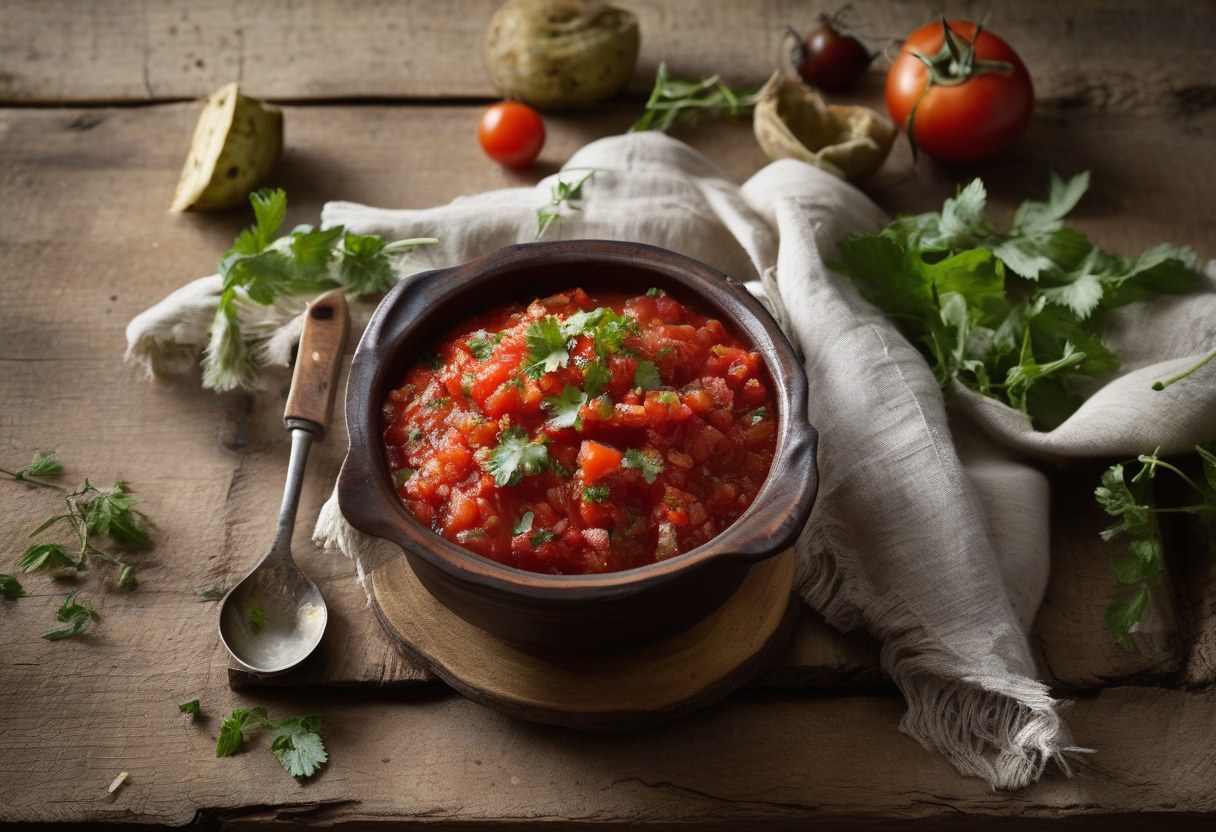
To begin, preheat your oven to its highest setting or prepare a gas flame for direct roasting. You will need about five large ripe tomatoes, half a large white onion, and two jalapeño peppers. If you prefer less heat, remove the seeds from the jalapeños before roasting. Place the vegetables on a baking sheet lined with parchment paper. The parchment helps prevent sticking and makes cleanup significantly easier. Roast them for approximately fifteen to twenty minutes, flipping halfway through, until the skins are blistered and blackened in spots.
Once roasted, transfer the vegetables to a heatproof bowl and cover with a damp cloth or plastic wrap for ten minutes. This steaming step loosens the skins, making them easy to peel off. Once peeled, chop the tomatoes and onions roughly. Combine the roasted vegetables with a small amount of fresh cilantro, a squeeze of lime juice, and a pinch of salt in a food processor. Pulse the mixture until it reaches your desired consistency, whether that is chunky for chips or smooth for a sauce. Taste and adjust the seasoning before serving. This salsa keeps well in the fridge for up to five days, allowing you to make a batch on the weekend for the week ahead.
Smoky Chipotle Salsa
For those who enjoy a more pronounced smoky profile, adding chipotle peppers is the way to go. Chipotles are dried, smoked jalapeños, and they bring a deep, earthy heat that lingers on the palate. This salsa is ideal for people who find standard jalapeños too mild or who want a condiment that holds up well against strong flavors like grilled steak or spicy tacos. The addition of adobo sauce, which often accompanies canned chipotles, adds a layer of complexity that elevates the entire dish.
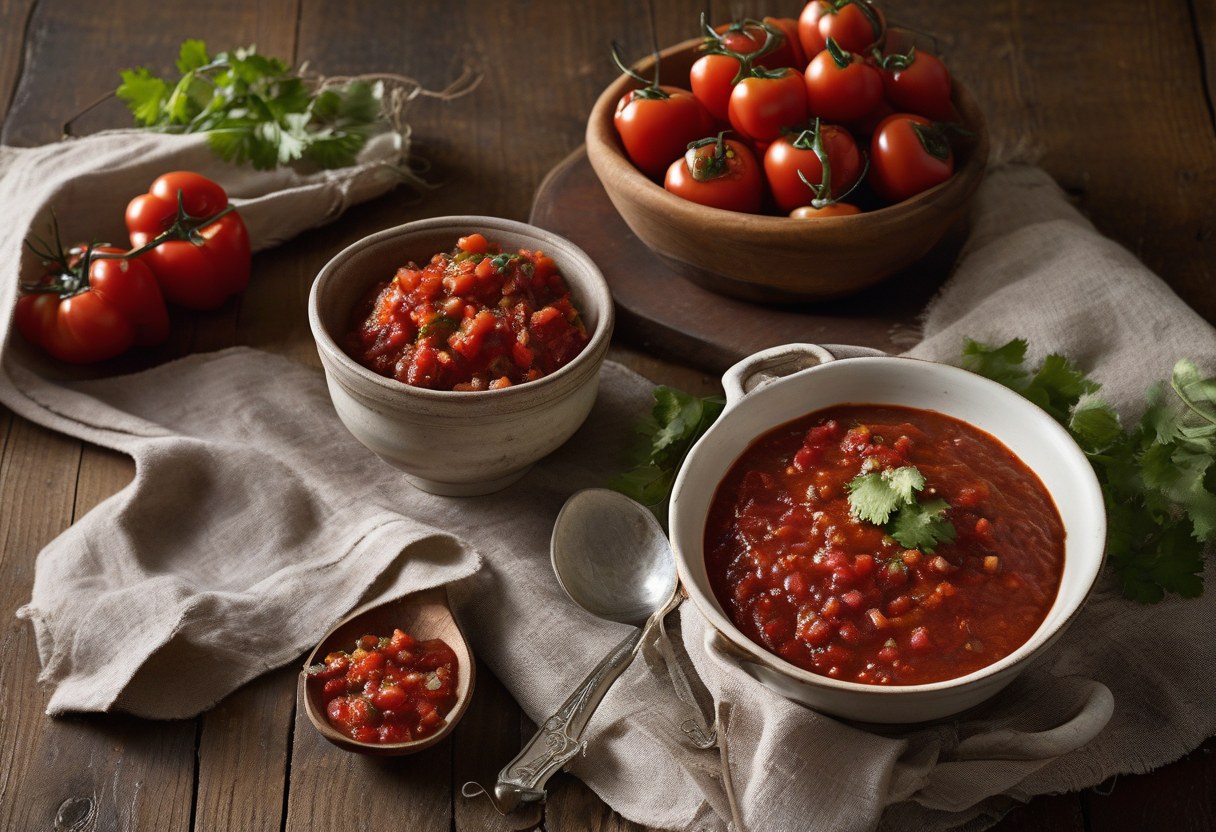
Start by roasting the same base of tomatoes and onions as in the basic recipe. While they are in the oven, take two to three canned chipotle peppers in adobo sauce. You can roast these as well for an extra layer of smokiness, or simply chop them finely and add them raw to the mixture. The raw addition provides a sharper, more immediate heat, whereas roasting mellows the spice slightly and intensifies the smoke. Chop the peppers into small pieces to ensure the heat is distributed evenly throughout the salsa.
Combine the roasted tomatoes, onions, and chipotles in a blender. Add a tablespoon of the adobo sauce from the can, as this liquid is packed with flavor. Blend until smooth, then strain through a fine-mesh sieve if you prefer a silky texture without the skins and seeds. This salsa is particularly versatile; it works well as a marinade for chicken or pork, or as a dipping sauce for tortilla chips. The smokiness pairs exceptionally well with grilled meats, cutting through the richness of the fat. Store this version in a sealed container in the refrigerator for up to one week, noting that the flavor may deepen slightly over time.
Herbaceous Pineapple Fire Roasted Salsa
Summer calls for lighter, brighter flavors, and this pineapple salsa delivers on that front with a sweet and tangy kick. The natural acidity of the pineapple balances the heat of the peppers and the earthiness of the roasted garlic. This variation is a crowd-pleaser, especially at outdoor gatherings where it can serve as a topping for tacos, grilled fish, or even as a glaze for chicken wings. The visual appeal of the bright yellow chunks against the green cilantro is also a plus, making it a photogenic addition to any table.
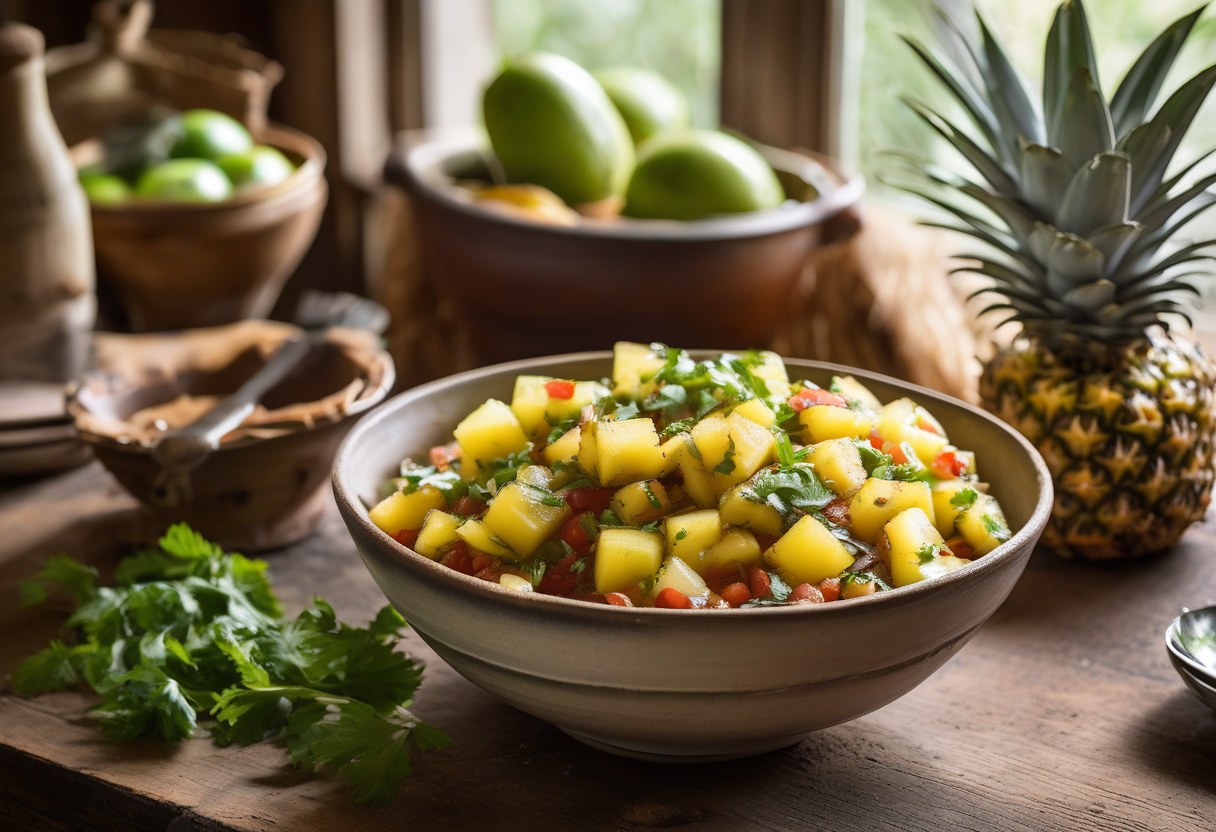
Begin by roasting a head of garlic and a small onion until golden and soft. Simultaneously, cut a ripe pineapple into chunks, removing the core. You can roast the pineapple chunks on a separate tray for five minutes to caramelize their edges, or add them raw to the blender for a fresher taste. Roasting the pineapple adds a subtle smokiness that ties into the theme, while keeping it raw preserves more of the bright, juicy acidity. Choose based on your preference for texture and flavor intensity.
In a food processor, combine the roasted garlic, onion, and pineapple chunks. Add a large handful of fresh cilantro, a lime, and a small serrano pepper for heat. Pulse the mixture until it is coarsely chopped but not pureed. You want to maintain some texture to contrast with the softness of the pineapple. Season with salt and a tiny pinch of sugar if the pineapple is not sweet enough. This salsa is best served fresh, as the pineapple can become watery if left to sit for too long. It is a fantastic accompaniment to grilled shrimp or as a topping for nachos, offering a tropical twist that feels special without requiring complex techniques.
Batch-Friendly Vegetarian Bean & Pepper Salsa
When hosting large gatherings or meal-prepping for the week, a hearty salsa that doubles as a dip or a light meal is incredibly useful. This bean and pepper version is packed with substance, making it more filling than traditional fruit-based salsas. It is a vegetarian-friendly option that appeals to a wide range of tastes, offering a satisfying chewiness from the beans and a crisp bite from the peppers. This recipe is designed for volume, allowing you to make a large batch that can be portioned out for later use.
Start by roasting a large bell pepper and a small onion until charred. While they roast, cook a can of black beans until they are heated through and slightly broken down. You want the beans to retain some shape but be soft enough to blend partially. Drain the beans but reserve a small amount of the liquid, as this starchy water helps bind the salsa together and adds body. Combine the roasted vegetables with the cooked beans in a large bowl or food processor.
Process the mixture until it is chunky but cohesive. Add a handful of fresh spinach or kale if you wish to bulk it up further, though this is optional. Season with cumin, smoked paprika, and salt to taste. The smoky spices complement the roasted vegetables and enhance the overall flavor profile. This salsa is excellent for storing in large containers in the freezer. It reheats well, making it a convenient option for busy weeknights. You can serve it warm as a dip with sturdy crackers or cold as a topping for salads. The texture holds up well even after freezing, provided you do not over-process the beans before freezing.
Simple Corn and Tomato Salsa
Not everyone is a fan of spicy food, and this corn and tomato salsa is a perfect alternative for those who prefer milder flavors. It is economical, kid-friendly, and uses ingredients that are likely already in your kitchen. The sweetness of the corn provides a natural counterpoint to the acidity of the tomatoes, creating a balanced and approachable taste. This recipe is quick and requires minimal prep, making it a great option for busy evenings when you need a dip or topping without spending hours in the kitchen.
Roast a few ears of corn on the grill or under a broiler until the kernels are charred. The charring adds a smoky depth that elevates the dish beyond a simple corn salsa. Once cooled, cut the kernels off the cob. In a separate pan, roast a small onion and a few green chilies until soft and slightly blackened. The green chilies add a mild heat and a vibrant color that makes the salsa visually appealing. If you do not have fresh green chilies, you can use canned green chilies as a substitute, though fresh is preferable for texture.
Combine the corn kernels, roasted onion, green chilies, and diced fresh tomatoes in a bowl. Add a squeeze of lime juice and a sprinkle of salt. Toss gently to combine, being careful not to mash the tomatoes too much. This salsa is best served fresh, as the tomatoes can release water over time. It pairs well with grilled chicken, fish, or as a side dish with roasted potatoes. The mild flavor profile makes it a safe choice for children, while the smoky notes from the charred corn and chilies keep it interesting for adults. It is a simple, low-effort recipe that delivers big flavor.
Spicy Mango Fire Roasted Salsa
For a tropical twist, mango salsa offers a vibrant, zesty flavor that is perfect for grilled meats and fish. The combination of ripe mangoes and habanero peppers creates a heat that is intense but fruity, rather than purely spicy. This salsa is a standout at parties, offering a unique flavor profile that sets it apart from standard tomato-based options. The bright orange and red colors make it visually striking, adding a pop of color to any plate. It is a great way to use up ripe mangoes that need to be used quickly.
Start by roasting a small onion and a habanero pepper. Handle the habanero with care, wearing gloves if possible, as the oils can cause skin irritation. Roast until the skins are blistered. Cut a ripe mango into cubes. You can roast the mango briefly to caramelize it, or add it raw for a fresher taste. Raw mango adds a crunch that contrasts well with the soft roasted onion. Choose the method that suits your preference for texture. If you find habanero too intense, you can substitute a serrano pepper for a milder heat.
Combine the roasted onion, habanero, and mango cubes in a food processor. Add a lime, a small amount of red onion, and a handful of cilantro. Pulse until the mixture is chunky. Taste and adjust the heat by adding more pepper or the sweet mango. This salsa is best served fresh, as the mango can become mushy if stored for too long. It is an excellent accompaniment to grilled shrimp, pork chops, or as a topping for tacos. The fruity heat is refreshing and pairs well with the richness of grilled meats. It is a fun and flavorful way to add variety to your meal rotation.
Canned Tomatoes Shortcut Salsa
Sometimes you need a salsa that can be made in under fifteen minutes without the hassle of roasting fresh vegetables. Using canned fire-roasted tomatoes is the perfect shortcut. These tomatoes are already roasted during the canning process, meaning you get the smoky flavor without the effort. This recipe is ideal for weeknight meals when you are short on time but still want a flavorful condiment. It is a practical solution that does not compromise on taste, offering a convenient way to enjoy fire-roasted salsa any day of the week.
Open a can of fire-roasted tomatoes and drain the liquid, reserving a small amount for adjusting consistency. In a food processor, combine the canned tomatoes with a small diced onion, a jalapeño pepper, and a clove of garlic. You can roast the garlic and jalapeño quickly in a dry pan for two minutes to add a bit of smokiness, or use them raw for speed. If using them raw, the salsa will have a sharper, more immediate heat. Roasting them mellows the flavor and adds a deeper complexity. Choose the method that fits your time constraints and taste preferences.
Process the mixture until it reaches your desired consistency. Add a squeeze of lime juice, a tablespoon of cilantro, and salt to taste. If the salsa is too thick, add a little of the reserved tomato liquid. If it is too thin, let it sit for a few minutes to thicken slightly. This salsa is best served immediately, as it does not have the same shelf life as fresh-made salsa. It is a great option for quick meals, such as topping a bowl of rice or using it as a sauce for tacos. The convenience of this method makes it a staple for busy households, offering a quick and tasty solution without the need for extensive prep work.
FAQ
How long can I store homemade salsa in the fridge?
Homemade salsa generally lasts between three to five days in the refrigerator when stored in an airtight container. The high acidity of tomatoes and peppers helps preserve the salsa, but it is still best to consume it within a week to ensure optimal flavor and texture. If you notice any off smells or changes in color, discard the salsa immediately. For longer storage, consider freezing the salsa in portion-sized containers, which can last for up to three months.
Can I reheat leftover salsa safely? What’s the best way?
Yes, you can reheat leftover salsa safely. The best way is to do so gently on the stovetop over low heat, stirring occasionally to prevent scorching. Avoid microwaving salsa in large batches, as this can lead to uneven heating and a rubbery texture. If you are reheating a salsa that contains beans or other hearty ingredients, a slow simmer on the stovetop is preferable to maintain the texture. Reheat only the amount you plan to use to prevent repeated heating and cooling, which can affect the quality of the salsa.
What are good containers for storing salsa long-term? Are mason jars okay?
Mason jars are an excellent choice for storing salsa, both in the fridge and the freezer. They are airtight, which helps preserve the flavor and prevent the salsa from absorbing other odors from the refrigerator. For freezing, ensure you leave some headspace in the jar, as liquids expand when frozen. Plastic containers are also suitable, but glass is preferred for its non-porous nature, which does not retain flavors or odors. Always label the container with the date of preparation to keep track of freshness.
Are there easy substitutions if I don’t have all ingredients on hand?
Yes, there are many easy substitutions. If you do not have fresh jalapeños, you can use canned green chilies or a pinch of cayenne pepper for heat. For cilantro, parsley or coriander can be used as a substitute, though they will alter the flavor slightly. If you do not have fresh tomatoes, canned crushed tomatoes can be used, though you may need to adjust the seasoning and consistency. For onions, shallots can be used for a milder flavor, or leeks can be used for a sweeter taste. Experiment with what you have to create a salsa that suits your taste and available ingredients.
Photo credits: unknown (CC)


