Lemon Pepper Sheet Pan Salmon Meal Prep Guide

Download the free printable PDF
Looking for a dinner solution that balances bold flavor with minimal cleanup? Lemon pepper sheet pan salmon is the perfect answer, offering a zesty, tender fish fillet that cooks up in under twenty minutes. This guide breaks down the process into manageable steps, ensuring you have a complete, satisfying meal ready for the week ahead.
By combining the main protein with versatile sides like quinoa, asparagus, and herbed rice, you create a flexible meal rotation that prevents boredom. Each component is designed to store well and reheat without losing its texture or taste, making this an ideal strategy for busy schedules.
The Main Event: Lemon Pepper Salmon
The star of this meal prep is the salmon itself, seasoned with a vibrant lemon pepper blend. This combination cuts through the natural richness of the fish, creating a bright, tangy crust that holds up beautifully during storage. The key to success here is using a high-quality sheet pan and ensuring the fish is patted dry before seasoning, which promotes even browning and prevents steaming.
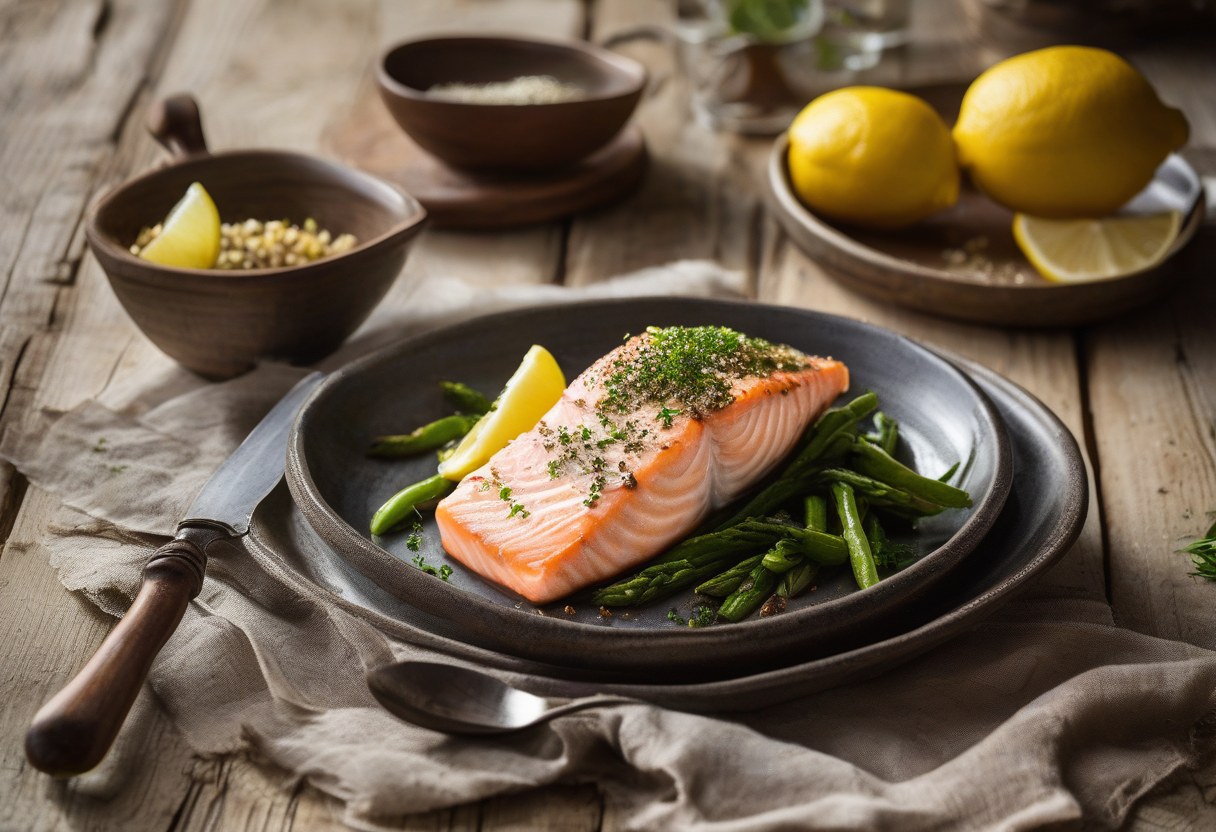
Start by preheating your oven to 400°F (200°C). Place four to six salmon fillets, skin-side down, on a lined baking sheet. Drizzle generously with olive oil and sprinkle your homemade lemon pepper seasoning over the top. For an extra layer of flavor, slice a fresh lemon and place the wedges around the fillets, not directly on top, to infuse the steam with citrus aroma during the baking process.
Bake the salmon for approximately 12 to 15 minutes, depending on the thickness of the fillets. The fish is done when it flakes easily with a fork and reaches an internal temperature of 145°F (63°C). Allow the salmon to cool completely before transferring it to airtight containers. Cooling it fully prevents condensation, which can make the skin soggy and affect the texture of the meat when you reheat it later in the week.
Quinoa and Broccoli Medley
A robust side dish is essential for a balanced plate, and a quinoa and broccoli medley offers both substance and crunch. This combination is cost-effective and stores exceptionally well, maintaining its structure even after several days in the refrigerator. The nutty flavor of the quinoa pairs perfectly with the earthiness of the broccoli, creating a base that supports the bright citrus notes of the salmon.
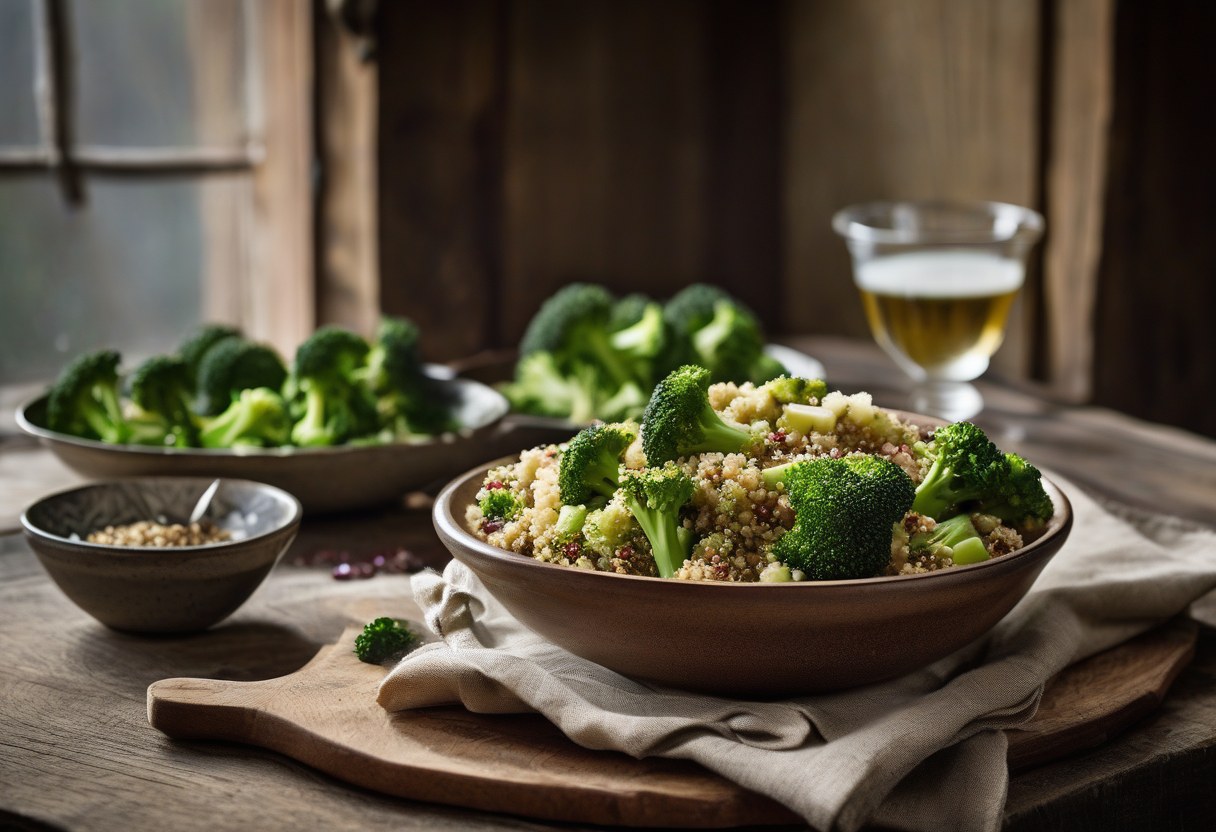
To prepare this side, cook quinoa according to package instructions, using vegetable or chicken stock instead of water for added depth. While the quinoa simmers, steam fresh broccoli florets until they are tender but still vibrant green. Avoid overcooking the broccoli, as it will continue to soften slightly as it cools. Combine the cooked quinoa and broccoli in a large bowl, tossing them with a light coating of olive oil and a pinch of salt and pepper.
Portion this medley into individual containers, ensuring each serving has a good ratio of grain to vegetable. This side is incredibly versatile; if you find you have leftovers, it can be repurposed into a warm salad or a breakfast bowl. The texture remains distinct and pleasant, making it a reliable companion for the salmon throughout the week.
Crispy Roasted Asparagus
Adding roasted asparagus to your meal prep introduces a desirable textural contrast to the soft salmon and fluffy grains. This side is quick to assemble, requiring only a few common ingredients, and it roasts rapidly alongside the fish. The caramelized tips and tender stalks provide a savory element that complements the acidity of the lemon pepper seasoning without overpowering it.
Preheat your oven to the same temperature used for the salmon. Trim the woody ends from the asparagus spears and place them in a single layer on a separate sheet pan. Toss them with olive oil, a squeeze of lemon juice, and a sprinkle of garlic powder. Roast for 10 to 12 minutes, shaking the pan halfway through to ensure even browning. The goal is to achieve a slight char on the tips while keeping the stalks crisp.
Asparagus stores well when cooled and packed into containers, though it is best consumed within three days for optimal texture. If you prefer, you can keep the asparagus raw and store it in a separate container with a damp paper towel, roasting it fresh when you reheat your meal. This option preserves the vibrant green color and the crisp-tender bite, offering a fresh element to your prepped meals.
Herbed Rice Pilaf
If you prefer a grain base over quinoa, herbed rice pilaf is an excellent alternative that enhances the natural taste of the salmon. This dish is easy to batch cook, making it a time-saver for meal prep enthusiasts. The addition of fresh herbs like parsley and dill adds a fragrant aroma that brightens up the plate and ties the various components together into a cohesive meal.
Start by sautéing diced onions and minced garlic in a pot with a tablespoon of butter until translucent. Add long-grain white rice and toast it for a minute, stirring constantly to coat each grain. Pour in chicken or vegetable stock and bring to a boil, then reduce the heat to low and simmer until the liquid is absorbed. Stir in fresh chopped herbs and a squeeze of lemon zest just before serving to preserve their fresh flavors.
Let the rice cool completely before portioning it out, as hot rice can become clumpy when stored. This pilaf keeps well in the refrigerator for up to five days, reheating easily in the microwave or on the stovetop. Its neutral flavor profile makes it a perfect canvas for the strong lemon pepper seasoning, allowing the main protein to shine without competing for attention on the plate.
Citrus Salad with Feta Cheese
For a lighter option or a snack between meals, a citrus salad with feta cheese offers a refreshing change of pace. This salad is quick to assemble and uses common ingredients that are likely already in your pantry. The combination of crisp greens, juicy citrus segments, and crumbled feta creates a complex flavor profile that complements the richness of the salmon and the earthiness of the roasted vegetables.
To make this salad, mix together a variety of greens such as arugula, spinach, or mixed salad leaves. Segment oranges or grapefruits and add the pieces to the greens, being careful to remove any pith. Crumble feta cheese over the top and dress with a simple vinaigrette made from olive oil, lemon juice, Dijon mustard, and a pinch of honey. The acidity of the dressing cuts through the creaminess of the cheese, creating a balanced bite.
Store the dressing separately from the greens and cheese to prevent the salad from becoming soggy. When ready to eat, simply combine the components in a bowl and toss. This salad is best consumed within two days, as the greens begin to wilt after that point. It provides a light, crisp element to your meal rotation, offering variety without requiring extensive cooking time or complex ingredients.
Homemade Lemon Pepper Seasoning Mix
Creating your own lemon pepper seasoning is a simple way to control the flavor profile of your meals without relying on processed additives. This custom blend is economical and can be used for a variety of dishes beyond just salmon, such as chicken, potatoes, or vegetables. The fresh zest and cracked pepper provide a more aromatic and intense flavor than store-bought versions, elevating the overall quality of your meal prep.
Combine one tablespoon of dried lemon zest, two teaspoons of black pepper, one teaspoon of salt, and one teaspoon of garlic powder in a small bowl. Stir until well mixed and transfer to a jar for storage. You can adjust the ratio of salt and pepper to suit your taste preferences, adding more zest for a brighter citrus note or more pepper for a spicier kick. This mix keeps for several months, making it a convenient staple in your spice rack.
Using a homemade seasoning allows you to tailor the intensity of the flavor to your liking. It also ensures that you are not consuming unnecessary fillers or preservatives that are often found in commercial blends. This simple recipe is a great starting point for experimenting with other spice combinations, such as adding paprika for color or rosemary for an herbaceous note. The versatility of this mix makes it an essential tool for any home cook looking to enhance their meal prep efforts.
Salmon-Stuffed Bell Peppers
For those who prefer a different presentation, salmon-stuffed bell peppers offer a creative way to use the cooked salmon. This dish is easy to make in batches and stores well, making it a great option for meal rotation. The sweetness of the peppers contrasts nicely with the savory salmon, creating a balanced and satisfying bite that feels like a complete meal in itself.
Start by halving bell peppers and removing the seeds and membranes. Fill each half with a mixture of cooked salmon, herbed rice, and a spoonful of quinoa and broccoli medley. Top with a slice of lemon and a drizzle of olive oil. Bake at 350°F (175°C) for about 20 minutes, or until the peppers are tender and the filling is heated through. This method allows you to repurpose leftover components into a new dish, reducing waste and adding variety to your week.
These stuffed peppers can be stored in the refrigerator for up to four days. When reheating, place them in an oven-safe dish and cover with foil to prevent drying out. Heat at 350°F (175°C) for about 10 minutes, or until warmed through. This dish is a great option for those who want a more substantial meal, as the peppers provide a satisfying crunch and the filling offers a hearty combination of textures and flavors.
FAQ
How long does this meal prep last?
Most components of this meal prep keep well for up to 5 days when stored properly in airtight containers. The salmon and cooked grains should be consumed within this timeframe to ensure optimal texture and flavor. Raw vegetables like asparagus are best eaten within 3 days, while salads should be consumed within 2 days to maintain freshness.
Can I substitute the salmon with something else?
Yes, you can easily substitute the salmon with chicken breast or tilapia for similar results and ease of cooking. Chicken breast should be seasoned with the same lemon pepper mix and baked until cooked through, while tilapia requires a slightly shorter baking time due to its thinner texture. Both options pair well with the suggested sides and maintain the overall flavor profile of the meal.
What’s the best way to reheat the salmon without drying it out?
Use an oven-safe container, cover the salmon loosely with foil, and heat it in the oven at 350°F (175°C) for about 10 minutes. This method gently warms the fish without exposing it to direct heat, which can cause it to dry out. Alternatively, you can reheat it in a skillet over low heat with a splash of broth to keep it moist. Avoid using the microwave, as it tends to make the texture rubbery.
Which containers are recommended for meal prep storage?
Glass or BPA-free plastic containers work well for storing meal prep components. Ensure that the containers are microwave-safe if you plan to reheat meals directly in them. Glass containers are preferred by many for their durability and lack of chemical leaching, but BPA-free plastics are lighter and more portable for on-the-go meals. Make sure the lids seal tightly to prevent leaks and keep the food fresh.


