Meal Prep Magic: Quick & Cost-Effective Recipes

Download the free printable PDF
Meal preparation is the ultimate time-saving hack for busy schedules, allowing you to enjoy home-cooked meals without the daily hassle. By dedicating a few hours on the weekend to cooking, you can ensure that delicious, ready-to-eat options are waiting for you throughout the week. This approach not only saves time but also helps manage household budgets by reducing food waste and minimizing impulse takeout orders.
In this guide, we explore seven practical recipes that balance flavor, speed, and storage efficiency. Each idea is designed to be simple enough for beginners yet satisfying enough for seasoned cooks. Whether you prefer hearty stews, quick bakes, or vibrant salads, these strategies will help you build a streamlined kitchen routine that fits seamlessly into your lifestyle.
Weeknight Chicken Thighs
Chicken thighs are a cornerstone of efficient meal prep because they remain tender and juicy even after being stored and reheated. Unlike breast meat, which can dry out, thighs have a higher fat content that keeps the flavor profile rich and consistent. To prepare this batch, season bone-in or boneless thighs with a generous mix of garlic powder, lemon zest, and paprika. The combination of citrus and spice creates a bright, savory crust that holds up well in the refrigerator.
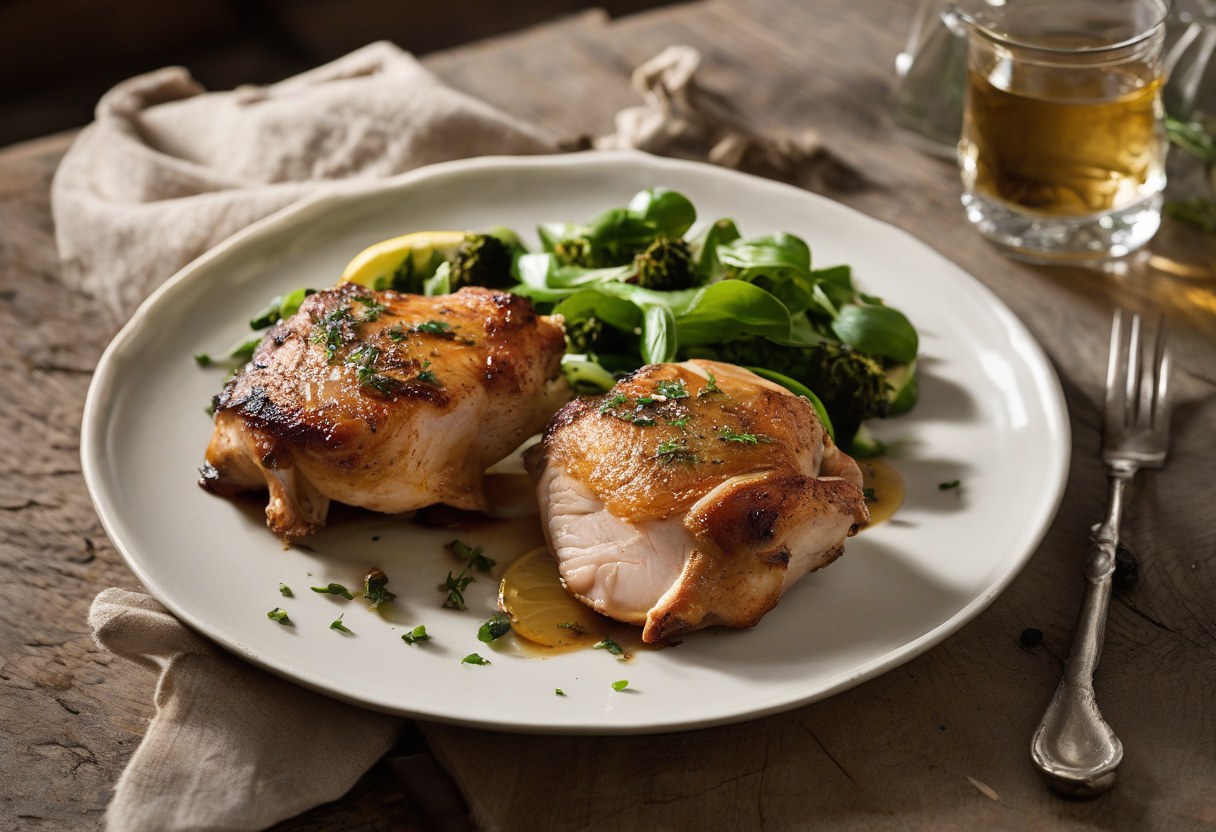
The process involves roasting the chicken on a single sheet pan, which minimizes cleanup time significantly. Place the seasoned thighs on a baking tray lined with parchment paper and bake at a moderate temperature until cooked through. Once cooled, divide the chicken into individual containers. This method ensures that each portion is ready to be grabbed and heated, making it a reliable staple for any weekday dinner. The seasoning can also be adjusted to suit personal tastes, allowing for variety without increasing the complexity of the cooking process.
When it comes to storage, these thighs last up to four days in the fridge. For longer storage, freeze individual portions in airtight containers. Reheating is straightforward; a microwave works well for quick lunches, while an oven restores the crispy texture for a more dinner-like experience. This dish pairs well with simple sides like rice or steamed greens, offering a complete meal solution that is both economical and convenient.
Vegetarian Chili
Chili is one of the best dishes for batch cooking because the flavors deepen over time. A vegetarian version relies on a base of canned tomatoes, various beans, and a robust spice blend to create a hearty texture. This dish is incredibly forgiving, allowing you to use whatever vegetables you have on hand, such as bell peppers, onions, and carrots. The cooking process is mostly hands-off, requiring only a large pot and a slow simmer on the stove.
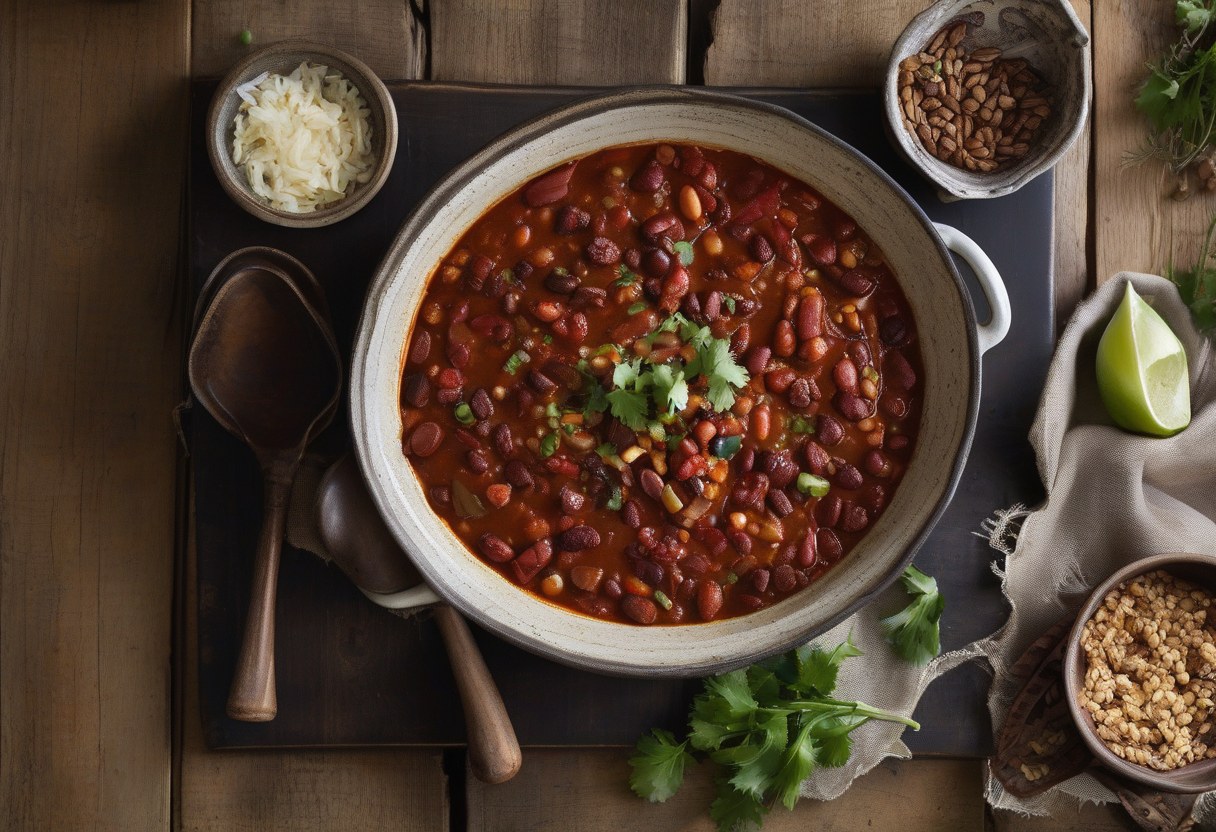
The key to a great chili is the layering of flavors. Start by sautéing aromatics like onions and garlic before adding the canned ingredients. Stir in spices such as cumin, chili powder, and oregano to build depth. Let the mixture simmer for at least an hour to allow the flavors to meld. The result is a thick, savory stew that tastes even better the next day. This makes it an ideal candidate for freezing, as the texture improves upon thawing and reheating.
Portioning chili is easy and efficient. Divide the hot mixture into glass containers while it is still warm to ensure even cooling. This dish freezes beautifully for up to three months, making it a perfect long-term storage option. When ready to eat, simply reheat on the stovetop or in the microwave. The consistency remains stable, and the flavors do not degrade, providing a comforting and reliable meal option for any time of the year.
Egg Muffins
Egg muffins offer a versatile way to prepare breakfast or snacks in large quantities. By using a muffin tin, you can create individual portions that are easy to grab and go. The base is simply beaten eggs mixed with your choice of vegetables and cheese. This method allows for significant customization, meaning you can create different flavors in a single batch. For example, one tin might hold spinach and feta, while another holds diced peppers and cheddar.
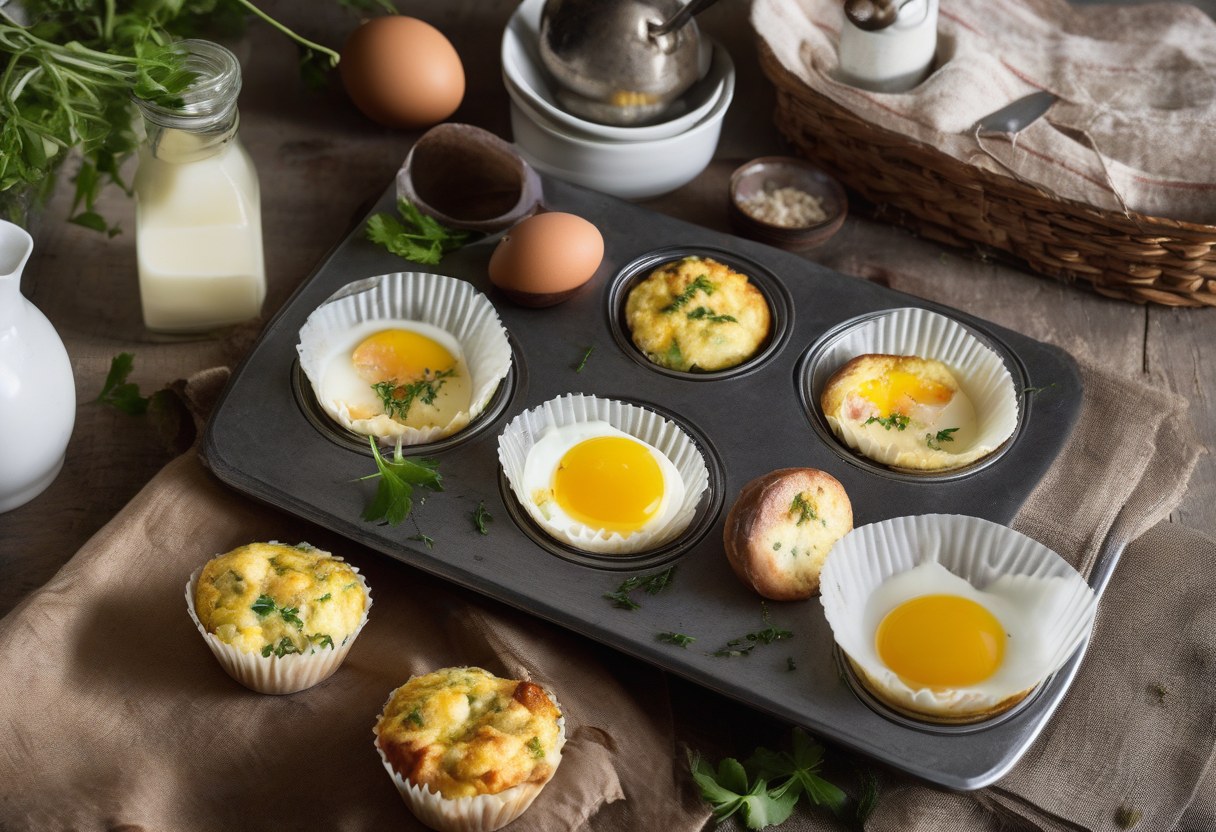
The preparation time is minimal, requiring only a few minutes of mixing and a standard baking time. Once baked, the muffins cool quickly and can be stored in the refrigerator for up to five days. They are also excellent for freezing, which is useful for planning ahead during particularly busy periods. The texture is fluffy and satisfying, providing a quick protein source without the need for complex cooking techniques. This makes them a practical solution for those who want to avoid scrambling eggs every morning.
Reheating egg muffins is quick and easy. A short burst in the microwave restores their warmth and softness. They can be eaten as is or served with a side of fruit or toast. The beauty of this recipe lies in its flexibility; you can swap ingredients based on what is available in your fridge, reducing waste. This adaptability ensures that you never get bored of your prepped meals, keeping your routine fresh and engaging.
Pasta Primavera
Pasta primavera is a classic Italian dish that translates well to meal prep due to its simple ingredients. The dish features pasta tossed with a variety of seasonal vegetables, olive oil, and parmesan cheese. The key to successful meal prep is to undercook the pasta slightly, known as al dente, so that it does not become mushy when reheated. This technique preserves the texture, ensuring that the dish tastes fresh even days after cooking.
To assemble, cook the pasta and sauté the vegetables separately. Combine them in a large bowl with olive oil, garlic, and grated parmesan. The dressing can be added just before serving to prevent the pasta from becoming soggy. If prepping in advance, store the pasta and vegetables separately and combine them when reheating. This separation is crucial for maintaining quality and preventing the dish from turning into a gluey mass.
This recipe is cost-effective because it relies on inexpensive staples like pasta and common vegetables. It reheats easily in the microwave, making it a quick lunch or dinner option. The vibrant colors and varied textures make it visually appealing, which is a plus for those who enjoy a bit of variety in their meals. By keeping the components separate until the last moment, you ensure that each portion is as fresh as the first bite.
Sheet Pan Tacos
Sheet pan tacos are a modern twist on a traditional favorite, designed for minimal effort and maximum flavor. This method involves cooking seasoned ground beef, peppers, and onions on a single tray. The high heat of the oven caramelizes the edges of the vegetables and browns the meat, creating a rich, savory filling. This approach significantly reduces the number of dishes to wash, making it a favorite for busy households.
Start by mixing the ground beef with taco seasoning and spreading it evenly on a baking sheet. Add sliced peppers and onions to the tray, ensuring they are not crowded. Bake until the meat is cooked through and the vegetables are tender. Once cooked, shred the cheese and sprinkle it over the top. The heat from the pan will melt the cheese, creating a cohesive and delicious filling that is ready to be portioned.
Portioning sheet pan tacos is straightforward. Divide the cooked mixture into containers and store with tortillas separately. This prevents the tortillas from becoming soggy. When ready to eat, reheat the filling and warm the tortillas in the microwave or on a dry pan. This method allows for easy customization, as you can add various toppings like salsa, guacamole, or lettuce at the time of eating. The result is a fresh, flavorful meal that feels homemade without the daily labor.
Savory Rice Bowls
Rice bowls are the epitome of flexible meal prep. They provide a neutral base that can be topped with a variety of proteins, vegetables, and sauces. This dish is particularly useful for utilizing leftovers, as you can add whatever cooked proteins or roasted vegetables you have on hand. The base is typically a mix of white or brown rice, which is inexpensive and stores well. Preparing a large batch of rice on the weekend ensures that you have a foundation for multiple meals.
To build the bowl, start with a portion of rice. Add a protein such as grilled chicken or tofu, followed by pickled vegetables for a tangy contrast. Finish with a drizzle of sesame sauce and a sprinkle of sesame seeds. The components can be stored separately in a compartmentalized container. This separation keeps the rice dry and the toppings crisp, ensuring that the texture is pleasant when eaten. The visual appeal of the colorful components makes this dish inviting and satisfying.
The cost-effectiveness of rice bowls is evident in the low price of the base ingredients. Rice is a staple that lasts a long time, and the toppings can be sourced from sale items or leftovers. This strategy helps reduce food waste and keeps your grocery bill low. Reheating is simple; warm the rice and protein, and add the cold toppings just before eating. This method ensures that the fresh elements remain crisp and vibrant, providing a balanced and enjoyable meal experience.
Lentil Soup
Lentil soup is a hearty, comforting dish that is both economical and easy to prepare. Lentils are a cheap legume that cooks quickly, making them ideal for weeknight cooking. The soup is made with a base of carrots, celery, and tomatoes, creating a classic mirepoix that forms the flavor foundation. This dish is perfect for batch cooking, as it can be made in a large pot and stored in portions for the week ahead.
Begin by sautéing the vegetables in a large pot, then add the lentils and broth. Simmer until the lentils are tender, which usually takes about 20 to 30 minutes. The resulting soup is thick and savory, with a texture that holds up well during storage. This makes it an excellent candidate for freezing, as it does not suffer from texture degradation upon thawing. The simplicity of the ingredients means that the focus is on the natural flavors of the lentils and vegetables.
Portion the soup into containers while it is still warm. This ensures even cooling and reduces the risk of bacterial growth. Lentil soup freezes well for up to three months, making it a reliable option for long-term meal planning. When ready to eat, simply thaw and reheat on the stovetop or in the microwave. The flavor remains robust and satisfying, providing a warm and comforting meal that is quick to prepare when time is short. This dish is a testament to the power of simple, affordable ingredients.
FAQ
How long does meal prep last in the fridge/freezer?
Most cooked meals last up to one week in the refrigerator if stored in airtight containers. For longer storage, soups, stews, and chili can be frozen for up to three months without significant loss of quality. It is best to label containers with the date of preparation to keep track of freshness and ensure you consume meals within the recommended timeframes.
What are some tips for reheating prepped meals without losing flavor?
To retain moisture and flavor, reheat dishes in the microwave with a lid or cover. Adding a small splash of water or broth before microwaving can help prevent drying out. For oven-reheating, cover the dish with foil to trap steam. This method helps maintain the texture and taste of the food, ensuring that each meal tastes as fresh as when it was first cooked.
Which containers are best for meal prep?
Glass containers are ideal for meal prep because they are durable, easy to clean, and safe for reheating in the microwave or oven. BPA-free plastic containers are also a good option, as they are lightweight and stackable. Choose containers with tight-fitting lids to prevent leaks and maintain freshness. Having a variety of sizes allows for better organization and portion control.
How can I substitute ingredients if I don’t have them on hand?
Flexibility is key in meal prep. For vegetarian chili, you can swap black beans for chickpeas or kidney beans. In chicken thigh recipes, pork tenderloin or turkey can be used as alternatives. For egg muffins, any leftover cooked vegetables can replace spinach or peppers. This adaptability ensures that you can still create delicious meals even when specific ingredients are unavailable.


