Quick & Creamy Ranch Broccoli Pasta Guide

Download the free printable PDF
There is something undeniably comforting about the marriage of creamy ranch dressing and tender pasta, especially when bright green broccoli florets are folded into the mix. This dish has become a staple in many kitchens because it balances bold, herby flavors with a rich texture that feels indulgent yet comes together in under thirty minutes. Whether you are looking for a quick weeknight supper or a make-ahead meal that stores well, this versatile recipe offers endless possibilities for customization.
The Classic Ranch Broccoli Pasta
The foundation of any great ranch broccoli pasta is the sauce itself. You do not need to rely solely on bottled dressing; instead, you can create a richer, more cohesive coating by combining mayonnaise or sour cream with buttermilk and a robust packet of dry ranch seasoning mix. This method allows the flavors to meld directly with the starchy pasta water, creating an emulsion that clings beautifully to every noodle. The key is to reserve some of the cooking water before draining, as this liquid is essential for achieving that silky, restaurant-quality consistency without making the dish greasy.
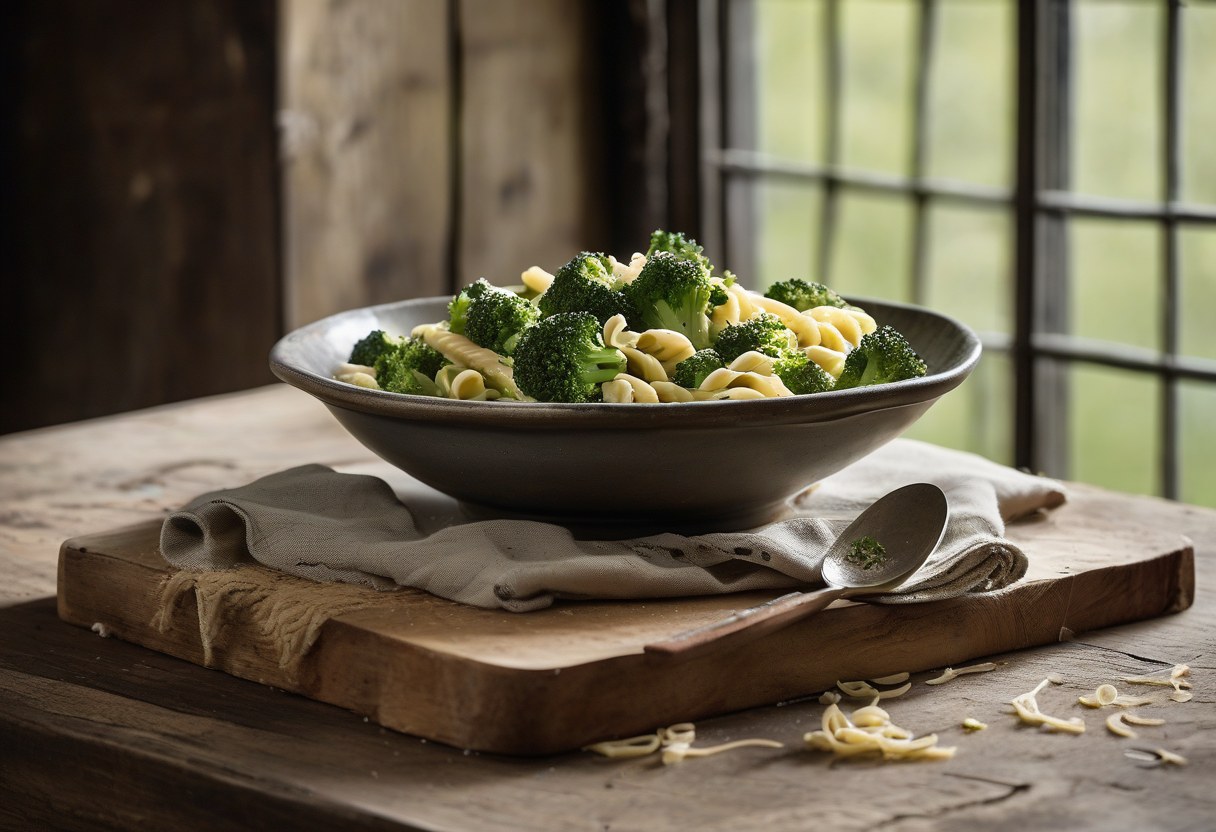
To execute this dish perfectly, start by boiling your preferred pasta shape—penne or rotini work exceptionally well because they trap the sauce. While the water comes to a boil, blanch fresh broccoli florets in a separate pot for just two minutes until they are bright green and tender-crisp. Shocking them in an ice bath preserves their vibrant color and prevents overcooking when they are later mixed into the hot pasta. Once the pasta is al dente, drain it but keep that starchy water handy. In a large bowl, whisk together your ranch base ingredients, then toss in the hot pasta and broccoli. Add splashes of reserved pasta water until the sauce reaches your desired thickness.
This classic version is all about speed and simplicity. It requires minimal equipment, typically just two pots and a large mixing bowl. The result is a dish that feels decadent due to the creamy texture but is surprisingly light on the palate thanks to the sharp, tangy notes of the ranch herbs. It serves as the perfect canvas for additional toppings, such as crispy bacon bits or extra grated cheese, if you wish to elevate the flavor profile further.
Broccoli Ranch Pasta Salad
Transforming this hot dish into a cold salad is an excellent strategy for summer gatherings or lunchbox packing. The primary difference lies in how you handle the pasta and the cooling process. You must cook the pasta until it is slightly underdone, as it will continue to firm up as it cools. After draining, rinse the noodles thoroughly under cold water to stop the cooking process completely. This step ensures that the pasta retains its bite and does not become mushy when mixed with the dressing.
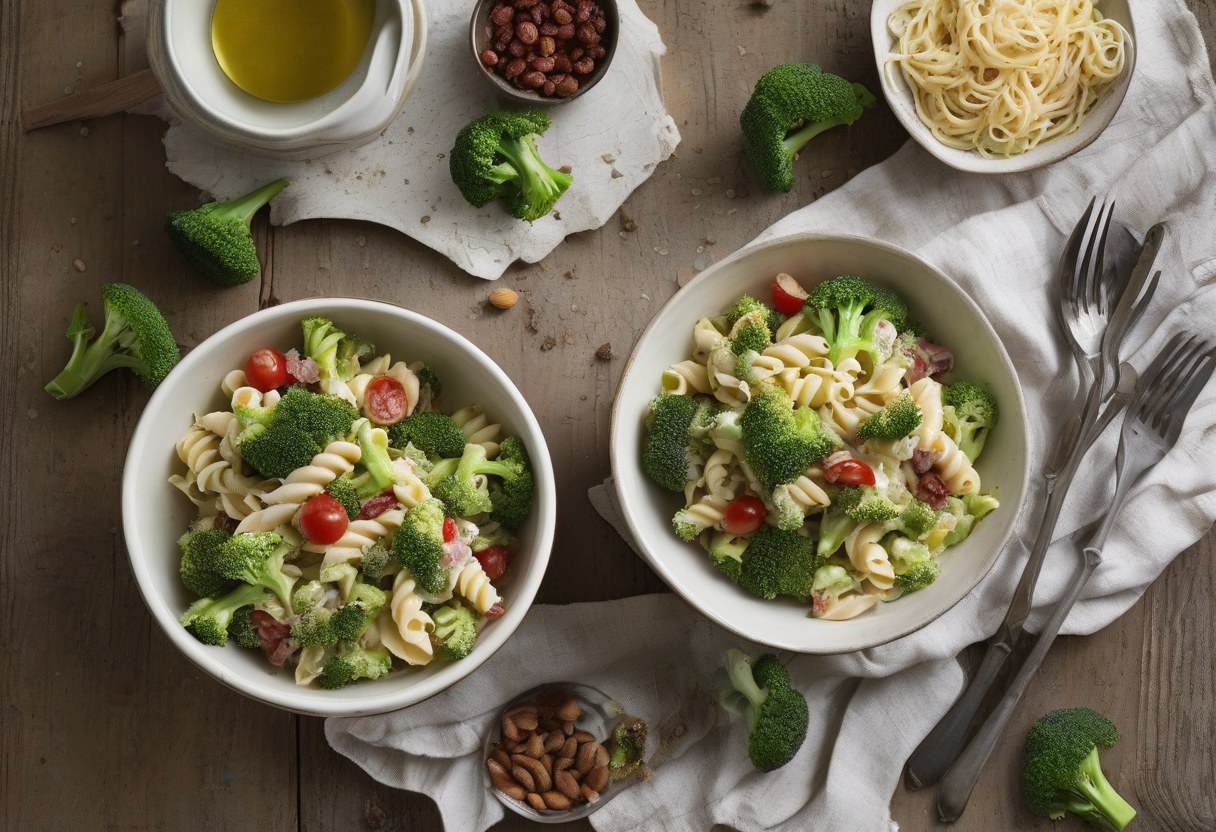
For the salad version, increase the quantity of ranch dressing slightly, as the cold ingredients will not absorb the liquid as readily as hot ones would. Toss the cooled pasta and blanched broccoli with the dressing, along with any other desired mix-ins like red onion or cherry tomatoes. Let the salad sit in the refrigerator for at least an hour before serving. This resting period allows the flavors to penetrate the pasta and vegetables, resulting in a more cohesive and flavorful bite. The cold temperature also mellows out the sharpness of the ranch, creating a refreshing and zesty profile.
This adaptation is particularly popular for potlucks because it holds up well at room temperature for short periods and can be transported easily. It offers a departure from traditional mayonnaise-heavy pasta salads by using the ranch flavor as the star. The crunch of the broccoli provides a necessary textural contrast to the soft noodles, ensuring that every spoonful is interesting and satisfying. Plus, it travels well without separating, making it a reliable choice for outdoor events.
Bached Ranch Broccoli Pasta for Freezing
Meal prepping this dish is incredibly efficient, allowing you to cook once and eat multiple times throughout the week. When batch cooking, the ratio of sauce to pasta should be adjusted slightly upwards, as frozen meals often lose some moisture during storage and reheating. Use a larger pot to boil enough pasta for several servings, ensuring it is cooked al dente so it does not disintegrate upon reheating. Blanching large quantities of broccoli requires a big pot of water, but the technique remains the same: brief cooking followed by rapid cooling.
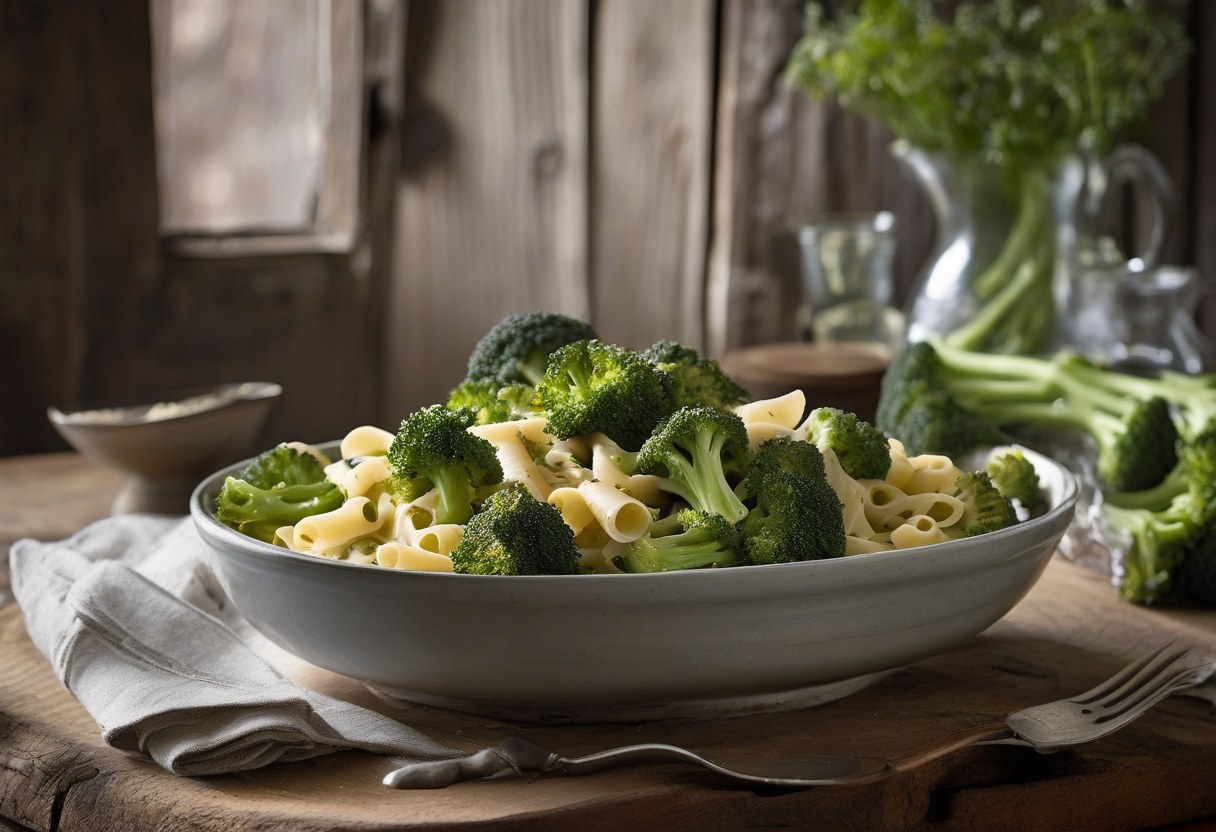
Before freezing, allow the assembled pasta to cool completely to room temperature. Placing hot food directly into the freezer can raise the internal temperature of the appliance, potentially affecting other stored items and creating ice crystals on your meal. Portion the pasta into individual serving containers or large family-sized bags. If using bags, squeeze out as much air as possible before sealing to prevent freezer burn. Label each container with the date; this dish maintains its best quality for up to three months in the freezer.
When you are ready to eat, thaw the portion in the refrigerator overnight or use the defrost setting on your microwave. Reheating frozen creamy pasta can sometimes result in a separated sauce, so adding a splash of milk or water during the reheating process helps restore the emulsion. Stirring frequently while heating ensures that the broccoli and pasta warm evenly. This method saves significant time during busy weeks, providing a hot, flavorful meal with minimal active effort.
Cheesy Ranch Broccoli Pasta Bake
Elevating the dish into a casserole format adds a delightful crunch and extra richness. To create this bake, spread your prepared ranch broccoli pasta into a greased baking dish. The base layer should be evenly distributed to ensure consistent cooking. Top the pasta with a generous amount of shredded cheddar, mozzarella, or a blend of both cheeses. For an added textural element, consider sprinkling crushed buttery crackers or panko breadcrumbs over the cheese before baking.
Place the dish in a preheated oven at 375°F (190°C) for approximately twenty to twenty-five minutes, or until the cheese is melted and bubbly and the top is golden brown. The heat helps to meld the flavors further, creating a unified taste experience that is distinct from the stovetop version. The edges of the pasta may crisp up slightly, adding a pleasant contrast to the creamy interior. This baked version is particularly comforting during colder months and feels like a treat despite its simple ingredients.
One advantage of the bake method is that it allows for easy customization with additional layers. You could add a layer of cooked bacon or diced ham between the pasta and the cheese for extra savory depth. The baking process also helps to set the sauce, making it easier to serve without it running off the plate. This hearty iteration is perfect for feeding a crowd, as it can be easily scaled up by using a larger roasting pan.
Ranch Chicken & Broccoli Pasta
Incorporating protein into this dish transforms it from a side or light meal into a substantial main course. Grilled or pan-fried chicken breasts are the most common addition, offering a mild flavor that complements the strong ranch profile without overpowering it. Slice the chicken into bite-sized pieces before cooking to ensure quick preparation and even heating. Season the chicken with a light dusting of ranch powder as well, so every piece carries the signature flavor from within.
Once the chicken is cooked through, let it rest for a few minutes before slicing it against the grain. This technique ensures that the meat remains tender and juicy. Toss the sliced chicken into the pasta mixture just before serving, or fold it in during the final stage of heating if you are making the hot version. The combination of creamy pasta, crisp-tender broccoli, and savory chicken creates a balanced plate that satisfies hunger effectively.
This variation is also excellent for using leftover cooked chicken. If you have grilled chicken from a previous meal, simply chop it up and stir it into the warm pasta. This reduces food waste and speeds up preparation time significantly. The richness of the ranch sauce helps to moisten any slightly dried-out chicken, reviving it and integrating it seamlessly into the dish. It is a practical way to maximize ingredients while delivering a delicious result.
Veggie-Loaded Ranch Broccoli Pasta
If you wish to increase the vegetable content in this meal, there are numerous options that pair well with ranch dressing. Bell peppers, peas, and carrots are excellent choices that add color, sweetness, and varied textures. Dice the bell peppers into small strips or cubes, and blanch them alongside the broccoli for a minute or two. Peas can be added directly to the pasta water in the last minute of cooking, ensuring they remain bright green and sweet.
Incorporating these additional vegetables requires adjusting the amount of sauce slightly. More vegetables mean more surface area that needs to be coated, so you may need to increase the ranch mixture by twenty-five percent. This ensures that no bite is dry or bland. The sweetness of the peas and carrots contrasts nicely with the tangy, herbal notes of the ranch, creating a complex flavor profile. This version is visually appealing, with a rainbow of colors that makes the dish look fresh and appetizing.
You can also experiment with other vegetables like spinach or zucchini. Spinach wilts quickly and can be stirred in at the very end, adding a subtle earthiness. Zucchini should be diced small and sautéed briefly before being added to the pasta to remove excess moisture. These additions allow you to customize the dish based on what is available in your fridge, making it a flexible option for reducing food waste while enjoying a flavorful meal.
Gluten-Free Ranch Broccoli Pasta
Making this dish gluten-free is straightforward and does not compromise on taste. The primary substitution involves using a high-quality gluten-free pasta. Brands made from rice, corn, or chickpea flour work well, but it is important to follow the package instructions carefully, as cooking times can vary. Gluten-free pasta often releases more starch into the water, which can actually help thicken the sauce naturally.
Ensure that all other ingredients are certified gluten-free, particularly the ranch seasoning mix and any cheeses used. Some processed seasonings contain wheat-based fillers or anti-caking agents. Check labels thoroughly to avoid cross-contamination. The broccoli and dairy components are naturally gluten-free, so the focus remains on the pasta and dry mixes. This adaptation allows those with specific dietary needs or preferences to enjoy the same creamy, comforting meal.
Gluten-free pasta can sometimes become gummy if overcooked, so it is crucial to drain it promptly and toss it with the sauce immediately. The acidity in the ranch dressing can help cut through any heaviness that gluten-free noodles might present. This version proves that ingredient substitutions do not mean sacrificing flavor or texture. With careful attention to ingredient selection, the result is a dish that is just as satisfying and convenient as the traditional wheat-based counterpart.
FAQ
How long does ranch broccoli pasta keep in the fridge?
This dish can be stored safely in an airtight container for up to 5 days, making it great for meal prepping. Ensure the container is sealed tightly to prevent the pasta from drying out or absorbing other odors from the refrigerator.
Can I reheat ranch broccoli pasta, and if so, how?
Reheat leftovers by microwaving for about 1-2 minutes or simmering on the stove with a splash of milk or broth. Adding liquid helps to restore the creamy consistency that may have thickened during storage.
What are good container options for storing ranch broccoli pasta?
Use microwave-safe containers with tight-fitting lids to preserve freshness and prevent leaks when reheating. Glass containers are ideal as they do not retain stains or odors from the creamy sauce.
Are there easy substitutions for ingredients in this recipe?
Swap chicken for tofu, use vegetable stock instead of water, or replace Parmesan cheese with nutritional yeast for a vegan version. These swaps maintain the structural integrity of the dish while accommodating different dietary preferences.


