Quick & Creamy Salsa Chicken Breasts Guide

Download the free printable PDF
Chicken breast is the ultimate canvas for bold flavours, and pairing it with salsa and cream creates a dish that is both comforting and exciting. This guide walks you through mastering the creamy salsa chicken technique, from quick weeknight dinners to batch-cooking strategies that save time and money.
Basic Creamy Salsa Chicken
The foundation of this recipe lies in its simplicity and speed. You can have a delicious meal on the table in under thirty minutes, making it ideal for busy schedules when you need something substantial but low-effort. The key is to balance the acidity of the salsa with the richness of the cream, ensuring neither flavour overpowers the other.
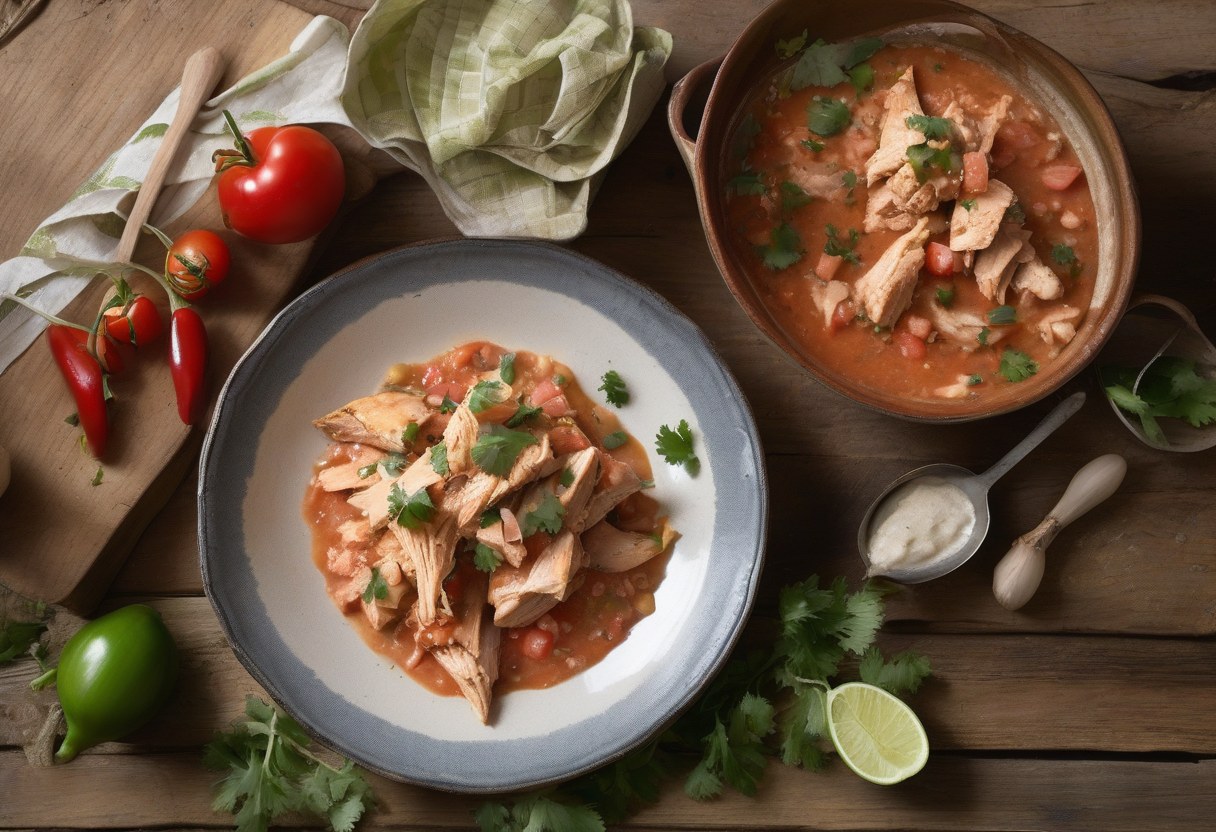
Start by seasoning your chicken breasts with salt and pepper, then sear them in a large skillet over medium-high heat until golden brown on both sides. This step is crucial for developing a deep, savoury crust that adds texture to the final dish. Once cooked through, remove the chicken from the pan and set it aside, leaving behind those flavorful browned bits stuck to the bottom of the pot.
In the same pan, pour in your chosen salsa—whether mild or hot—and let it simmer for a minute to warm through and deglaze the pan. Stir gently to lift any caramelised residues, which will infuse the sauce with extra depth. Finally, lower the heat and stir in heavy cream or crème fraîche until you achieve a smooth, velvety consistency. Return the chicken to the pan, spooning the sauce over the top, and let it simmer for two minutes so the flavours meld together perfectly.
Spicy Lemon Herb Seasoning Mix
While store-bought seasonings are convenient, creating your own blend allows you to control the intensity of the heat and freshness. A spicy lemon herb mix adds a zesty kick that cuts through the richness of the cream sauce, elevating the dish from simple to sophisticated without requiring expensive ingredients. This homemade approach also ensures you avoid unnecessary additives often found in commercial packets.
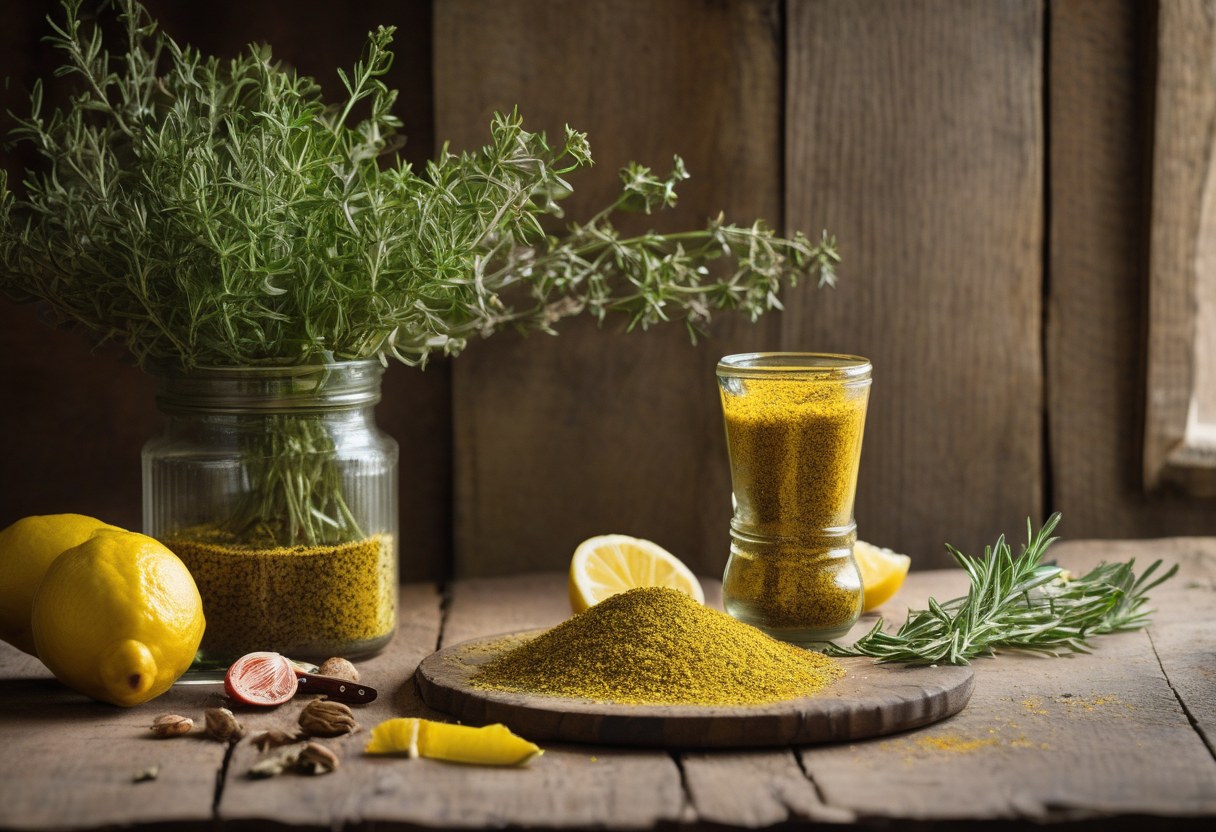
To make this versatile seasoning, combine dried oregano, smoked paprika, garlic powder, and a pinch of cayenne pepper for heat. The secret ingredient is freshly grated lemon zest, which provides an aromatic brightness that dried herbs alone cannot achieve. Mix these dry ingredients with coarse sea salt and ground black pepper, then store the blend in an airtight jar at room temperature. This mixture not only enhances chicken but also works beautifully with roasted vegetables or fish.
Apply this seasoning generously to the chicken breasts before searing them. The oil in the pan helps to bloom the spices, releasing their essential oils and creating a fragrant aroma that will fill your kitchen. You can adjust the cayenne content based on your preference for spice; start with a quarter teaspoon for a mild warmth or increase it for those who enjoy a fiery kick. This custom blend ensures every bite is packed with complex, layered flavours.
Batch Cooking Tips & Storage Guide
Creamy salsa chicken is exceptionally well-suited for batch cooking, allowing you to prepare multiple meals at once and save valuable time during the week. When making larger quantities, ensure your skillet is large enough to accommodate all the chicken without overcrowding, which can lead to steaming rather than searing. If necessary, cook the chicken in two or three batches to maintain that desirable golden-brown crust.
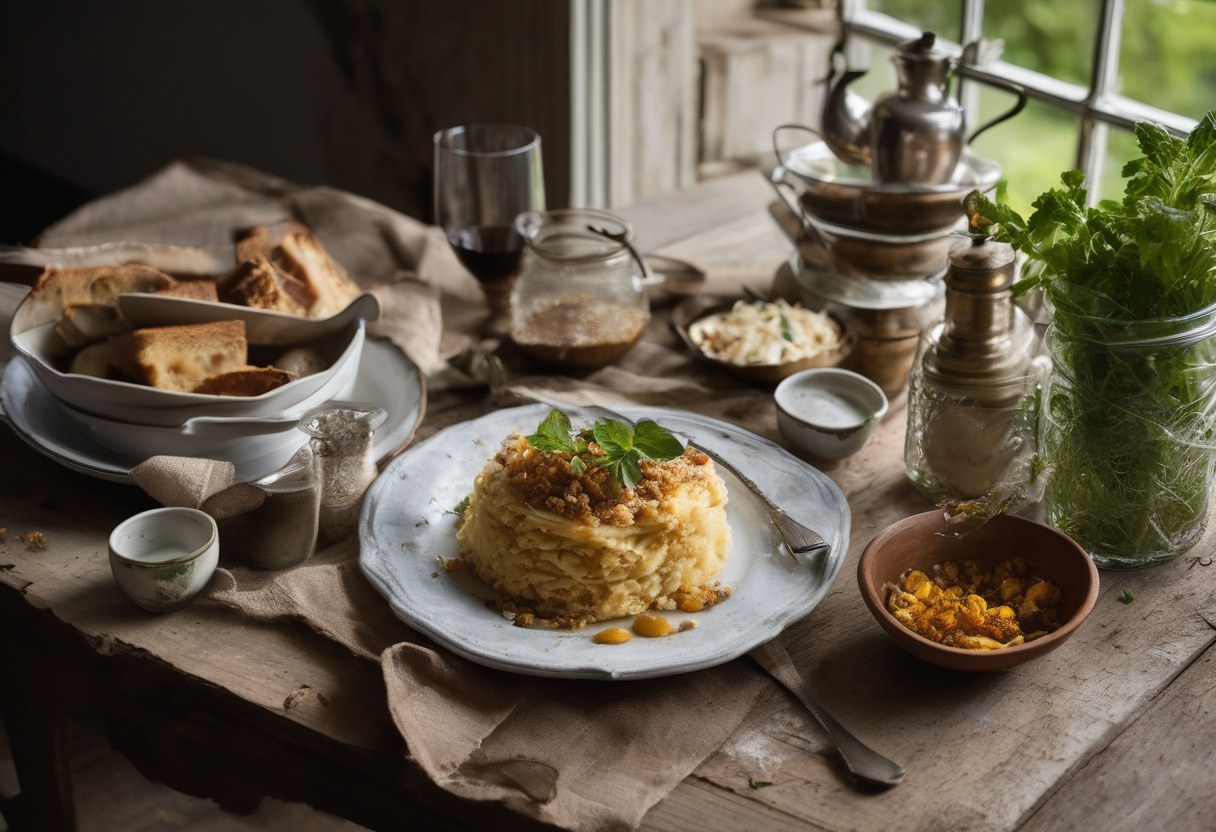
Proper storage is vital for maintaining quality and safety. Once the dish has cooled completely to room temperature, transfer it into airtight containers. Glass containers are preferable as they do not retain odours or stains from the tomato-based salsa. Label each container with the date of preparation to keep track of freshness. In the refrigerator, this dish will remain safe and tasty for up to four days, making it perfect for lunch boxes or quick dinners.
For longer storage, you can freeze portions of the creamy salsa chicken. However, be mindful that dairy-based sauces can sometimes separate when frozen and thawed. To mitigate this, consider freezing the cooked chicken and the salsa sauce separately, then reheating them together and stirring in fresh cream just before serving. This method preserves the texture of the sauce while still offering the convenience of a pre-prepared meal. Ensure you leave some headspace in your freezer bags to allow for expansion.
Cheesy Creamy Salsa Chicken Casserole
Transforming the skillet dish into a casserole is an excellent way to stretch ingredients and create a family-friendly meal that appeals to all ages. By adding shredded cheese and breadcrumbs, you introduce new textures and a gooey, comforting element that makes this dish feel indulgent. This version is particularly popular for weekend dinners or when hosting guests who prefer hearty, portion-controlled servings.
Begin by assembling the creamy salsa chicken in a baking dish instead of serving it directly from the pan. Spread the mixture evenly, ensuring each piece of chicken is coated in the rich sauce. Next, generously sprinkle shredded cheddar or Monterey Jack cheese over the top. These cheeses melt beautifully and complement the tangy salsa without overpowering the subtle herb notes in the seasoning mix.
For added crunch, mix panko breadcrumbs with a little melted butter and dried parsley, then scatter this mixture over the cheese layer. Bake in a preheated oven at 180°C (350°F) for about twenty minutes, or until the cheese is bubbly and golden brown. This method not only enhances the visual appeal but also creates a delightful contrast between the crispy topping and the tender, saucy interior. It reheats exceptionally well, making it a fantastic candidate for meal prep.
Chicken Breast Variations: Marinated or Roasted
Varying your cooking method can significantly alter the texture and flavour profile of the dish, keeping it interesting even when using the same core ingredients. Marinating the chicken breasts before cooking allows the spices to penetrate deeper into the meat, resulting in a more intense flavour experience. A simple marinade of olive oil, lime juice, and the spicy lemon herb blend can sit with the chicken for as little as thirty minutes or up to overnight for maximum impact.
If you prefer a hands-off approach, roasting is an excellent alternative to pan-searing. Place the marinated chicken breasts on a baking sheet lined with parchment paper and roast until cooked through. This method requires minimal cleanup and allows you to prepare other components of your meal simultaneously. The dry heat of the oven concentrates the flavours, yielding a slightly firmer texture that holds up well in creamy sauces.
Regardless of the cooking method, ensure the internal temperature of the chicken reaches 75°C (165°F) for safety. Whether you choose to marinate for deeper flavour infusion or roast for convenience and ease, the final step of combining the cooked chicken with the warm salsa cream sauce remains the same. This flexibility allows you to adapt the recipe to your available time and kitchen equipment without compromising on taste.
Salsa Chicken Tacos or Wraps
Leftover creamy salsa chicken is incredibly versatile and serves as an excellent filling for tacos or wraps, offering a quick solution for busy weeknights. The combination of tender chicken, rich sauce, and fresh toppings creates a balanced meal that feels light yet satisfying. This application transforms the leftover protein into a new culinary experience, preventing menu fatigue while utilising ingredients you likely already have on hand.
To assemble, warm up soft flour tortillas or corn shells and spoon a generous portion of the shredded chicken mixture onto each one. Add fresh toppings such as diced avocado, sliced radishes, chopped cilantro, and a squeeze of lime juice to brighten the dish. The cool, crisp vegetables provide a refreshing contrast to the warm, creamy chicken, enhancing the overall eating experience with varied textures and temperatures.
This format is particularly useful for meal prep lunches, as the components can be stored separately and assembled just before eating to prevent sogginess. Keep the chicken in one container and the tortillas and toppings in another, then combine them when ready to eat. It’s a practical way to enjoy restaurant-quality flavours at home with minimal effort and maximum convenience.
Creamy Salsa Soup with Chicken
When you have an abundance of leftovers or want to switch things up entirely, transforming the creamy salsa chicken into a soup is a comforting and easy option. This method extends the life of your meal while providing a warm, inviting dish perfect for colder weather. The process involves simply adding liquid to the existing mixture, creating a hearty broth that retains all the original flavours.
In a large pot, combine the leftover creamy salsa chicken with chicken stock or water until it reaches your desired consistency. Bring the mixture to a gentle simmer, allowing the flavours to meld further as they heat up. You can enhance the soup by adding cooked rice, pasta, or diced potatoes for additional substance. These additions make the meal more filling and provide a pleasant textural contrast to the tender chicken.
Finish the soup with a dollop of sour cream or Greek yogurt and a sprinkle of fresh herbs just before serving. This final touch adds a creamy richness that complements the zesty salsa base. The resulting dish is robust and flavourful, making it an excellent way to utilise leftovers without feeling like you are repeating the same meal. It’s a practical solution for reducing food waste while enjoying a delicious, home-cooked soup.
FAQ
How long does the Creamy Salsa Chicken keep in the fridge/freezer?
In the refrigerator, stored in an airtight container, the dish remains safe to eat for up to four days. For freezing, it is best consumed within three months to maintain optimal flavour and texture, though it may remain safe longer if kept at a constant temperature of -18°C or below.
Can I reheat this dish without losing flavor or texture?
Yes, reheating gently on the stove over low heat is the best method to preserve the creamy texture. If using a microwave, stir halfway through heating to ensure even warmth and prevent separation. Adding a splash of milk or cream during reheating can help restore the sauce's richness if it has thickened too much.
What are some good containers to store batch-cooked chicken?
Glass containers with tight-fitting lids are ideal as they do not absorb odours or stains from the salsa. BPA-free plastic containers are also suitable for freezing, provided they are labelled and dated. Ensure the containers are leak-proof if transporting the meal in a bag.
Are there any ingredient substitutions that work well?
You can substitute heavy cream with coconut milk for a dairy-free option, which adds a subtle sweetness. For the chicken, thighs can be used instead of breasts for a more forgiving texture and richer flavour. Different types of salsa, such as pico de gallo or roasted tomato, will alter the taste profile but work equally well in this recipe.


