Quick & Creamy Yogurt Curry Sauce Guide

Download the free printable PDF
Transform your weeknight dinners with a versatile yogurt curry sauce that brings rich, aromatic flavors to the table in minutes. This creamy base is incredibly adaptable, allowing you to elevate simple ingredients like chickpeas, shrimp, or stir-fried vegetables into restaurant-quality meals without the hassle of complex techniques.
The Foundation: Basic Yogurt Curry Sauce
The secret to a truly exceptional curry lies in its sauce, and this yogurt-based version offers a luxurious texture that coats every bite perfectly. Unlike heavy cream sauces that can feel overly rich, the yogurt provides a tangy balance that cuts through the warmth of the spices. The beauty of this recipe is its speed; you can whip up a batch in under ten minutes using ingredients likely already sitting in your pantry or fridge.
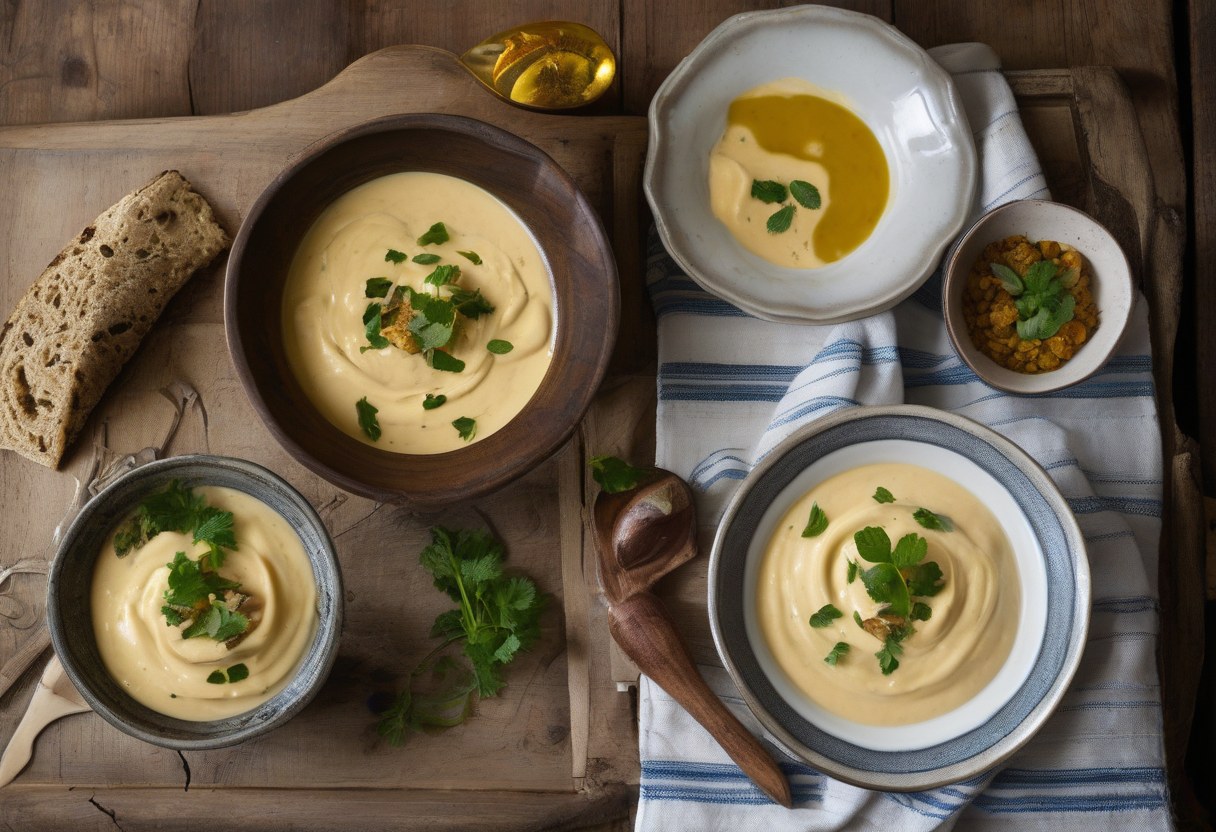
To begin, start by heating a tablespoon of neutral oil or ghee in a small saucepan over medium heat. Add one teaspoon of ground cumin and one teaspoon of ground coriander, stirring constantly for about thirty seconds until the spices become fragrant. This brief toasting step is crucial as it unlocks the essential oils within the spices, preventing them from tasting raw or dusty in the final dish. Once aromatic, reduce the heat to low and add two tablespoons of curry powder. The type of curry powder you use will dictate the overall flavor profile, so choose a blend that suits your preference for mild or spicy heat.
Next, remove the pan from the heat entirely before adding one cup of full-fat plain yogurt. Adding dairy while the pan is still hot can cause the proteins to curdle, resulting in a grainy texture rather than a smooth pour. Stir the yogurt into the warm spice mixture gently but thoroughly until it forms a homogeneous, creamy sauce. Season with a pinch of salt and a squeeze of fresh lemon juice to brighten the flavors. This base is now ready to be used immediately or stored for later use, offering a flexible foundation for any number of curry dishes.
Vegetarian Chickpea Curry Bowl
This hearty bowl combines the creamy yogurt sauce with savory chickpeas and a medley of colorful vegetables to create a satisfying meal that holds up well for meal prep. The earthiness of the chickpeas pairs wonderfully with the tangy spice profile, while roasted or sautéed vegetables add necessary texture and variety. It is an excellent option for those looking to plan their lunches in advance, as the flavors often meld and deepen over time.

Start by draining and rinsing a can of chickpeas, then pat them dry with a kitchen towel. In a large skillet, heat a splash of oil and add the chickpeas along with diced red onion and minced garlic. Sauté until the onions are translucent and the chickpeas begin to develop a slight golden crust. This browning process adds a layer of depth and chewiness that distinguishes this dish from boiled alternatives. Once the vegetables are softened, pour in half a cup of vegetable broth to deglaze the pan, scraping up any flavorful browned bits from the bottom.
Reduce the heat to low and stir in half a cup of the prepared yogurt curry sauce. Allow the mixture to simmer gently for five minutes, ensuring the chickpeas are heated through and coated evenly in the creamy sauce. Serve this over a bed of fluffy basmati rice or quinoa for a complete meal. The combination of textures—soft chickpeas, tender vegetables, and smooth sauce—creates a comforting dining experience that is both economical and delicious. This dish stores exceptionally well, making it a staple for busy weekdays.
Shrimp Coconut Curry
For a quick seafood option that feels indulgent yet comes together in under twenty minutes, this shrimp coconut curry is a standout choice. Using pre-cooked or quickly sautéed shrimp ensures the protein remains tender and does not overcook, which is a common pitfall with shellfish. The addition of coconut milk alongside the yogurt sauce creates a complex, layered flavor profile that is both creamy and aromatic.
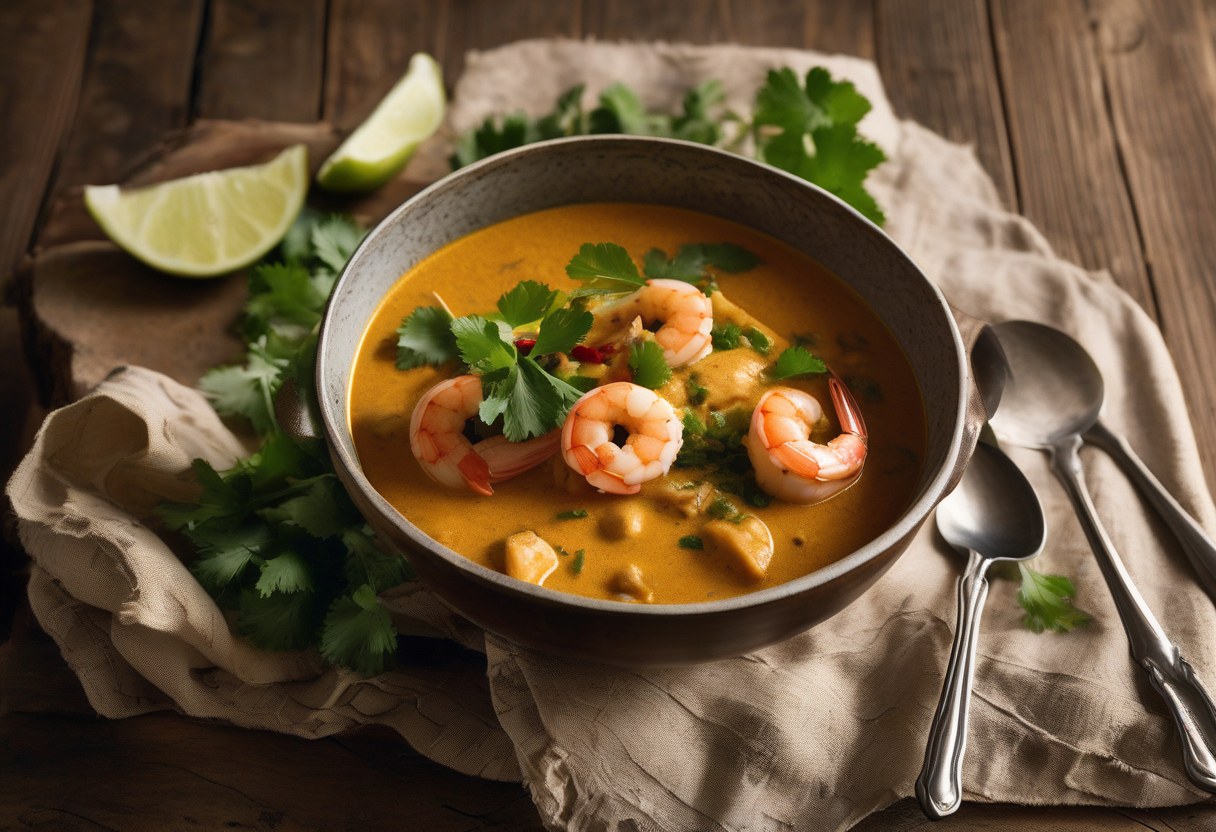
In a large wok or deep skillet, heat a tablespoon of oil over medium-high heat. Add sliced shallots and fresh ginger, stirring until they begin to soften and release their aroma. If using raw shrimp, add them now and cook for two to three minutes until they turn pink and opaque. If you are using pre-cooked shrimp, wait until the end of the cooking process to avoid toughening the meat. The key here is speed; shrimp cooks very quickly, so keep an eye on the pan to prevent rubbery texture.
Once the aromatics and shrimp are ready, lower the heat and add one cup of coconut milk along with half a cup of the yogurt curry sauce. Stir gently to combine, allowing the mixture to warm through for just a minute or two. Do not let it boil vigorously, as this can cause the dairy to separate. Finish with a sprinkle of fresh cilantro and a squeeze of lime juice for brightness. Serve immediately over jasmine rice, garnished with toasted coconut flakes if desired. This dish is perfect for weeknight dinners when you want something special without spending hours in the kitchen.
Batching Your Yogurt Curry Sauce
One of the greatest advantages of this recipe is its suitability for batch cooking, allowing you to prepare a large quantity of sauce at the start of the week. Having a ready-made base means you can throw together a meal in minutes by simply heating the sauce and adding your choice of protein or vegetables. This method saves significant time during busy evenings and reduces the stress of deciding what to cook after a long day.
To batch the sauce, simply double or triple the basic recipe ingredients, ensuring you have enough capacity in your saucepan. Follow the same steps: toast the spices, remove from heat, and whisk in the yogurt. Once combined, transfer the sauce into airtight containers. The sauce will keep well in the refrigerator for up to one week, maintaining its creamy texture and vibrant flavor. This makes it an ideal component of a broader meal prep strategy, where you can pair it with different grains and proteins throughout the week.
When storing, ensure the containers are sealed tightly to prevent the sauce from absorbing other odors from the fridge. You can also freeze portions of the sauce for longer-term storage, though the texture may change slightly upon thawing due to the separation of fats in the yogurt. If freezing, allow the sauce to come to room temperature and whisk vigorously before using to restore its smooth consistency. This flexibility ensures you always have a delicious curry base on hand.
Veggie Stir-Fry Curry Bowl
This quick stir-fry option utilizes the yogurt curry sauce to transform simple vegetables into a flavorful main course that is ready in minutes. It is an ideal solution for using up leftover produce from your fridge, offering a practical way to minimize food waste while enjoying a tasty meal. The high heat of the stir-fry method preserves the crunch and color of the vegetables, providing a pleasing contrast to the soft sauce.
Begin by chopping your preferred vegetables into uniform pieces for even cooking. Bell peppers, broccoli florets, snap peas, and carrots work particularly well in this dish. Heat oil in a wok or large skillet over high heat and add the harder vegetables first, such as carrots and broccoli, stir-frying for two to three minutes. Add the softer vegetables, like bell peppers and snap peas, and continue to cook until they are tender-crisp. The goal is to maintain some texture so the dish does not become mushy.
Once the vegetables are cooked to your liking, remove the wok from the heat. Stir in half a cup of the yogurt curry sauce, tossing everything together until well coated. Serve immediately over steamed rice or noodles. The residual heat will warm the sauce without breaking it, ensuring a smooth finish. This dish is not only fast but also visually appealing, with the vibrant colors of the vegetables standing out against the creamy yellow-orange sauce. It is a reliable option for busy weekdays when speed and flavor are both priorities.
Storage & Reheating Tips
Proper storage and reheating techniques are essential to maintaining the quality of your yogurt curry sauce and the dishes made with it. Yogurt-based sauces can be delicate, and improper handling can lead to separation or a change in texture. By following these practical tips, you can ensure that your leftovers taste just as good as the day they were made, preserving the creamy consistency and rich flavor.
To store leftovers, allow the dish to cool to room temperature before transferring it to an airtight container. Place the container in the refrigerator within two hours of cooking to maintain food safety. The sauce and accompanying ingredients will keep for up to four days. When reheating, use low to medium heat on the stove, stirring frequently. Avoid boiling the sauce, as high heat can cause the yogurt to curdle. If the sauce appears too thick after refrigeration, add a splash of water or vegetable broth to loosen it to your desired consistency.
If you are reheating in the microwave, do so in short intervals, stirring between each burst of heat. This prevents hot spots and ensures even warming without breaking the emulsion. For batched sauce stored separately, simply warm it gently in a small saucepan before mixing with your heated protein or vegetables. These simple steps ensure that every meal is enjoyable, regardless of whether it was eaten fresh or reheated from the fridge.
Substitution Suggestions
Flexibility is key when cooking with this yogurt curry sauce, as various ingredient swaps can accommodate dietary preferences or pantry limitations without compromising the overall flavor profile. If you do not have plain yogurt on hand, sour cream or crème fraîche can be used as direct substitutes, offering a similar tanginess and creaminess. These alternatives will slightly alter the taste but will still provide the desired rich texture.
For those who prefer dairy-free options, coconut cream or cashew cream are excellent alternatives. Coconut cream adds a distinct tropical flavor that complements curry spices beautifully, while cashew cream provides a neutral, creamy base that mimics the texture of dairy yogurt. To make cashew cream, blend soaked raw cashews with water until smooth and strain if necessary. These swaps allow you to customize the dish to suit your taste or dietary needs while keeping the meal delicious and satisfying.
FAQ
How long does the Yogurt Curry Sauce last in the fridge?
The yogurt curry sauce can be stored in an airtight container in the refrigerator for up to one week. Ensure it is cooled completely before sealing the container to maintain freshness and prevent spoilage.
Can I reheat the sauce multiple times without losing its taste?
It is best to reheat only the portion you plan to consume immediately. Reheating the entire batch multiple times can affect the texture and flavor of the yogurt, potentially causing separation or a change in taste.
What kind of containers are best for storing the batched sauce?
Airtight glass containers are ideal for storing the sauce as they do not absorb odors or stains. Plastic containers with tight-fitting lids are also suitable, provided they are food-grade and seal securely.
Are there good substitutes for coconut milk or yogurt?
Yes, sour cream, crème fraîche, or cashew cream can substitute for yogurt. For coconut milk, you can use additional broth or water with a thickener like cornstarch if a lighter consistency is preferred.


