Quick & Easy Fire Roasted Salsa Recipes Guide

Download the free printable PDF
Fire-roasted salsa is the ultimate shortcut to deep, smoky flavor without the need for a professional kitchen setup. By charring vegetables directly over a flame or under a broiler, you unlock a complexity that standard canned or fresh salsas simply cannot match. This guide provides seven distinct recipes that balance convenience with bold taste, ensuring you always have a vibrant condiment ready for chips, tacos, or grilled meats.
Whether you are looking for a quick weeknight dip or a batch-cooked sauce for the week ahead, these methods prioritize speed and storage efficiency. Each recipe is designed to be budget-friendly, using common pantry staples and seasonal produce. The focus here is on practical application: how to roast, blend, and store your salsa so it remains fresh and flavorful for days.
Classic Fire-Roasted Tomato Salsa
This foundational recipe relies on the smoky essence of fire-roasted tomatoes, which are often available pre-packaged or can be made by charring whole tomatoes on a grill. The combination of charred onions, garlic, fresh cilantro, and jalapeños creates a layered profile that is both rustic and refined. It is an ideal starting point for those new to fire-roasting, as the process is forgiving and yields a consistent result every time.
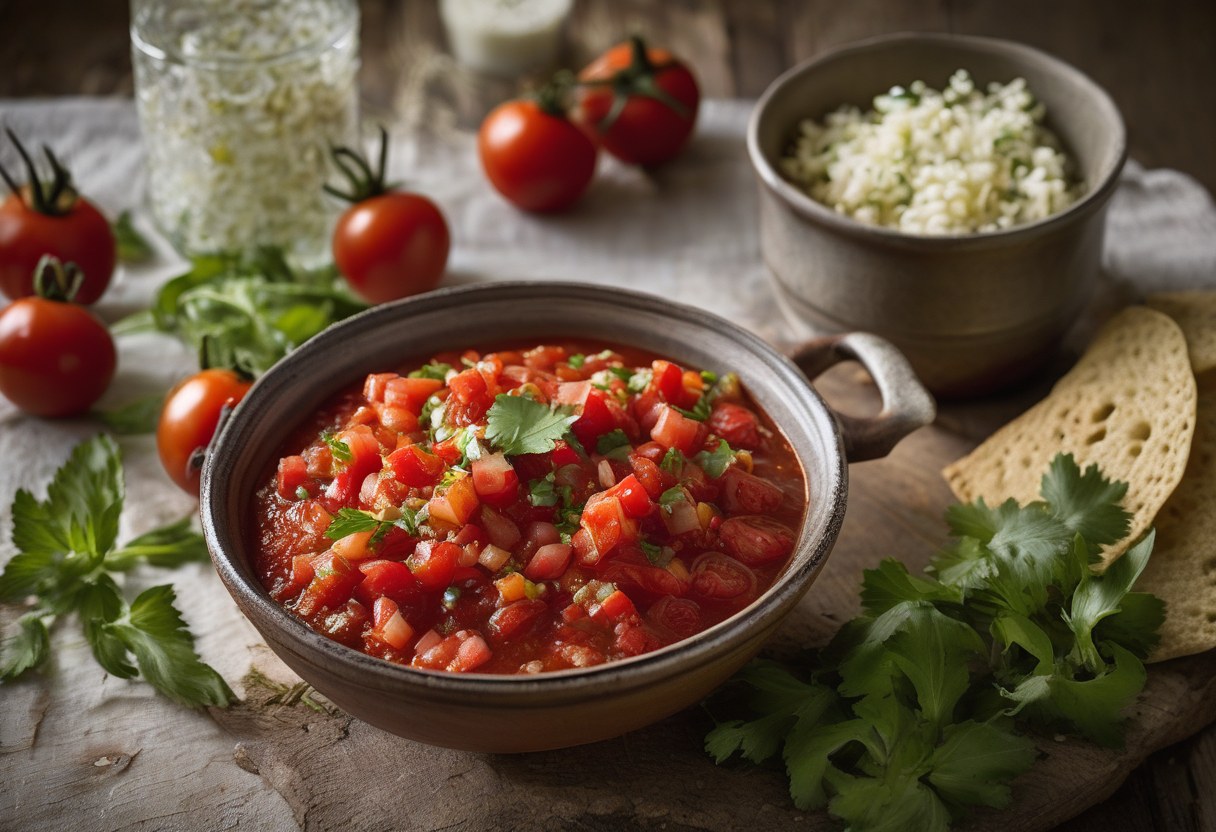
To prepare, place whole tomatoes, a halved onion, and garlic cloves directly on a hot grill or under a high broiler. Rotate them frequently until the skins blister and char black, which takes about ten minutes. Once cooled, peel the skins off the tomatoes and onion, then pulse the ingredients in a food processor with the cilantro, jalapeños, and a squeeze of lime. The texture should be slightly chunky rather than pureed to maintain some bite. This batch takes roughly twenty minutes from start to finish, making it perfect for immediate consumption.
Storage is straightforward; transfer the salsa to an airtight container and refrigerate. The flavors actually deepen after the first day, so making it the evening before a party is a smart move. It keeps well in the fridge for up to five days, retaining its vibrant color and smoky aroma. If you find the heat level too mild, add more jalapeños during the blending stage, but start with one medium pepper to gauge the intensity.
Roasted Corn and Pepper Salsa
For a sweeter, more vibrant option, roasted corn and bell peppers offer a delightful contrast to traditional tomato-based salsas. This recipe is exceptionally wallet-friendly, utilizing inexpensive vegetables that roast quickly and develop a caramelized sweetness. The addition of lime juice and spices brightens the dish, cutting through the natural sugars of the corn and peppers. It is a versatile dip that pairs well with grilled chicken or fish, or simply with tortilla chips.
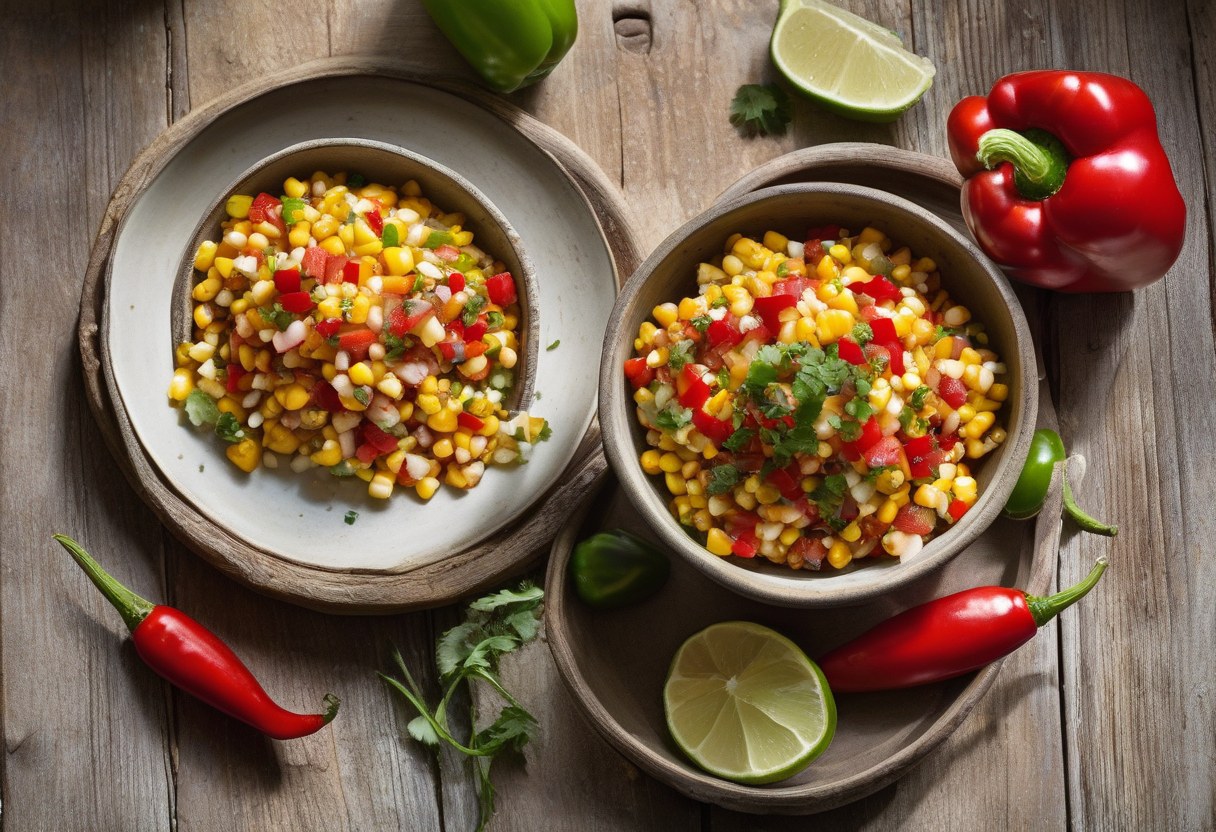
Begin by roasting corn cobs and sliced bell peppers on a baking sheet under a broiler or on a grill. The goal is to achieve a slight char on the exterior while keeping the interior tender. Once cooled, cut the corn kernels off the cob and mix them with the roasted pepper strips, diced tomatoes, and a handful of spices such as cumin and chili powder. Squeeze fresh lime juice over the mixture and toss to combine. The preparation time is approximately fifteen minutes, as the roasting process is quick and requires minimal active attention.
This salsa is notably freezer-friendly, making it an excellent candidate for meal prepping. You can store it in freezer-safe containers for up to three months. When ready to use, thaw it in the refrigerator overnight and give it a good stir, as the texture may separate slightly. The flavors remain robust after freezing, providing a convenient backup for busy weeks when fresh ingredients are not readily available.
Chipotle Fire Roast SalsaIf you prefer a spicy kick, this chipotle variation adds depth and heat to the classic fire-roasted base. Chipotle peppers in adobo sauce provide a smoky, tangy, and spicy element that complements the charred tomatoes and onions perfectly. This salsa is a crowd-pleaser for those who enjoy bold flavors, offering a balance of heat and acidity that keeps the palate engaged. It is a low-cost option that delivers high impact, using affordable canned chipotles to elevate simple ingredients.
To make this salsa, roast tomatoes, onions, and garlic as described in the classic recipe. Add two to three chipotle peppers from a can of adobo sauce to the food processor along with the other ingredients. Pulse until the desired consistency is reached, being careful not to over-blend the chipotles, which can release intense heat. Taste and adjust the seasoning with salt and lime juice. The total preparation time is around twenty minutes, including the roasting phase.
Due to the presence of adobo sauce, this salsa has a rich, dark color and a potent flavor that holds up well in storage. It keeps well in the refrigerator for up to a week. The heat level can be adjusted by the number of chipotles used, allowing you to customize the spiciness to your preference. Serve it with grilled meats or as a topping for eggs to add a smoky punch to breakfast dishes.
Mango Avocado Fire Salsa
For a tropical twist, this mango and avocado salsa offers a creamy, sweet, and spicy experience. Ripe mangoes provide natural sweetness, while avocado adds a rich, buttery texture that contrasts with the sharpness of red onion and cilantro. Chili flakes introduce a gentle heat that balances the sweetness, creating a harmonious blend of flavors. This salsa is quick to prepare, requiring only fifteen minutes of active time, and is perfect for summer gatherings or as a topping for grilled fish.
Start by dicing ripe mangoes and avocados into bite-sized pieces. Combine them with finely diced red onion, chopped cilantro, and a generous squeeze of lime juice. Add chili flakes to taste, starting with a small amount and adjusting as needed. Toss all ingredients together gently to avoid mashing the avocado, which can make the salsa too soft. The key is to keep the pieces distinct so that each bite offers a mix of textures and flavors.
Because avocado oxidizes quickly, this salsa is best consumed within three days of preparation. To maintain its vibrant green color, store it in an airtight container with a layer of plastic wrap pressed directly against the surface of the salsa. This prevents air exposure and keeps the avocado fresh. The sweet and spicy combination is versatile, working well with tacos, ceviche, or as a side for grilled shrimp.
Roasted Beet and Apple SalsaThis unique combination of roasted beets and apples offers a refreshing and unexpected flavor profile. Beets provide an earthy sweetness, while apples add a crisp, tart bite that brightens the dish. Red onion, mint, and lemon juice tie the ingredients together, creating a salsa that is both elegant and approachable. It is an economical option, utilizing affordable root vegetables and fruit, and is a great way to use up beets that might otherwise go to waste.
Roast the beets until tender, then peel and dice them. Combine the roasted beets with diced apples, red onion, and fresh mint. Squeeze lemon juice over the mixture to prevent browning and add acidity. Toss gently to combine, ensuring that the beet juice coats the other ingredients evenly. The preparation time is approximately twenty minutes, mostly spent roasting the beets. This salsa is a standout at dinner parties, offering a modern take on traditional salsa.
Storage for this salsa is good for up to four days in the refrigerator. The flavors meld over time, making the salsa even more enjoyable after the first day. It is a versatile accompaniment, pairing well with roasted chicken, pork, or as a topping for burgers. The contrast of sweet and earthy notes makes it a memorable addition to any meal, providing a unique twist on the classic salsa format.
Spicy Pineapple Fire Roast Salsa
For those who enjoy a sweet heat kick, this spicy pineapple salsa is a must-try. Pineapple chunks provide natural sweetness, while jalapeños add a sharp, spicy contrast. Red onion, cilantro, and lime juice complete the mix, creating a salsa that is both refreshing and bold. This recipe is easy to make, requiring only fifteen minutes of preparation, and uses low-cost ingredients that are widely available. It is a great option for summer barbecues or as a topping for grilled fish and chicken.
Start by dicing fresh pineapple into small chunks. Combine the pineapple with diced jalapeños, red onion, and chopped cilantro. Squeeze lime juice over the mixture and toss to combine. Adjust the heat by adding more or fewer jalapeños, depending on your preference. The key is to balance the sweetness of the pineapple with the heat of the jalapeños, creating a salsa that is both vibrant and satisfying.
This salsa keeps well in the refrigerator for up to five days. The flavors continue to develop over time, making it even more delicious after the first day. It is a versatile condiment, working well with grilled meats, seafood, or as a topping for tacos. The combination of sweet and spicy makes it a crowd-pleaser, offering a unique twist on traditional salsa flavors.
Roasted Vegetable Salsa
This hearty roasted vegetable salsa is a versatile option that can be customized with a variety of vegetables. Bell peppers, zucchini, corn, tomatoes, and onions are roasted together to create a deep, smoky flavor. Herbs such as basil and oregano add freshness, tying the ingredients together. This salsa is budget-friendly, utilizing affordable vegetables, and is a great way to use up produce that needs to be used up. It is a hearty option that works well as a side dish or as a topping for grilled meats.
Start by chopping bell peppers, zucchini, corn, tomatoes, and onions into bite-sized pieces. Toss them with olive oil, salt, and pepper, then spread them on a baking sheet. Roast in a preheated oven until the vegetables are tender and slightly charred, which takes about twenty minutes. Once cooled, transfer the vegetables to a bowl and mix in fresh herbs. The total preparation time is approximately twenty minutes, including the roasting phase.
This salsa stores well in the refrigerator for up to one week. The flavors continue to meld over time, making the salsa even more enjoyable after the first day. It is a versatile option, working well with a variety of dishes, including grilled chicken, fish, or as a side for tacos. The hearty texture and smoky flavor make it a satisfying addition to any meal, offering a modern take on traditional salsa.
FAQ
How can I store my Fire Roasted Salsa?
Store your fire-roasted salsa in an airtight container in the refrigerator. Depending on the ingredients used, it can last anywhere from 3 to 7 days. For salsas with avocado or fresh fruit, aim for the shorter end of that range, while tomato-based salsas can last longer. Ensure the container is sealed tightly to prevent the salsa from absorbing other odors in the fridge.
Can I freeze this salsa and how long will it last?
Yes, most salsas freeze well, although the texture of fresh ingredients like avocado may change. Transfer the salsa to freezer-safe containers, leaving some headspace for expansion, and use within 1 to 3 months. When ready to use, thaw the salsa in the refrigerator overnight and stir well before serving to reincorporate any separated liquids.
What are some good container options for storing salsa?
Mason jars or glass containers with tight-fitting lids are the best options for storing salsa. Glass does not retain odors or flavors, ensuring that your salsa tastes fresh. It is also easy to clean and can be reused multiple times. For larger batches, consider using airtight plastic containers that are specifically designed for food storage.
Can I make a batch of Fire Roasted Salsa in advance for the week?
Absolutely! Preparing salsa in advance allows the flavors to meld and deepen, often resulting in a more complex taste. Just ensure proper storage conditions by using airtight containers and refrigerating promptly. For salsas with fresh ingredients like avocado, it is best to make them closer to the time of consumption, but tomato-based salsas can be made a week ahead without issue.


