Quick & Flavorful Tomato Sauce & Herb Recipes

Download the free printable PDF
Tomato sauces and fresh herbs form the backbone of many quick, satisfying meals that do not require hours in the kitchen. By mastering a few versatile techniques, you can transform simple pantry staples into dishes that taste like they took all day to prepare. This guide focuses on speed, flavor intensity, and practical storage methods to keep your cooking life effortless and delicious.
Classic Basil and Garlic Pasta Sauce
This staple weeknight dinner option is renowned for its ability to stretch budgets while delivering robust flavor. The combination of crushed garlic and fresh basil creates an aroma that signals comfort food instantly. It is inexpensive, versatile, and ready in under fifteen minutes, making it the go-to choice for busy evenings.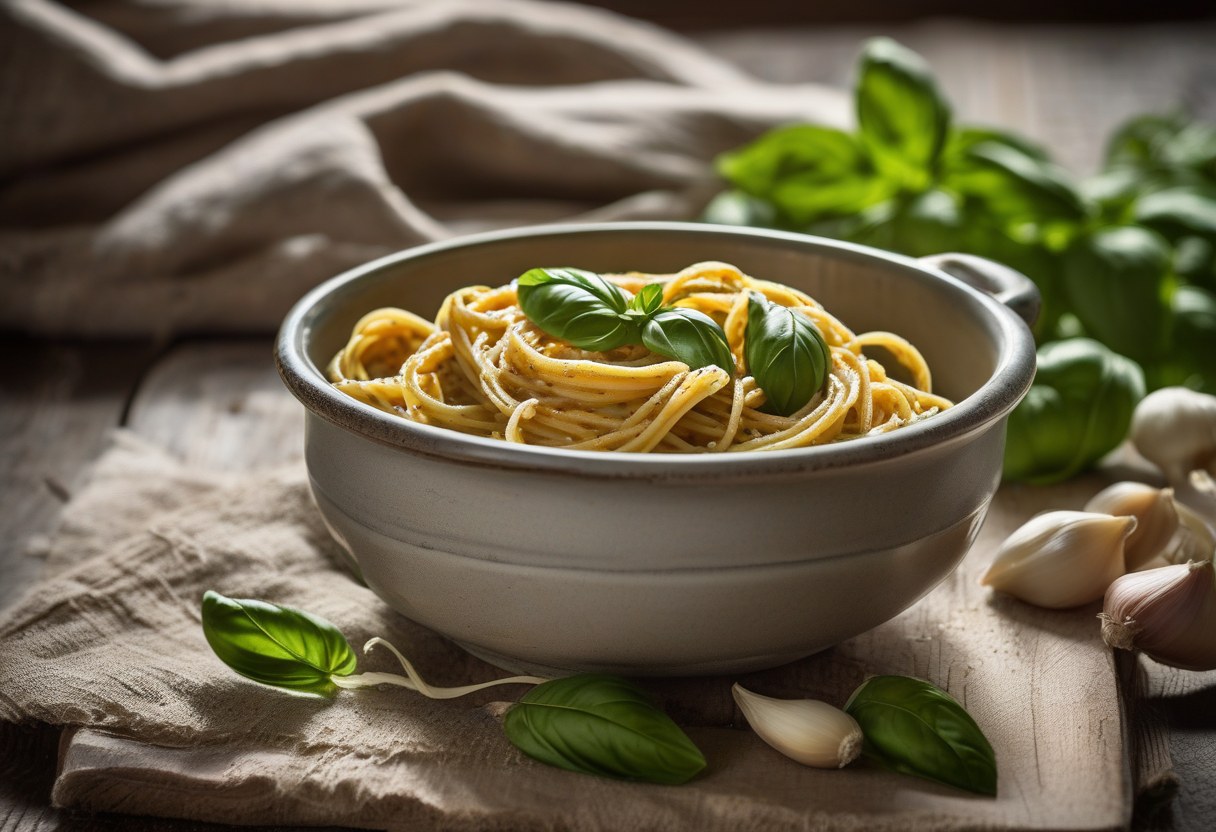
Sun-Dried Tomato Tapenade
Tapenade offers an intense burst of flavor in a small serving size, making it perfect for snacking or spreading on crackers. The concentrated taste of sun-dried tomatoes contrasts beautifully with the brine of capers and the richness of olives. It is a sophisticated starter that requires minimal effort but delivers maximum impact.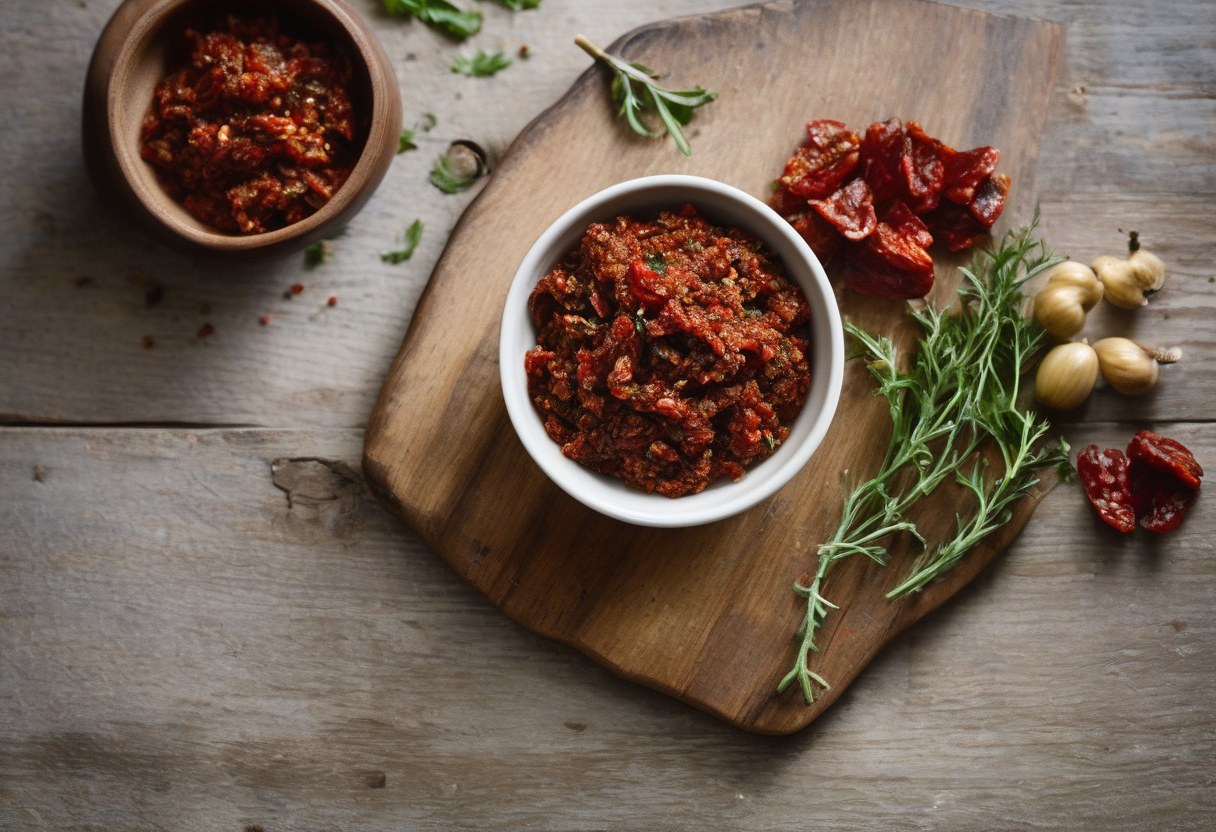
Herb-Roasted Cherry Tomatoes
Roasting cherry tomatoes is one of the quickest ways to enhance their natural sweetness. The high heat caramelizes the sugars, creating a sticky, jammy texture that is irresistible. This method works well as a side dish, a pizza topping, or a standalone snack that requires almost no active cooking time.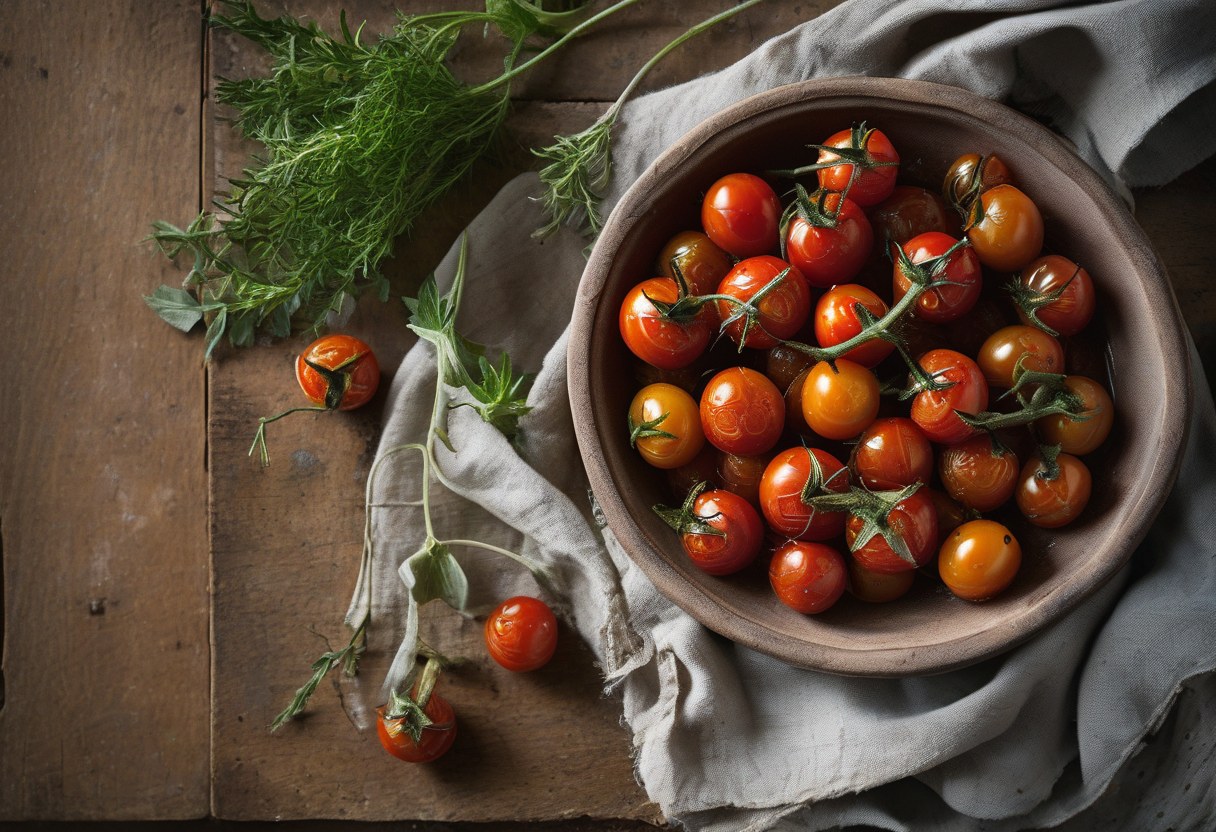
Minestrone Soup with Fresh Herbs
Minestrone is an efficient way to utilize various pantry ingredients while filling up your kitchen with warmth and flavor. It is a hearty soup that benefits from the addition of fresh herbs at the end of the cooking process. This dish is forgiving, allowing you to adapt it based on what vegetables you have on hand. Start by sweating diced onions, carrots, and celery in a large pot. Add canned tomatoes, stock, and any other vegetables you wish to include, such as beans or zucchini. Simmer for twenty minutes until the vegetables are tender. In the final five minutes, stir in fresh parsley, basil, and oregano. The heat infuses the herbs into the broth without making them bitter. This soup reheats beautifully, often tasting better the next day as the flavors continue to develop. It is a cost-effective meal that provides substantial portions without the need for expensive ingredients.Tomato Herb Rice Pilaf
This one-pot wonder elevates basic rice to gourmet status in under thirty minutes. The combination of toasted rice, tomatoes, and fresh herbs creates a dish that is both comforting and elegant. It serves as a perfect accompaniment to grilled meats or fish, or as a standalone vegetarian main. Rinse the rice until the water runs clear, then toast it in a pot with butter and oil. This step adds a nutty flavor and prevents the grains from becoming sticky. Add chopped tomatoes and stock, then bring to a boil. Reduce the heat to low, cover the pot, and let it simmer for eighteen minutes. Fluff the rice with a fork and stir through fresh mint and parsley. The herbaceous notes cut through the richness of the rice, creating a balanced and aromatic side dish. This method is reliable and yields consistent results every time.Herb-Crusted Tomato Bruschetta
Bruschetta is an easy assembly project that is delightful for any occasion, especially when making ahead. The contrast between the crisp bread and the soft, herb-filled tomato topping is texturally pleasing. It is a crowd-pleaser that requires no cooking, making it ideal for summer gatherings. Slice a baguette and grill or toast the slices until golden and crisp. Spread a thin layer of garlic on the warm bread. Top with a mixture of diced tomatoes, fresh basil, olive oil, and balsamic vinegar. Finish with a pinch of salt and a drizzle of extra virgin olive oil. You can prepare the topping in advance and store it in a container in the fridge. Just before serving, spoon the mixture onto the toasted bread. This separation prevents the bread from becoming soggy, ensuring a perfect texture every time.Frozen Basil Pesto Cubes
Batch-prepping pesto is an ideal method for using large quantities of basil before it wilts. Freezing it in cube form allows for easy portioning and quick thawing. This technique saves time and ensures you always have a flavorful sauce ready for pasta or sandwiches. Blend basil leaves, pine nuts, garlic, parmesan cheese, and olive oil in a food processor. The mixture should be smooth but retain some texture. Pour the pesto into ice cube trays and freeze until solid. Transfer the frozen cubes to a sealed bag or container for long-term storage. Each cube contains enough pesto for a single serving of pasta. Thaw a cube in a bowl of warm water or add it directly to hot sauce. This method preserves the bright green color and fresh taste of the basil far better than storing it in a jar.FAQ
How long does tomato sauce last in the fridge?
Homemade tomato sauce typically lasts for four to five days in the refrigerator when stored in an airtight container. Ensure the sauce is cooled completely before sealing the container to prevent condensation, which can dilute the flavor. For longer storage, freezing is recommended, where it can last for up to six months without significant loss of quality.
Can I reheat pasta sauce multiple times without losing flavor?
While it is safe to reheat pasta sauce multiple times, the flavor may degrade slightly with each cycle. To minimize this, only reheat the amount you plan to consume immediately. If you must reheat leftovers, do so gently over low heat, stirring frequently to prevent scorching. Adding a splash of fresh stock or water can help restore the texture if it becomes too thick.
What are good container types for storing homemade tomato sauce and herb mixes?
Glass jars with tight-fitting lids are excellent for storing tomato sauces and herb mixes in the fridge or freezer. They do not retain odors or flavors, ensuring that your ingredients taste fresh. For freezing pesto or tapenade, silicone ice cube trays are ideal for portion control. Avoid plastic containers for long-term storage of acidic tomato products, as they can sometimes impart a plastic taste.
Are there easy substitutions if I don't have fresh herbs on hand?
Dried herbs are a convenient substitute for fresh, but you should use about one-third of the quantity called for in the recipe. For example, one teaspoon of dried basil is roughly equivalent to one tablespoon of fresh. If you are out of both, a high-quality herb blend from the spice aisle can work in a pinch, though the flavor will be less vibrant. Adding the dried herbs early in the cooking process helps to release their full flavor.


