Quick & Flavory Rosemary Pepper Drop Biscuits

Download the free printable PDF
There is a distinct charm to the drop biscuit, a method that bypasses the fuss of cutting and rolling to deliver tender, flaky results with minimal effort. By introducing the earthy punch of fresh rosemary and the sharp bite of black pepper, this humble staple transforms into a sophisticated accompaniment for hearty meals. This guide explores seven distinct ways to master this flavor profile, ensuring your kitchen is always stocked with something delicious and versatile.
The Basic Rosemary Pepper Drop Biscuit
The foundation of any great biscuit lies in the balance of fat and flour. For this classic version, you want to start with high-quality all-purpose flour, which provides the necessary structure without being too heavy. The key to the flavor is using fresh rosemary rather than dried; the needles release their oils more effectively when chopped finely and mixed into the dry ingredients. Black pepper should be cracked fresh just before adding it to the mix, ensuring a pungent aroma that permeates the dough. This combination creates a savory base that pairs exceptionally well with tomato-based soups or rich beef stews.
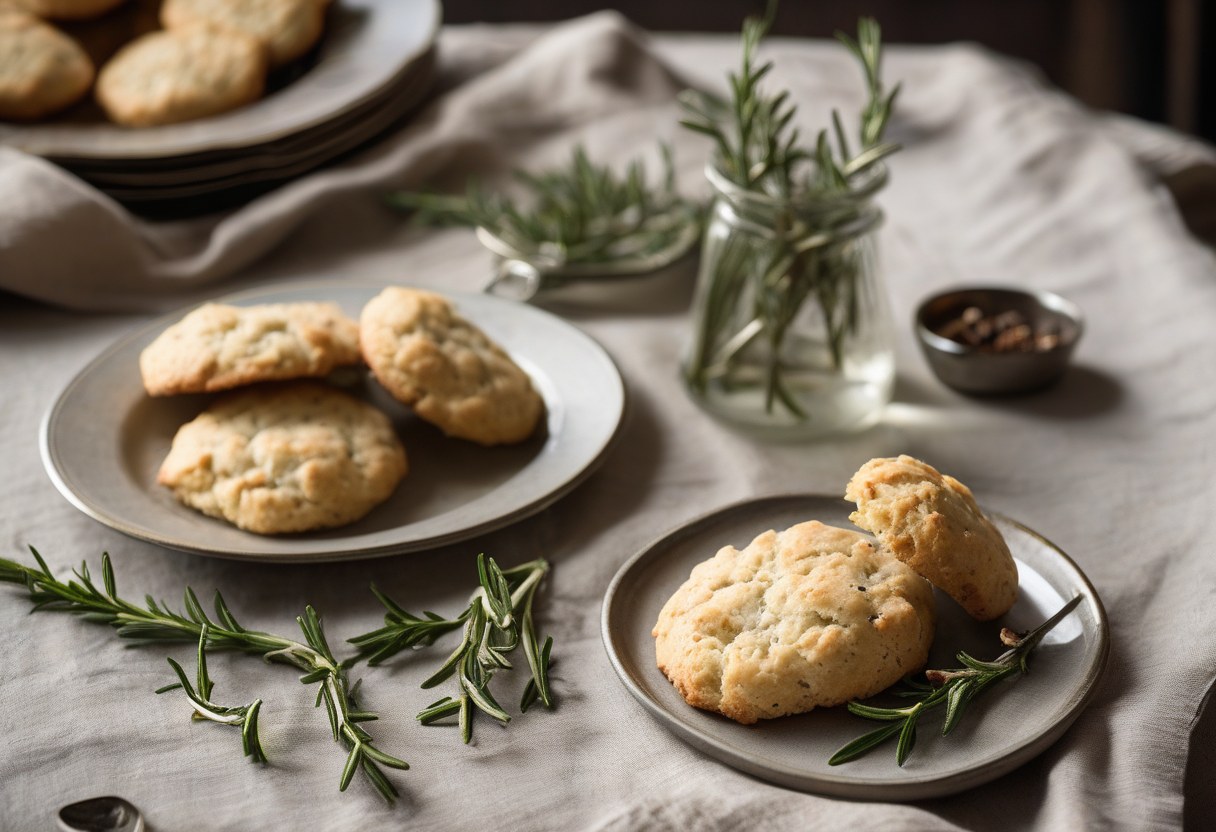
When preparing the batter, mix the dry ingredients first, including the rosemary and pepper, to ensure even distribution. Then, cut in cold butter until the mixture resembles coarse crumbs with some pea-sized pieces remaining. These larger pieces of butter are crucial as they steam during baking, creating the signature flaky layers. Once the wet ingredients are added, mix until just combined; overmixing will develop gluten and result in tough biscuits. Drop the batter onto a lined baking sheet, spacing them slightly apart as they will spread during the cooking process. Bake at a high temperature, around 220°C, for approximately 12 to 15 minutes until the tops are golden brown.
These biscuits are best served warm, perhaps with a pat of butter on the side to enhance the richness. Their versatility makes them a staple for weeknight dinners where speed is essential. The earthy notes of the rosemary stand up well to robust flavors, making them a reliable side dish for any savory main course. You can also freeze the uncooked drops on a tray and transfer them to a bag, allowing you to bake them straight from frozen when time is tight.
Cheese-Stuffed Drop Biscuits
Elevating the basic recipe with cheese adds a layer of complexity that appeals to those who enjoy richer textures. Cheddar is the ideal choice here due to its firm consistency and sharp taste, which cuts through the richness of the butter and flour. You can incorporate the cheese in two ways: either folding small cubes of cheese into the dough before dropping, or creating a pocket by flattening a spoonful of dough and placing a cube in the center before sealing it. The latter method ensures a molten center that oozes out when the biscuit is torn open, providing a delightful surprise for the eater.

When using the stuffed method, be careful not to overwork the dough while sealing the cheese pockets. A gentle press around the edges is sufficient to hold the cheese in place without compromising the flakiness. The heat of the oven will melt the cheese rapidly, so it is important to bake these slightly longer than the plain version to ensure the centers are fully cooked. The aroma of melting cheese mixed with rosemary is incredibly inviting, filling the kitchen with a scent that signals comfort food. This variation is particularly popular for holiday gatherings or casual brunches where guests appreciate a bit of indulgence.
For those who prefer a milder taste, a sharp cheddar can be swapped for a smoked gouda or a creamy brie, though the structural integrity of the biscuit may vary slightly. The cheese adds a significant cost to the recipe, but the impact on flavor is substantial enough to justify the expense. These biscuits store well, though the cheese may firm up upon cooling; reheating them in an oven rather than a microwave helps restore the gooey texture of the cheese center. They are a crowd-pleaser that adds a visual and textural element to any meal presentation.
Herb-Infused Variation
While rosemary and pepper are the stars, adding secondary herbs can create a more complex aromatic profile. Thyme and oregano are excellent companions to rosemary, as they share similar growth conditions and flavor profiles, allowing them to blend seamlessly without clashing. Thyme offers a subtle sweetness and floral note, while oregano provides a slightly bitter, robust edge that mirrors the heat of the black pepper. When using dried herbs for this variation, reduce the amount by half compared to fresh, as dried herbs are more concentrated in flavor. This combination works particularly well with Mediterranean-inspired dishes or roasted vegetables.
To ensure the herbs are evenly distributed, mix them into the flour before adding the butter. If using fresh herbs, chop them finely to avoid large chunks that might burn during baking. The addition of these extra herbs does not significantly alter the baking time or temperature, so you can follow the standard drop biscuit method. The resulting biscuit has a more layered taste experience, with the initial hit of pepper followed by the earthiness of rosemary and the subtle background notes of thyme and oregano. This version is ideal for those who enjoy a more sophisticated palate in their side dishes.
You can also experiment with other herbs like parsley or basil, but be cautious with basil as its flavor can become bitter when baked for long periods. The herb-infused variation is a great way to use up any leftover herbs from your garden or pantry. It adds a professional touch to home-cooked meals, making simple ingredients taste like they came from a high-end restaurant. This flexibility allows you to tailor the flavor profile to match the main course, ensuring a cohesive meal experience.
Sweet Rosemary Pepper Cookies
For a twist that bridges the gap between savory and sweet, consider a version that uses honey instead of butter. This variation is perfect for those who enjoy the contrast of sweet and savory flavors, similar to a honey-glazed ham. The honey adds a natural sweetness that complements the earthiness of the rosemary, while the black pepper provides a slight kick that prevents the cookie from being too cloying. This type of biscuit is often served as a tea-time treat or a dessert accompaniment to cheese plates. The texture is slightly denser than the traditional butter version, with a chewy center and crisp edges.
When substituting honey for butter, you will need to adjust the liquid content slightly, as honey is more viscous than melted butter. Start with a smaller amount and add more if the dough is too dry. The baking temperature should be slightly lower, around 180°C, to prevent the honey from caramelizing too quickly and burning. The resulting cookie has a deep golden color and a rich, aromatic scent. This version is less about flakiness and more about a moist, cake-like texture that holds up well to storage. It is a unique offering that surprises guests who expect a traditional savory biscuit.
These cookies can be decorated with a light dusting of powdered sugar or a drizzle of honey glaze for added visual appeal. They are excellent for gifting, as they store well in airtight containers for up to a week. The combination of flavors is unexpected yet harmonious, making them a memorable part of any meal. This variation demonstrates the versatility of the rosemary and pepper combination, showing that it can transcend traditional savory boundaries.
Gluten-Free Drop Biscuits
Creating a gluten-free version that does not compromise on taste requires the right flour blend. A high-quality one-to-one gluten-free all-purpose flour, which typically contains xanthan gum, works best for this recipe. If your blend does not contain xanthan gum, add a quarter teaspoon per cup of flour to provide the necessary structure. The texture of gluten-free biscuits can be crumbly, so it is important to handle the dough gently and avoid overmixing, which can lead to a tough result. The flavor of the rosemary and pepper remains the same, ensuring that those with dietary restrictions do not miss out on the savory experience.
Because gluten-free flours absorb moisture differently, you may need to adjust the liquid content slightly. Start with the standard amount and add a tablespoon of milk or water at a time until the dough reaches the right consistency. It should be moist but not sticky. Baking at a slightly higher temperature can help set the structure before the exterior burns. These biscuits are best served immediately, as they can dry out faster than their wheat-based counterparts. However, they can be stored in an airtight container for a day or two, and reheated in a low oven to restore some softness.
The cost of gluten-free flour is higher, but the ability to include everyone at the table is invaluable. This version is a practical solution for households with mixed dietary needs. The flavor profile is robust enough to stand up to the slightly different texture, making it a satisfying alternative. It is a testament to the adaptability of this recipe, proving that flavor is not dependent on gluten. This variation ensures that no one is left out of the meal, fostering a sense of inclusion and shared enjoyment.
Drop Biscuit Pancakes
For a fun breakfast option, you can use the biscuit batter to create pancake-like items on a griddle. This method is quicker than baking in the oven and results in a product with a crispy exterior and a soft, fluffy interior. The rosemary and pepper flavors are slightly milder in this form, making them suitable for a morning meal. You can serve them with a side of jam or honey, creating a sweet-savory contrast that is quite popular. This variation is great for using up leftover dough that has not risen or baked as planned. It is a creative way to repurpose ingredients and avoid waste.
To prepare, drop small spoonfuls of batter onto a preheated, lightly oiled griddle. Cook for about two to three minutes on each side until golden brown. The thickness can be adjusted to your preference; thinner pancakes cook faster and are crispier, while thicker ones are fluffier. These can be stacked and served with a variety of toppings, from savory sauces to sweet syrups. The process is interactive and fun, making it a great activity for children in the kitchen. It is a simple way to enjoy the flavor of rosemary and pepper in a different format.
This method is also excellent for camping or outdoor cooking, as it requires minimal equipment. A cast-iron pan is ideal for this purpose, as it retains heat well and provides even cooking. The resulting pancakes are a hearty start to the day, providing a satisfying meal without the need for a full oven. This variation highlights the versatility of the basic dough, showing that it can be adapted to different cooking methods and occasions. It is a practical and enjoyable way to enjoy your favorite flavors.
Flaky Rosemary Pepper Rolls
For those who prefer a rolled texture, the flaky roll is an excellent alternative to the drop biscuit. This method involves rolling out the dough into a rectangle and then rolling it up into a log before slicing into individual pieces. The result is a spiral-shaped roll with distinct layers of butter and flour, creating a very flaky texture. The rosemary and pepper are distributed throughout the layers, ensuring that every bite has a consistent flavor. This variation is ideal for serving as a side dish for roasted meats or as a centerpiece for a brunch table. It requires a bit more time and effort, but the visual appeal is worth it.
To make these rolls, roll out the dough to about half an inch thickness. Sprinkle the surface with a little more black pepper and chopped rosemary, then roll it up tightly from one short end. Use a sharp knife or dental floss to cut the log into individual rolls. Place them cut-side up on a baking sheet to allow them to spread and create more layers. Bake at a high temperature to ensure the layers separate properly. The result is a beautiful, golden-brown roll that is both impressive and delicious.
These rolls can be made ahead of time and baked when needed, making them perfect for entertaining. You can assemble them, wrap them tightly, and store them in the refrigerator for up to a day before baking. This allows you to have a fresh-baked side dish ready in a short amount of time. The flaky texture is a crowd-pleaser, as it offers a different mouthfeel from the standard biscuit. This variation is a great way to add a touch of elegance to your meal without compromising on the practical aspects of the recipe. It is a versatile option that can be adapted to various occasions.
FAQ
How long can I store these drop biscuits before they go stale?
Freshly baked drop biscuits are best consumed within 24 hours for optimal texture. To extend their life, store them in an airtight container at room temperature for up to two days. If you need to store them longer, freeze the uncooked drops or the baked biscuits in a sealed bag. Frozen baked biscuits can last for up to three months. When ready to eat, thaw them at room temperature and reheat in a low oven to restore some crispness. Avoid storing them in the refrigerator, as the cold air can dry them out and make them stale faster.
Can I reheat leftover drop biscuits in the microwave without them getting soggy?
Reheating in a microwave is not recommended for drop biscuits, as it tends to make the exterior soggy and the interior tough. The best method is to reheat them in a conventional oven at a low temperature, around 150°C, for about five to ten minutes. This method gently warms the biscuit and helps restore the crispness of the exterior. If you must use a microwave, wrap the biscuit in a damp paper towel and heat it for short intervals, checking frequently to avoid overcooking. However, the oven method is superior for maintaining the desired texture.
What type of container is best for storing and transporting drop biscuits?
For storage, an airtight container is essential to prevent the biscuits from drying out. A ceramic or glass container with a tight-fitting lid is ideal, as it maintains the humidity level without making the biscuits soggy. For transporting, a sturdy cardboard box lined with parchment paper works well. Place a layer of parchment paper between each layer of biscuits to prevent them from sticking together. Avoid plastic bags, as they can trap moisture and lead to mold growth. Proper packaging ensures that the biscuits arrive at their destination in good condition.
Can I make a large batch of dough ahead of time to save on prep work?
Yes, you can prepare the dough ahead of time and store it in the refrigerator for up to 24 hours. Wrap the dough tightly in plastic wrap to prevent it from drying out. When you are ready to bake, simply drop the dough onto a baking sheet and proceed with the baking process. You can also freeze the uncooked drops on a tray and then transfer them to a bag. This allows you to have a ready-to-bake supply on hand for busy days. The flavor and texture remain consistent whether baked fresh or from frozen.


