Quick Herbed Orzo Pasta Salad with Feta

Download the free printable PDF
There is something undeniably satisfying about a pasta salad that comes together in under thirty minutes. This herbed orzo creation is the ultimate solution for busy weeknights or last-minute gatherings, offering a vibrant mix of textures and flavors without requiring complex cooking techniques. The base recipe is simple, affordable, and incredibly versatile, making it a staple for anyone looking to streamline their meal preparation.
The Basic Herbed Orzo Salad
At its core, this dish relies on the interplay between the nutty, rice-shaped orzo and the sharp, briny bite of feta cheese. The key to a successful salad is not just the ingredients, but the technique of tossing them while the pasta is still slightly warm. This allows the herbs and dressing to adhere better to the grains, ensuring every bite is flavorful. You will find that this basic version is packed with character, proving that simplicity does not mean blandness.
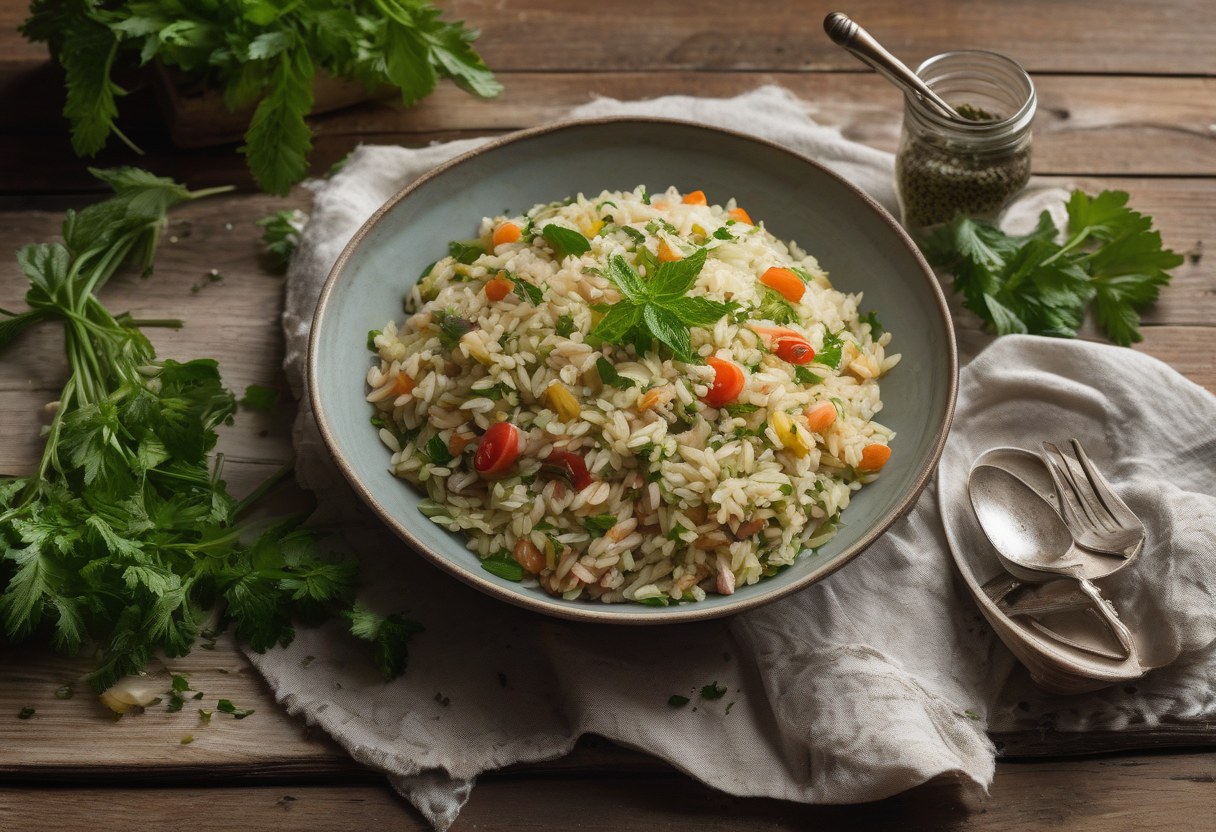
To begin, boil the orzo in salted water until it is al dente, which usually takes about eight to ten minutes. Drain the pasta and rinse it under cold water to stop the cooking process and prevent the grains from sticking together. In a large bowl, combine the cooled orzo with a generous handful of chopped fresh parsley, dill, and basil. The fresh herbs provide a bright, aromatic counterpoint to the richness of the cheese. Add crumbled feta, which should be roughly the size of peas for even distribution throughout the dish.
For the dressing, whisk together olive oil, red wine vinegar, a pinch of salt, and black pepper. Pour this over the pasta and herbs, tossing gently to coat everything evenly. The acidity of the vinegar helps to cut through the fat of the cheese, creating a balanced flavor profile. Let the salad sit for at least ten minutes before serving to allow the flavors to meld. This step is crucial for developing depth, as the orzo absorbs the liquid and the herbs release their essential oils.
Greek-Inspired Add-Ons
While the basic version is delightful on its own, adding Mediterranean vegetables elevates the dish to a new level of complexity. Cherry tomatoes, cucumbers, and Kalamata olives are the perfect companions for this salad, adding bursts of sweetness, crunch, and brine. These ingredients are widely available and affordable, making them an easy addition for anyone looking to enhance their meal without spending extra time at the market. The visual appeal of these colorful additions also makes the dish more inviting on a table.
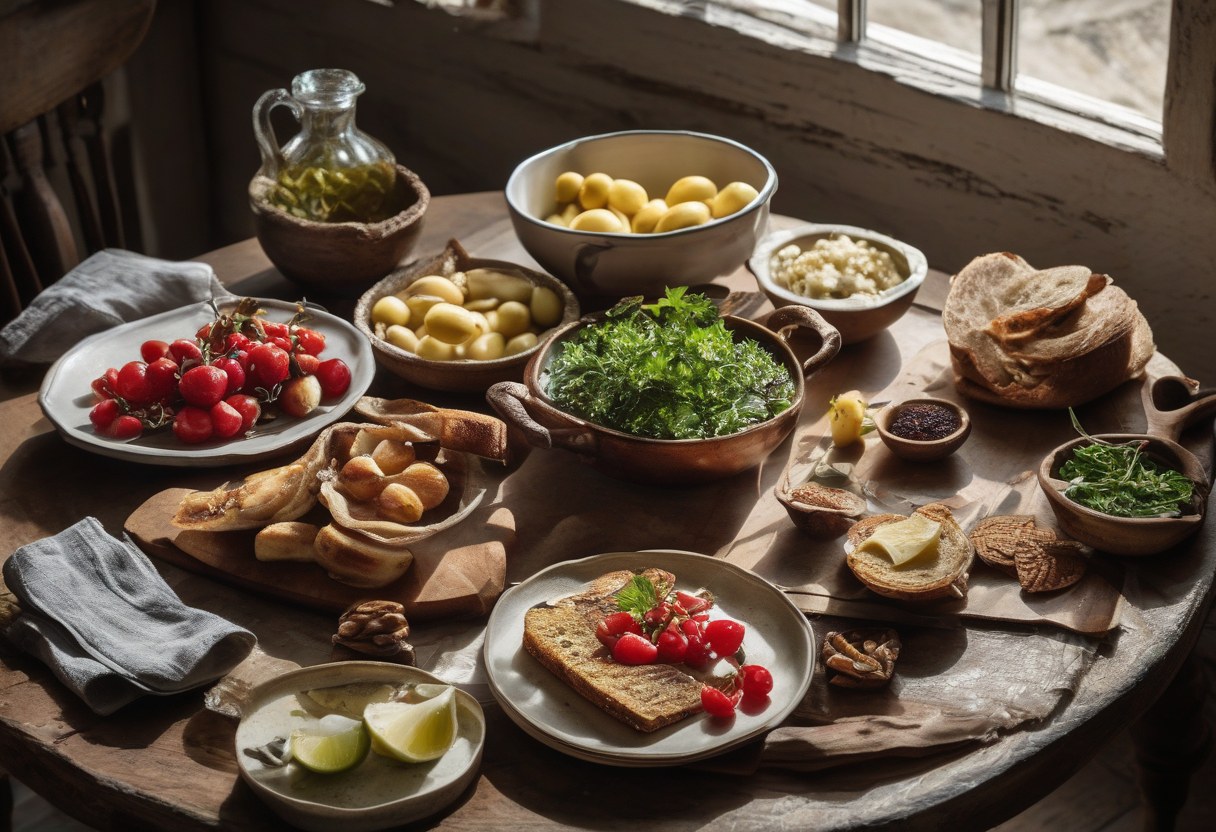
Start by halving the cherry tomatoes lengthwise to expose their juicy centers. Dice the cucumbers into small cubes, ensuring they are not too large, as this can overpower the delicate texture of the orzo. Add a handful of pitted Kalamata olives, which provide a rich, fruity intensity that complements the feta beautifully. If you have them, capers can also be added for an extra layer of salinity. Toss these vegetables into the salad just before serving to maintain their crispness and vibrant color.
The combination of these add-ons creates a dynamic textural experience. The softness of the orzo is contrasted by the pop of the tomatoes and the crunch of the cucumbers. This variety keeps the palate interested throughout the meal, preventing the dish from becoming monotonous. It is a classic combination for a reason, as these flavors have been paired together for centuries in Greek cuisine. The result is a dish that feels both rustic and refined, suitable for a casual lunch or a more formal dinner.
Batch Cooking Tips
One of the greatest advantages of this recipe is its suitability for batch cooking. You can easily double or triple the recipe without significantly increasing your time in the kitchen. This makes it an ideal candidate for meal prep, allowing you to have ready-to-eat meals throughout the week. When making large quantities, it is important to ensure that the pasta is thoroughly cooled before mixing with the dressing. Warm pasta can cause the vegetables to wilt and the herbs to lose their fresh aroma.
For the best results, cook the orzo in a large pot to ensure even cooking. Divide the batch into smaller containers as soon as the pasta is cooled and dressed. This prevents the entire batch from becoming soggy, as the liquid can pool at the bottom of a large container. Label the containers with the date to keep track of freshness. This method ensures that when you grab a container for lunch, the salad still looks and tastes like it was just made.
Storing the salad in the refrigerator is straightforward, but timing matters. The feta and fresh herbs hold up well for a few days, but the texture of the orzo can change if left too long. Aim to consume the batch within three to four days for optimal quality. If you are preparing for a large gathering, consider making the components separately and combining them just before serving. This approach allows you to control the moisture levels and ensure that the final product is vibrant and fresh.
Flavor Variations
To keep your meals interesting, consider experimenting with different flavor profiles while maintaining the same base structure. A sun-dried tomato version offers a rich, intense sweetness that pairs well with the tang of the feta. Simply add chopped sun-dried tomatoes to the basic recipe, adjusting the amount of vinegar if necessary to balance the sweetness. This variation is particularly good in cooler months when fresh tomatoes are not at their peak. It adds a depth of flavor that feels comforting and satisfying.
For those who prefer a heartier meal, grilled chicken is an excellent addition. Season the chicken with lemon, garlic, and oregano before grilling, then slice it thinly and add it to the salad. This transforms the dish from a side or light lunch into a complete meal. The smokiness of the grilled meat contrasts nicely with the cool, fresh elements of the salad. You can also experiment with different herbs, such as mint or oregano, to change the character of the dish entirely.
Another popular variation involves adding roasted vegetables. Roasted zucchini or peppers add a caramelized sweetness and a tender texture that complements the chewiness of the orzo. These vegetables can be prepared in advance and stored in the refrigerator, making them easy to incorporate into your meal prep routine. The flexibility of this recipe means that you can adapt it to whatever ingredients you have on hand, reducing waste and keeping your meals exciting. Each variation offers a unique taste experience while retaining the convenience of the original recipe.
Reheating and Serving Ideas
When it comes to reheating pasta salad, caution is required to avoid a mushy outcome. The best method is to reheat gently, either by adding a splash of warm water or broth to the cold salad and letting it sit for a few minutes, or by heating it in a microwave in short bursts. Avoid high heat, as this can cause the orzo to break down and the herbs to wilt. The goal is to warm the dish through without cooking it further. This preserves the texture of the vegetables and the integrity of the pasta.
Serving suggestions are plentiful and can be adapted to your lifestyle. For a quick lunch, pack the salad into a container and eat it cold or at room temperature. It holds up well without refrigeration for a short period, making it ideal for work or school. For a more substantial meal, serve the salad in a bowl with a side of crusty bread. You can also wrap the salad in a large tortilla or lettuce leaf for a handheld option. This is particularly convenient for picnics or outdoor events where utensils are not available.
If you prefer to serve the salad warm, consider adding a drizzle of extra virgin olive oil and a sprinkle of fresh herbs just before plating. This adds a final touch of freshness and aroma that enhances the dining experience. The warmth of the dish can make the feta slightly creamy, creating a luxurious mouthfeel. Experiment with different serving temperatures to find what you prefer, as the salad is versatile enough to be enjoyed in various ways. The key is to ensure that the components are balanced and the flavors are highlighted.
Storage and Substitutions
Proper storage is essential for maintaining the quality of your pasta salad. Glass containers are often preferred for storing leftovers, as they do not retain odors or flavors from previous meals. They also allow for easy inspection of the contents and are durable enough for daily use. Ensure that the containers are airtight to prevent the salad from drying out in the refrigerator. A good seal is crucial for preserving the moisture and flavor of the dish over several days.
For those with dietary restrictions or preferences, substitutions are easy to make. If you prefer a milder cheese, goat cheese can be used in place of feta, offering a creamy texture and a subtle tang. For a vegan option, use a plant-based feta alternative and omit any animal-derived ingredients. These alternatives are widely available and perform well in the recipe, providing a similar flavor profile. The flexibility of the recipe ensures that it can be enjoyed by a wide range of people, regardless of their dietary needs.It is also worth noting that the type of container can affect the shelf life of the salad. Plastic containers may cause the herbs to wilt faster due to moisture buildup, while glass helps maintain crispness. When storing the salad, try to keep the dressing separate if you are planning to eat it over several days. This prevents the orzo from becoming too soft. By using the right storage methods and considering substitutions, you can ensure that your herbed orzo pasta salad remains a delicious and convenient option for any occasion.
FAQ
How long does this herbed orzo pasta salad last in the fridge?
The salad keeps well for three to four days when stored in an airtight container. The feta and fresh herbs maintain their quality during this time, but the texture of the orzo may become softer. For the best taste and texture, consume the salad within the first two days.
What's the best way to reheat leftover orzo salad without making it mushy?
The best method is to add a small amount of warm liquid, such as water or broth, to the cold salad and let it sit for a few minutes. Alternatively, you can microwave it in short intervals, stirring between each interval to ensure even heating. Avoid high heat to prevent the pasta from breaking down.
Which containers work best for storing herbed orzo pasta salad?
Airtight glass containers are ideal for storing pasta salad, as they help maintain freshness and prevent odors from developing. They also make it easier to see the contents and check for any signs of spoilage. Ensure the lid is sealed tightly to keep the salad moist.
Can I use different types of cheese instead of feta for my recipe?
Yes, you can substitute feta with goat cheese for a creamier texture or a plant-based alternative for a vegan option. Both alternatives work well in the recipe and provide a similar flavor profile. The key is to crumble the cheese into small pieces for even distribution.


