Quick Penne Pasta Feast: Sausage & Greens Guide

Download the free printable PDF
Creating a satisfying dinner that balances bold flavours with minimal effort is the holy grail of weeknight cooking. This guide explores how to transform simple ingredients like penne, Italian sausage, and leafy greens into a memorable meal that serves the whole family without demanding hours in the kitchen.
The Core Recipe: Classic Sausage & Spinach Penne
The foundation of this dish relies on the interplay between the robust, spicy notes of Italian sausage and the mild, earthy sweetness of fresh spinach. To begin, bring a large pot of salted water to a rolling boil for your penne pasta. While the water heats, remove the casing from two links of sweet or hot Italian sausage and crumble it into a large skillet over medium-high heat. Cook the meat until it is browned and crisp, breaking up any large clumps with a wooden spoon. This step is crucial as it renders out excess fat and develops deep, savoury Maillard reaction flavours that will permeate the entire dish.
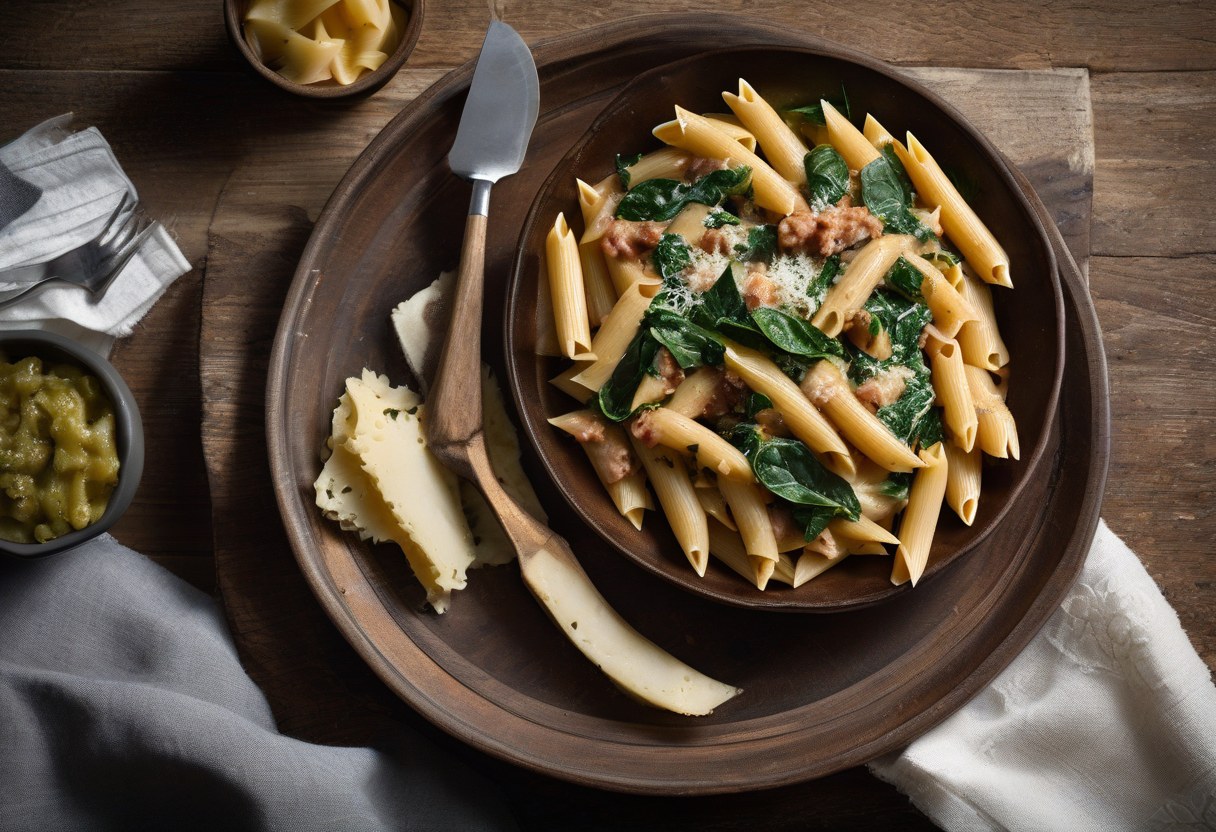
Once the sausage is cooked, add minced garlic and cook for just one minute until fragrant, being careful not to burn it. Meanwhile, drain your penne when it is al dente, reserving a cup of the starchy cooking water. Return the pasta to the pot or transfer everything to the skillet with the meat. Toss in two large handfuls of fresh spinach leaves. The residual heat from the pasta and pan will wilt the greens instantly without overcooking them, preserving their vibrant colour and texture. Add a splash of the reserved pasta water to create a light, glossy sauce that coats every piece of pasta evenly.
This method ensures a cohesive dish where no element feels afterthoughted. The starch from the pasta water acts as an emulsifier, binding the rendered sausage fats with the moisture from the greens. Serve immediately for the best texture, ensuring the spinach remains tender-crisp rather than mushy. This base recipe is versatile enough to be adjusted based on what you have in your pantry, making it a reliable staple for busy evenings.
Elevating Flavour: The Cheese-Lover’s Variation
If you wish to add a layer of creamy richness to the standard recipe, incorporating dairy elements can transform the dish from simple to indulgent. After tossing the spinach with the pasta and sausage, remove the skillet from the heat. This is a critical step because high heat can cause cheese to separate or become greasy. Stir in half a cup of whole-milk ricotta cheese. The ricotta adds a luxurious mouthfeel and a subtle tang that cuts through the richness of the pork sausage.
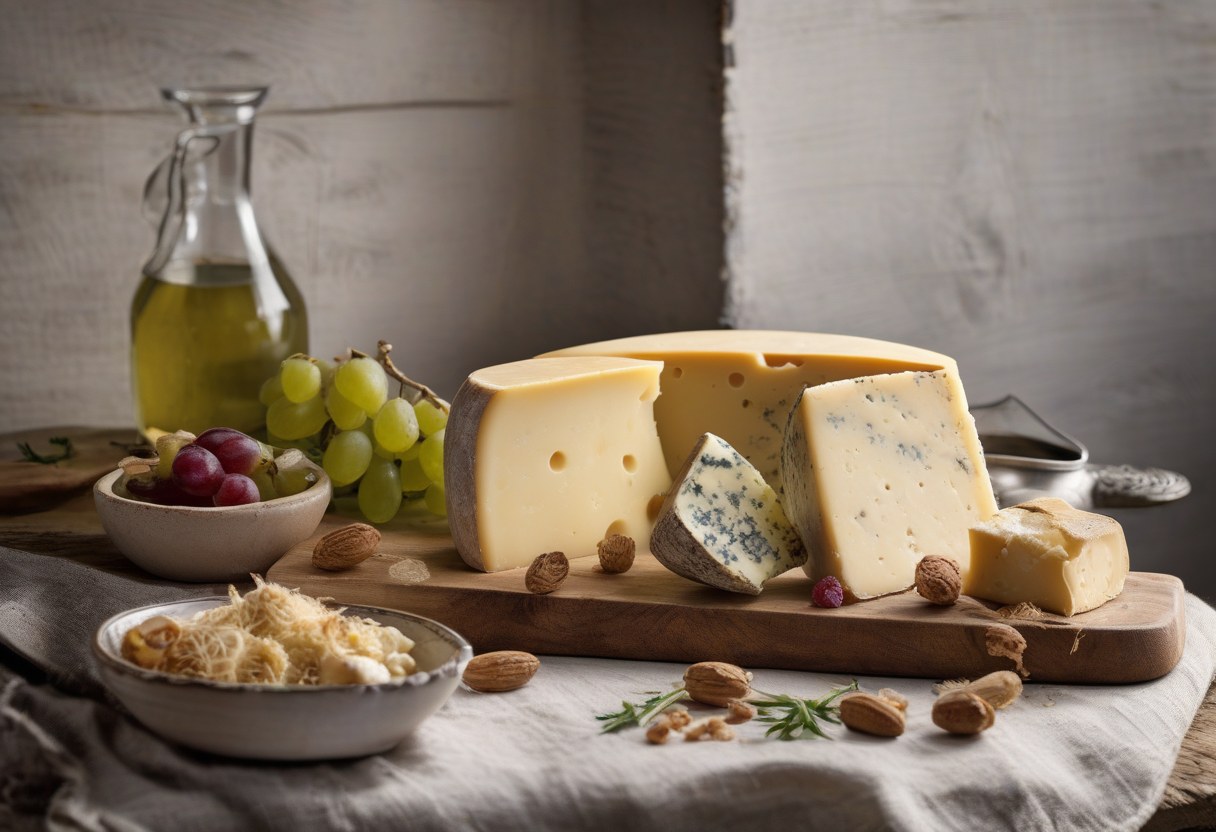
Follow this with a generous grating of aged Parmigiano-Reggiano. Unlike younger cheeses, aged parmesan offers a nutty, crystalline texture and intense umami depth that enhances the overall savouriness of the meal. Stir gently until the cheeses are melted into a cohesive sauce. If the mixture appears too thick, add small increments of the reserved pasta water to achieve your desired consistency. This version requires slightly more attention during the final assembly but rewards you with a restaurant-quality finish that feels special enough for guests.
The combination of ricotta’s creaminess and parmesan’s sharpness creates a complex flavour profile that stands up well against the spice of the sausage. It is worth noting that this variation may increase the cost per serving slightly due to the higher price point of quality cheeses, but the impact on taste is significant. Ensure your cheese is at room temperature before adding it to facilitate smoother melting and better integration with the hot pasta.
Smart Substitutions: Switching to Turkey Sausage
For those looking to alter the protein source without sacrificing convenience, turkey sausage serves as an excellent alternative to traditional pork-based Italian sausage. The preparation process remains identical: crumble the meat and brown it in the skillet until no pink remains. Turkey sausage typically has a leaner profile, which means it may render less fat than its pork counterpart. This can be advantageous if you prefer a lighter sauce base, though you might need to add a tablespoon of olive oil to the pan to prevent sticking.
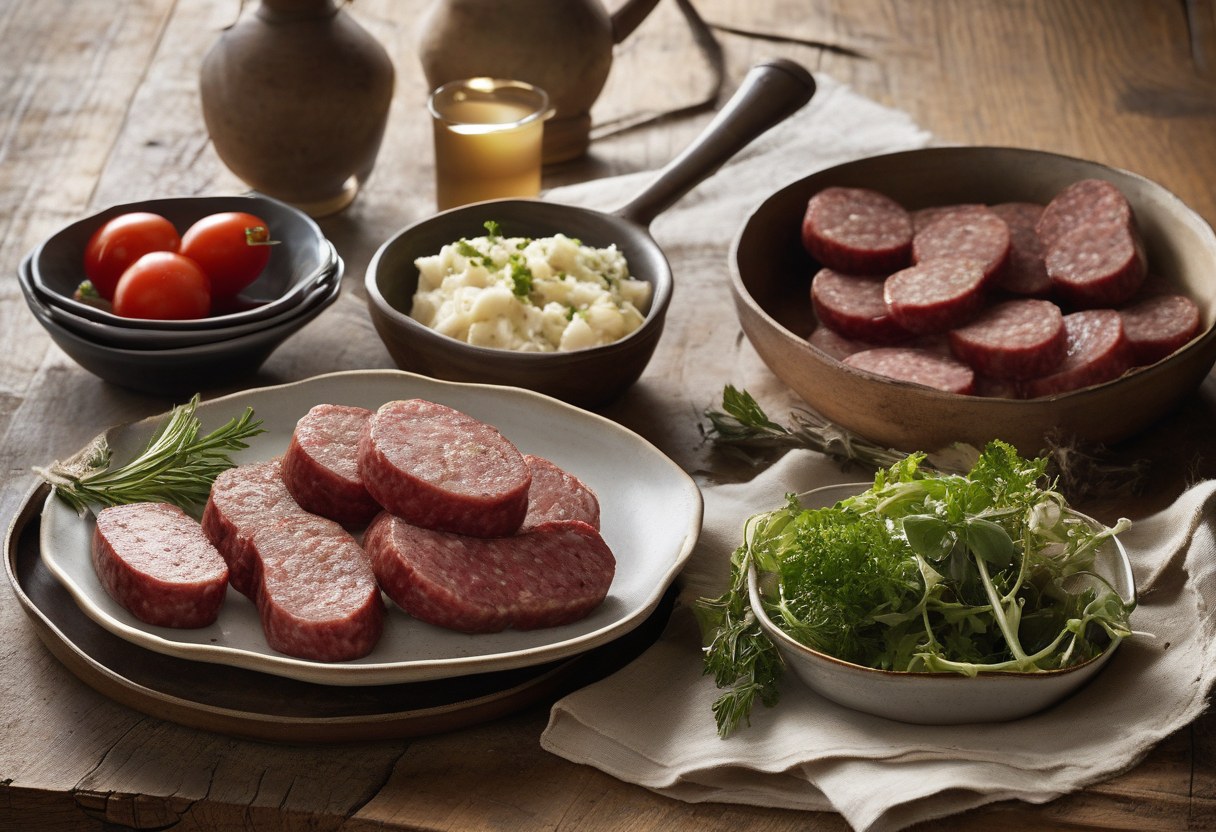
The flavour difference is subtle but noticeable; turkey sausage often has a milder taste, allowing the herbs within the meat—such as fennel, sage, and thyme—to shine through more distinctly. Because it cooks quickly, you can maintain the under-20-minute prep time promise of this recipe. In fact, due to its lower fat content, some cooks find that turkey sausage browns faster, potentially shaving a minute or two off the total cooking time. This swap also tends to reduce the overall cost per serving slightly, depending on local market prices for poultry versus pork.
When using turkey sausage, be mindful of seasoning. Since it lacks the robust fat content of pork, the dish may benefit from an extra pinch of red pepper flakes or a dash of smoked paprika to replicate the depth of flavour provided by traditional sausage. Taste the mixture before final plating and adjust salt and pepper accordingly. This substitution proves that flexibility in ingredient choice does not have to compromise on speed or satisfaction.
Batch Cooking Strategy: Freezer-Friendly Portions
One of the greatest advantages of this pasta dish is its suitability for batch cooking. Doubling or tripling the recipe allows you to prepare multiple meals at once, saving time throughout the week. Once the pasta and sausage mixture is cooked and combined with greens, allow it to cool completely to room temperature before packaging. Attempting to freeze hot food can lead to condensation inside your storage containers, resulting in ice crystals that degrade the texture of the pasta upon reheating.
To freeze effectively, portion the cooled dish into individual serving sizes. This approach ensures you only reheat what you need, reducing waste and maintaining quality. Use freezer-safe bags or rigid containers, leaving a small amount of headspace for expansion as the contents freeze. Label each container with the date; this dish retains its flavour and texture well for up to three months in a standard home freezer. The starch in the pasta helps protect it from freezer burn better than delicate noodles like angel hair would.
When you are ready to eat, thaw the portion in the refrigerator overnight for the best results. Alternatively, you can reheat directly from frozen using the microwave technique described later in this guide. Batch cooking this recipe is a practical strategy for managing weekly meal planning without sacrificing fresh-tasting food. It eliminates the daily decision fatigue of what to cook while ensuring a hot, homemade meal is always available.
Storage Solutions: Fridge Freshness
If you do not plan to freeze leftovers immediately, proper refrigeration is key to maintaining freshness for up to five days. The choice between airtight rigid containers and zip-top bags can impact the quality of your stored food. Rigid glass or plastic containers are generally preferred for pasta dishes because they protect the structure of the penne from being crushed. They also stack neatly in the refrigerator, maximising space efficiency.
However, zip-top freezer bags offer a distinct advantage in terms of air exclusion. By pressing out as much air as possible before sealing, you minimise oxidation and moisture loss, which can help keep the greens looking vibrant and the sausage from drying out. If using bags, lay them flat to freeze or store; this allows for faster cooling and easier stacking. Regardless of the method chosen, ensure the food is sealed tightly to prevent odours from other fridge items from permeating your meal.
Always allow the pasta to cool before sealing it in any container. Trapping heat can create a warm environment conducive to bacterial growth. Once cooled, place the containers in the coldest part of your refrigerator, typically the back of the bottom shelf. Check for any signs of spoilage, such as off odours or slimy textures, before consuming leftovers. Proper storage ensures that the second-day meal tastes nearly as good as the first.
Reheating Technique: Microwave Mastery
Reheating pasta dishes in the microwave can often result in dry, rubbery noodles if not done correctly. To avoid this common pitfall, transfer your portion to a microwave-safe plate or bowl. Add one tablespoon of water per serving; this creates steam during heating, which rehydrates the pasta and prevents it from becoming tough. Cover the dish loosely with a microwave-safe lid or damp paper towel to trap the steam.
Heat on medium power for two minutes, then stir thoroughly. Stirring is essential to distribute heat evenly and prevent hot spots that can overcook certain areas while leaving others cold. Continue heating in 30-second intervals until the dish is piping hot throughout. This gentle reheating method preserves the texture of the spinach and keeps the sausage juicy. Avoid using high power for extended periods, as this can cause the fats to separate and the cheese to become oily.
If your portion includes ricotta or parmesan, you may notice slight separation upon reheating. A quick stir usually reincorporates the sauce, but adding a tiny splash more water can help restore creaminess. This technique ensures that your leftover meal remains enjoyable, with the same rich flavours and pleasing textures as when it was first served. It is a simple adjustment that makes a significant difference in the final eating experience.
Serving Idea: The Family Toppings Bar
To accommodate varying taste preferences within your household, consider setting up a simple toppings bar. This interactive element allows each person to customise their portion according to their liking. Start with a bowl of freshly grated Pecorino Romano or additional Parmesan for those who enjoy extra saltiness and umami. Provide a small dish of fresh chopped parsley or basil to add a bright, herbal note that contrasts with the rich sausage.
Include a shaker of red pepper flakes for heat enthusiasts and perhaps some toasted breadcrumbs for added crunch. This setup not only makes mealtime more engaging but also reduces complaints about flavour intensity. It is an easy way to ensure everyone enjoys their dinner without needing to prepare separate dishes. The toppings bar adds a touch of fun and personalisation to the routine of eating, turning a standard weeknight dinner into a slightly more eventful occasion.
This approach also helps manage waste; you can offer smaller quantities of expensive toppings like fresh herbs or high-quality cheeses, ensuring they are used up rather than left unused. It encourages mindful eating as individuals choose exactly what they want in their bowl. The flexibility of this serving style makes the recipe even more adaptable to different dietary preferences and palates within the same home.
FAQ
How long does this penne pasta dish last in the refrigerator?
When stored in an airtight container, this dish remains fresh for up to five days in the refrigerator. Ensure it is cooled completely before sealing to maintain quality and safety.
Can I substitute zucchini noodles for regular penne pasta? What are the prep time differences?
Yes, you can use zucchini noodles, but the cooking process changes significantly. Zucchini noodles cook in minutes and do not require boiling water. However, they release more moisture, so you may need to reduce added liquids and serve immediately to avoid sogginess.
What’s the best container type to use when storing leftovers of this dish?
Rigid airtight containers are ideal for maintaining the shape of the pasta and preventing leaks. Alternatively, zip-top bags with air pressed out work well for saving space and minimising oxidation.
Is it possible to batch-cook this recipe and freeze individual portions? How do you reheat them later?
Absolutely. Cool the dish completely, portion into freezer-safe containers or bags, and freeze for up to three months. Reheat by thawing in the fridge overnight and then microwaving with a splash of water on medium power until hot.


