Quickie Black Eyed Peas & Greens V1: Fast Comfort Food

Download the free printable PDF
There is a certain magic in combining the earthy richness of black-eyed peas with the vibrant texture of greens. This dish offers a comforting, hearty meal that comes together quickly, making it an ideal choice for busy weeknights when you crave flavour without the fuss. Whether you are looking to stretch your budget or simply want a reliable dinner option that reheats beautifully, this guide covers everything you need to know.
The Classic Southern Foundation
To create the perfect base for your quickie black-eyed peas and greens, start with high-quality canned black-eyed peas. These require no soaking, which is a significant time-saver compared to dried beans. Drain and rinse them thoroughly to remove excess sodium and starch. For the greens, fresh collard greens or kale work best if you have time to chop them, but frozen chopped greens are a fantastic shortcut that delivers consistent texture every time. The key to this classic style is building a savoury broth using vegetable stock or water enriched with aromatics like onion, garlic, and a pinch of red pepper flakes for heat.
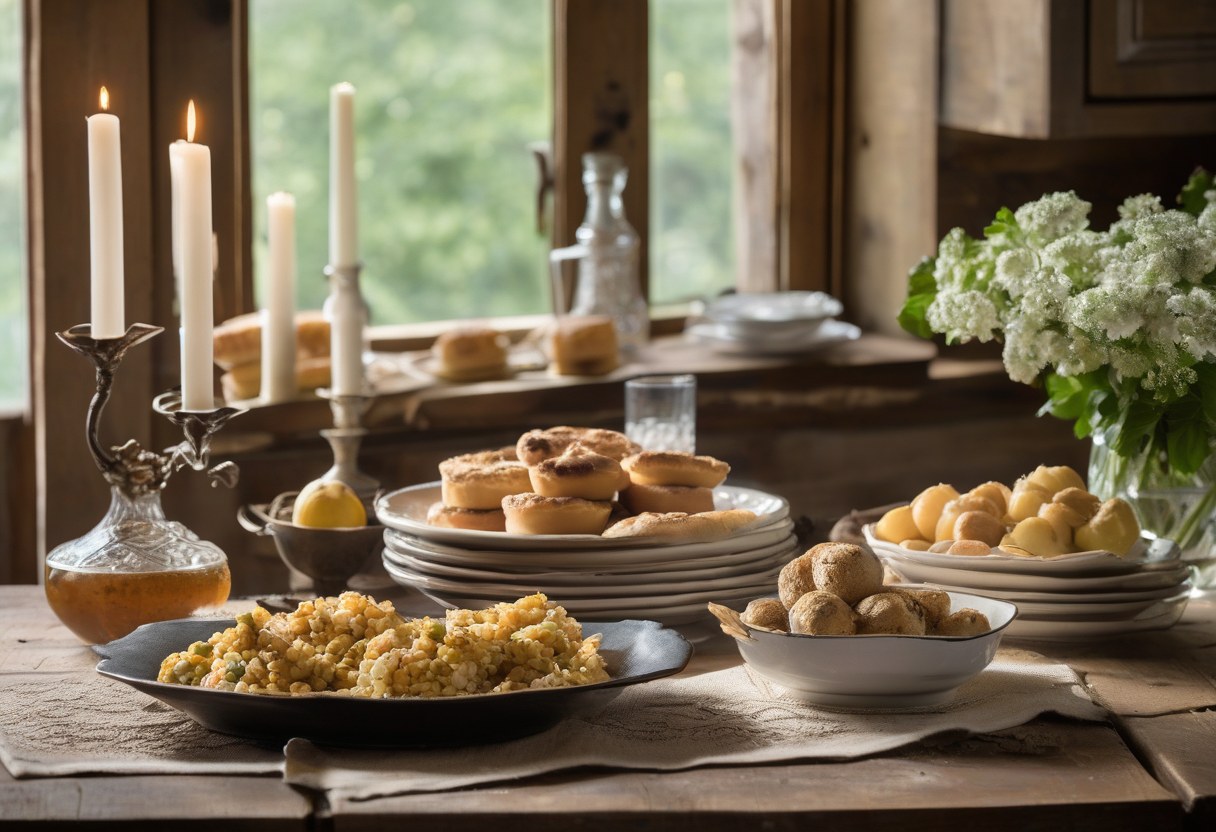
The cooking process begins by sautéing diced onions and minced garlic in a large pot until soft and translucent. This step is crucial for developing depth of flavour before the main ingredients are added. Once the aromatics are fragrant, add your rinsed black-eyed peas and the greens along with your liquid base. Bring the mixture to a gentle simmer and let it cook for about 15 to 20 minutes. This allows the peas to heat through and absorb the surrounding flavours while the greens wilt down into tender, edible ribbons. Season generously with salt, black pepper, and a splash of apple cider vinegar or lemon juice at the very end to brighten the dish.
This method ensures that every spoonful is packed with robust, traditional flavour without requiring hours of simmering. It respects the integrity of the ingredients while respecting your time. The result is a cohesive dish where the peas remain distinct but creamy, and the greens provide a necessary textural contrast. You can serve this immediately over rice or potatoes for a complete meal that feels indulgent yet simple to execute.
Speedy Stir-Fry Spinach Variation
If you are short on time but still want the comforting essence of peas and greens, swapping collards for fresh spinach is a brilliant move. Spinach wilts in under two minutes, drastically reducing the active cooking time. To execute this variation, start by heating a large skillet or wok over medium-high heat. Add a tablespoon of oil and toss in your drained black-eyed peas along with sliced garlic and ginger. Sauté these ingredients for three to four minutes until they are heated through and lightly caramelised at the edges.
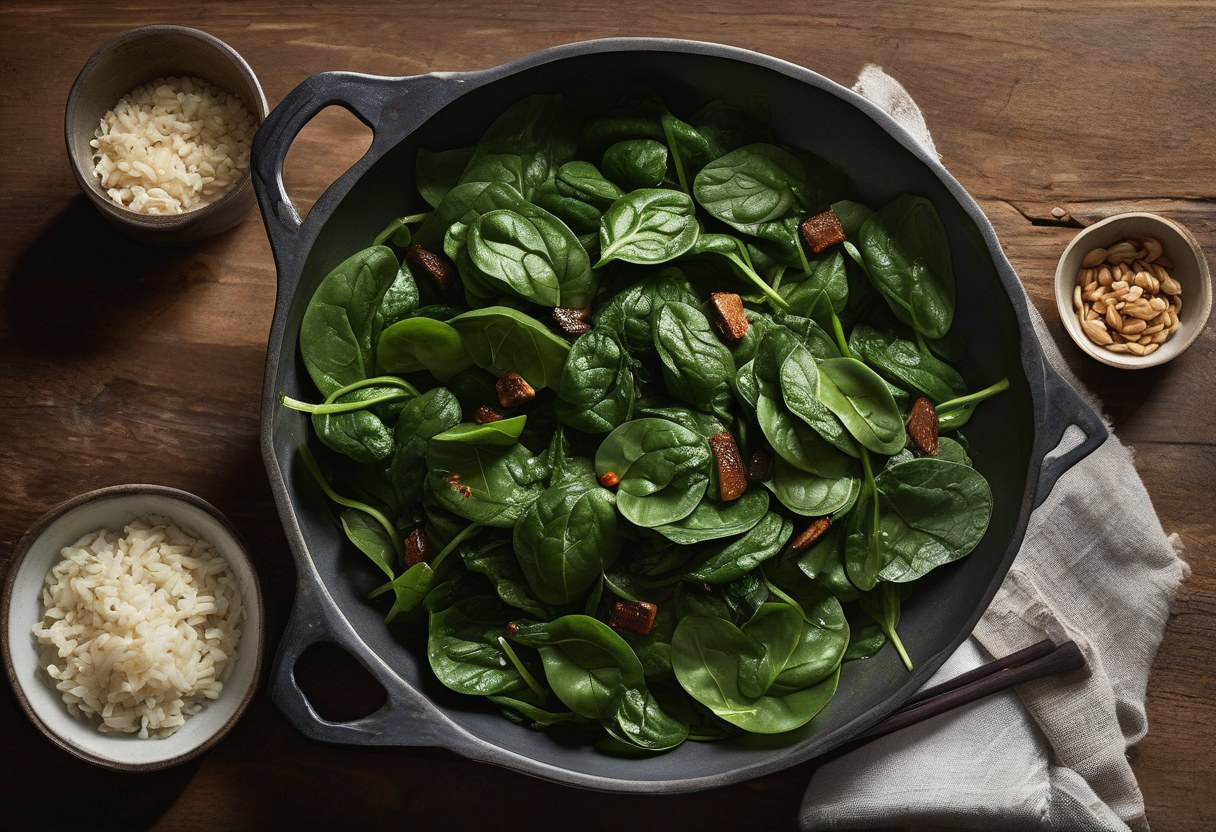
Once the peas are hot, add a large volume of fresh spinach leaves. They will look overwhelming at first, but they will shrink rapidly as they cook. Toss continuously with tongs or a wooden spoon to ensure even wilting. Add a splash of soy sauce, a drizzle of sesame oil, and perhaps a teaspoon of chili crisp for an Asian-inspired twist on the traditional flavour profile. This method keeps the greens vibrant green and slightly crisp, offering a different textural experience than the softer, stewed version.
This stir-fry approach is perfect for those who prefer their vegetables to retain a bit of bite. It transforms the dish from a slow-cooked stew into a dynamic, quick-cooking meal that feels light yet satisfying. The combination of the nutty peas and the fresh, peppery spinach creates a balanced plate that is ready in under ten minutes. Serve it over steamed rice or quinoa to soak up the delicious savoury juices left in the pan.
Budget-Friendly Batch Cooking
This recipe is inherently economical, making it a staple for budget-conscious cooks. By utilising canned black-eyed peas and frozen mixed greens, you minimise food waste and keep costs low. Canned beans are shelf-stable and often on sale, while frozen greens are picked at peak freshness and flash-frozen, preserving their quality without the premium price tag of fresh produce. Buying these ingredients in bulk further reduces the per-serving cost, allowing you to feed a family or prepare meals for the week without breaking the bank.
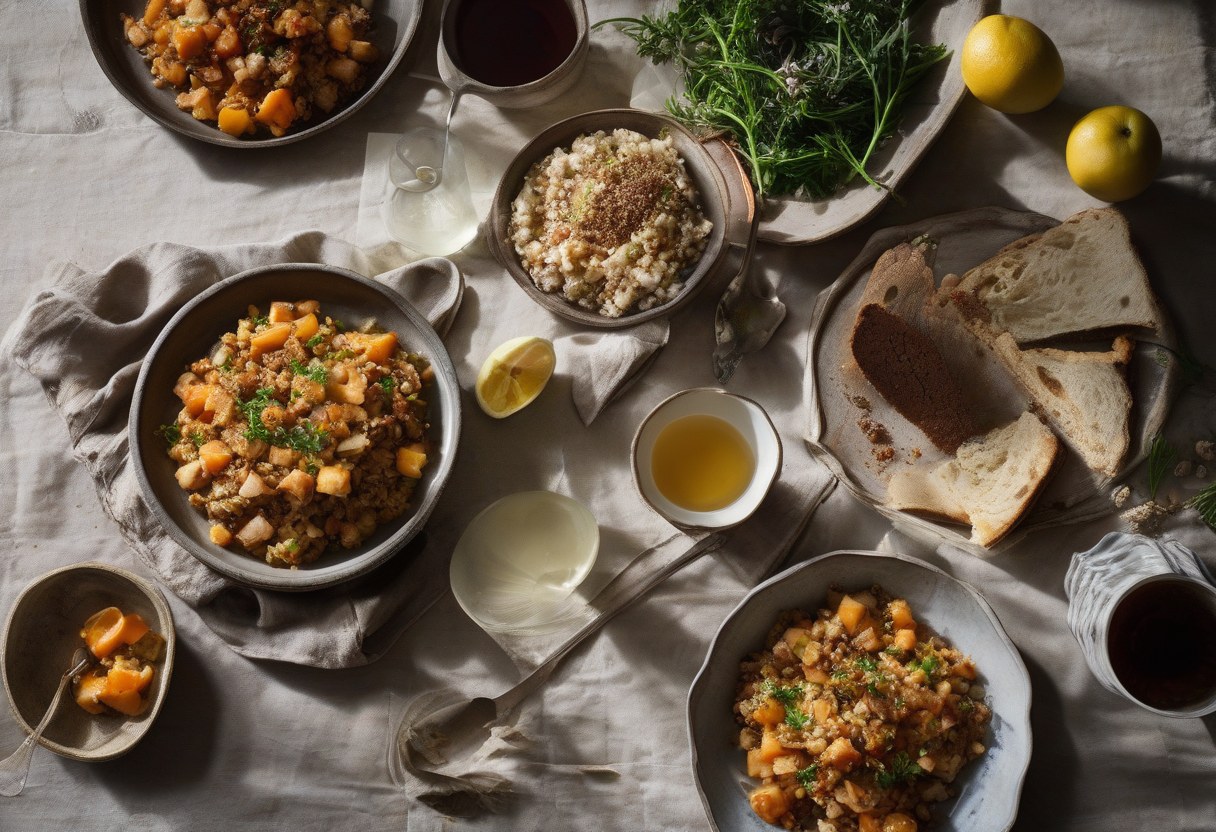
To maximise efficiency, prep all components before turning on the stove. Measure out your canned peas, thaw your frozen greens if preferred (though cooking from frozen works well), and chop any aromatics. Combine everything in a large pot with enough vegetable broth to cover the ingredients by an inch. Simmer gently for 20 minutes, stirring occasionally to prevent sticking. This batch-cooking method means you can prepare several litres of the dish at once, which is ideal for meal prepping lunches or dinners throughout the week.
The beauty of this budget-friendly approach lies in its scalability and consistency. You can double or triple the recipe without changing the technique significantly. The flavours meld together nicely over time, often tasting even better the next day as the peas absorb more of the broth. This makes it a reliable option for those who plan their meals ahead of time to avoid last-minute takeout orders or expensive convenience foods.
Instant Pot Shortcut Method
For those who own an Instant Pot, this dish can be prepared in half the time with minimal effort. The pressure cooking function ensures that the peas and greens are cooked evenly and quickly without the risk of burning or drying out. Start by using the sauté function to brown onions and garlic in a little oil. Once fragrant, add the drained black-eyed peas, frozen greens, vegetable broth, and your chosen seasonings. Secure the lid and set the valve to sealing.
Cook on high pressure for just 3 to 5 minutes. This short cooking time is sufficient because the canned peas are already cooked and the frozen greens require very little heat to soften. Once the timer beeps, allow for a natural pressure release for five minutes before quick-releasing any remaining pressure. Open the lid carefully, stir in a final splash of vinegar or lemon juice to cut through the richness, and adjust seasoning if needed. The result is a tender, cohesive dish that requires almost no active monitoring.
This method is particularly useful when you are short on time but want a hot, home-cooked meal. The Instant Pot retains moisture effectively, ensuring the greens do not become mushy despite the pressure cooking. It also simplifies cleanup, as everything cooks in one pot. This shortcut does not compromise on flavour; in fact, the sealed environment helps trap aromas, resulting in a deeply savoury final product.
Storage and Freezing Tips
One of the biggest advantages of black-eyed peas and greens is their excellent storage quality. Leftovers can be kept in the refrigerator for up to four days without losing texture or flavour. To store, allow the dish to cool completely before transferring it to airtight containers. Glass containers are recommended as they do not retain odours and are easy to clean. Ensure the lids are sealed tightly to prevent cross-contamination with other items in your fridge.
If you wish to freeze this dish for later use, portion it into individual servings or larger batches depending on your needs. Black-eyed peas freeze exceptionally well, maintaining their shape and creaminess. Greens may soften slightly upon thawing, but they remain perfectly edible and tasty. Use freezer-safe bags or containers, removing as much air as possible to prevent freezer burn. Label each container with the date so you can track freshness.
When reheating from frozen, it is best to thaw the portions in the refrigerator overnight. You can then reheat them on the stove over medium heat, adding a splash of water or broth if the mixture seems too thick. Alternatively, microwave individual servings in 30-second intervals, stirring in between to ensure even heating. This flexibility makes the dish a convenient option for busy schedules.
Vegetarian Pairing Suggestions
Serving this dish with the right side can elevate it from a simple meal to a complete feast. Since black-eyed peas and greens are naturally vegetarian, they pair beautifully with hearty sides that add texture and substance. Cornbread is a classic companion, offering a sweet and crumbly contrast to the savoury, moist main dish. The slight sweetness of the cornbread balances the earthiness of the peas and the bitterness of the greens.
For a gluten-free option, consider serving the mixture over fluffy quinoa or wild rice. These grains add a nutty flavour and a pleasant chew that complements the soft texture of the cooked beans. Another excellent pairing is roasted root vegetables, such as carrots or parsnips, which add natural sweetness and colour to the plate. These sides not only enhance the visual appeal but also provide variety in texture, making each bite interesting.
You can also top the dish with a sprinkle of toasted nuts or seeds for added crunch. Sunflower seeds, pumpkin seeds, or chopped pecans work well and add a rustic touch. This simple addition transforms the meal into something more substantial and satisfying. Whether you choose bread, grains, or vegetables, the goal is to create a balanced plate that feels complete and indulgent.
FAQ
How long does this recipe keep in the refrigerator?
This dish keeps well in the refrigerator for up to four days. Ensure it is stored in an airtight container and cooled completely before refrigerating to maintain freshness and prevent spoilage.
Can I reheat these black-eyed peas and greens without losing flavor?
Yes, reheating on the stove with a splash of broth or water helps restore moisture and flavour. Microwave reheating is also effective if you stir the dish halfway through to ensure even heating.
What type of container is best for storing leftovers?
Glass containers with tight-fitting lids are ideal as they do not absorb odours or stains. They are also safe for both refrigeration and freezing, making them versatile for meal prep.
If I run short on black-eyed peas, what can I substitute?
You can substitute black-eyed peas with other canned beans such as chickpeas, kidney beans, or navy beans. Each will offer a slightly different texture but will still provide a hearty base for the greens.


