Roasted Salsa Bliss: Quick & Cost-Effective Recipes

Download the free printable PDF
Autumn is the perfect time to embrace the comforting depths of roasted flavors, and few condiments capture this seasonal spirit better than homemade salsa. By roasting your ingredients, you unlock a rich, smoky complexity that simple raw chopping simply cannot achieve, all while keeping your grocery bill remarkably low. This roundup focuses on seven distinct recipes that prioritize speed, storage efficiency, and bold taste, ensuring you have a versatile array of condiments ready for any meal.
Classic Roasted Tomato Salsa
The foundation of any salsa repertoire is the classic roasted tomato variety, which serves as a versatile base for chips, tacos, or even as a sauce for pasta. This recipe shines because it transforms basic, inexpensive ingredients into a deep, savory condiment that holds up well over time, making it ideal for busy households. The roasting process caramelizes the natural sugars in the tomatoes and onions, creating a thick, cohesive texture that requires no added thickeners.
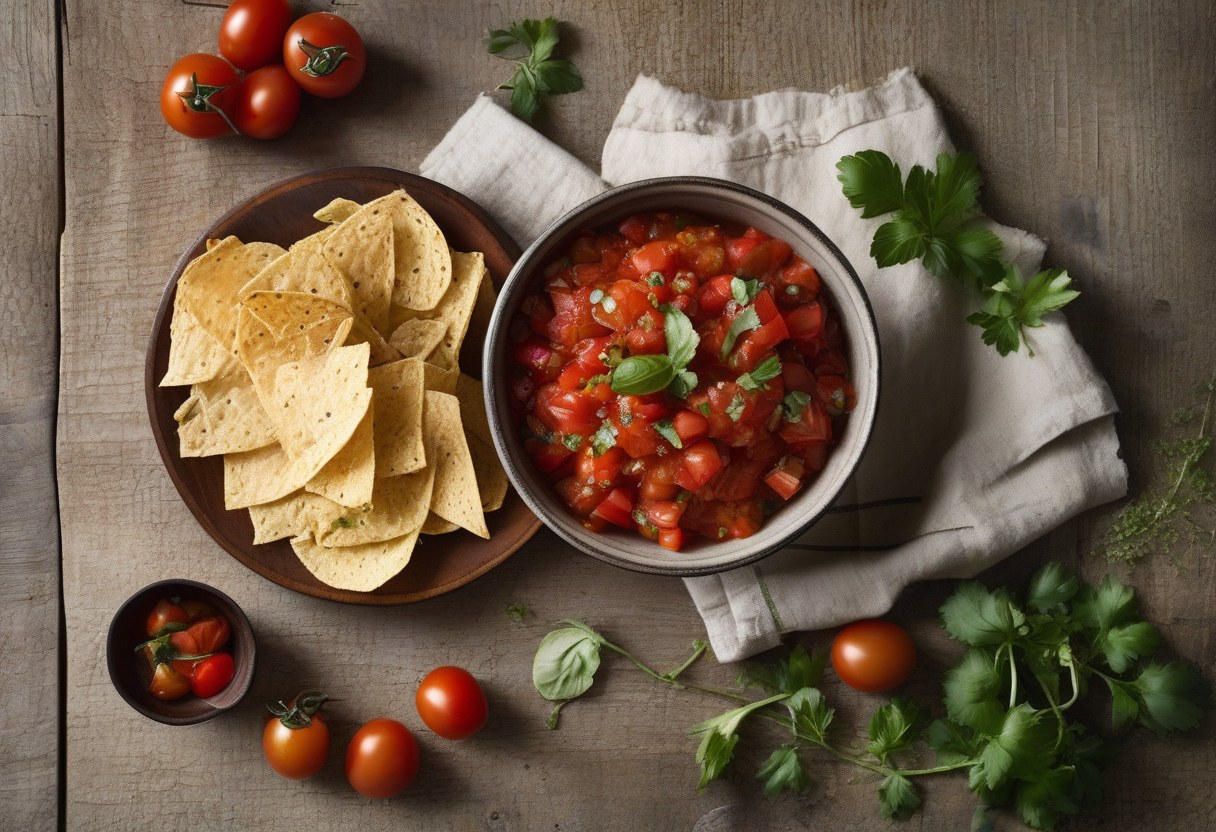
To prepare this, you will need ripe tomatoes, a whole white onion, a couple of jalapeño peppers, and a clove of garlic. Toss them with a drizzle of oil and roast at a high heat until the skins blister and char. Once cooled, blend the mixture with a squeeze of lime and a pinch of salt. The result is a chunky, rustic salsa that tastes far superior to any jarred version found in the supermarket. Its long shelf life in the refrigerator makes it a smart investment for meal planning.
Because this salsa is so versatile, you can adjust the heat level easily by removing the seeds from the jalapeños or adding more peppers for a kick. It pairs exceptionally well with grilled meats or as a dip for sturdy crackers. The smokiness derived from the charred skins adds a layer of depth that elevates even the simplest plate of eggs or a bowl of rice, proving that great flavor does not require complex techniques.
Cranberry Almond Roast Salsa
As the holiday season approaches, the Cranberry Almond Roast Salsa offers a festive twist that bridges the gap between savory and sweet. This unique combination works best when prepared in large batches, as it freezes exceptionally well and maintains its texture upon thawing. The tartness of the cranberries cuts through the richness of the roasted tomato base, while the almonds provide a satisfying crunch that contrasts beautifully with the soft vegetables.
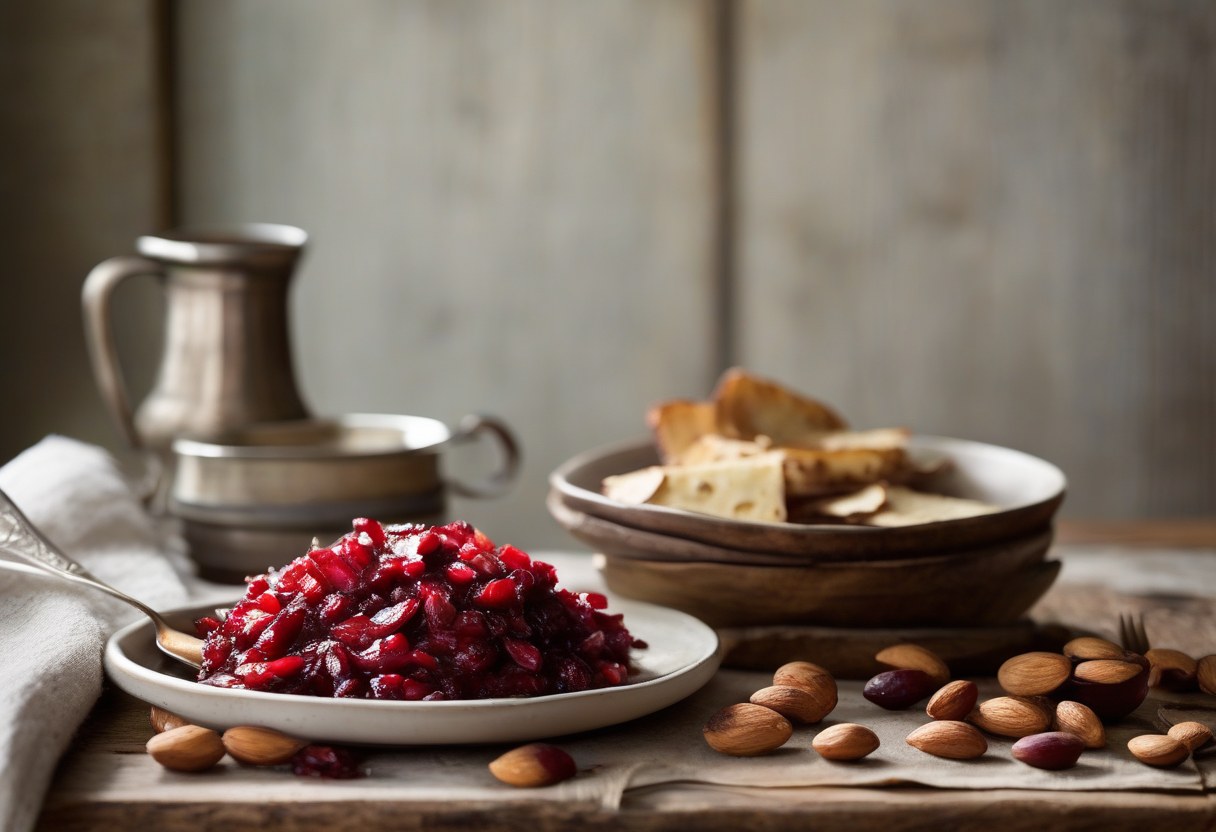
Start by roasting tomatoes, red peppers, and shallots until they are tender and slightly collapsed. In a separate pan, toast sliced almonds until they are golden and fragrant, then mix them with dried cranberries and a touch of honey. Combine these elements with the roasted vegetables and blend partially to retain some texture. This salsa is a crowd-pleaser that adds a touch of celebration to everyday dinners without requiring expensive ingredients.
The cost-effectiveness of this recipe is notable, as dried cranberries and almonds are often available in bulk at reasonable prices. It is an excellent option for entertaining, as it looks vibrant and tastes sophisticated. You can serve it alongside roasted chicken or pork, where the sweet and savory notes complement the meat perfectly. The ease of freezing portions means you can prepare a large batch on a weekend and enjoy it throughout the week without any loss of quality.
Roasted Avocado & Corn Delight
For those who prefer a creamier, milder profile, the Roasted Avocado & Corn Delight is a family-friendly favorite that relies on the natural richness of avocado and the sweetness of corn. This salsa is incredibly affordable, as both avocados and corn are budget-friendly staples that can be found in abundance during the season. The roasting of the corn kernels adds a smoky, sweet depth that enhances the creamy texture of the mashed avocado, creating a luxurious mouthfeel without any dairy.
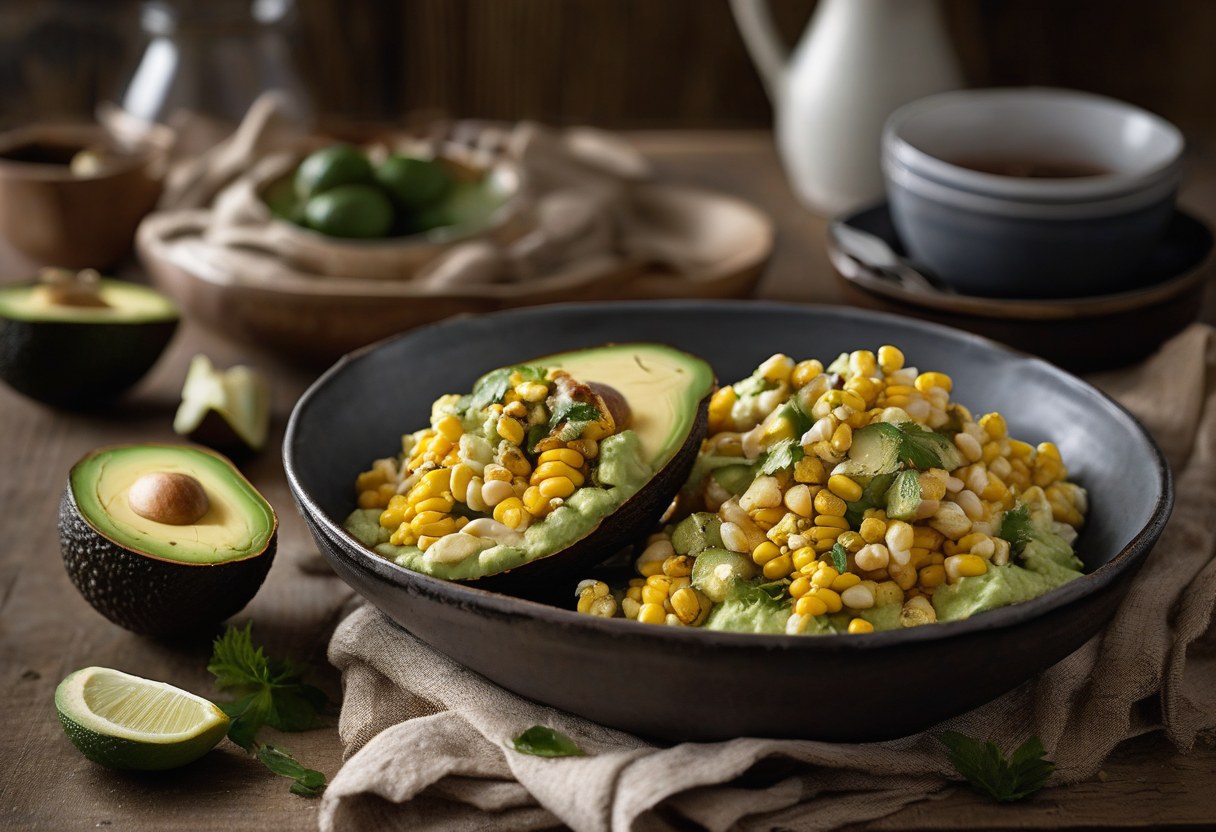
Begin by roasting ears of corn or using pre-roasted kernels to save time. Mash ripe avocados with lime juice, a small amount of roasted onion, and a sprinkle of cumin. Fold in the roasted corn kernels for texture. This salsa is mild in spice, making it suitable for children and adults alike who prefer subtle flavors. It is a quick preparation that can be done in under twenty minutes, perfect for weeknight dinners when time is short.
The visual appeal of this salsa is undeniable, with the bright green of the avocado contrasting against the yellow corn and red tomato bits. It serves as an excellent dip for tortilla chips or as a topping for grilled fish. Because it uses fresh ingredients that are readily available, you can make this salsa on short notice without needing to plan ahead. The combination of textures and flavors is simple yet satisfying, offering a comforting taste that does not break the bank.
Spicy Roasted Pepper Pesto
Deviate from traditional salsa textures with the Spicy Roasted Pepper Pesto, which blends roasted peppers into a paste that mimics the consistency of pesto. This condiment is designed for those looking to add variety to their meals, as it pairs surprisingly well with pasta, wraps, or as a spread for sandwiches. The roasting of the peppers, such as red or orange varieties, softens their skin and intensifies their flavor, while the addition of basil and garlic creates a herbaceous, aromatic profile.
To make this, roast red peppers until the skins are blackened, then peel them and blend with toasted nuts, such as walnuts or pine nuts, garlic, and fresh basil. Add a splash of oil to achieve the right consistency. This "pesto" is spicy and robust, offering a different dimension to your condiment collection. It is a great way to use up surplus peppers from the market, turning them into a concentrated flavor bomb that lasts for weeks in the fridge.
The versatility of this pepper pesto is its strongest asset. Use it to toss with cooked pasta for a quick lunch, or spread it on crusty bread with a slice of cheese for a snack. The heat level can be adjusted by choosing milder or hotter pepper varieties. This recipe demonstrates that roasted salsa ingredients can extend beyond traditional dips into the realm of spreads and sauces, offering endless possibilities for meal variety without increasing your grocery costs significantly.
Roasted Beet & Apple Salsa
The Roasted Beet & Apple Salsa is a unique entry that plays on the contrast between earthy beets and tart apples. This combination is ideal for batch cooking because it freezes well and maintains its texture upon thawing, making it a reliable option for future meals. The sweetness of the roasted beets is balanced by the acidity of the apple and lime, creating a complex flavor profile that is both surprising and delicious. It is a colorful addition to any table, adding visual interest alongside its taste appeal.
Roast beets until they are tender, then peel and dice them. Mix with finely chopped apples, red onion, and a light dressing of vinegar and oil. The result is a salsa that is not too sweet and not too spicy, but perfectly balanced. It works well as a topping for roasted chicken or as a side to a cheese board. The ease of preparation makes it a great candidate for Sunday cooking, where you can prepare a large batch to use throughout the week.
One of the benefits of this salsa is its ability to mask the strong earthiness of beets, making it palatable for those who might otherwise avoid the vegetable. The apple adds a crunch that keeps the salsa from becoming too dense. This recipe is a testament to the creativity possible with roasted ingredients, showing that you can create unique and memorable flavors with simple, affordable produce. It is a smart choice for those who want to experiment with new flavor combinations without taking a financial risk.
Quick Roasted Veggie Medley Salsa
The Quick Roasted Veggie Medley Salsa is designed for efficiency, using a variety of pre-roasted vegetables to create an all-in-one condiment. This recipe is best for busy weeknights, as it requires minimal prep time beyond the initial roasting. By using a mix of carrots, zucchini, and bell peppers, you create a colorful and texturally diverse salsa that adds substance to any dish. The roasting process softens the vegetables and concentrates their flavors, resulting in a savory, slightly sweet condiment that is easy to eat.
Simply roast a tray of mixed vegetables until they are tender and slightly charred. Then, chop them roughly and mix with tomato, onion, and spices. This salsa is a great way to use up any leftover roasted vegetables from previous meals, reducing waste and saving money. It is a practical solution for those who want a quick, flavorful addition to their dinner without spending hours in the kitchen. The medley of vegetables ensures that every spoonful offers a different texture and taste, keeping the eating experience interesting.
This salsa is particularly useful for those who enjoy a hearty condiment that can stand in as a side dish. It can be served with grilled meats or as a topping for baked potatoes. The simplicity of the recipe means that you can adjust the vegetables based on what is available in your kitchen or at the market. This flexibility makes it a reliable and cost-effective option for any household, ensuring that you always have a flavorful condiment on hand without the need for complex planning or expensive ingredients.
Mild Roast Salsa with Hidden Veggies
The Mild Roast Salsa with Hidden Veggies is a clever way to incorporate extra vegetables into meals without compromising taste or cost. This recipe is perfect for families with children, as it incorporates finely chopped roasted carrots and sweet potato into a mild tomato base. The sweetness of the carrots and sweet potato blends seamlessly with the acidity of the tomatoes, creating a smooth, uniform texture that is appealing to all ages. It is a subtle way to add variety to your vegetable intake while keeping the flavor profile familiar and comforting.
Roast the carrots and sweet potato until they are soft, then blend them with roasted tomatoes and onions until smooth. Add a mild spice blend, such as cumin and oregano, to enhance the flavor. This salsa is mild in heat, making it suitable for those who prefer less spicy options. It is a great base for tacos or as a sauce for grilled chicken. The hidden veggies add bulk and flavor without being noticeable, making it an excellent tool for meal planning and family feeding.
The cost-effectiveness of this recipe is high, as carrots and sweet potatoes are among the cheapest vegetables available. By roasting and blending them, you create a versatile sauce that can be used in multiple ways throughout the week. This approach not only saves money but also reduces food waste by utilizing vegetables that might otherwise be left unused. It is a practical and delicious solution for those who want to keep their meals simple, affordable, and satisfying, proving that good food does not have to be complicated or expensive.
FAQ
How can I store my homemade roasted salsa?
You should store your homemade roasted salsa in an airtight container in the refrigerator for up to two weeks. For longer-term storage, you can freeze portions in freezer-safe containers or bags. Labeling the containers with the date helps you keep track of freshness and ensures you use the oldest batches first. Freezing is particularly effective for batch-cooked salsas, as they maintain their flavor and texture well when thawed gradually in the fridge.
Can I reheat leftover roasted salsa safely?
Yes, you can reheat leftover roasted salsa, but it is best to reheat only small batches at a time. Ensure that the salsa reaches an internal temperature of 165°F (74°C) throughout when microwaving or heating on the stovetop. Stirring the salsa frequently while heating helps to distribute the heat evenly. This method ensures that the salsa is safe to eat and retains its best texture and flavor.
What are some good containers to use for storing roasted salsa?
Glass jars are excellent for storing roasted salsa as they do not retain odors or stains and are easy to clean. Plastic containers with tight seals are also a good option, especially for freezing, as they are less likely to break. Reusable silicone bags are another space-saving choice for the freezer, allowing you to lay them flat to save space. Choose containers that are specifically labeled as food-safe and freezer-friendly to ensure the best results.
Can I substitute ingredients in my roasted salsa recipes?
Absolutely, you can substitute ingredients to suit your taste preferences. For example, you can swap out bell peppers for poblano peppers if you want extra heat. Different nuts like walnuts or pecans can be used instead of almonds in the cranberry salsa. If you prefer a sweeter taste, you can substitute honey for sugar in the dressing. Experimenting with substitutions allows you to customize the salsa to your liking and use what you have on hand.


