Slow-Cooker Cabbage & Kielbasa: 7 Easy Variations

Download the free printable PDF
The aroma of slow-cooked meats and tender vegetables filling your kitchen on a chilly evening is undeniably comforting, making slow cooker cabbage and kielbasa a go-to for home cooks who value both flavour and convenience. This listicle explores seven distinct ways to approach this classic combination, offering creative twists that keep taste buds engaged without complicating your schedule.
1. Classic Comfort: The Original V3 Method
The foundation of any great slow-cooker meal is simplicity, and the original Slow Cooker Cabbage and Kielbasa V3 recipe embodies this principle perfectly. This version relies on the natural smokiness of the sausage and the earthy sweetness of the cabbage to create a harmonious balance of flavours. By layering the ingredients correctly, you allow the juices from the kielbasa to permeate the cabbage leaves, resulting in a dish that is both hearty and deeply satisfying. It is the quintessential "set it and forget it" dinner, ideal for busy weeknights when you want a home-cooked meal without the hassle of constant monitoring.
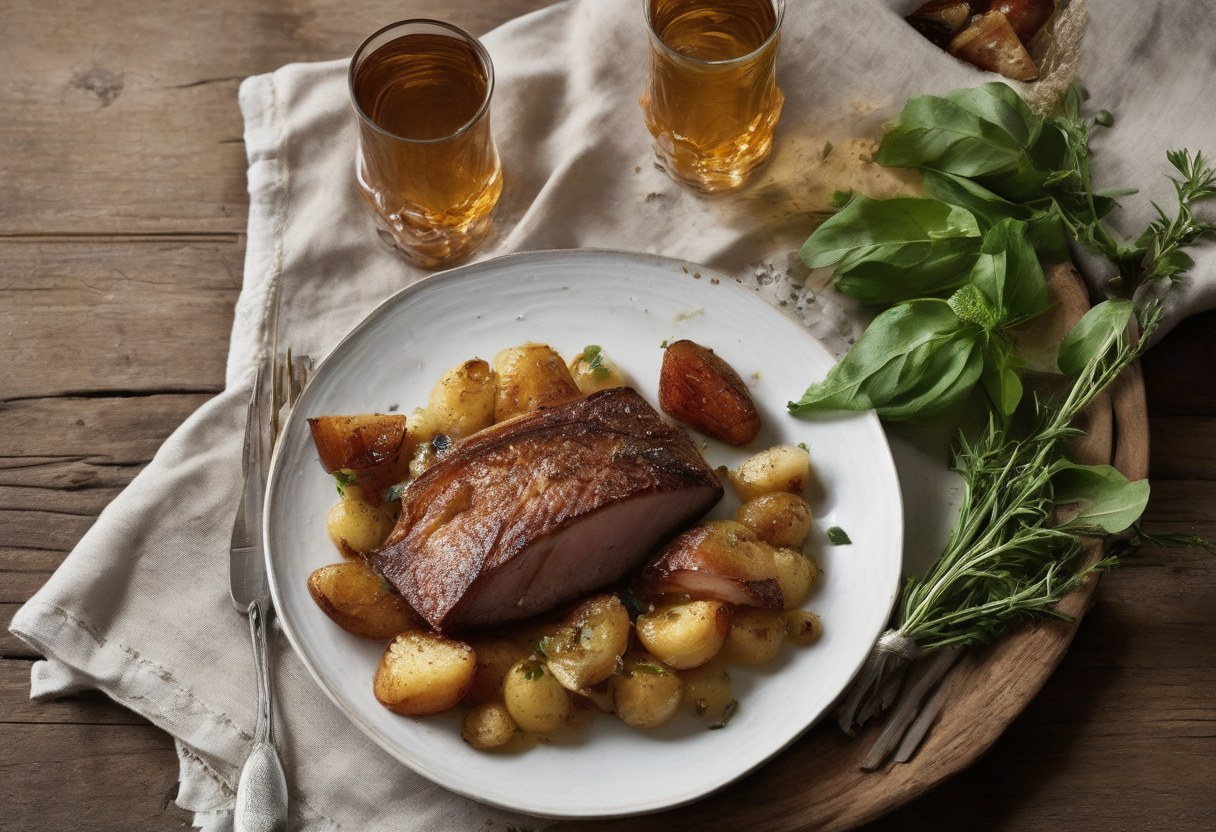
To prepare this classic version, start by slicing your kielbasa into thick rounds or leaving it in large chunks, depending on your preference for texture. Place roughly chopped cabbage at the bottom of the slow cooker, followed by a layer of sliced onions and garlic cloves for aromatic depth. Add the kielbasa on top, and pour in a modest amount of chicken or vegetable broth to create steam without diluting the flavour profile. Cook on low for six to eight hours, allowing the cabbage to become fork-tender while the sausage absorbs the surrounding aromatics. The result is a rustic, one-pot meal that comes together in under five minutes of active prep time.
This method shines because it respects the integrity of each ingredient. The cabbage does not turn mushy if cooked on low heat, retaining just enough bite to contrast with the soft, yielding sausage. It serves as a blank canvas for your family’s preferences; some may add a dash of paprika, while others might prefer a squeeze of lemon juice at the end to brighten the rich, smoky notes. This version is reliable, consistent, and delivers a warm, inviting meal that feels like a hug on a plate.
2. Cheesy Twist: Creamy Gruyère Infusion
If you are looking to elevate the classic dish with a touch of luxury, adding cheese is the most straightforward path. The Creamy Gruyère Slow-Cooked Cabbage & Kielbasa variation introduces a rich, nutty depth that complements the smokiness of the sausage beautifully. This addition transforms the dish from a simple stew into a more indulgent comfort food experience, perfect for colder months or when you want to treat yourself.
To achieve this creamy texture without curdling, timing is crucial. Do not add the cheese at the beginning of the cooking process, as prolonged heat can cause it to separate and become grainy. Instead, wait until the final thirty minutes of cooking. Stir in a cup of heavy cream or crème fraîche along with grated Gruyère cheese. The residual heat will gently melt the cheese into the broth, creating a velvety sauce that coats the cabbage and kielbasa evenly. This technique ensures a smooth, luxurious consistency that enhances every bite.
This variation adds a layer of richness that makes the meal feel more substantial without significantly increasing the prep time. The cost difference is minimal, especially if you purchase block cheese and grate it yourself, which often yields better melting results than pre-shredded varieties. The combination of the sharp, aged cheese with the sweet, tender cabbage creates an impressive flavour profile that impresses guests while remaining easy enough for a casual family dinner. It is a small change that makes a big impact on the overall dining experience.
3. Spicy Kick: Jalapeño Pepper Infusion
For those who enjoy a bit of heat in their meals, the Jalapeño Pepper Infused Cabbage and Kielbasa offers a vibrant twist on the traditional recipe. Adding fresh jalapeños introduces a bright, pungent spice that cuts through the richness of the sausage and adds a layer of complexity to the dish. This version is perfect for adventurous eaters who want to keep their meals exciting without spending hours in the kitchen. The heat level can be adjusted by removing the seeds and membranes from the peppers, allowing you to control the intensity of the spice.
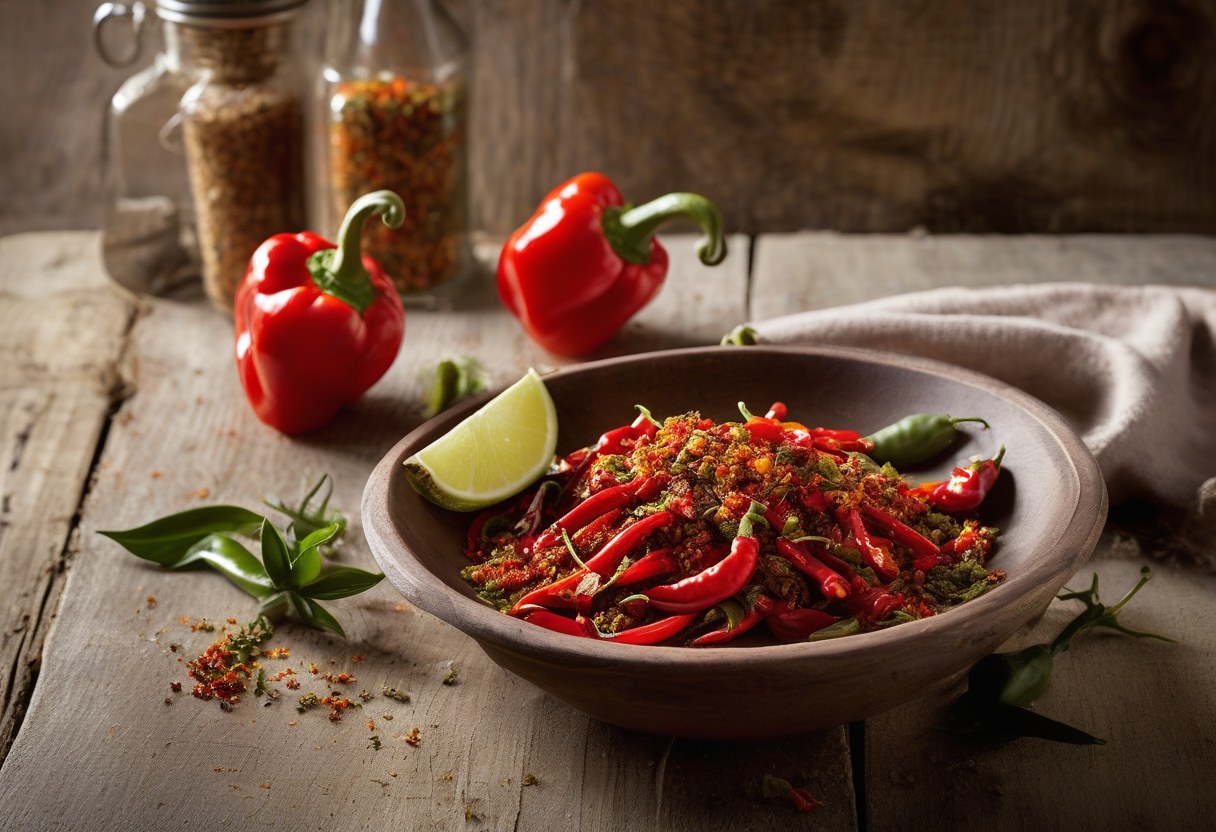
Incorporating jalapeños is straightforward; simply slice them thinly and distribute them evenly among the cabbage layers before adding the kielbasa. As the dish cooks, the peppers soften and release their capsaicin into the broth, infusing the entire meal with a gentle warmth. You can also add a teaspoon of red pepper flakes at the end for an extra kick if you prefer more intensity. The acidity of the cabbage pairs wonderfully with the heat of the peppers, creating a balanced flavour profile that is both spicy and refreshing.
This variation is particularly effective because it adds flavour without requiring additional ingredients that might clutter the palate. The jalapeños meld seamlessly with the existing components, enhancing rather than overpowering the dish. It is an excellent option for meal preppers who want to vary their weekly menu, providing a distinct taste experience that keeps things interesting. The visual appeal of the green peppers against the browned sausage and pale cabbage also makes for an attractive presentation.
4. Batch Cooking Bliss: Mega-Batch Preparation
One of the greatest advantages of slow-cooker meals is their scalability, making them ideal for batch cooking. The Mega-Batch Slow Cooker Cabbage & Kielbasa approach allows you to prepare enough food for several days or even share with friends and neighbours. This method is particularly useful for busy households or those who prefer to have ready-made meals on hand during hectic weeks. By doubling or tripling the recipe, you save time in the long run and ensure that you always have a delicious option available.
To execute a mega-batch, you will need a larger slow cooker or multiple units if your capacity is limited. Ensure that the ingredients are layered evenly to promote uniform cooking, and adjust the liquid content slightly to account for the increased volume. The cooking time may need to be extended by an hour or two, depending on the size of the batch and the specific model of your appliance. It is important to check the temperature periodically to ensure everything is cooked through without drying out.
This approach not only saves time but also helps in managing food waste, as you can portion out the meal immediately after cooking. Having large quantities of prepared food on hand reduces the temptation to order takeout or resort to less convenient options. It is a practical strategy for maintaining a consistent diet of home-cooked meals without the daily burden of preparation. The flavours often improve over time, making leftovers just as enjoyable as the initial serving.
5. Quick Reheat Favorite: Microwave Mastery
Reheating slow-cooker meals can sometimes be challenging, but with the right techniques, you can maintain the quality and texture of your Cabbage and Kielbasa dish. The Microwaveable Leftover Cabbage and Kielbasa Meals section focuses on preserving the integrity of the food during the reheating process. Microwaving is a convenient option for quick meals, but it requires careful handling to prevent the cabbage from becoming soggy or the sausage from drying out.
When reheating in the microwave, place the portion in a microwave-safe container and cover it loosely with a lid or microwave-safe wrap to trap steam. Heat in short intervals, stirring gently between each burst to ensure even warming. Adding a splash of broth or water before heating can help restore moisture that may have been lost during storage. This method allows you to enjoy your meal quickly without compromising on flavour or texture.
For best results, avoid overheating, which can cause the cabbage to break down further and lose its structural integrity. The goal is to warm the dish thoroughly while keeping the components distinct and appealing. This approach is particularly useful for lunchboxes or quick dinners when you do not have time to use the oven or stovetop. Proper reheating ensures that every bite tastes as good as the first, maintaining the satisfaction of a freshly cooked meal.
6. Budget-Friendly Choice: Sausage Swaps
Kielbasa can sometimes be pricey, but there are several affordable alternatives that deliver similar flavour profiles. The Economical Slow Cooker Cabbage & Sausage Swap demonstrates how to reduce costs without sacrificing taste. By substituting less expensive sausages such as smoked sausage or generic Polish-style links, you can create a dish that is just as satisfying for a fraction of the price. This is an excellent strategy for families looking to manage their grocery bills while still enjoying hearty, flavourful meals.
When selecting substitute meats, look for products with high meat content and minimal fillers to ensure quality taste. Smoked sausage, in particular, offers a similar smoky depth that pairs well with cabbage and onions. The key is to choose sausages that are fully cooked, as this ensures they will hold up well during the slow cooking process without falling apart. This substitution allows you to maintain the core essence of the dish while being mindful of your budget.
This approach also opens up opportunities for experimentation with different types of sausages available in your local market. You might try spicy Italian sausage or even chicken-based smoked options for variety. The flexibility of this recipe means that it can adapt to whatever is on sale or in stock, making it a versatile addition to your meal rotation. Cost-effective cooking does not mean compromising on enjoyment; it simply requires smart ingredient choices.
7. Storage Savvy Success: Freezer Friendly Tips
Proper storage is essential for preserving the quality of slow-cooker meals, especially when preparing large batches. The Freezer Friendly Cabbage and Kielbasa Meals section provides guidance on how to store leftovers effectively for up to three months. Using appropriate containers is key to preventing freezer burn and maintaining flavour. Glass containers with tight-fitting lids or heavy-duty freezer bags are recommended for optimal preservation.
Before freezing, allow the dish to cool completely to room temperature to prevent condensation inside the container, which can lead ice crystal formation. Portion the meal into individual servings for easy reheating later. Label each container with the date and contents to keep track of storage time. When ready to eat, thaw the meal in the refrigerator overnight or reheat directly from frozen using the microwave or oven.
This method ensures that you always have a convenient, home-cooked meal on hand without wasting food. The slow-cooker nature of the dish means it freezes exceptionally well, retaining its texture and flavour upon reheating. It is a practical solution for meal planning, allowing you to cook once and eat multiple times. Efficient storage habits contribute to a more organised kitchen and reduce the stress of last-minute dinner decisions.
FAQ
How long does this meal last in the fridge?
Store the cooked dish in an airtight container in the refrigerator. It will remain safe and tasty for up to five days. Ensure it is cooled properly before sealing to maintain freshness.
Can I freeze it and reheat later?
Yes, this dish freezes well. Use freezer-safe containers or bags to store portions. You can reheat directly from frozen in the microwave or oven for convenience. Quality remains high for up to three months.
What are good substitute meats for kielbasa?
Smoked sausage and Polish-style links are excellent substitutes. They offer similar smoky flavours and textures, making them suitable replacements that keep costs lower while delivering comparable taste results.
How do I know if my leftovers will still taste great?
Reheat thoroughly until piping hot throughout. Using an oven at 350°F (175°C) for about twenty minutes helps restore texture better than rapid microwave heating. Check that the centre is warm before serving.


