Slow Cooker Korean Beef Wraps & Cucumber Salad

Download the free printable PDF
There is something undeniably satisfying about coming home to a meal that has been cooking all day. Slow cooker Korean beef lettuce wraps offer the perfect blend of tender, savory meat and crisp, refreshing sides, making them an ideal choice for busy weeknights or weekend meal prep. This guide breaks down the process into manageable steps, ensuring you get maximum flavor with minimal effort.
Slow Cooker Korean Beef
The foundation of this dish is the beef itself, which requires a long, slow simmer to achieve that melt-in-your-mouth texture. You will need approximately 1.5 kg of beef shank or brisket, sliced thinly against the grain. The cost for this cut is typically around $20, serving four to six people generously. The key to the flavor profile lies in the marinade, which combines soy sauce, brown sugar, minced garlic, and ginger. This combination creates a rich, umami-heavy base that clings to the meat as it cooks.
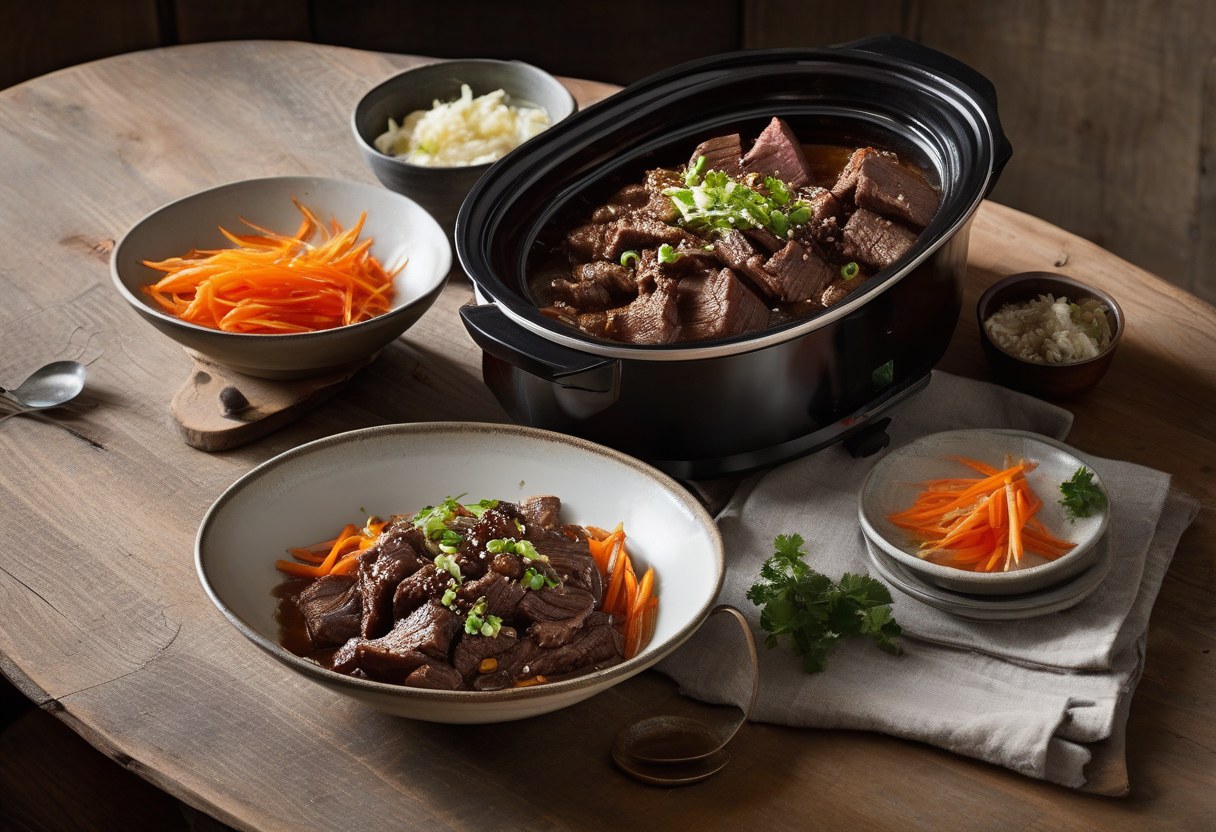
Place the sliced beef in the bottom of your slow cooker and pour the marinade over the top. Stir to ensure every piece is coated. Set the cooker to low for eight to ten hours or high for four to five hours. The low-and-slow method is superior for texture, as it allows the connective tissues to break down completely without drying out the meat. Once cooked, the liquid will have reduced to a thick, glossy glaze. This sauce is just as important as the meat, so do not discard it; it adds a sticky, sweet finish to the wraps.
For those planning ahead, this dish is exceptionally batch-friendly. You can double the recipe without issue, as the slow cooker handles larger volumes well. The resulting beef can be stored in portions, ready to be reheated and assembled into wraps throughout the week. The depth of flavor actually improves slightly after sitting for a day, as the ingredients have more time to meld together. This makes it a reliable staple for anyone looking to reduce their daily cooking time while still enjoying restaurant-quality taste.
Sesame Cucumber Salad
While the beef simmers, you can prepare a sesame cucumber salad that takes only five minutes. This side dish provides a crucial textural contrast to the soft beef. Start by peeling and slicing cucumbers into thin half-moons. The goal is to create a crisp, crunchy element that cleanses the palate between bites of the rich, savory meat. This simplicity is part of its charm; it requires no cooking and no complex techniques, just fresh ingredients and a quick toss.
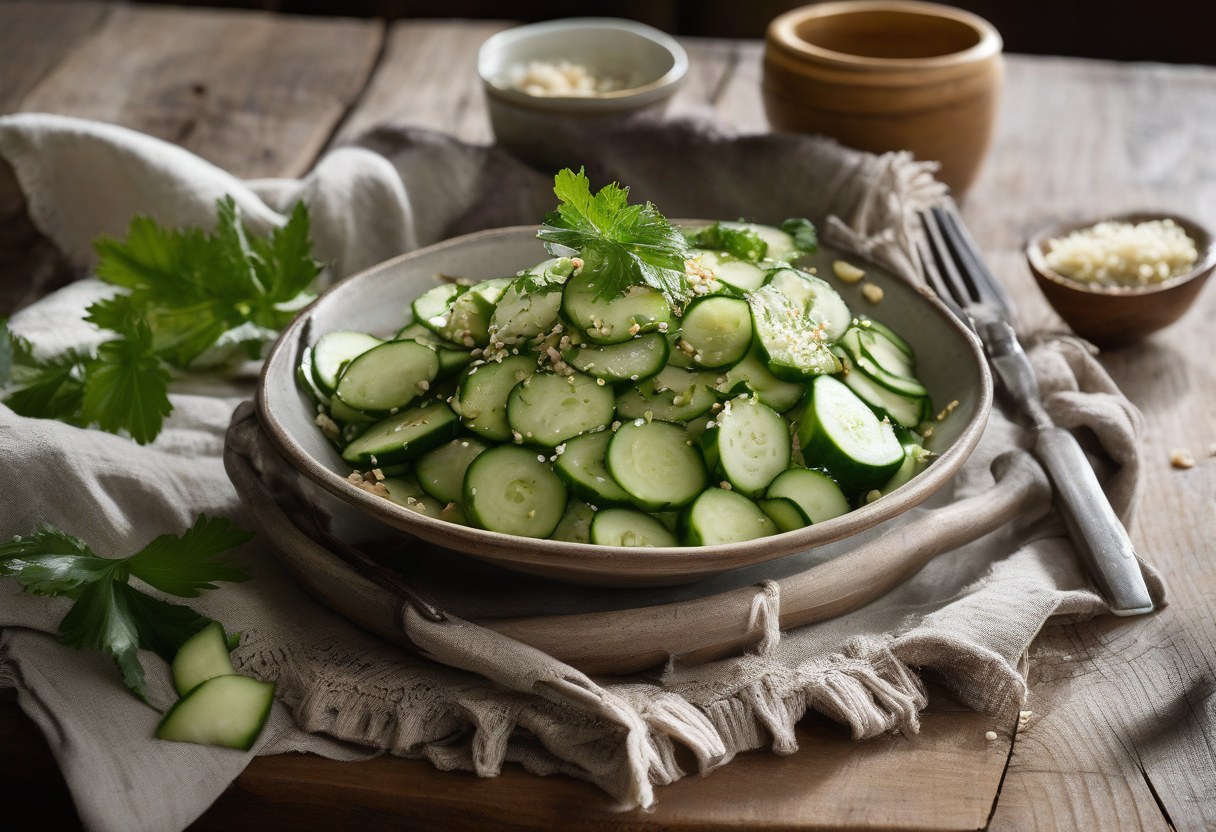
For the dressing, whisk together rice vinegar, sesame oil, a pinch of salt, and a drizzle of honey. The acidity of the vinegar cuts through the richness of the beef, while the sesame oil adds a nutty aroma that ties the dish together. Toss the cucumbers in the dressing just before serving to ensure they remain crisp. If you make the salad too early, the cucumbers may release water and become soggy, which detracts from the experience. This quick assembly time makes it perfect for last-minute additions to a dinner table.
This salad is not just a side; it is a flavor anchor for the entire meal. The coolness of the cucumber contrasts with the warmth of the beef, creating a balanced eating experience. It also adds a visual pop of green to the plate, making the meal more appealing. You can adjust the sweetness or acidity to your personal preference, adding more honey if you like it sweeter or more vinegar if you prefer a sharper taste. The flexibility of this salad means it can be tweaked to complement different variations of the beef recipe.
Batch-Friendly Beef Broth
One of the hidden benefits of using a slow cooker for beef is the potential to create a secondary product: beef broth. If you use a bone-in cut of beef, or simply save the cooking liquid from your meat, you can strain it to create a rich stock. This broth can be used for soups, stews, or even as a base for future marinades. It is an efficient way to minimize waste and maximize the utility of your ingredients. Straining the liquid through a fine-mesh sieve removes any impurities, leaving you with a clear, flavorful stock.
This broth freezes exceptionally well, making it a great item to store in your freezer for future use. Portion it into small containers or use freezer bags, labeling them with the date. Having a stock on hand means you can whip up a quick soup or gravy in minutes when you are short on time. It adds a depth of flavor that is difficult to replicate with instant powders, ensuring your subsequent meals have a homemade quality. This practice of repurposing cooking liquids is a hallmark of efficient home cooking, allowing you to get more value from each ingredient.
When storing the broth, allow it to cool completely before freezing to prevent ice crystals from forming. Ice crystals can affect the texture and clarity of the broth when thawed. Labeling your containers clearly helps you keep track of what you have and when it was made. This simple step ensures that your freezer remains organized and that you always have a flavorful base ready for your next culinary project. It is a small effort that yields significant rewards in terms of convenience and taste.
Homemade Lettuce Wraps
The lettuce wraps themselves are the vessel for the beef and salad, and they require no special ingredients or techniques. Romaine lettuce is the traditional choice due to its sturdy leaves that can hold a generous amount of filling without tearing. However, you can use whatever large, sturdy leaves you have available, such as butter lettuce or even cabbage leaves. The key is to select leaves that are fresh and crisp, as wilted leaves will not hold the filling well. This aspect of the dish is entirely customizable, allowing you to adapt to what is in season or what you have on hand.
To prepare the wraps, wash the lettuce leaves thoroughly and pat them dry with a clean towel. Moisture can make the wraps slippery and difficult to handle. You can then fill the leaves with a spoonful of the slow-cooked beef, a few slices of cucumber, and some shredded carrots or scallions for extra color and crunch. The addition of shredded carrots provides a sweet, crunchy element that complements the savory beef, while scallions add a fresh, oniony bite. These additions are optional but highly recommended for a more complex flavor profile.
The beauty of lettuce wraps is their versatility. You can add other toppings such as fried shallots, toasted sesame seeds, or a drizzle of chili oil for those who enjoy a bit of heat. The assembly process is quick and fun, making it a great activity for family dinners. Each person can build their own wrap, choosing the amount of beef and toppings they prefer. This interactive element adds a social aspect to the meal, encouraging conversation and enjoyment. It is a simple concept that delivers a satisfying and enjoyable dining experience.
Reheating Tips & Tricks
Reheating the slow cooker beef requires care to maintain its texture and flavor. The microwave is the quickest method, but it can sometimes make the meat tough if overdone. Place the beef in a microwave-safe bowl and cover it with a damp paper towel. Heat in short intervals of 30 seconds, stirring in between, until just heated through. This method ensures even heating and prevents the edges from drying out. It is best to reheat only the amount you plan to eat immediately, as reheating multiple times can degrade the quality of the meat.
For those who prefer a more traditional method, the oven is a good option. Preheat your oven to 150°C and place the beef in a baking dish. Cover it with foil to trap moisture and heat it for about 15-20 minutes. This method is slower but results in a more evenly heated dish. You can also reheat the beef in a skillet over medium heat, stirring occasionally to prevent sticking. This method allows you to crisp up the edges slightly, adding a textural variety to the meat. Whichever method you choose, ensure the beef is heated through before serving.
It is important to avoid reheating the beef to a very high temperature, as this can cause the sugars in the marinade to burn, resulting in a bitter taste. The goal is to warm the meat without altering its flavor profile. If the beef seems dry after reheating, you can add a splash of the reserved cooking liquid or a little water to the pan or bowl to moisten it. This simple step can revive the dish and make it taste as fresh as when it was first cooked. Proper reheating techniques ensure that your meal prep efforts are not wasted, delivering a consistent quality of taste every time.
Storage Solutions
Storing leftovers properly is crucial for maintaining the quality of the beef. Use airtight containers to prevent the meat from drying out or absorbing odors from other foods in the fridge. Glass containers are a good choice as they do not retain odors and are easy to clean. Plastic containers are also acceptable, but ensure they are of high quality and have tight-fitting lids. The beef should be stored in a single layer if possible, to ensure it cools quickly and evenly. This helps prevent bacterial growth and maintains the safety of the food.
When storing the beef, keep the sauce separate if you plan to use it for other purposes, such as making a broth or a gravy. If you are storing the beef with the sauce, ensure the container is not overfilled, as the liquid can expand slightly when frozen. Label the container with the date it was cooked so you know how long it has been stored. The beef will last in the fridge for up to four days, after which it should be consumed or discarded. This timeline ensures that you are always eating fresh, safe food.
For longer storage, the beef can be frozen. Place it in a freezer-safe bag or container, removing as much air as possible to prevent freezer burn. The beef will keep in the freezer for up to three months. When ready to use, thaw it in the fridge overnight or use the defrost function on your microwave. Thawing in the fridge is the best method as it keeps the meat at a safe temperature throughout the process. Proper storage and thawing techniques ensure that your meal prep is as convenient as possible, allowing you to enjoy your favorite dishes without the hassle of daily cooking.
Substitution Guide
Flexibility is a key component of this recipe, allowing you to adapt it to your preferences or availability. If you do not have beef, you can substitute pork, chicken, or even tofu. Pork, particularly shoulder, works well in a slow cooker and takes on the marinade flavors similarly to beef. Chicken is a lighter option that cooks faster, so adjust the cooking time accordingly. Tofu is a plant-based alternative that can be pressed to remove excess water before adding it to the slow cooker, ensuring it absorbs the flavors well. Each protein has its own texture and flavor profile, so choose the one that best suits your taste.
If you cannot find cucumbers for the salad, you can substitute them with other crunchy vegetables such as radishes, daikon, or even snow peas. These alternatives provide a similar textural contrast to the soft beef. Bok choy can also be used in place of lettuce wraps, though it will require a different preparation method, such as steaming or blanching. The goal is to maintain the balance of textures and flavors, so choose substitutes that offer a similar crunch or crispness. This flexibility makes the recipe accessible to a wide range of dietary preferences and ingredient availabilities.
For those who prefer a different flavor profile, you can adjust the marinade. Adding gochugaru (Korean chili flakes) will add heat, while adding more brown sugar will increase the sweetness. You can also experiment with different types of vinegar, such as apple cider vinegar, for a slightly different acidity. These small changes can make a big difference in the final taste, allowing you to personalize the dish to your liking. The beauty of this recipe is its adaptability, making it a versatile addition to any home cook's repertoire. Whether you are sticking to the classic recipe or experimenting with new flavors, the result will be a delicious and satisfying meal.
FAQ
How long does the Korean Beef last in the fridge?
The Korean beef will last in the fridge for up to four days when stored in an airtight container. It is best to consume it within this timeframe to ensure optimal taste and texture. If you plan to keep it longer, transfer it to the freezer, where it will last for up to three months. Always check the meat for any off smells or colors before consuming, and discard it if it appears spoiled. Proper storage is key to maintaining the quality of the dish.
What’s the best way to reheat the Sesame Cucumber Salad?
It is not recommended to reheat the sesame cucumber salad, as the heat will cause the cucumbers to become soft and lose their crunch. Instead, store the salad dressing separately and toss it with the cucumbers just before serving. This ensures that the salad remains crisp and fresh. If you have prepared the salad in advance, keep the dressing in a separate container and add it to the cucumbers when you are ready to eat. This method preserves the texture and flavor of the salad.
Which container is best for storing the Slow Cooker Korean Beef?
Airtight glass containers are the best option for storing slow cooker Korean beef. They are easy to clean, do not retain odors, and are microwave-safe, making them convenient for reheating. Plastic containers are also acceptable, but ensure they are of high quality and have tight-fitting lids. The key is to ensure that the container is sealed properly to prevent the meat from drying out or absorbing odors from other foods in the fridge. This helps maintain the freshness and flavor of the beef.
Can I substitute rice paper wrappers for lettuce leaves?
Yes, you can substitute rice paper wrappers for lettuce leaves, but the texture and experience will be different. Rice paper wrappers are delicate and require a bit of skill to handle, as they can tear easily. They also do not provide the same textural contrast as lettuce, as they are soft and pliable. If you choose to use rice paper, ensure that the fillings are not too wet, as this can cause the wrappers to become soggy. It is a matter of personal preference, so try both and see which you prefer.


