Slow Cooker Sweet Chili Chicken Bowls

Download the free printable PDF
Weeknight dinners often suffer from the "what's for dinner" dilemma, but slow cooker sweet chili chicken bowls offer a seamless solution that requires minimal active effort. This dish combines tender, shredded chicken with a sticky, tangy sauce that clings perfectly to every bite, creating a flavor profile that rivals takeout without the cost or wait. By utilizing a slow cooker, you can set the ingredients in the morning and return to a hot, aromatic meal by evening, making it an ideal staple for busy households.
The Basic Sweet Chili Chicken Bowl
The foundation of this dish lies in the interplay between the savory depth of the chicken and the bright, punchy sweetness of the chili sauce. To achieve the perfect texture, start by seasoning boneless, skinless chicken thighs with a simple rub of salt, pepper, and a touch of garlic powder. Place the chicken in the slow cooker with a splash of water or chicken stock to prevent drying out during the long cooking process. Set the appliance to low for six to eight hours or high for three to four hours, ensuring the meat becomes so tender it shreds easily with two forks.
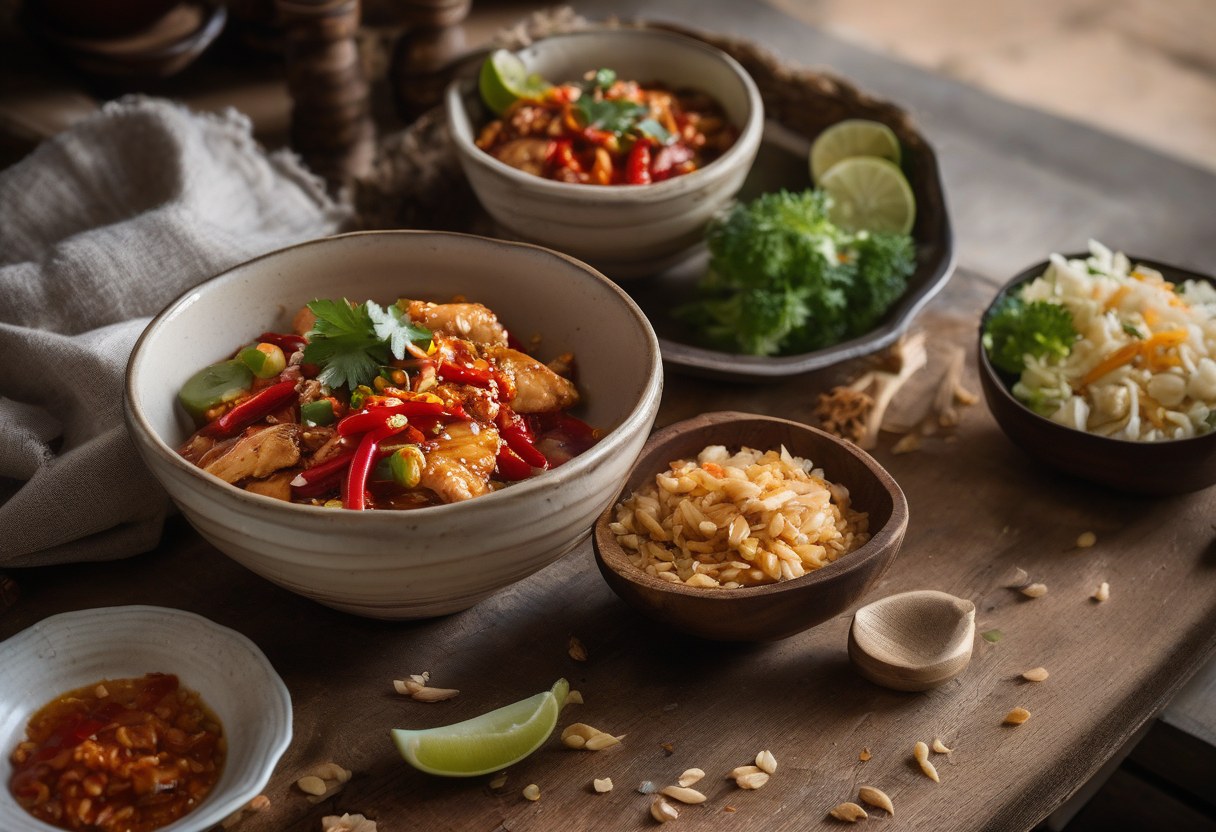
Once the chicken is cooked, remove it from the pot and shred it using two forks. Return the shredded chicken to the slow cooker and stir in your sweet chili sauce, which should be a balance of sugar, vinegar, chili flakes, and garlic. Allow the mixture to simmer on high for another 15 to 20 minutes so the sauce thickens slightly and coats the chicken thoroughly. This step is crucial for achieving that glossy, restaurant-style glaze that makes the dish so appealing. The result is a rich, cohesive base that serves as the star of the bowl, offering a robust flavor that stands up well to various toppings and bases.
This method is exceptionally forgiving, as the slow cooking process breaks down the connective tissues in the meat, resulting in a moist and flavorful product even if slightly overcooked. The sauce absorbs into the fibers of the chicken, ensuring that every piece is seasoned from the inside out. This classic preparation is the perfect anchor for your meal, providing a consistent and reliable taste that can be customized with additional ingredients later in the assembly process.
Stir-Fry Vegetable Mix
While the chicken simmers, preparing a vibrant vegetable side adds necessary texture and visual appeal to the final bowl. A quick stir-fry is the most efficient way to handle vegetables, as it preserves their crunch and bright colors, which can be lost during slow cooking. Choose a mix of seasonal vegetables such as bell peppers, broccoli florets, snap peas, and shredded carrots. These vegetables cook quickly and provide a pleasant contrast to the soft, saucy chicken. You can prepare this mix in large batches on the same day you cook the chicken, storing it separately until serving time.
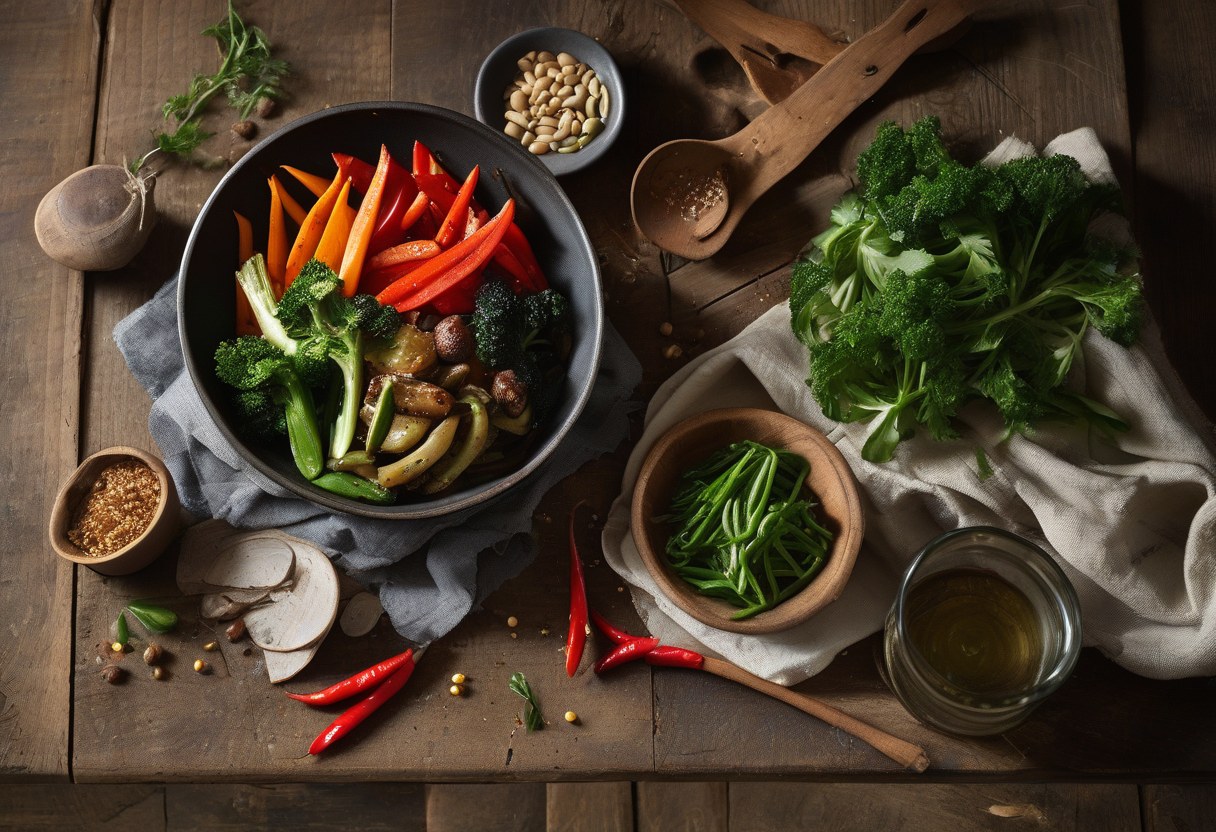
Heat a tablespoon of oil in a large skillet or wok over high heat until it shimmers. Add the harder vegetables first, such as carrots and broccoli, and stir-fry for two to three minutes. Then, add the softer vegetables like bell peppers and snap peas, continuing to stir for another minute or two until they are tender-crisp. Season lightly with soy sauce or a pinch of salt to enhance their natural flavors. The goal is to keep the vegetables vibrant and crisp, avoiding any mushiness that would detract from the overall texture of the bowl. This quick method ensures that the vegetables retain their structural integrity and provide a satisfying crunch with each bite.
Using seasonal vegetables not only keeps the cost of the meal low but also ensures that the produce is at its peak flavor. By batch-cooking the vegetables alongside the chicken, you save time and reduce the number of pots you need to wash. The contrast between the hot, saucy chicken and the fresh, crisp vegetables creates a dynamic eating experience that keeps the meal interesting. This component is easily adjustable, allowing you to swap in whatever is available in your fridge, making it a flexible and practical addition to your weekly meal rotation.
Rice or Quinoa Base Options
The base of the bowl serves as the canvas for the flavors above, and choosing between rice and quinoa depends on personal preference and availability. For rice, a medium-grain variety works well because it holds its shape better than long-grain rice when mixed with saucy toppings. Cook the rice according to package instructions, but consider adding a splash of soy sauce or a knob of butter to the cooking water for extra depth. The rice should be fluffy and separate, not clumpy, to ensure that it absorbs the sweet chili sauce without becoming soggy.
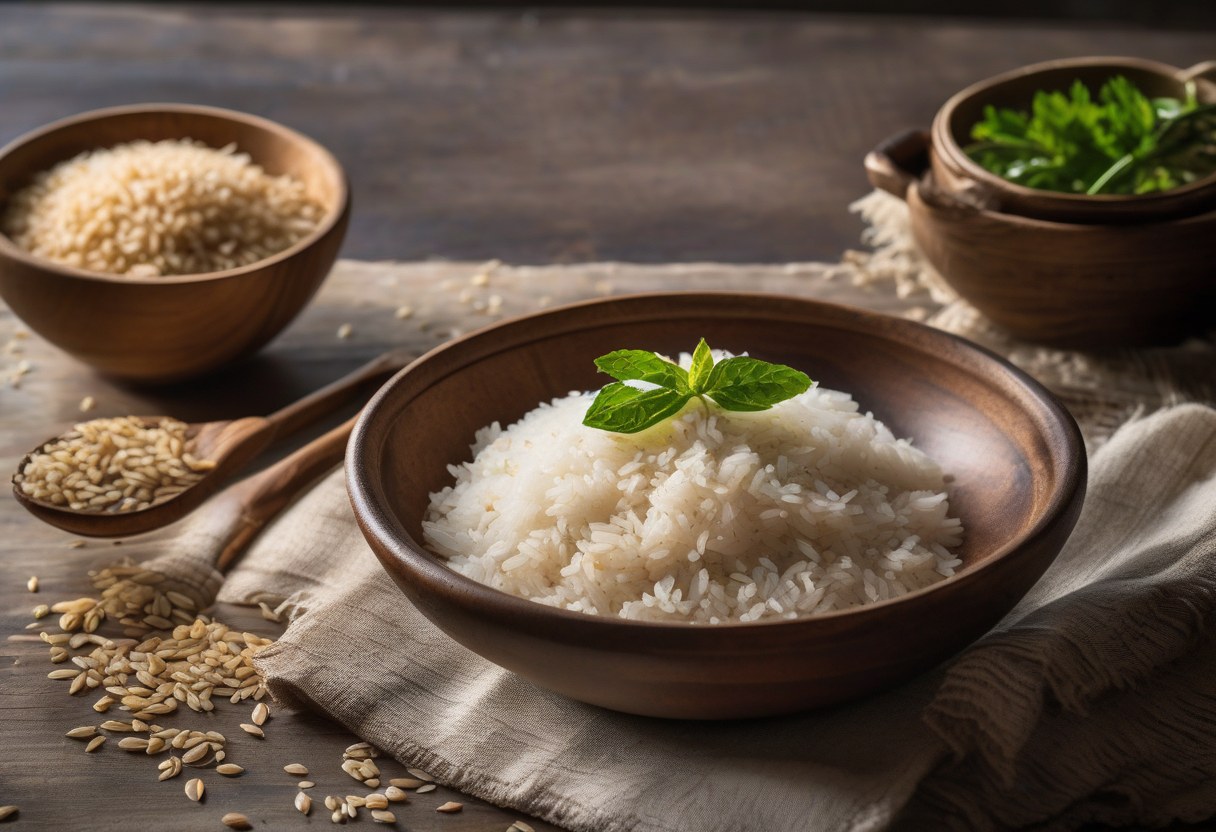
Quinoa is another excellent option that cooks in about fifteen minutes, making it a quick alternative to rice. Rinse the quinoa thoroughly before cooking to remove the bitter saponin coating, then cook it in a 2:1 ratio of liquid to grain. Quinoa has a slightly nuttier flavor and a firmer texture than rice, which can complement the sweetness of the chili sauce nicely. Both grains are cost-effective and store well, making them ideal for batch cooking. You can cook a large pot of either grain on the day you prepare the chicken, ensuring that all components are ready for assembly when you sit down to eat.
Having a neutral base allows the bold flavors of the sweet chili chicken to shine. The starchiness of the rice or the earthiness of the quinoa balances the acidity and sweetness of the sauce, creating a harmonious bite. By preparing the base in bulk, you eliminate the need to cook grains on busy weeknights, reducing the overall time spent in the kitchen. This strategy simplifies the evening routine, allowing you to focus on assembling the bowls rather than managing multiple cooking tasks simultaneously.
Batch Cooking Tips
One of the greatest advantages of this recipe is its suitability for batch cooking, which can significantly reduce weekly meal planning stress. When cooking for the week, double or triple the amount of chicken and sauce, and cook it in a larger slow cooker or in two separate batches. Once the chicken is shredded and sauced, portion it into individual containers. This method ensures that you have a ready-to-go protein component for several meals, saving you time and effort throughout the week. It is particularly useful for families with busy schedules or for those who prefer to have meals prepared in advance.
To maintain quality, store the cooked chicken and sauce separately from the rice or quinoa. Mixing them too early can lead to soggy grains, so keep the components distinct until the moment of serving. Label each container with the date and contents to keep your fridge organized and ensure that you use the ingredients within their optimal freshness window. This systematic approach to batch cooking not only saves time but also helps in managing food waste, as you can clearly see what you have on hand and plan your meals accordingly.
Batch cooking also allows for flexibility in portion sizes, which is useful for different appetites or dietary preferences. You can prepare larger portions for those who prefer heartier meals and smaller portions for others, all from the same batch. This adaptability makes the process efficient and inclusive, catering to the needs of everyone in the household. By investing a few extra hours on a weekend, you can set yourself up for several days of convenient, delicious dinners that require minimal additional effort.
Storage & Reheating Techniques
Proper storage is key to maintaining the quality of your sweet chili chicken bowls. Allow the cooked chicken and sauce to cool to room temperature before transferring them to airtight containers. This step prevents condensation from forming inside the container, which can make the chicken watery and affect the texture of the sauce. Use glass or BPA-free plastic containers that are designed for freezer storage if you plan to freeze any portion. Label the containers with the date to keep track of freshness and ensure that you consume the food within the recommended timeframe.
When reheating, the method you choose can impact the final texture and flavor. For microwave reheating, place the chicken and sauce in a microwave-safe bowl and cover it loosely with a damp paper towel. This helps to retain moisture and prevent the chicken from drying out. Heat in short intervals, stirring in between, until the internal temperature reaches a safe level. For oven reheating, spread the chicken on a baking sheet and warm it at a moderate temperature, which can help to crisp up the edges slightly and restore some of the texture lost during storage.
If you have stored the rice or quinoa separately, reheat them in the microwave with a splash of water to refresh their texture. This simple step prevents the grains from becoming dry and hard, ensuring that they remain fluffy and pleasant to eat. By following these storage and reheating techniques, you can enjoy your sweet chili chicken bowls with the same quality and flavor as when they were first prepared. This convenience factor makes the dish an excellent choice for meal prepping, as it ensures that your meals remain tasty and satisfying even when eaten days later.
Substitution Guide
Flexibility is one of the strengths of this recipe, as many ingredients can be swapped based on dietary preferences or availability. If you prefer a milder flavor, you can reduce the amount of chili flakes or use a milder sweet chili sauce. For those who cannot consume chicken, turkey or pork can be used as substitutes, though the cooking time may need to be adjusted. Plant-based options such as tofu or seitan can also be used, providing a similar texture and ability to absorb the sauce. These substitutions allow the dish to be adapted to various tastes and dietary needs without compromising the overall flavor profile.
For the base, you can swap rice or quinoa for cauliflower rice, zucchini noodles, or even a bed of mixed greens. These alternatives offer different textures and can be prepared quickly, making them a convenient option for those looking to vary their meal structure. The vegetables in the stir-fry mix can also be adjusted based on what is in season or what you have on hand. This adaptability ensures that the dish can be made with minimal waste, utilizing ingredients that might otherwise go unused.
Additionally, the sauce can be customized to suit individual preferences. If you prefer a spicier kick, add extra chili flakes or a dash of hot sauce. For those who prefer a sweeter taste, a little extra honey or maple syrup can be added to the sauce. These small adjustments allow for personalization, making the dish more enjoyable for everyone at the table. By offering these substitution options, the recipe becomes a versatile tool that can be tailored to meet the specific needs and preferences of your household.
Customizable Toppings & Sauces
Toppings are the final touch that can elevate your sweet chili chicken bowls from good to great. Consider adding crispy fried onions, which provide a delightful crunch and a savory depth that complements the sweet and tangy sauce. Sliced avocado adds a creamy texture that balances the heat of the chili, while a sprinkle of sesame seeds adds a nutty flavor and visual appeal. Fresh herbs like cilantro or green onions can also be added for a burst of freshness that cuts through the richness of the dish. These toppings allow for personalization, letting each person at the table create their own version of the bowl.
For those who enjoy a bit of extra flavor, a drizzle of creamy sauce such as a spicy mayo or a yogurt-based dressing can add another layer of complexity. These sauces can be made in advance and stored in the fridge, ready to be added at the time of serving. The combination of textures and flavors created by these toppings makes the meal more interesting and satisfying. By offering a variety of topping options, you can cater to different tastes and preferences, ensuring that everyone enjoys their meal.
Experimenting with different toppings can also help in using up leftover ingredients that might otherwise be wasted. For example, if you have leftover roasted vegetables, they can be added as a topping for extra flavor and texture. This approach not only reduces waste but also encourages creativity in the kitchen. By customizing your toppings, you can make each meal unique and enjoyable, turning a simple recipe into a personalized dining experience that suits your individual tastes and preferences.
FAQ
How long will my chicken bowls stay fresh in the fridge?
When stored properly in airtight containers, the cooked chicken and sauce will stay fresh in the refrigerator for up to four days. The rice or quinoa base can be stored for a similar duration, but it is best to reheat it separately to maintain its texture. Always ensure that the containers are sealed tightly to prevent any cross-contamination or absorption of odors from other foods in the fridge. This timeframe ensures that the food remains safe and tasty for several meals throughout the week.
Can I freeze these sweet chili chicken bowls? If yes, how?
Yes, you can freeze the components of the bowl separately for up to three months. Freeze the chicken and sauce in one container and the rice or quinoa in another. When ready to eat, thaw the components in the refrigerator overnight and reheat them separately. Freezing the components separately prevents the rice from becoming soggy and ensures that the chicken retains its texture. This method allows for long-term meal planning without sacrificing quality.
What are some good container types for storing pre-made bowls?
Glass containers are ideal for storing pre-made bowls as they are durable, easy to clean, and do not retain odors. BPA-free plastic containers are also a good option, especially if you plan to freeze the components. Ensure that the containers are airtight to prevent any moisture loss or absorption of fridge odors. Using containers of appropriate size for each portion helps in managing food waste and makes reheating more convenient.
Are there any quick substitutes if I can't find certain ingredients?
If you cannot find sweet chili sauce, you can make a quick substitute by mixing ketchup, honey, soy sauce, and a pinch of chili flakes. For the vegetables, any combination of available produce can be used, such as zucchini, mushrooms, or cabbage. For the base, any grain or starch can be substituted, including pasta or potatoes. These quick substitutions ensure that you can still enjoy the meal even when specific ingredients are unavailable, maintaining the overall flavor and structure of the dish.


