Split Pea Soup V1: 7 Easy Variations & Tips

Download the free printable PDF
Split pea soup is a kitchen staple that delivers deep, earthy comfort without demanding hours of active cooking. It is incredibly forgiving, allowing you to adjust textures and flavors to suit your mood, whether you prefer a quick stovetop simmer or a slow-cooked traditional batch.
The Classic Stovetop Standard
For the home cook who values simplicity and reliability, the basic split pea soup is the ultimate foundation. This version relies on dried green split peas, which break down naturally during cooking to create a thick, velvety consistency without the need for heavy creams or thickeners. The beauty of this method lies in its accessibility; you likely already have the core ingredients in your pantry.
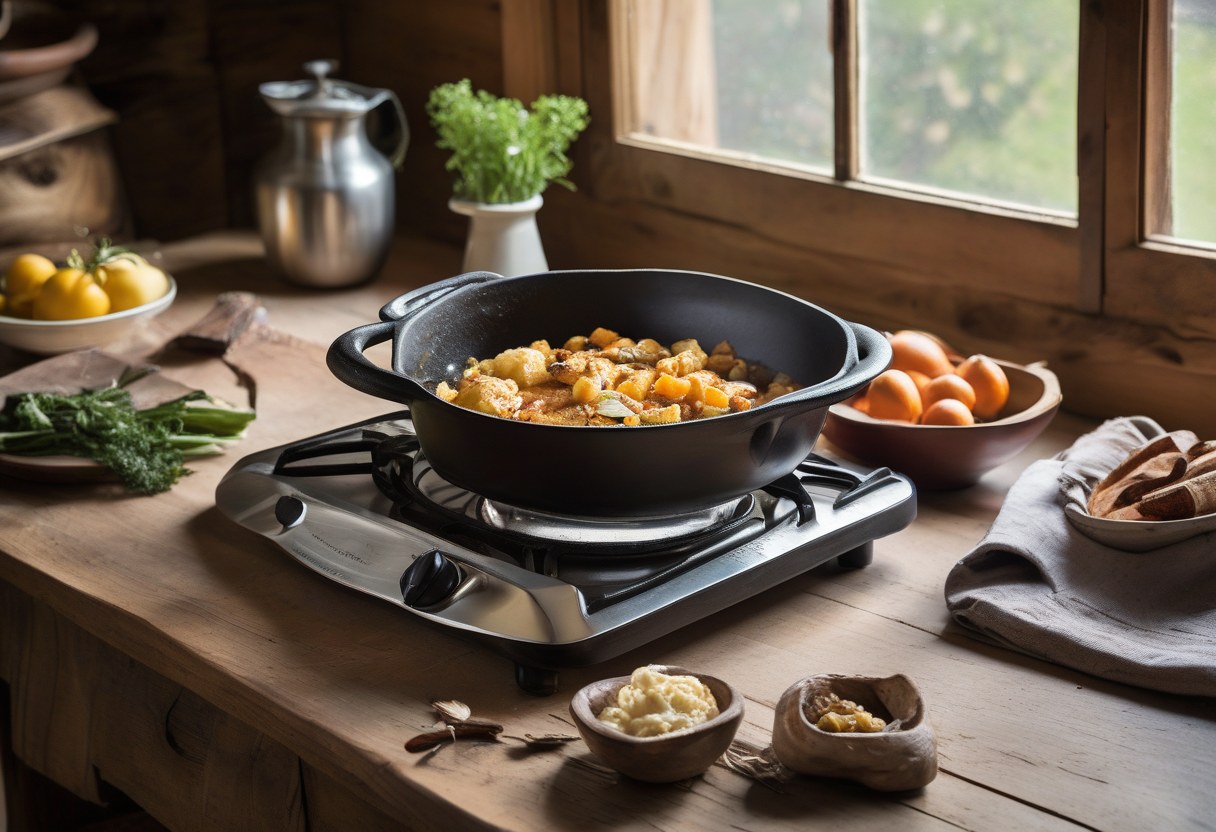
To begin, sauté a mirepoix of diced onions, carrots, and celery in a large pot until softened. This initial step builds a flavor base that prevents the soup from tasting flat or one-dimensional. Add the rinsed split peas along with chicken or vegetable stock, ensuring the liquid covers the ingredients by at least two inches.
Bring the mixture to a boil, then reduce the heat to a gentle simmer. Cover the pot and let it cook for approximately 45 to 60 minutes, stirring occasionally to prevent sticking. The peas will disintegrate into the broth, creating a hearty texture. Season with salt, black pepper, and perhaps a bay leaf during the final 20 minutes of cooking for an aromatic finish that defines this classic dish.
Adding Smoked Ham Hocks for Depth
If you are looking to elevate the flavor profile significantly, incorporating smoked ham hocks is a traditional move that pays off in spades. The smokiness penetrates the broth slowly, infusing every spoonful with a rich, savory complexity that plain stock simply cannot replicate. This variation is particularly beloved for its rustic, old-world charm.
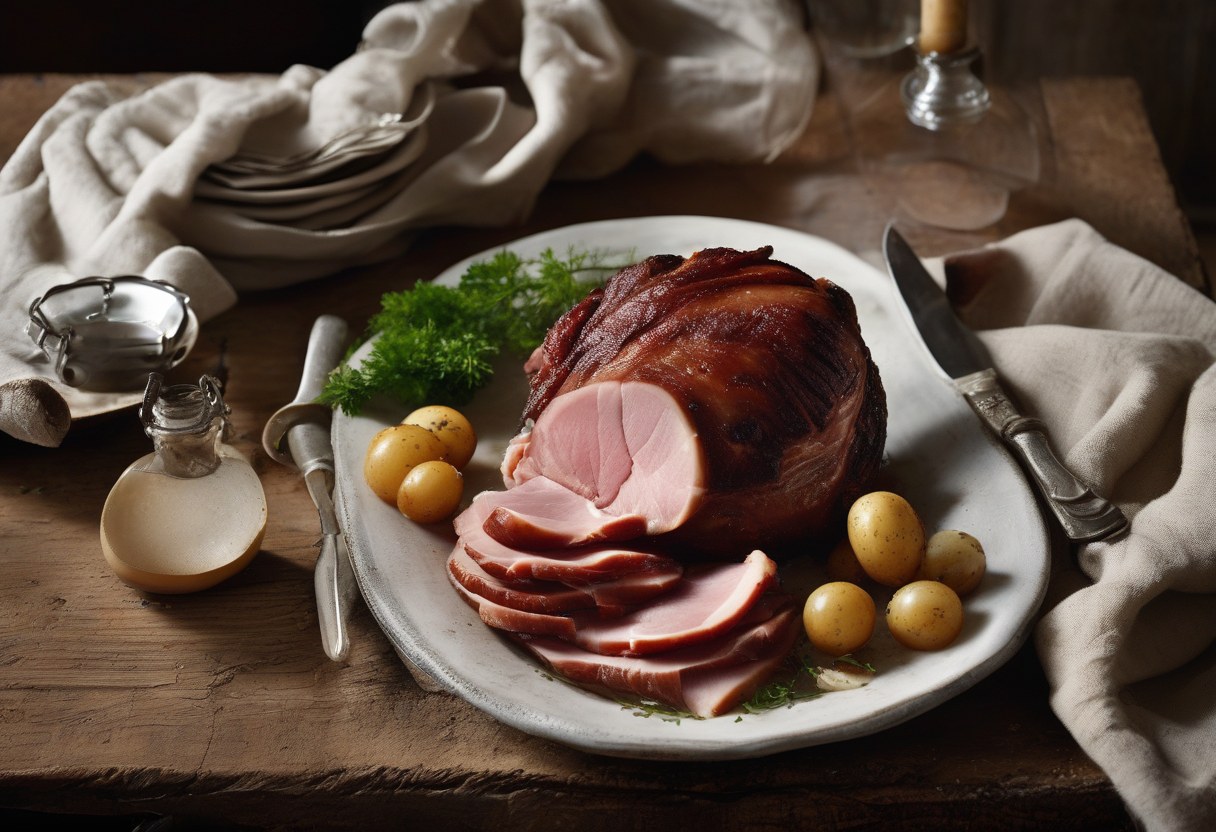
Start by placing two smoked ham hocks in your pot along with the diced vegetables and split peas. Cover everything with water or broth and bring it to a boil before reducing to a simmer. The collagen from the bones will help thicken the soup naturally, while the meat adds substantial texture. Allow this to cook for about 2.5 to 3 hours, or until the peas are completely tender and the meat is falling off the bone.
Once cooked, remove the ham hocks and shred any usable meat from the bones, discarding the skin and fat if desired. Return the shredded meat to the pot and stir well. This process ensures that the smoky flavor is distributed evenly throughout the bowl. The result is a robust soup that feels like a complete meal in itself, perfect for cold evenings when you want something substantial.
A Vegetarian Approach with Extra Veggies
For those avoiding meat, vegetarian split pea soup offers a satisfying alternative that does not sacrifice depth of flavor. By using a high-quality vegetable broth and incorporating additional aromatic vegetables, you can achieve a rich taste profile that stands on its own. This version is ideal for plant-based diets or simply when you want to lighten the meal.
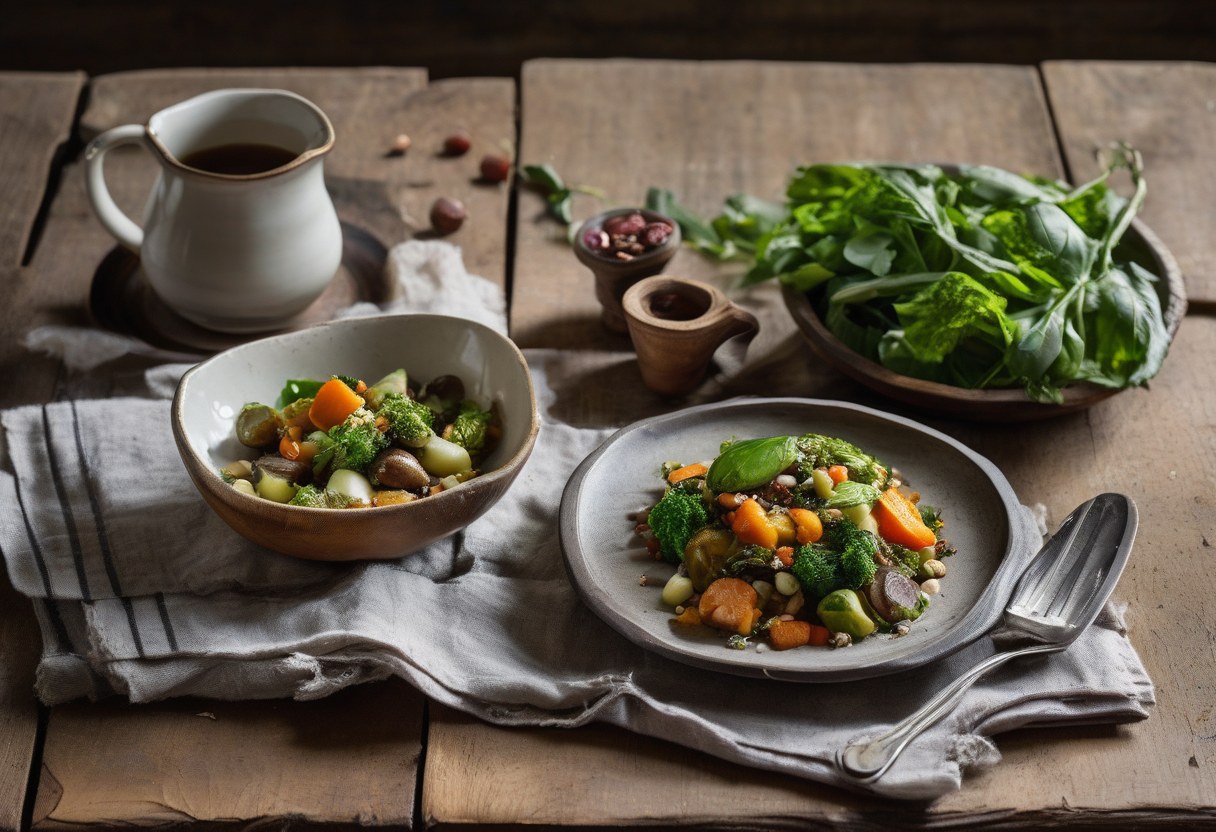
Begin by sautéing onions, carrots, celery, and perhaps some leeks or fennel for extra sweetness. Deglaze the pot with a splash of vegetable wine or balsamic vinegar to add acidity and brightness. Add the split peas and vegetable stock, ensuring there is plenty of liquid as the peas will absorb much of it during the cooking process.
To boost the savory element often provided by meat in other versions, consider adding a teaspoon of smoked paprika or a dash of soy sauce. These ingredients mimic the umami depth without altering the vegetarian nature of the dish. Simmer until the peas are soft and the soup has thickened to your liking. The addition of fresh herbs like parsley or thyme at the end brightens the overall flavor profile.
Slow Cooker Simplicity
The slow cooker method is perfect for those who want to set their meal in the morning and return to a finished dish by dinner time. This hands-off approach allows the flavors to meld together slowly, resulting in a deeply integrated taste that is difficult to achieve with faster cooking methods. It requires minimal active effort from the cook.
Place all your ingredients—vegetables, split peas, broth, and any desired seasonings—directly into the slow cooker insert. Stir to combine everything evenly. If you are using ham hocks or other meats, place them on top of the vegetable mixture. Cover with the lid and set the cooker to low for 7 to 8 hours, or high for 4 to 5 hours.
The extended cooking time ensures that the split peas break down completely, creating a naturally creamy texture without any mechanical blending. You can adjust the consistency by adding more broth if the soup appears too thick before serving. This method is particularly convenient for busy weeknights when you want a hot meal waiting for you without spending hours in the kitchen.
Instant Pot Speed
When time is of the essence, the Instant Pot or any electric pressure cooker can transform split pea soup from a two-hour project into a 30-minute wonder. The high-pressure environment forces the peas to cook rapidly while maintaining their integrity until they are ready to soften. This method retains more of the vibrant color of the vegetables compared to long simmering.
Add your sautéed vegetables, rinsed split peas, and broth to the Instant Pot insert. Secure the lid and ensure the valve is set to sealing. Select the manual or pressure cook setting for 15 to 20 minutes on high pressure. Once the cycle completes, allow for a natural release of pressure for at least 10 minutes to prevent splattering.
After releasing the pressure, open the lid and check the consistency. If you prefer a smoother soup, use an immersion blender to puree partially or completely. The rapid cooking process means that seasonings may need adjustment after cooking, so taste and add salt or pepper as needed. This version is ideal for quick weeknight dinners when you still want the comfort of a slow-cooked meal.
Freezer-Friendly Batch Cooking
Split pea soup is one of the best candidates for batch cooking and freezing because it holds up exceptionally well over time. The texture does not degrade significantly upon reheating, making it a reliable option for future meals. Planning ahead with this method saves considerable time during busy weeks.
Cook your soup in large batches using any of the methods described above. Allow the soup to cool completely to room temperature before transferring it to storage containers. This step is crucial to prevent condensation buildup, which can affect the quality of the frozen product. Use airtight containers or heavy-duty freezer bags to minimize air exposure.
Label each container with the date and contents for easy identification later. The soup can be stored in the freezer for up to three months without significant loss of flavor. When ready to eat, thaw overnight in the refrigerator or reheat directly from frozen on the stovetop, adding a splash of water or broth if the consistency has thickened too much during freezing.
Creamy Spinach and White Bean Variation
This twist on the classic recipe introduces white beans and spinach to create a richer, creamier texture without dairy. The white beans add a subtle sweetness and heartiness that complements the earthy notes of the split peas. This variation offers a different mouthfeel while maintaining the comforting essence of the original dish.
Start by cooking the split pea soup as usual, but substitute half of the liquid with canned white beans, rinsed and drained. As the soup nears the end of its cooking time, stir in fresh spinach leaves. The residual heat will wilt the spinach quickly, preserving its vibrant green color and delicate flavor.
The combination of softening peas and creamy beans results in a luxurious texture that feels indulgent yet simple. Season with nutmeg or lemon juice to brighten the dish and balance the heaviness of the beans. This version is particularly enjoyable when served with crusty bread for dipping, enhancing the overall dining experience.
Frequently Asked Questions
How long does split pea soup last in the fridge?
Properly stored in an airtight container, it can last up to 5 days. Ensure the soup has cooled completely before sealing the container to maintain freshness and prevent spoilage.
Can I reheat this soup multiple times without compromising taste or texture?
Yes, but for best results, warm each serving separately and consume within two days of reheating. Repeated heating cycles can cause the vegetables to become mushy and the flavors to dull slightly.
What size containers do you recommend for freezing individual portions?
Quart-sized freezer bags work great for storing 2-3 servings per bag. They lay flat in the freezer, saving valuable space and allowing for quicker thawing times compared to rigid containers.
Can I substitute any beans in this recipe for split peas?
Yes, try using lentils or navy beans as they have a similar texture and cook quickly. However, note that the cooking times may vary slightly depending on the specific legume chosen, so monitor the pot closely to avoid overcooking.


