Spring Mix-and-Match Meal Prep Guide

Download the free printable PDF
Spring is here, and with it comes the desire for lighter, fresher meals that don't require hours in the kitchen. The concept of mix-and-match meal prep is the perfect solution for busy weeks, allowing you to assemble diverse meals from prepped components. This approach saves time while ensuring variety, so you never get bored of the same three dinners all week long.
By focusing on versatile ingredients and modular components, you can create a system that adapts to your schedule and taste preferences. Whether you are looking for quick lunches or hearty dinners, this roundup provides seven practical strategies to keep your fridge organized and your meals interesting. Let’s dive into the methods that make this seasonal shift seamless and enjoyable.
Build-Your-Own Veggie Bowls
Starting with fresh vegetables is a cornerstone of springtime cooking. Carrots, cucumbers, and bell peppers are in peak season, offering vibrant colors and crisp textures that make any meal visually appealing. Prepping these items in bulk on a Sunday afternoon takes less than an hour but sets the stage for five days of effortless meal assembly. The key is to store them in separate containers to maintain their individual textures and prevent sogginess.
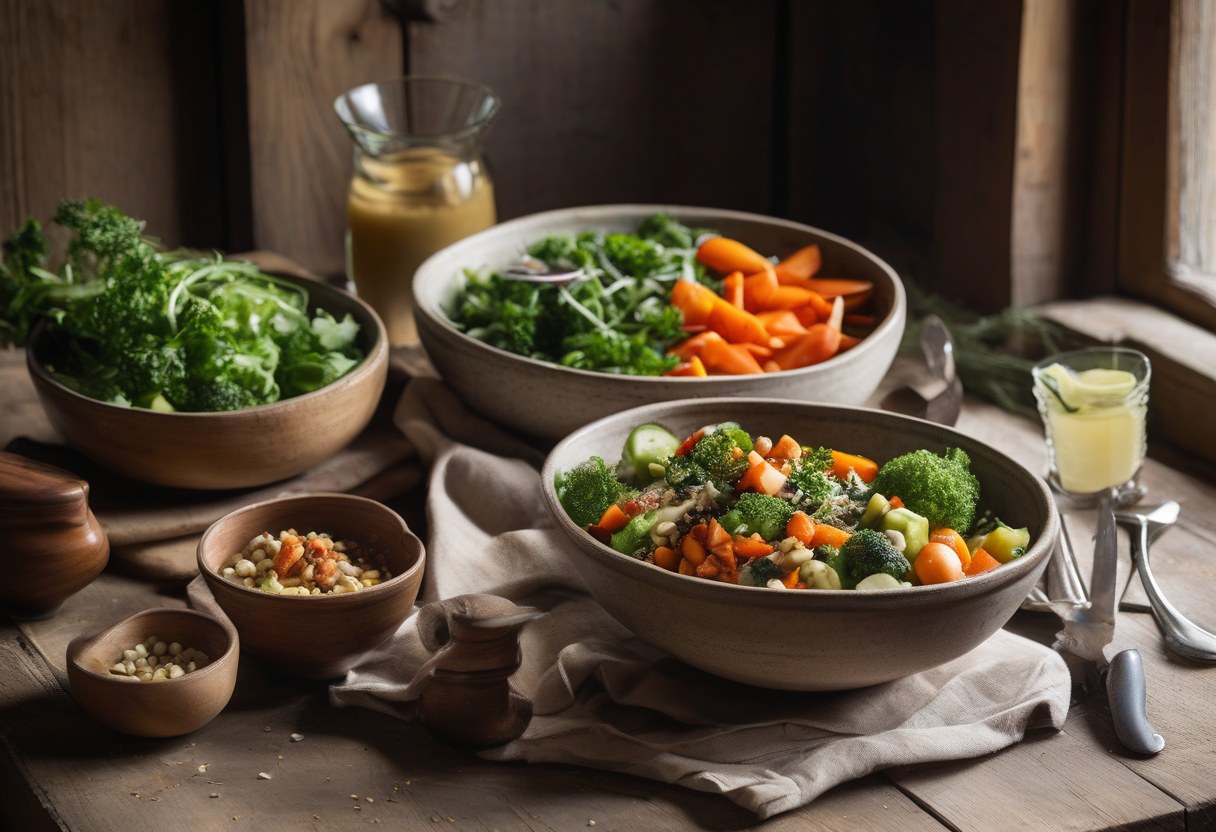
When it comes to assembly, the beauty of this method lies in its flexibility. You can pair these raw vegetables with a simple grain base like quinoa or farro, which holds up well to refrigeration. Adding a drizzle of vinaigrette just before eating ensures the dressing doesn’t break down the crispness of the raw produce. This style of eating is particularly popular for lunchboxes, as it requires no heating and can be eaten cold if preferred. The cost-effectiveness is also notable, as fresh seasonal vegetables are often cheaper than out-of-season imports.
For those who prefer a warmer option, you can steam a portion of the vegetables separately and keep them in a different container. This allows you to mix hot and cold elements at will, creating a dynamic meal that feels freshly made every time. The variety of colors not only looks appealing but also indicates a range of flavors, from the sweetness of carrots to the peppery kick of bell peppers. It is a simple yet effective way to incorporate more plant-based elements into your weekly rotation without the effort of complex cooking.
Protein Power Packs
Proteins are the backbone of a balanced meal, and prepping them in individual portions simplifies the dinner process significantly. Chicken breast, firm tofu, and canned tuna are excellent choices for this method, as they cook quickly or require minimal preparation. By portioning these proteins into small, labeled containers, you create a modular system where you can pair any protein with any carbohydrate or vegetable base. This reduces decision fatigue in the evenings, making mealtime less stressful.
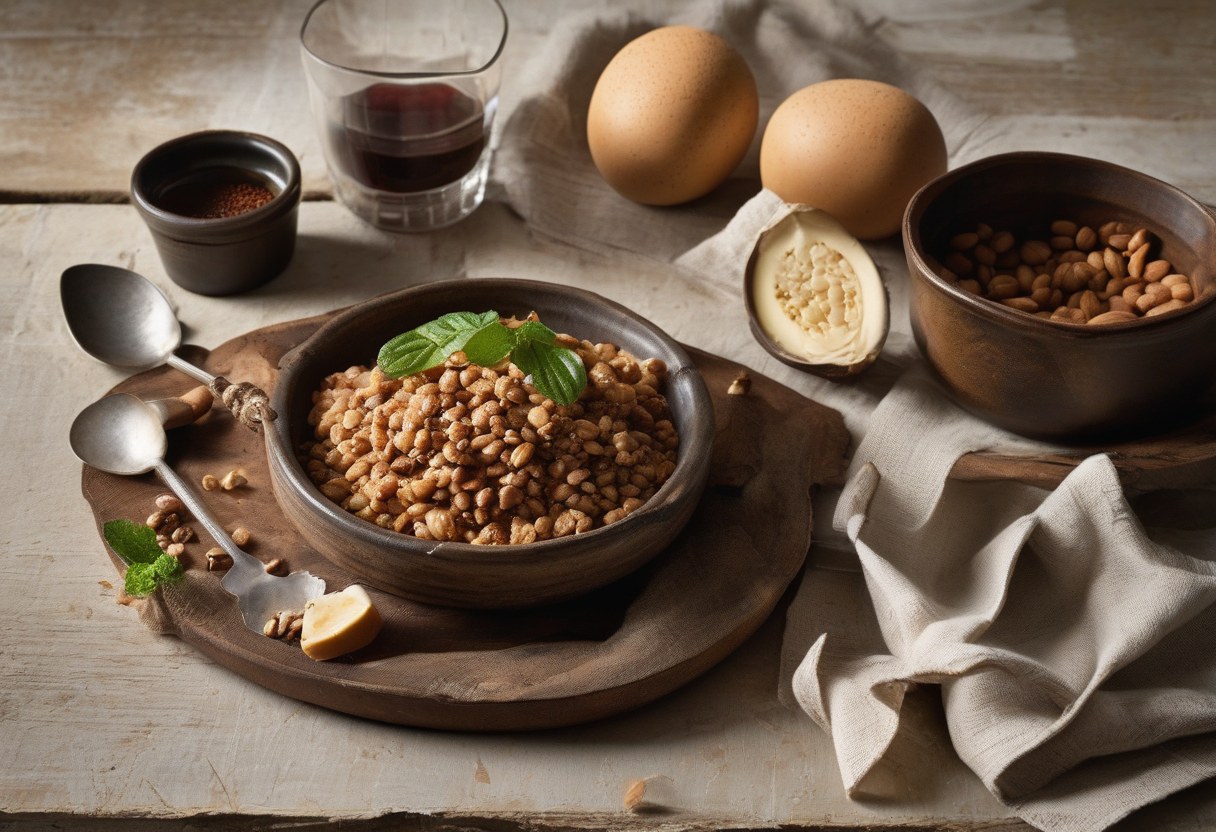
Chicken is a versatile option that can be seasoned in various ways, from lemon-herb to spicy paprika, allowing for flavor variety even within the same week. Tofu, when pressed and baked, develops a satisfying texture that absorbs marinades well, making it a great alternative for those avoiding meat. Canned tuna offers a no-cook option that is ready to eat immediately, which is ideal for late nights when energy for cooking is low. Each of these proteins has different storage requirements, so it is important to label dates clearly to ensure freshness.
Storing these proteins in airtight containers helps prevent cross-contamination of flavors, which is crucial when you have multiple types in the fridge. For instance, keeping spicy chicken separate from mild tofu ensures that the strong spices do not overpower the subtle flavors of the other items. This separation also allows you to thaw or reheat only what you need, reducing food waste. The convenience of having ready-to-go proteins means you can assemble a complete meal in under five minutes, simply by combining a protein pack with a side of rice or salad.
DIY Pasta Primavera Kits
Pasta is a comfort food that can be easily adapted for meal prep without losing its appeal. The trick is to undercook the pasta slightly and store it separately from the sauce and vegetables. This prevents the pasta from becoming mushy, which is a common issue with prepped pasta dishes. By creating "kits" that include a portion of cooked pasta, a packet of sauce, and a container of chopped vegetables, you have a dinner ready to assemble in minutes. This method is affordable and scalable, allowing you to make enough for a family or just for yourself.
For the vegetable component, use a mix of zucchini, cherry tomatoes, and spinach, which cook quickly and add color to the dish. These vegetables can be sautéed separately and stored in a small container, ready to be tossed with the pasta and sauce at reheating time. The sauce can be a simple tomato-based marinara or a creamy garlic butter sauce, depending on your preference. Keeping the components separate ensures that the texture of the pasta remains firm and al dente, even after a few days in the fridge.
Reheating these kits is straightforward; simply microwave the pasta and sauce together, then stir in the pre-cooked vegetables for the last minute. This technique preserves the brightness of the vegetables and prevents them from turning into a limp mess. The cost of these kits is low, as pasta and basic vegetables are budget-friendly staples. This approach is particularly useful for weeknights when you want a quick, satisfying meal without the hassle of cooking from scratch. It also allows for customization, as you can add different proteins or cheeses to each kit to suit individual tastes.
Homemade Chicken Tenders
Chicken tenders are a crowd-pleaser that works well for both adults and children, making them a great option for family meal prep. The key to success is to cook them in a batch and store them in a way that maintains their texture. Baking them instead of frying can reduce the mess while still achieving a crispy exterior if you use a breadcrumb coating. Once cooked, let them cool completely before storing in airtight containers to prevent condensation, which can make them soggy. This method allows you to have a ready-to-eat snack or meal component at any time.
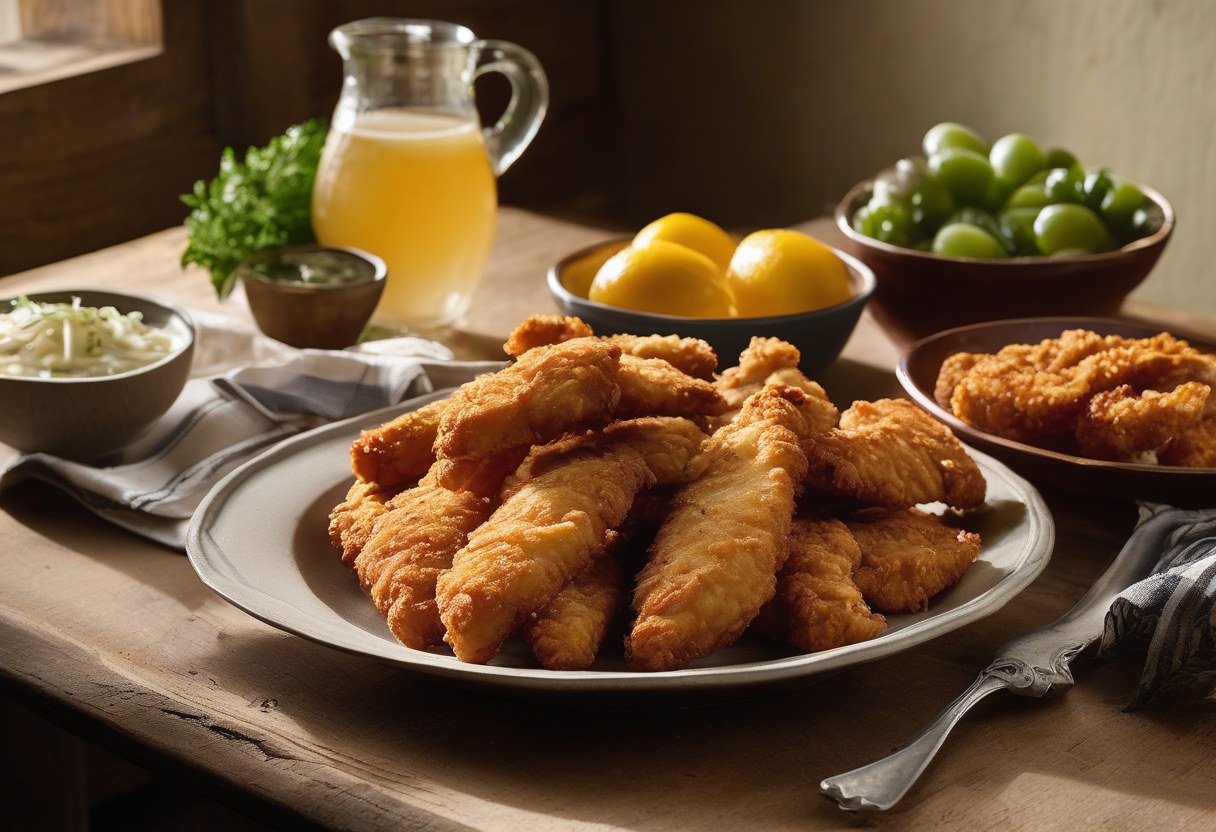
These tenders are versatile enough to be served cold in a sandwich or salad, or reheated in an oven or air fryer for a warm meal. Reheating them in the oven is preferable to the microwave, as it helps restore some of the crispiness. For lunchboxes, packing them cold with a dipping sauce like ranch or honey mustard is a convenient and tasty option. The preparation time is minimal, as the batter can be made in bulk and the chicken pieces can be coated and frozen for later use if you are not cooking them immediately. This flexibility makes them a reliable staple in a busy household.
When planning your portions, consider that chicken tenders are often eaten as a main course or a side. A single tender might not be enough for a full meal, so it is best to prepare several at a time. You can also vary the seasoning of the chicken pieces to offer different flavors throughout the week, such as lemon pepper, Cajun, or plain salt and pepper. This variety keeps the meals interesting and caters to different preferences within the household. The ability to freeze uncooked, coated chicken pieces also means you can have a long-term supply ready for future weeks.
Breakfast Burrito Bites
Breakfast is often the meal that gets skipped or rushed, but prepping burrito bites can change this dynamic. These small, handheld portions are perfect for a quick grab-and-go option that does not require heating if you prefer cold breakfasts. The filling typically includes scrambled eggs, cheese, and bacon bits, which can be prepared in a large batch on the weekend. Wrapping them in small tortillas makes them easy to pack and eat on the move, making them ideal for busy mornings. The flavor combination of salty, savory, and cheesy is satisfying and quick to prepare.
To ensure the eggs remain fluffy, cook them gently and avoid overcooking, as they can become rubbery when stored. Letting them cool before wrapping prevents steam from making the tortilla soggy. You can also add a layer of salsa or sour cream inside the wrap for extra flavor, but be mindful of moisture, which can affect the texture of the tortilla. Storing these bites in the fridge means they are ready to eat within minutes, providing a convenient start to the day. The cost is low, as eggs and cheese are affordable staples, and the preparation time is minimal compared to cooking from scratch each morning.
For those who prefer a warm breakfast, these bites can be reheated in a microwave for a few seconds. However, the texture of the tortilla may soften, so it is best to eat them fresh if possible. You can also vary the fillings by adding different cheeses or vegetables like peppers and onions to keep the meals interesting. This method is particularly useful for families with young children, as the small size makes them easy to handle and eat. The ability to customize the fillings allows for personalization, catering to individual tastes and preferences within the household.
Instant Pot Chili
Chili is a classic meal prep dish that freezes exceptionally well, making it a great option for long-term storage. The Instant Pot simplifies the cooking process, reducing the time spent on the stove and making it easy to clean up. You can customize the chili with various beans, ground beef, or turkey, depending on your preference. The key is to build the layers of flavor, starting with onions and garlic, then adding the meat and spices. This method allows for a deep, rich flavor that develops over time, even if the cooking process is quick. The versatility of chili means it can be served with rice, over pasta, or with cornbread.
For those avoiding meat, crumbled tempeh or textured vegetable protein (TVP) can be used as a direct replacement for ground beef. These alternatives provide a similar texture and absorb the spices well, making them a convincing substitute. The chili can be made in a large batch and portioned into individual containers for freezing. When you need a meal, simply thaw a portion in the fridge overnight and reheat it on the stove or in the microwave. The reheating process is quick, and the flavor often improves after being frozen and thawed, as the spices have more time to meld together.
Storing chili in glass containers is recommended if you plan to reheat it directly in the oven, as glass is heat-resistant and safe for this purpose. Plastic containers should not be used for oven reheating, so it is best to transfer the chili to a glass dish before heating. The cost of chili is low, as beans and spices are affordable, and the dish stretches well, making it a budget-friendly option for busy weeks. The ability to customize the chili with different proteins and beans allows for variety, ensuring that you do not get bored of the same meal. This dish is a staple for many meal preppers due to its convenience and flavor.
Asian-Inspired Rice Salad Jars
Rice salad jars are a popular meal prep option that offers convenience and visual appeal. The layering technique ensures that the ingredients stay fresh and separate, preventing the rice from becoming soggy. Start with a base of cooked rice, followed by noodles, proteins like chicken or tofu, and then vegetables. The sauce is kept in a separate small container or at the bottom of the jar, to be added just before eating. This method is portable and keeps well in the fridge, making it a great option for lunches that need to be taken on the go. The combination of textures and flavors is satisfying and varied.
The choice of noodles can vary, from rice noodles to soba, depending on your preference. These noodles cook quickly and hold up well in the fridge, making them a practical choice for meal prep. The vegetables should be crisp, such as cucumber, carrots, and bell peppers, to provide a contrast to the soft rice and noodles. The sauce can be a peanut-based dressing, a soy-ginger marinade, or a spicy sriracha sauce, offering a range of flavors. This variety allows you to create different versions of the jar throughout the week, keeping the meals interesting and enjoyable.
Assembling these jars takes minimal time, and they can be prepared in advance for the entire week. The portability of the jars makes them ideal for office lunches, as they can be eaten cold or reheated if preferred. The cost is reasonable, as rice and basic vegetables are affordable, and the dish is filling and satisfying. This method is particularly useful for those who want a quick, easy meal that does not require cooking at lunchtime. The visual appeal of the layered ingredients also makes the meal more enjoyable, as it looks like a fresh, restaurant-style dish. This approach to meal prep is both practical and delicious, offering a great way to manage busy schedules.
FAQ
How do I store my meal prep containers effectively?
To prevent food spoilage and keep flavors fresh, it is essential to use airtight containers. This helps to maintain the quality of the food and prevents cross-contamination of odors. Labeling each container with the date and contents is also a good practice, helping you keep track of what needs to be eaten first. This organization ensures that your meal prep remains efficient and reduces waste.
What's the best way to reheat mixed vegetable dishes without losing texture?
Reheating vegetables gently is key to maintaining their texture. Using a microwave on a low setting or steaming them lightly on the stove can help preserve their crispness. Avoid overheating, as this can lead to a mushy consistency. For best results, reheat only the portion you plan to eat immediately, rather than reheating the entire batch multiple times.
Can I use silicone containers for meal prepping, or are plastic better?
Silicone containers are durable and heat-resistant, making them a good option for storage and some types of reheating. However, glass containers are ideal for reheating food directly in the oven, as they can withstand high temperatures without warping. Plastic containers should generally be avoided for high-heat reheating, as they may release chemicals or melt. Choosing the right container depends on your reheating method and personal preference.
How can I substitute ground beef with a plant-based protein in chili recipes?
Crumpled tempeh or textured vegetable protein (TVP) are excellent substitutes for ground beef in chili. These options provide a similar texture and absorb the flavors of the spices well. They are also versatile and can be found in most grocery stores. Using these alternatives allows you to maintain the heartiness of the chili while catering to different dietary preferences. This substitution is simple and effective, ensuring that the dish remains satisfying and flavorful.


