Sun-Dried Tomato Chickpea One Pot Pasta Magic

Download the free printable PDF
As the days shorten and the weather turns cooler, the desire for comforting, hearty meals becomes undeniable. This seasonal roundup focuses on the versatility of sun-dried tomato and chickpea one-pot pasta, a dish that delivers deep, savoury flavour with minimal effort. It is the perfect anchor for your autumn and winter meal planning, offering a balance of convenience and rich taste.
Quick Start Sun-Dried Tomato Pasta
For those busy weeknights when time is of the essence, the quick start method is your best friend. This approach relies on the natural oils from sun-dried tomatoes to build a base that is intensely flavoured without needing hours of simmering. You simply sauté garlic and the tomatoes in a wide pot, add the chickpeas, and then introduce the pasta along with just enough stock to cover. The starch from the pasta releases into the liquid, creating a creamy, cohesive sauce that clings to every piece without the need for heavy cream or cheese.
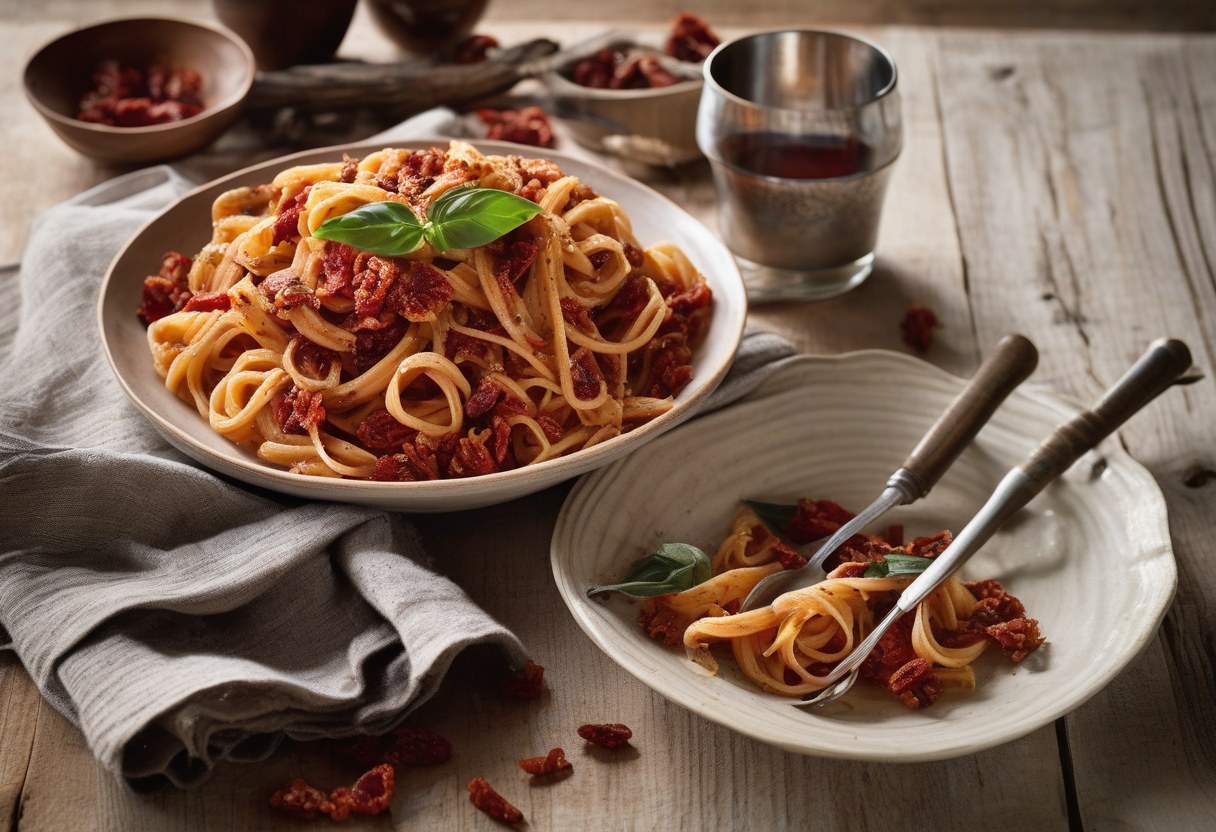
The beauty of this method lies in its speed. From the moment you turn on the heat to the moment the dish is ready to serve, it takes no more than fifteen minutes. The sun-dried tomatoes provide a concentrated burst of umami that permeates the entire pot, ensuring that even simple ingredients taste sophisticated. You can finish the dish with a generous sprinkle of fresh basil or parsley to brighten the deep red tones of the sauce. This version is ideal for immediate consumption, where the texture of the pasta is perfectly al dente and the chickpeas are tender yet hold their shape.
It is a straightforward recipe that requires no specialized equipment beyond a large, deep skillet or a wide pot. The key is to ensure the pasta is fully submerged but not swimming in liquid; the goal is to reduce the stock down to a sauce consistency as the pasta cooks. This technique saves on washing up, which is a significant bonus after a long day. The result is a unified meal where every element is cooked together, allowing the flavours to meld seamlessly in a single vessel.
Batch Cook Pasta Medley
One of the most compelling aspects of this dish is its suitability for batch cooking. By preparing a large quantity on a Sunday, you can simplify your week ahead and ensure that dinner is always sorted. When cooking in bulk, you should slightly undercook the pasta by one or two minutes to prevent it from becoming mushy upon reheating. This technique ensures that the pasta maintains its structure and texture when stored and later warmed up. The sauce will continue to absorb some of the starch during the resting period, thickening slightly, which is often desirable for a more cohesive bite.
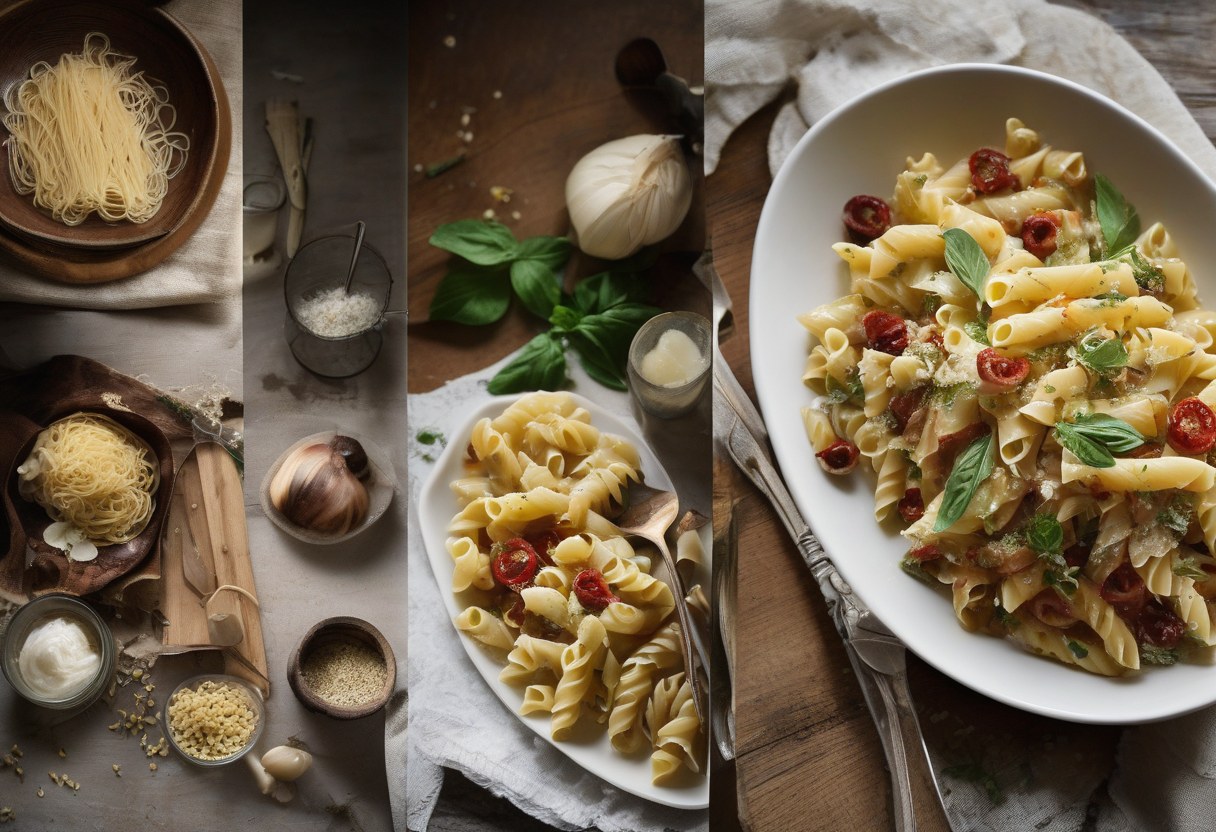
Storing this medley in large, airtight containers makes for an efficient transition from kitchen to fridge. As the dish cools, the flavours deepen, often making the reheated version even more robust than the fresh one. You can portion the medley into individual servings or keep it in a large container and scoop out what you need each evening. This flexibility allows you to adapt the meal to different dietary needs within a household, such as adding extra vegetables or a different protein to a specific portion. The uniformity of the base dish means that you are not juggling multiple complex recipes, but rather managing a single, reliable staple.
The reheating process is straightforward and can be done on the stovetop or in the microwave. If using a microwave, adding a splash of water or stock to the container before heating helps to rehydrate the sauce and prevent the pasta from drying out. On the stovetop, a gentle simmer with a little extra liquid can revive the dish, making it taste as fresh as the day it was cooked. This method is particularly effective for those who prefer to have their meals ready to go, reducing the daily decision fatigue associated with cooking from scratch every evening.
Freezer-Friendly Chickpea & Tomato Pasta
For those who love to prep meals ahead and store them frozen for future use, this one-pot pasta is exceptionally resilient. Freezing is a fantastic way to lock in the flavours of the sun-dried tomatoes and the earthiness of the chickpeas. When preparing a batch for the freezer, it is advisable to cook the pasta separately and keep it raw or slightly undercooked if you plan to reheat it in the oven or on the stovetop. However, for a true one-pot freezer meal, cooking it fully and then cooling it rapidly is the standard approach for convenience.
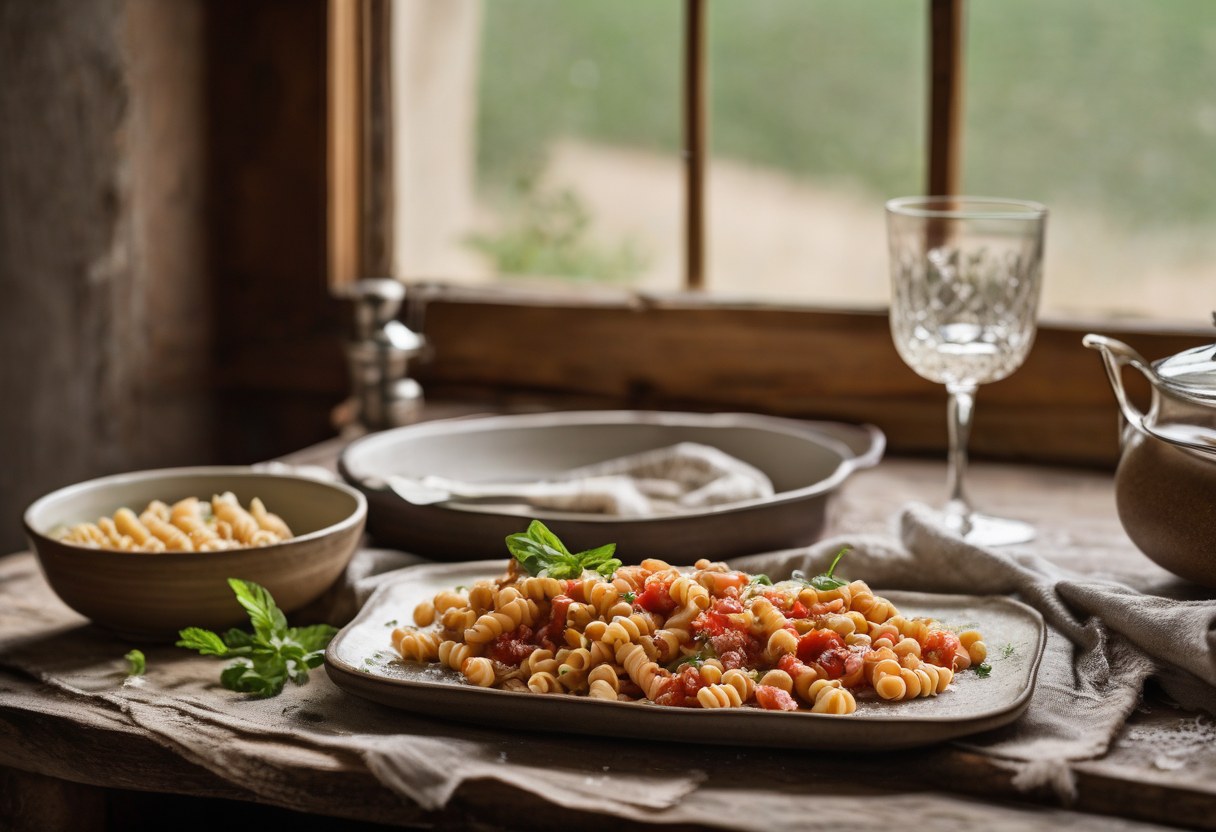
Freezing this dish ensures that you always have a meal ready at hand, regardless of unexpected schedule changes or late nights. The sauce, which is primarily oil-based and tomato-based, freezes well without separating or becoming grainy. When you are ready to eat, you can thaw the portion in the refrigerator overnight or reheat it directly from frozen. If reheating from frozen, it is best to do so on the stovetop with a little extra liquid to help the pasta soften and the sauce loosen. This method requires minimal active time, making it a low-effort option for busy days.
The storage life of this dish in the freezer is considerable, typically lasting up to three months without a significant loss in quality. Labeling the containers with the date and contents is a good practice to maintain organization. When you do decide to consume a frozen portion, the result is a warm, comforting meal that tastes just as good as the fresh version. The chickpeas retain their texture well, and the sun-dried tomatoes continue to impart their rich, tangy flavour. This makes it a reliable staple for anyone who wants to minimize their weekly cooking time while still enjoying a varied and satisfying diet.
Stovetop-to-Oven Pasta Delight
For those who enjoy a bit of culinary theatre, the stovetop-to-oven method adds a layer of complexity and texture to the classic one-pot pasta. This technique involves building the base on the stovetop, combining the sun-dried tomatoes, garlic, and chickpeas with the pasta and stock. Once the pasta is cooked and the sauce has thickened, the mixture is transferred to a baking dish. This transition allows for the addition of toppings that benefit from high heat, such as grated hard cheeses or fresh herbs that might wilt if added to a boiling pot.
The final stage in the oven is where the magic happens. A high heat setting for ten to fifteen minutes creates a golden, slightly crisp top layer while the interior remains creamy and tender. This contrast in textures is highly satisfying and adds a visual appeal that makes the dish feel more special. The cheese, if used, melts and bubbles, creating a rich coating that binds the ingredients together. This method is particularly good for entertaining, as it can be prepared in advance and finished off just before guests arrive, ensuring that the dish is served hot and fresh.
The aroma of the baking pasta is a significant part of the experience, filling the kitchen with the scent of toasted garlic and roasting tomatoes. This method also allows for the addition of other ingredients that might not survive the boiling process, such as fresh spinach or delicate greens. They can be added to the top of the dish before it goes into the oven, where they wilt gently into the sauce. This versatility makes the stovetop-to-oven version a favourite for those who want a bit more variety and texture in their meals, while still benefiting from the ease of a one-pot base.
Pasta Jar Meals
Individual serving jars are an excellent way to assemble this dish ahead of time, keeping meals portable and portion-controlled. This method is particularly popular for those who work from home or have a busy schedule, as it allows for precise portioning and easy transport. The assembly process involves layering the ingredients in a mason jar or similar container. Typically, the pasta and chickpeas go at the bottom, followed by the sun-dried tomatoes and any other vegetables. The sauce is added last, either poured over the top or stored separately in a small container within the jar.
The layering technique ensures that the pasta does not get soggy before it is ready to be eaten. By keeping the liquid separate until the last minute, the texture of the pasta remains firm and appealing. This is a significant advantage over pre-mixed meals, which can often become mushy when stored. The visual appeal of the layered ingredients is also a plus, making the meal look as good as it tastes. This method is ideal for those who want to pack their lunch or dinner for work, ensuring that they have a hot, satisfying meal waiting for them at the end of the day.
Reheating a pasta jar is a simple process that can be done on the stovetop. You simply pour the contents of the jar into a small pot, add a splash of water or stock, and warm it through. This method is quick and efficient, taking only a few minutes. The jar itself can be washed and reused, making it an eco-friendly option for those looking to reduce waste. The portion control aspect is also beneficial for those who are monitoring their calorie intake, as each jar contains a known quantity of food. This makes it easy to plan your meals for the week and ensure that you are getting the right amount of food for your needs.
Vegetarian Protein Boost Pasta
For those looking to increase their daily protein intake without the fuss, this dish offers a compelling solution. With roughly 480 calories and 38g of protein per serving, it provides a substantial amount of protein in a single meal. This is a significant advantage for those who are active or simply want to ensure they are getting enough protein in their diet. The combination of chickpeas and pasta provides a good balance of plant-based protein, which is easily digestible and satisfying. The sun-dried tomatoes add a layer of flavour that makes the dish enjoyable, even for those who are not typically interested in high-protein meals.
The protein content is not just a number; it translates into a meal that feels substantial and filling. The chickpeas provide a hearty texture that complements the softness of the pasta, creating a satisfying bite. The sun-dried tomatoes add a tangy, sweet flavour that cuts through the richness of the dish. This combination makes the meal enjoyable and easy to eat, even for those who are not typically interested in high-protein meals. The dish is also versatile, allowing for the addition of other protein sources such as lentils or beans, further increasing the protein content if desired.
This dish is ideal for those who are looking for a convenient way to meet their protein needs. It can be prepared in advance and stored for later, making it a reliable option for busy days. The flavour is rich and satisfying, ensuring that you do not feel deprived or hungry after eating. The simplicity of the recipe means that it can be made with minimal ingredients, reducing the need for complex preparation. This makes it an accessible option for anyone looking to improve their meal planning, without the need for elaborate recipes or specialized equipment.
Add-Ons & Variations Guide
One of the joys of a one-pot pasta is its adaptability. By swapping ingredients, you can create a variety of dishes that keep your meals interesting and prevent boredom. For instance, you can swap the chickpeas for white beans, which have a creamier texture and a milder flavour. This change works well with the sun-dried tomatoes, creating a dish that is slightly richer and more indulgent. You can also experiment with different types of pasta, such as penne or fusilli, which hold the sauce well and provide a different texture than spaghetti or linguine.
Adding vegetables is another way to vary the dish. Spinach, kale, or broccoli can be added in the last few minutes of cooking, allowing them to wilt into the sauce without becoming overcooked. This adds colour and variety to the meal, making it more visually appealing. You can also add spices such as cumin or smoked paprika to change the flavour profile, creating a dish that is more spicy or smoky. These small changes can make a big difference in the final taste, allowing you to customize the dish to your preferences.
For those who want a bit more richness, adding a splash of cream or a handful of grated cheese at the end of cooking can transform the dish. This creates a creamier sauce that is more luxurious and indulgent. Alternatively, you can keep the dish lighter by adding a squeeze of lemon juice and a sprinkle of fresh herbs, which brighten the flavours and add a fresh note. These variations allow you to tailor the dish to your taste, ensuring that you always have a meal that you enjoy. The flexibility of the recipe means that you can never run out of ideas, making it a staple for any home cook.
FAQ
How do I store leftover pasta meals?
Leftover pasta meals should be stored in airtight containers in the refrigerator. It is best to cool the pasta to room temperature before storing it to prevent bacterial growth. The pasta will keep for up to three to four days in the fridge, where it can be reheated on the stovetop or in the microwave. Adding a splash of water or stock when reheating helps to restore the texture and moisture of the dish.
Can I freeze these sun-dried tomato chickpea pasta dishes? If so, for how long?
Yes, these dishes freeze well and can be stored in the freezer for up to three months. It is best to portion the pasta into individual servings before freezing, which makes it easier to thaw and reheat only what you need. When reheating from frozen, it is recommended to do so on the stovetop with a little extra liquid to ensure that the pasta softens evenly.
What are some good container options for storing one-pot pasta meals?
Airtight glass or plastic containers are ideal for storing one-pot pasta meals. Glass containers are preferable as they do not retain odours or stains and are more durable. For portion control, individual-sized containers are useful, while larger containers are better for batch cooking. Mason jars are also a popular option for those who prefer to store meals in a portable format.
Are there any suitable ingredient substitutions if I don't have all the required items at hand?
If you do not have sun-dried tomatoes, you can use fresh tomatoes, though you will need to use a larger quantity to achieve the same intensity of flavour. Chickpeas can be substituted with other legumes such as lentils or white beans, which will alter the texture and flavour slightly. If you do not have pasta, you can use rice or quinoa as a base, adjusting the cooking time and liquid accordingly.


